
Morelia Mexico Blends World Heritage Beauty With a Powerful Responsible Travel Story

Published
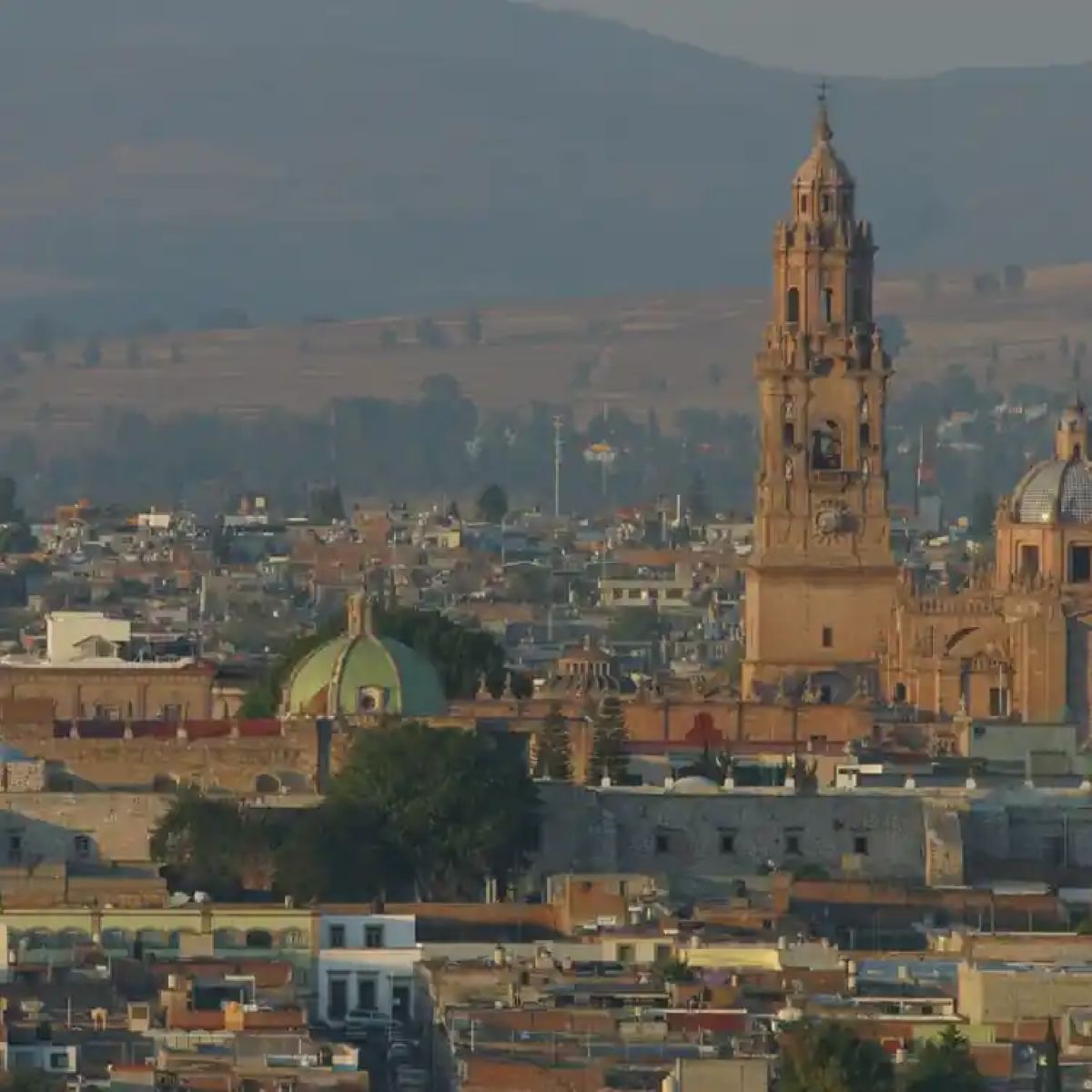
Image Credit: whc.unesco
Morelia is one of Mexico’s great heritage cities, but it asks travellers to slow down. Its historic centre is built from pink stone. Its streets follow a plan first laid out in the sixteenth century. Its churches, gardens, public squares and old civic buildings tell the story of a city that has shaped Mexican history.
This is the capital of Michoacán in central Mexico. It is also a UNESCO World Heritage site. For visitors looking beyond a fast city break, Morelia offers a deeper travel experience. It is a place to walk, look closely, eat locally and understand how history still shapes daily life.
The city’s strength is not one famous building alone. Morelia works as a complete historic landscape. Visitors can move from a major square to a quiet church, from a stone arcade to a local café, and from an important museum to a street with everyday businesses. This makes the city a powerful slow travel destination.
Advertisement
Advertisement
A World Heritage City Built in Pink Stone
UNESCO added the Historic Centre of Morelia to the World Heritage List in 1991. The organisation describes it as an outstanding example of urban planning that brings together Spanish Renaissance ideas and Mesoamerican experience.
Morelia was built on a hill site in the sixteenth century. Its streets were designed to work with the slopes of the land. They still follow much of the original layout. This gives the city a clear shape and helps visitors understand it on foot.
The local pink stone is one of Morelia’s most striking features. It gives the city centre a warm and unified look. More than 200 historic buildings reflect a mix of medieval, Renaissance, Baroque and neoclassical styles. UNESCO identifies 249 monuments of prime importance in the central historic area. These include 21 churches and 20 civil buildings.
The cathedral is part of the city’s dramatic skyline. So are the domes, towers and arcades that appear along streets and plazas. Yet Morelia should not be treated as an open-air museum. Its heritage buildings remain part of a living city. Many have found new uses, including uses connected with tourism.
More Than Colonial Architecture
Morelia’s story also reaches into Mexico’s fight for independence. The city was founded under the name Valladolid. In the early nineteenth century, it became one of the important centres of the struggle for Mexican independence.
Miguel Hidalgo and José María Morelos are closely connected with this period. Morelos was born in the city. In 1828, Valladolid was renamed Morelia in his honour. This adds a strong historical layer to a visit. Travellers do not only see beautiful streets. They enter places linked to the making of modern Mexico.
The city’s open squares and public gardens are central to this experience. UNESCO notes that the historic centre includes major city axes, urban squares and gardens that create broad views towards the surrounding hills. These spaces make walking more than a way of getting from one place to another. They make it possible to see how the city was planned and how people use it today.
A good visit should leave room for this. Do not rush from one landmark to the next. Walk through the historic centre. Stop in the squares. Look up at stonework and church façades. Let the city’s layout guide the day.
Advertisement
Advertisement
Morelia as a Gateway to Michoacán
Morelia can also work as a base for a wider cultural journey through Michoacán. It gives travellers an urban starting point before they explore the state’s smaller towns, craft traditions, food culture and landscapes.
This is a useful tourism angle because visitors can spend more time in the city instead of treating it as a short stop. A longer stay supports local restaurants, hotels, guides, makers and cultural spaces. It also gives travellers time to connect Morelia’s built heritage with the wider identity of Michoacán.
The city is especially suited to travellers who value culture over rush. Architecture lovers can study the many styles found across the centre. History visitors can follow the independence story. Food travellers can use the city as an introduction to Michoacán’s regional cooking and sweets. Cultural travellers can explore museums, churches, public spaces and local art.
Morelia does not need to compete with Mexico’s largest destinations by copying them. Its appeal comes from a different promise. It offers scale, detail and a strong sense of place.
Advertisement
Advertisement
Tourism Helps Preserve the City but Brings Real Pressures
Tourism is important to Morelia’s economic future. UNESCO says public investment in buildings, heritage areas and public spaces has helped position tourism as a driver of regional development. The reuse of old residential buildings for tourism has also taken place with respect for the integrity of the World Heritage site.
This is the positive side of heritage travel. Tourism can help fund restoration. It can support local jobs. It can give historic buildings a new purpose. It can also encourage visitors to value the city’s cultural identity.
However, the same growth brings risks. UNESCO highlights pressure from real estate and tourism, the loss of housing, transport problems, congestion and heavy traffic. These issues matter because heritage is not only stone and architecture. A historic centre also needs residents, shops, daily services and public life.
This gives Morelia a more important tourism story. The challenge is not simply to attract more visitors. It is to welcome visitors in a way that protects the city’s character.
How Visitors Can Travel More Responsibly
Responsible travel in Morelia starts with staying longer and moving more slowly. Walking helps visitors see the city’s layout while reducing pressure from short car journeys. Using local guides can add context and direct spending towards people who know the city best.
Travellers can also support local restaurants, independent shops and artisans. They should respect residential streets, avoid blocking entrances and keep noise low at night. Choosing a registered accommodation and following local guidance also helps visitors make better decisions.
Heritage sites need care. Visitors should not climb on monuments, leave litter or treat sacred places as photo sets. A respectful visit helps protect the places that make Morelia special.
Morelia’s pink stone can easily catch the eye. But the real reason to visit is deeper. The city shows how heritage, independence history, public life and tourism can meet in one walkable place. For travellers who want Mexico with more meaning and less hurry, Morelia offers a remarkable answer.
Advertisement
