
Seattle Tourism Hits $366 Million in Summer 2026 as Record Hotel Rates Drive Remarkable Revenue Growth

Published
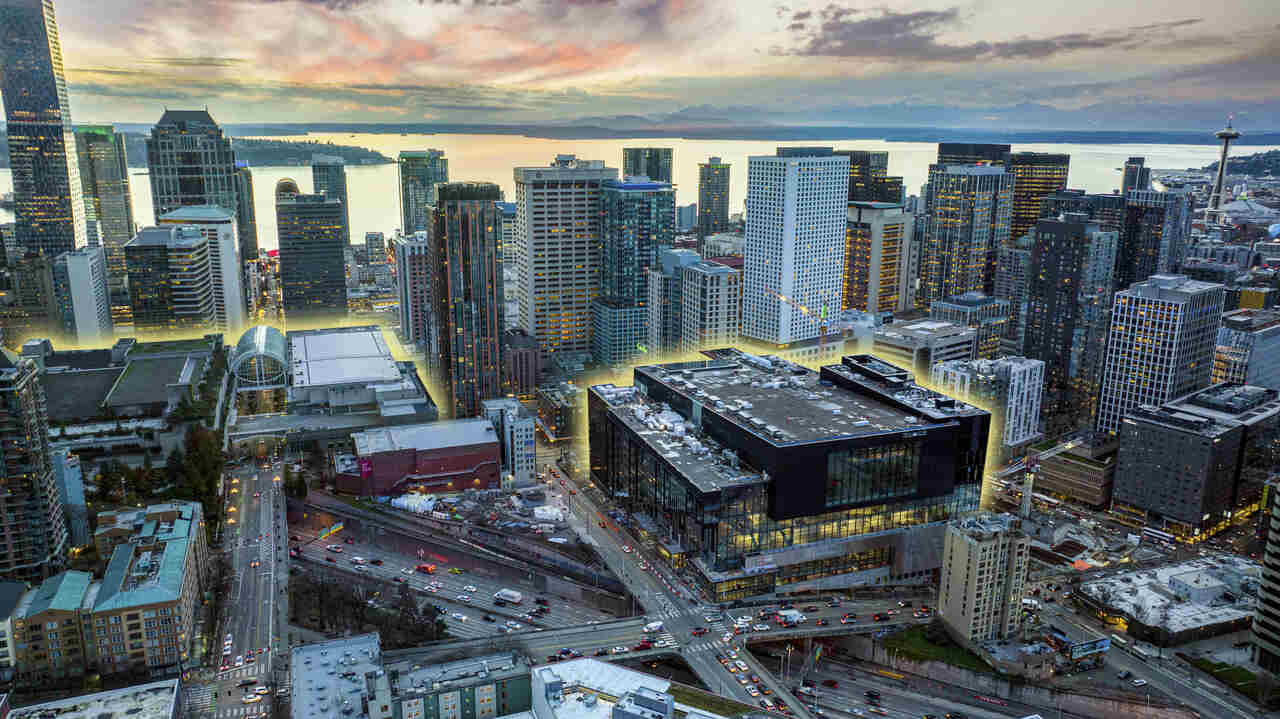
The tourism industry of Seattle has witnessed a good financial performance during summer 2026, with hotel earnings at $366 million, although there was a slight decrease in occupancy and room nights sold. The new figures that have been made public through Visit Seattle, which is the official destination marketing organization for Seattle and King County, demonstrate how increasing accommodation costs have enabled Seattle to earn more from tourism during June-August. These figures demonstrate the ability of Seattle to attract tourism spending and establish itself as a destination in the US.
Seattle Celebrates Summer Tourism Performance at Major Hospitality Gathering
Seattle’s summer tourism achievements took centre stage at Ovation, an industry gathering organised by Visit Seattle at Town Hall Seattle. The event brought together representatives from the city’s hospitality, tourism, arts and cultural sectors to review the summer travel season and recognise contributions to the visitor economy.
The gathering highlighted Seattle’s evolving tourism landscape, where accommodation performance, cultural attractions and visitor experiences play increasingly important roles in destination development.
Alongside the latest hotel figures, Visit Seattle introduced an expanded recognition programme celebrating excellence across different areas of hospitality. The occasion also provided an opportunity to examine how Seattle’s creative industries support tourism, encourage exploration and strengthen the appeal of the city’s downtown neighbourhoods.
Advertisement
Advertisement
Seattle Hotels Generate $366 Million Despite Slight Decline in Visitor Demand
Seattle’s hotel sector generated approximately $366 million in revenue during June, July and August 2026, representing a 3% increase compared with the same period in 2025.
The improvement came despite a slight reduction in room occupancy and the total number of room nights sold. Average hotel occupancy stood at 84%, compared with nearly 86% during summer 2025.
Advertisement
Advertisement
Hotels sold approximately 1.2 million room nights across the three-month period, around 2% fewer than the previous year.
These figures reveal an important shift in Seattle’s accommodation market. Although hotels experienced a modest decline in room-night demand, higher room rates helped maintain revenue growth and improve the financial performance of the sector.
Advertisement
Advertisement
Record Hotel Room Rates Mark a Major Milestone for Seattle Tourism
One of the most significant developments during summer 2026 was the rise in Seattle’s average daily hotel rate.
The city’s summer Average Daily Rate (ADR) reached approximately $298, nearly 6% higher than in 2025. June and July also became the first two months in Seattle’s history when the average daily hotel rate exceeded $300.
This milestone reflects the stronger pricing environment experienced by accommodation providers during the peak summer travel season.
Higher room rates can support hotel revenues, although they may also influence accommodation choices among budget-conscious visitors.
Advertisement
Advertisement
For Seattle’s hospitality industry, the record-breaking figures demonstrate that revenue growth can continue even when room-night demand softens slightly.
Revenue per Available Room Rises as Seattle Hotels Strengthen Financial Performance
Seattle’s Revenue per Available Room, widely known as RevPAR, reached approximately $250 during summer 2026.
This represented a 3% improvement compared with the corresponding period in 2025 and placed the figure slightly above its 2024 level.
RevPAR is an important measure of hotel performance because it combines room pricing with occupancy. It helps accommodation operators assess how effectively available rooms generate income.
Seattle’s improvement indicates that stronger room rates compensated for the decline in occupancy during the summer period.
The figures also show why hotel performance cannot be judged by occupancy alone. A destination may sell slightly fewer rooms while generating more revenue through higher average prices.
Advertisement
Advertisement
Seattle Summer 2026 Hotel Performance at a Glance
| Hotel performance indicator | Summer 2026 results | Comparison with 2025 |
|---|---|---|
| Total hotel revenue | $366 million | Increased 3% |
| Average hotel occupancy | 84% | Nearly 86% in 2025 |
| Room nights sold | Approximately 1.2 million | Declined around 2% |
| Revenue per Available Room | $250 | Increased 3% |
| Average Daily Rate | Approximately $298 | Increased nearly 6% |
| June and July room rates | Exceeded $300 ADR | First such months in city history |
The figures demonstrate a clear contrast between accommodation demand and financial performance. While the number of occupied rooms declined slightly, stronger average prices helped Seattle’s hotels achieve higher overall revenue.
The results relate specifically to hotel performance and should not be interpreted as a complete measure of visitor arrivals or total tourism spending across Seattle and King County.
Seattle’s Visitor Economy Shows Resilience Amid Changing Travel Patterns
Seattle’s summer hotel results provide an important indication of how the city’s visitor economy is responding to changing market conditions.
The combination of slightly lower occupancy and higher revenue suggests that accommodation pricing played a central role in the industry’s financial performance.
For hotels, this creates opportunities to improve income without relying entirely on higher room occupancy.
However, the decline in room nights sold also highlights the importance of maintaining visitor demand and ensuring that Seattle remains attractive to different traveller segments.
Advertisement
Advertisement
Leisure visitors, business travellers, convention delegates and cultural tourists all contribute to the city’s accommodation market.
A balanced tourism strategy that supports visitor numbers, competitive pricing and memorable experiences can help Seattle sustain its position as a major urban destination.
Arts and Culture Take Centre Stage in Seattle’s Tourism Development
Beyond hotel performance, Visit Seattle’s Ovation gathering placed considerable emphasis on the role of arts and culture in shaping the city’s visitor experience.
A dedicated discussion examined how cultural organisations, creative businesses, public institutions and urban development initiatives contribute to the vitality of downtown Seattle.
The discussion brought together perspectives from the city’s economic development, cultural funding, urban development and convention sectors.
Arts and culture are important components of Seattle’s tourism identity. Museums, galleries, exhibitions, public art, music venues and community events provide visitors with experiences beyond traditional sightseeing.
Advertisement
Advertisement
These attractions can also encourage travellers to explore different neighbourhoods, extend their activities and engage with local businesses.
By highlighting cultural development alongside tourism performance, Visit Seattle reinforced the connection between a vibrant city centre and a competitive visitor economy.
Downtown Seattle Emerges as a Key Focus for Cultural Tourism
Downtown Seattle plays a central role in the city’s tourism experience, connecting accommodation, entertainment, cultural attractions, shopping and major event venues.
The Ovation discussion highlighted the importance of collaboration between organisations involved in economic development, arts funding, urban regeneration and convention activity.
Such cooperation can help strengthen the relationship between the visitor economy and the wider downtown community.
Cultural attractions give travellers additional reasons to explore the city, while hospitality businesses benefit from activity generated by exhibitions, performances and public events.
Advertisement
Advertisement
For Seattle, maintaining an engaging downtown environment remains an important part of destination development.
A lively cultural district can support tourism businesses while also creating opportunities for local artists, independent enterprises and community organisations.
Visit Seattle Expands Hospitality Recognition with New Ovation Awards
The 2026 Ovation gathering also marked the introduction of an expanded awards programme recognising contributions to Seattle’s tourism and hospitality sectors.
Visit Seattle had previously established a Community Leader of the Year award to acknowledge work that improved the city’s visitor environment.
The earlier recognition focused on contributions to the transformation of Seattle’s waterfront, a major public space and visitor attraction.
In 2026, the organisation broadened the initiative by introducing four additional categories under the Ovation Awards.
Advertisement
Advertisement
The expanded programme recognised five individuals working across hotel operations, guest services, arts and culture, community leadership and tourism development.
This wider approach reflects the range of professional roles involved in creating a successful visitor experience.
Five Hospitality Categories Highlight the People Behind Seattle’s Tourism Success
The inaugural expanded Ovation Awards recognised excellence in five areas of Seattle’s hospitality and visitor economy.
| Award category | Area of recognition |
|---|---|
| Behind-the-Scenes Distinction | Operational and maintenance contributions supporting hotel services |
| Frontline Distinction | Guest-facing hospitality and concierge excellence |
| Arts & Culture Leader | Contributions to cultural experiences, creative initiatives and storytelling |
| Community Leader of the Year | Community development and locally rooted hospitality |
| Tourism Leader of the Year | Tourism development and visitor engagement through cultural attractions |
The awards acknowledged contributions from professionals associated with hotel accommodation, luxury guest services, cultural media, independent hospitality and museum tourism.
By recognising both frontline and operational roles, the programme highlighted the importance of work that visitors may not always see.
The categories also demonstrated that destination success depends on more than hotels and attractions. It requires cooperation between many sectors that collectively shape how travellers experience a city.
Advertisement
Advertisement
Seattle’s Hospitality Workforce Remains Central to the Visitor Experience
Hospitality professionals play an essential role in shaping how visitors experience Seattle, from their arrival at accommodation properties to their exploration of the city’s attractions.
Frontline employees often provide the first direct connection between travellers and local hospitality services.
Concierge teams, reception staff and other guest-facing professionals help visitors navigate the city, discover attractions and access services.
Behind-the-scenes teams are equally important. Maintenance, housekeeping and operational staff help ensure that accommodation facilities remain functional, comfortable and ready for guests.
The Ovation Awards brought attention to these different responsibilities, recognising that successful tourism experiences depend on coordinated work across the hospitality industry.
Such recognition also reinforces the importance of service quality as destinations compete for domestic and international travellers.
Advertisement
Advertisement
Seattle’s Cultural Attractions Support a More Diverse Tourism Experience
Seattle’s tourism appeal extends well beyond its accommodation sector.
The city offers a wide range of cultural experiences, including museums, contemporary art, live music, public spaces and neighbourhood attractions.
Institutions such as the Seattle Art Museum and the Seattle Convention Center contribute to the wider visitor economy through exhibitions, events and cultural programming.
The city’s waterfront and downtown districts also provide opportunities for sightseeing, dining and exploring local communities.
These attractions help create a varied urban tourism experience that can appeal to leisure travellers, families, business visitors and convention delegates.
The recognition of arts and cultural leadership at Ovation highlighted how creative organisations contribute to Seattle’s destination identity and strengthen its appeal to visitors.
Advertisement
Advertisement
Higher Hotel Rates Present Opportunities and Challenges for Travellers
Seattle’s summer accommodation figures also have implications for travellers planning visits during the busiest months of the year.
With the average daily room rate approaching $300 and exceeding that level during June and July, accommodation costs remain an important consideration for visitors.
Higher prices may encourage some travellers to compare hotel locations, booking periods and accommodation categories more carefully.
For hospitality operators, stronger room rates can improve revenue performance and support business operations.
However, maintaining a broad range of accommodation choices remains important for a destination seeking to welcome travellers with different budgets.
Seattle’s summer figures illustrate the need to balance financial performance with accessibility, ensuring that the city continues to appeal to a diverse visitor market.
Advertisement
Advertisement
Business Events and Convention Tourism Add Another Dimension to Seattle’s Appeal
Business events and convention activity form an important part of Seattle’s broader tourism landscape.
The participation of the Seattle Convention Center in the Ovation discussion reflected the connection between meetings, cultural experiences and downtown economic activity.
Convention delegates often use local accommodation, restaurants, transport services and attractions during their visits.
Business events can also introduce travellers to cultural institutions and neighbourhood experiences they may not otherwise explore.
This relationship creates opportunities for collaboration between convention organisers, hospitality businesses and cultural organisations.
Although the summer figures released by Visit Seattle do not separate business and leisure demand, the city’s wider tourism strategy benefits from considering how these different visitor segments interact.
Advertisement
Advertisement
Seattle’s Tourism Industry Looks Beyond Hotel Occupancy to Long-Term Value
The 2026 summer results demonstrate why tourism performance increasingly requires analysis across several indicators.
Occupancy remains important, but room rates, revenue generation and the quality of visitor experiences also influence the health of the hospitality sector.
Seattle’s hotels recorded fewer room nights and slightly lower occupancy while achieving higher total revenue and RevPAR.
This pattern highlights the financial importance of pricing, particularly during periods when demand does not increase.
At the same time, the Ovation gathering showed that destination development extends beyond accommodation performance.
Cultural vitality, community engagement, hospitality service and public spaces all contribute to Seattle’s attractiveness as a place to visit.
Advertisement
Advertisement
Seattle’s Summer 2026 Results Signal a Changing Tourism Landscape
Seattle concluded summer 2026 with a notable combination of record hotel pricing, stronger accommodation revenue and a modest reduction in occupied room nights.
The $366 million generated by hotels, alongside a 3% increase in RevPAR and nearly 6% growth in average daily rates, demonstrates the financial strength of the city’s accommodation market during the three-month period.
The introduction of the expanded Ovation Awards added another dimension to the season’s achievements by recognising the hospitality professionals, cultural contributors and community organisations involved in shaping Seattle’s visitor experience.
Together, the figures and industry recognition present a broader picture of a destination focused on both commercial performance and the quality of tourism.
As Seattle continues developing its cultural attractions, downtown visitor experiences and hospitality services, the summer 2026 results provide an important benchmark for assessing the city’s future tourism performance.
Advertisement
