
Flights Cancelled Sweeping Gulf Airports like Cairo, Sharjah and More with 1,453 Delays and 80 Cancellations

Updated
Published
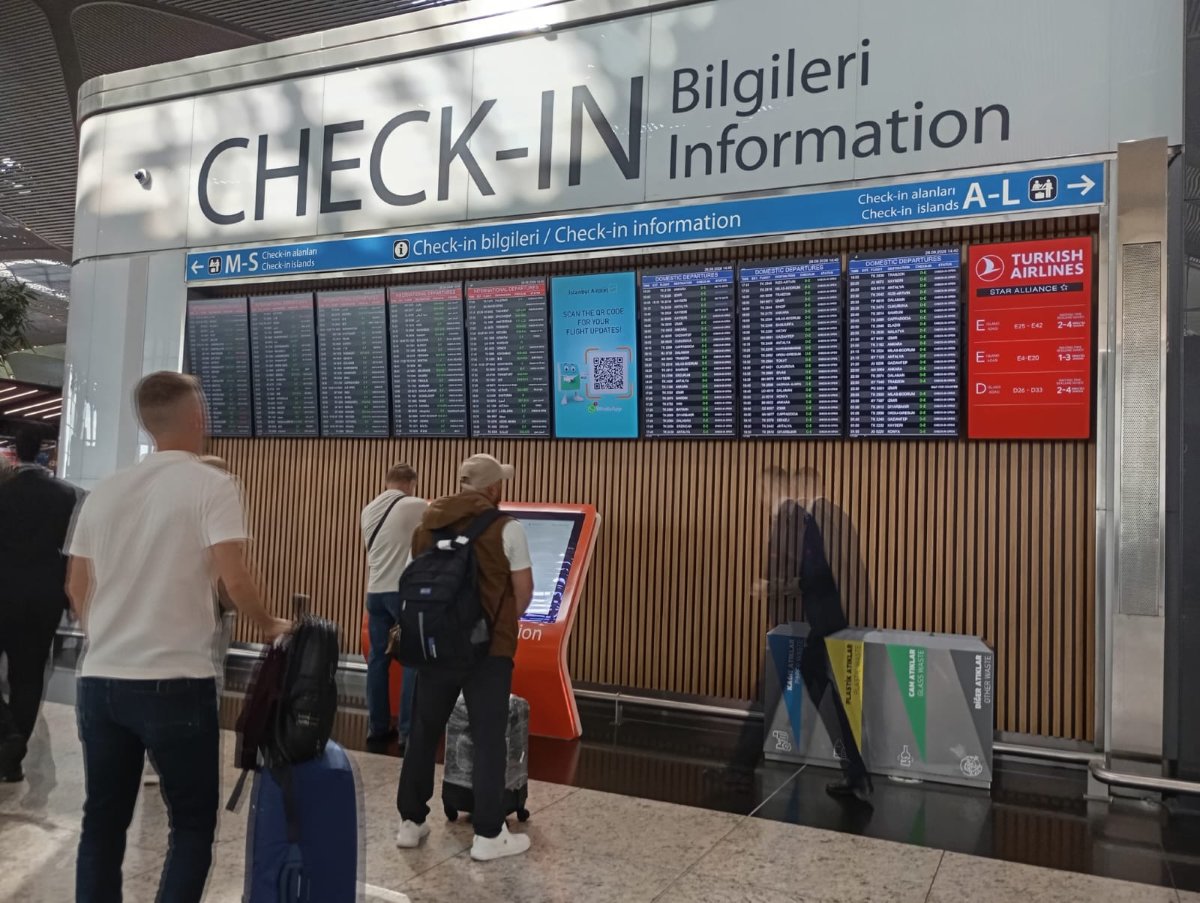
Flights cancelled across Gulf airports and neighbouring aviation hubs have disrupted thousands of travel plans, with 1,453 delays and 80 cancellations reported across 13 major airports, including Cairo, Sharjah, Dubai, Jeddah, Doha and Istanbul. The disruption comes as regional security tensions, recent attacks on Saudi Arabian airports, airspace restrictions and airline schedule adjustments continue to affect flight operations. Moreover, adverse weather, technical problems and operational challenges may contribute to individual delays. Meanwhile, airlines are suspending selected routes, rerouting aircraft and adjusting departure schedules to maintain passenger safety. Consequently, travellers face longer waiting times, missed connections and unexpected cancellations. Although the disruptions have swept across several airports, their exact causes vary by location, leaving passengers uncertain about upcoming journeys.
Gulf Airports Experience Widespread Flight Delays and Cancellations
The United Arab Emirates recorded substantial disruption across four major airports. Dubai International Airport reported 213 delays and 11 cancellations, making it the most affected UAE airport by delayed flights.
Meanwhile, Sharjah International Airport registered 78 delays and 11 cancellations. Zayed International Airport in Abu Dhabi recorded 116 delays and four cancellations, while Al Maktoum International Airport in Dubai reported 13 delays and two cancellations.
Together, these four UAE airports accounted for 420 delays and 28 cancellations.
Advertisement
Advertisement
Saudi Arabia Faces Significant Disruption at Jeddah and Dammam
Saudi Arabia also experienced considerable aviation disruption. King Abdulaziz International Airport in Jeddah recorded 136 delays and 18 cancellations, the highest cancellation count among the 13 airports.
Meanwhile, King Fahd International Airport in Dammam registered 44 delays and 13 cancellations.
Advertisement
Advertisement
Combined, the two Saudi airports recorded 180 delays and 31 cancellations. These figures highlight the pressure on flight schedules at two important gateways serving domestic and international passengers.
Qatar and Bahrain Report Additional Flight Disruptions
At Hamad International Airport in Doha, Qatar, authorities recorded 101 delays and one cancellation.
Advertisement
Advertisement
Meanwhile, Bahrain International Airport reported 23 delays and two cancellations.
Although these figures were lower than those recorded in Dubai and Jeddah, affected passengers could still experience disrupted connections and revised departure schedules.
Egypt, Türkiye and Jordan Add to Wider Regional Aviation Disruption
Beyond the Gulf, several important connecting airports experienced significant disruption.
Cairo International Airport in Egypt reported 135 delays and five cancellations.
Advertisement
Advertisement
In Türkiye, Istanbul Airport recorded 317 delays and two cancellations, the highest delay count in the supplied dataset. Antalya Airport experienced 135 delays and two cancellations, while Sabiha Gökçen International Airport in Istanbul registered 119 delays and five cancellations.
Meanwhile, Queen Alia International Airport in Amman, Jordan, reported 23 delays and four cancellations.
These figures demonstrate that disruption extended beyond Gulf airports into neighbouring international aviation markets. However, the data does not establish whether the same underlying causes affected every airport.
Major Reasons Behind Gulf Flight Delays and Cancellations
1. Attacks on Saudi Arabian Airports
The most significant immediate development is the attack on King Fahd International Airport in Dammam on 21 October. The incident caused casualties, aircraft diversions and temporary operational disruption.
Although operations subsequently resumed, the attack increased concerns about aviation security. Airlines have continued cancelling or reducing flights to Saudi destinations, including Riyadh, Jeddah and Dammam.
Saudi Arabia’s aviation problems have also been compounded by earlier attacks affecting Riyadh’s King Khalid International Airport. Its partial reopening has not yet restored normal international operations.
Advertisement
Advertisement
2. Airspace Restrictions and Regional Security Risks
Continuing security threats have forced airlines to reconsider routes and schedules across parts of the Middle East.
Airspace restrictions and precautionary operational measures can require aircraft to take alternative routes, increasing flight times and disrupting aircraft rotations.
These problems can spread beyond the directly affected airports, particularly when aircraft and crews operate several flights across the Gulf within the same day.
3. Extended Airline Suspensions across the Gulf
Several international and regional airlines have extended Saudi flight cancellations into late October and November.
According to reporting published on 23 October:
- Etihad Airways has extended certain Saudi route cancellations into November.
- flydubai has suspended several Saudi services until 29 October.
- Air India and Air India Express have suspended flights involving Riyadh, Jeddah and Dammam through 24 October.
- IndiGo has cancelled flights involving Riyadh, Jeddah, Dammam and Madinah through 24 October.
- Cathay Pacific has extended its Riyadh suspension until 31 January 2027.
These cancellations reflect continuing security-related schedule decisions rather than isolated airport delays.
Advertisement
Advertisement
4. Weather and Operational Problems
Not all disruptions are linked to security threats.
Recent reporting identifies weather-related cancellations on the Dubai–Taipei route and separate operational disruptions affecting flights to Russia and other destinations.
Technical problems, aircraft availability and delayed incoming services can also affect schedules, although the available reporting does not establish their contribution to each airport’s figures for 24 October.
Airlines Affected by Delays and Cancellations
Air Arabia, Saudia and Etihad Airways Face Operational Pressure
Several airlines serving Gulf destinations recorded notable schedule disruptions.
Air Arabia reported nine cancellations, representing 3% of its tracked flights, alongside 63 delays, equivalent to 27%.
Saudia registered eight cancellations, or 2%, and 87 delays, representing 28%. This was the highest reported delay percentage among the seven listed airlines.
Advertisement
Advertisement
Meanwhile, Etihad Airways recorded two cancellations, rounded to 0%, alongside 81 delays, equivalent to 25%.
Royal Jordanian reported three cancellations, representing 2%, and six delays, or 4%.
Pegasus Airlines, SunExpress and EgyptAir Also Affected
Among the other carriers, Pegasus Airlines recorded 128 delays, representing 17%, alongside two cancellations, rounded to 0%.
SunExpress reported 91 delays, equivalent to 21%, and six cancellations, representing 1%.
Meanwhile, EgyptAir registered 49 delays, or 18%, alongside five cancellations, equivalent to 1%.
These figures illustrate varying levels of operational disruption. However, the airline statistics should not be added to the airport totals because the datasets may overlap.
Advertisement
Advertisement
What Affected Gulf Passengers Should Do Now
Passengers travelling through affected airports should check their flight status directly with their airline before leaving for the airport. They should also monitor official airport updates and allow additional time for possible schedule changes.
Travellers facing cancellations should contact their airline to request available rebooking or refund options under the applicable ticket conditions and passenger rights rules.
Meanwhile, passengers with connecting flights should confirm their onward arrangements, particularly when travelling through Dubai, Abu Dhabi, Jeddah or Doha.
Travellers should retain booking confirmations, receipts and airline notifications in case they need to submit reimbursement or travel insurance claims.
Gulf Aviation Disruption Highlights Pressure on Regional Travel Networks
The reported 1,453 delays and 80 cancellations underline the scale of disruption across the 13 monitored airports. Dubai, Sharjah, Jeddah and Abu Dhabi remain particularly important to the Gulf aviation picture, while Istanbul recorded the largest individual delay count.
Although the figures do not identify the specific causes of each disruption, they demonstrate the potential challenges facing passengers using interconnected regional flight networks.
Advertisement
Advertisement
For now, travellers should prioritise verified airline information, review alternative connections and remain prepared for further schedule adjustments.
Data Verification Notice
The flight disruption figures presented in this report have been carefully compiled and reviewed by our editorial team using real-time aviation data recorded on 23 October 2026 at 4:37 PM US Eastern Time (24 October 2026 at 12:37 AM Gulf Standard Time).
Primary Sources: FlightAware and local correspondents.
Editorial Verification Process: All reported flight delays, cancellations and related statistics have undergone independent assessment and cross-verification by our editorial team. Timestamped flight records, operational data logs and tracking-feed snapshots are maintained in internal archives to support factual accuracy, historical reference and editorial transparency.
Important Note: Flight-tracking information reflects operational conditions at the time of data collection. As airline schedules and airport operations change continuously, reported figures may differ slightly from subsequent updates issued by airlines, airport authorities or individual departure gates.
Stay informed with our earlier coverage of travel disruptions across Gulf airports. Click here to explore the full report and discover the latest insights.
Advertisement
Verified by Somudranil Sarkar
