
Spain Steps Up With Portugal And More To Boost Travel As Salamanca Showcases Its Golden Heritage

Published
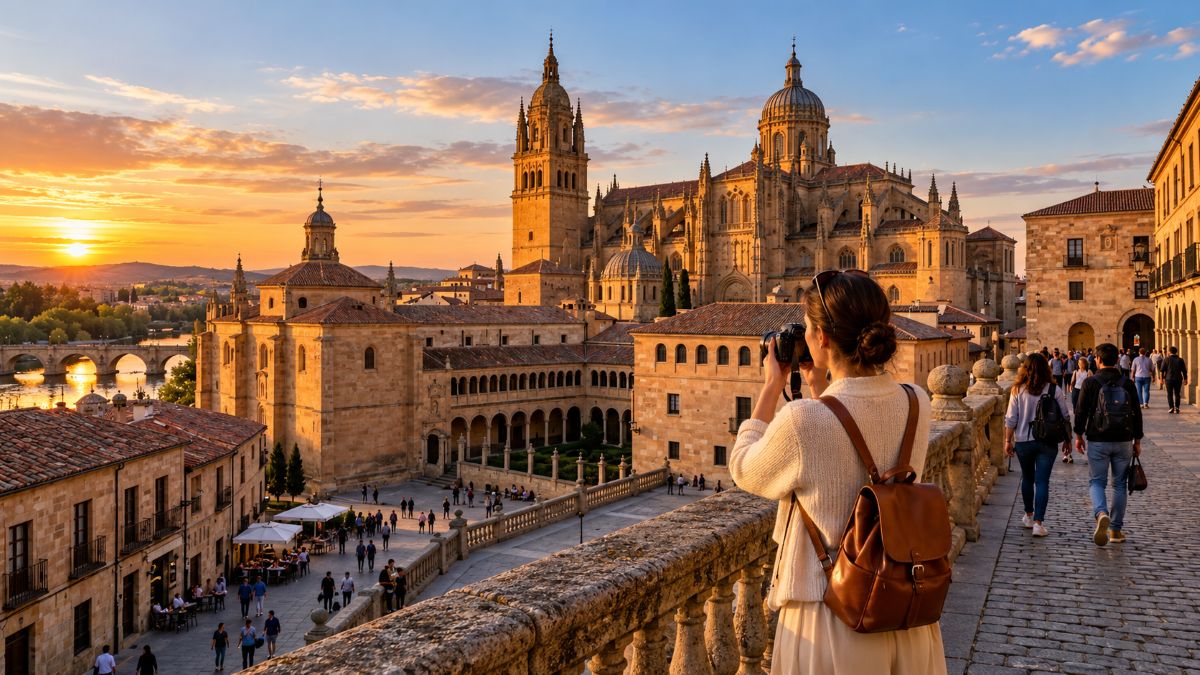
Spain is drawing attention to Salamanca as travellers increasingly seek destinations that offer historical depth, distinctive architecture and authentic local experiences beyond the country’s busiest urban centres. Located in the western part of Castilla y León, Salamanca combines a celebrated university tradition, monumental religious buildings, lively public squares and a distinctive golden sandstone landscape. Its historic centre, recognised as a UNESCO World Heritage Site, provides a compelling introduction to Spain’s architectural and cultural legacy while retaining the character of a functioning university city. Its appeal also connects with wider cultural travel trends across Portugal, France and Italy, where historic cities, heritage landmarks and regional traditions continue to attract visitors seeking meaningful European experiences.
Often called the Golden City, Salamanca offers a different perspective on Spanish travel, balancing heritage exploration with contemporary cafés, student nightlife, regional cuisine and peaceful gardens. Although it does not attract the same international attention as Barcelona, Madrid or Seville, its attractions make it an appealing option for travellers seeking a more measured city break. Its location in western Spain also creates opportunities to connect Spanish cultural experiences with neighbouring Portugal, particularly through wider journeys across the Iberian Peninsula. Meanwhile, travellers exploring heritage destinations in France, Italy and Greece may find Salamanca an appealing addition to a European itinerary focused on historic architecture, university traditions, gastronomy and local culture. The destination demonstrates how regional tourism can encourage visitors to explore Spain beyond its most established holiday hotspots, supporting local businesses and cultural institutions while creating opportunities for longer, more varied international travel experiences.
Advertisement
Advertisement
Spain Strengthens Its Cultural Travel Appeal Through Salamanca
Spain’s tourism appeal extends well beyond its Mediterranean coastlines, internationally recognised museums and celebrated metropolitan destinations. Salamanca illustrates the value of inland cultural tourism, where historic streets, architectural landmarks and everyday community life combine to create an experience shaped by centuries of development.
Situated on the River Tormes, approximately two and a half hours by road from Madrid under suitable traffic conditions, Salamanca is the capital of its namesake province in Castilla y León. Its population is approximately 145,000, giving the city a substantial urban identity without the scale of Spain’s largest metropolitan areas.
Advertisement
Advertisement
For visitors, the combination of manageable distances and a concentrated historic centre makes Salamanca particularly suitable for walking holidays. Travellers can explore major monuments, independent businesses, public gardens and traditional restaurants without relying heavily on motorised transport within the central districts.
The destination’s appeal rests on its ability to combine historical significance with an active contemporary atmosphere. Students, residents, cultural visitors and international language learners contribute to a city that remains lived in rather than functioning exclusively as a tourist attraction.
Advertisement
Advertisement
University Of Salamanca Preserves A Remarkable Academic Legacy
The University of Salamanca is central to the city’s identity and remains one of its most significant attractions. Founded in 1218 under King Alfonso IX of León, it developed into an important centre of European scholarship during the medieval period and subsequently became associated with influential intellectual debates in law, theology, language and philosophy.
Its long history continues to shape the city’s atmosphere. Academic buildings, historic courtyards and university-related landmarks sit alongside cafés, bookshops and student gathering places, creating a distinctive relationship between heritage and contemporary life.
Advertisement
Advertisement
One of the university’s most famous features is its elaborately decorated Plateresque façade. Visitors traditionally search for a small carved frog positioned on a skull within the intricate stonework. Local legend associates finding the frog without assistance with good fortune in examinations, although the story belongs to popular tradition rather than any verifiable promise of academic success.
The façade rewards patient observation, as its elaborate carvings contain numerous decorative details that can easily be overlooked. For cultural travellers, the building offers an opportunity to appreciate the craftsmanship of Spanish Renaissance architecture while discovering the stories that communities attach to historic monuments.
The university’s influence also supports Salamanca’s reputation as a destination for Spanish-language learning. International students contribute to the local economy and help maintain a lively social environment throughout the academic year.
Salamanca’s Golden Architecture Defines Its Historic Centre
Salamanca’s distinctive appearance owes much to the local sandstone used in many of its historic buildings. Under daylight, the stone takes on warm golden and ochre tones, creating the visual impression that gives the city its enduring nickname, the Golden City.
Advertisement
Advertisement
The effect becomes particularly striking in the late afternoon and early evening, when changing sunlight brings out the texture of façades, towers and ornamental stonework. This architectural character gives the city considerable appeal for photographers, architecture enthusiasts and visitors interested in historic urban landscapes.
The old town was inscribed on the UNESCO World Heritage List in 1988, reflecting its exceptional concentration of historic architecture and the importance of its urban ensemble. Rather than relying on a single monument, Salamanca presents an interconnected landscape of religious buildings, university structures, palaces, squares and traditional streets.
Walking through the centre reveals how different architectural periods have shaped the city. Romanesque foundations, Gothic features, Renaissance ornamentation and Baroque compositions appear within relatively short distances, offering an accessible introduction to the evolution of Spanish architecture.
The best approach is to explore without rushing between attractions. Allowing time for smaller lanes, courtyards and quieter corners can reveal details that are less apparent during a tightly scheduled sightseeing tour.
The Old And New Cathedrals Form An Extraordinary Landmark
The cathedral complex is among Salamanca’s most prominent architectural attractions. Its two adjoining buildings, the Old Cathedral and the New Cathedral, represent different periods of religious architecture and illustrate the city’s historical development.
The Old Cathedral, known as the Catedral Vieja de Santa María de la Sede, dates largely to the Romanesque period, with construction beginning during the twelfth century. Its architectural character includes substantial masonry, rounded forms and a historic tower commonly known as the Torre del Gallo.
Advertisement
Advertisement
Beside it stands the New Cathedral, the Catedral Nueva de la Asunción de la Virgen, whose construction began in the sixteenth century and continued into the eighteenth century. Its design incorporates late Gothic traditions alongside Renaissance and Baroque elements, producing a monumental structure that dominates much of the surrounding skyline.
Together, the buildings create an unusually rich architectural ensemble. Visitors can examine their interiors, appreciate the scale of their towers and learn how religious institutions shaped Salamanca’s urban identity over successive centuries.
Certain visitor experiences include access to elevated areas and rooftops, subject to opening arrangements and ticket conditions. These viewpoints can provide memorable perspectives across the cathedral complex, the old town and the surrounding urban landscape. Visitors should confirm current access arrangements before travelling.
Plaza Mayor Remains The Centre Of City Life
The Plaza Mayor is one of Salamanca’s defining public spaces and a natural starting point for exploring its historic centre. Surrounded by an elegant Baroque architectural complex, the square brings together monumental design and everyday urban activity.
The town hall occupies a prominent position along its northern side, while arcaded walkways and surrounding buildings create a cohesive architectural setting. During the day, residents and visitors cross the square, meet friends, browse nearby shops and pause at outdoor cafés.
The plaza is especially appealing to travellers who want to experience Salamanca beyond formal sightseeing. Sitting down for coffee provides an opportunity to observe the rhythm of the city, from university students meeting between classes to visitors photographing the surrounding façades.
Advertisement
Advertisement
In the evening, the square develops a different atmosphere as restaurants and cafés become busier. Its central location also makes it a practical reference point for navigating nearby streets and connecting several major attractions on foot.
Although Salamanca is often presented as a quieter alternative to Spain’s busiest destinations, the Plaza Mayor can become crowded during holidays, weekends and major events. Visiting earlier in the day or later in the evening may provide a more relaxed experience.
Casa Lis Introduces Visitors To Art Nouveau And Art Deco
For travellers interested in decorative arts, Casa Lis provides a different perspective on Salamanca’s cultural offering. The striking building, distinguished by its glass-and-iron architecture, houses the Museum of Art Nouveau and Art Deco.
Its collections explore decorative design through objects that include sculptures, lamps, furniture, glasswork and other examples of artistic craftsmanship. These exhibits broaden the city’s cultural appeal beyond religious architecture and university history, demonstrating the variety of experiences available within its historic centre.
The building itself is an important part of the visit. Its colourful glass elements and distinctive structure create a contrast with the stone façades that dominate much of Salamanca’s older streetscape.
Visitors should check current museum policies before arriving, particularly regarding photography, exhibitions, ticket arrangements and opening times. These practical details can change and should not be assumed from older travel information.
Advertisement
Advertisement
Casa Lis also illustrates why Salamanca can appeal to repeat visitors. Travellers who have already explored the principal monuments can discover collections and architectural details that offer a different understanding of the city’s artistic development.
Casa De Las Conchas And Hidden Gardens Add Variety
Another distinctive landmark is Casa de las Conchas, or the House of Shells. Its Gothic façade is decorated with more than 300 stone scallop shells, making it one of the city’s most recognisable historic buildings.
The shells provide an unusual decorative feature and are closely associated with the symbolism of the Camino de Santiago pilgrimage routes. The building’s history, however, is also connected to the city’s aristocratic and civic life, reflecting the architectural ambitions of Salamanca’s historic elite.
The property now accommodates a public library and cultural facilities, subject to the arrangements in place at the time of visiting. Its combination of historic architecture and contemporary public use demonstrates how heritage buildings can remain relevant to everyday urban life.
A short distance away, the Huerto de Calixto y Melibea offers a quieter setting. This small garden, associated with the literary tradition of La Celestina, features winding paths, greenery and elevated views towards parts of the historic city.
The garden is particularly suitable for travellers seeking a break between museum visits and architectural sightseeing. Together, Casa de las Conchas and Huerto de Calixto y Melibea demonstrate that Salamanca’s appeal extends beyond its largest monuments to include smaller cultural spaces and peaceful corners.
Advertisement
Advertisement
Salamanca’s Regional Cuisine Encourages Longer Stays
Food is an important part of experiencing Salamanca and the wider province. Regional traditions draw on local agricultural production, meat-based dishes, cured products and the broader culinary heritage of Castilla y León.
One of the best-known specialities is hornazo, a savoury pastry traditionally filled with pork products and other ingredients, depending on the recipe. It is strongly associated with Salamanca and is particularly connected with local celebrations and regional food traditions.
Ibérico ham from Guijuelo, a town in Salamanca province, is another notable regional product. Its reputation reflects the wider Spanish tradition of producing cured ham under specific regional and production conditions. Visitors interested in local food can look for opportunities to learn about the product’s origins and the practices behind its preparation.
The city’s university population also supports a broad range of contemporary dining options. Visitors can find cafés, international restaurants and establishments offering vegetarian dishes alongside traditional Castilian cooking, although menus and dietary provisions vary by venue.
Meal times may differ from those familiar to visitors from northern Europe. Lunch can be substantial, while evening dining often begins later than in some other countries. Allowing flexibility for meals can make a city break feel less hurried and create opportunities to experience local dining culture.
Travel Planning Requires Attention To Seasons And Transport
Salamanca does not have a major international airport serving the city directly, so many international visitors arrive through Madrid and continue by rail, coach or hire car. The most suitable option depends on schedules, accommodation location, luggage and the wider itinerary.
Advertisement
Advertisement
Rail services provide a practical alternative to driving, although travellers should check current timetables, journey durations and departure stations before booking. Coach connections may also be available, while driving can offer greater flexibility for exploring other destinations across Castilla y León.
Spring and autumn are often attractive seasons for walking around Salamanca because daytime conditions can be more comfortable than during the hottest part of summer. Summer temperatures can exceed 30°C, while winter nights may be cold, so visitors should check forecasts and pack accordingly.
| Travel consideration | Practical guidance |
|---|---|
| Main arrival gateway | Madrid is a common international arrival point |
| onward transport | Compare rail, coach and hire-car options |
| Ideal sightseeing approach | Explore the historic centre on foot |
| Recommended seasons | Spring and autumn for generally milder conditions |
| Summer preparation | Carry water and plan breaks during hot afternoons |
| Winter preparation | Bring warm clothing for cold mornings and evenings |
| Cultural highlights | University, cathedral complex, Plaza Mayor and museums |
| Food experiences | Try hornazo and regional products from Guijuelo |
| Accommodation planning | Compare central locations with quieter neighbourhoods |
| Visitor preparation | Check attraction opening times and access conditions |
Travellers planning to combine Salamanca with other destinations can consider a wider itinerary through Castilla y León. However, journey times and transport connections should be checked individually rather than assuming that every regional attraction is easily accessible by public transport.
Regional Tourism Offers An Alternative To Spain’s Busiest Cities
Salamanca’s appeal reflects a broader opportunity for Spain’s tourism sector. While major cities remain important international gateways, lesser-known destinations can encourage visitors to discover different regions, extend their stays and distribute tourism spending across a wider geographical area.
A university city with a UNESCO-listed historic centre offers several advantages for this approach. Its cultural attractions can support visits throughout much of the year, while restaurants, accommodation providers, museums, guides and local shops benefit when travellers spend more time in the destination.
However, Salamanca should not automatically be described as free from tourism pressure. Popular landmarks and the Plaza Mayor can become busy during peak periods, and the growth of visitor numbers requires attention to heritage conservation, public-space management and residents’ quality of life.
Advertisement
Advertisement
Responsible travel can help visitors contribute positively to the city. Choosing locally operated businesses, respecting historic buildings, following museum rules and exploring beyond the busiest streets can support a more balanced visitor experience.
Salamanca’s greatest strength is the relationship between its built heritage and contemporary life. Its monuments are not isolated attractions but part of a city where education, commerce, food and public culture continue to shape the urban environment.
Why Salamanca Deserves A Place On Spain’s Travel Map
Salamanca offers a distinctive combination of architectural beauty, academic history, regional cuisine and an energetic social atmosphere. Its golden sandstone buildings provide a memorable visual identity, while the university, cathedral complex and historic public spaces give visitors substantial opportunities to explore Spanish heritage.
The city is particularly suited to travellers who value walking, cultural discovery and a slower pace than that of larger metropolitan destinations. Its museums and gardens also provide variety for visitors who want to balance major landmarks with quieter experiences.
Good planning remains essential. Transport schedules, attraction access, seasonal weather and accommodation availability can influence the quality of a visit, particularly during busy periods. Checking these details before departure helps travellers make better use of their time.
Ultimately, Salamanca demonstrates that Spain’s cultural richness extends well beyond its best-known urban centres. For visitors seeking history, architecture and everyday Castilian life within one accessible destination, the Golden City offers a compelling reason to look inland.
Advertisement
Advertisement
Frequently Asked Questions About Salamanca
1. Where Is Salamanca Located In Spain?
Salamanca is located in western Spain, in the autonomous community of Castilla y León, close to the River Tormes.
2. Why Is Salamanca Known As The Golden City?
The nickname refers to the warm golden appearance of its sandstone buildings, particularly when illuminated by afternoon and evening sunlight.
3. Is Salamanca A UNESCO World Heritage Site?
Yes. Salamanca’s historic old town was inscribed on the UNESCO World Heritage List in 1988 because of its architectural and historical significance.
Advertisement
Advertisement
4. What Is Salamanca Most Famous For?
The city is renowned for its historic university, adjoining cathedrals, Plaza Mayor, golden sandstone architecture and lively student culture.
5. When Is The Best Time To Visit Salamanca?
Spring and autumn are generally attractive seasons for sightseeing because temperatures are often milder than during the hottest summer months.
6. How Can International Travellers Reach Salamanca?
Many international visitors fly to Madrid and continue to Salamanca by train, coach or hire car. Travellers should compare current schedules before booking.
Advertisement
Advertisement
7. What Can Visitors See At The University Of Salamanca?
Visitors can admire historic academic buildings and the elaborate university façade, famous for a carved frog hidden among its decorative stonework.
8. What Food Should Travellers Try In Salamanca?
Hornazo is a regional speciality, while Ibérico ham associated with Guijuelo is another recognised product. Vegetarian and international dining options are also available.
9. Is Salamanca Suitable For A Walking Holiday?
Yes. Many major attractions are concentrated within or near the historic centre, making walking a practical way to explore the city.
Advertisement
Advertisement
10. How Many Days Should Visitors Spend In Salamanca?
One full day can cover several major landmarks, but two or three days allow more time for museums, regional food, gardens and a relaxed exploration of the historic streets.
Advertisement
