
France’s Mountain Destinations Emerge as Summer 2026 Winners as Heatwaves Push Travellers Toward Cooler Escapes

Published
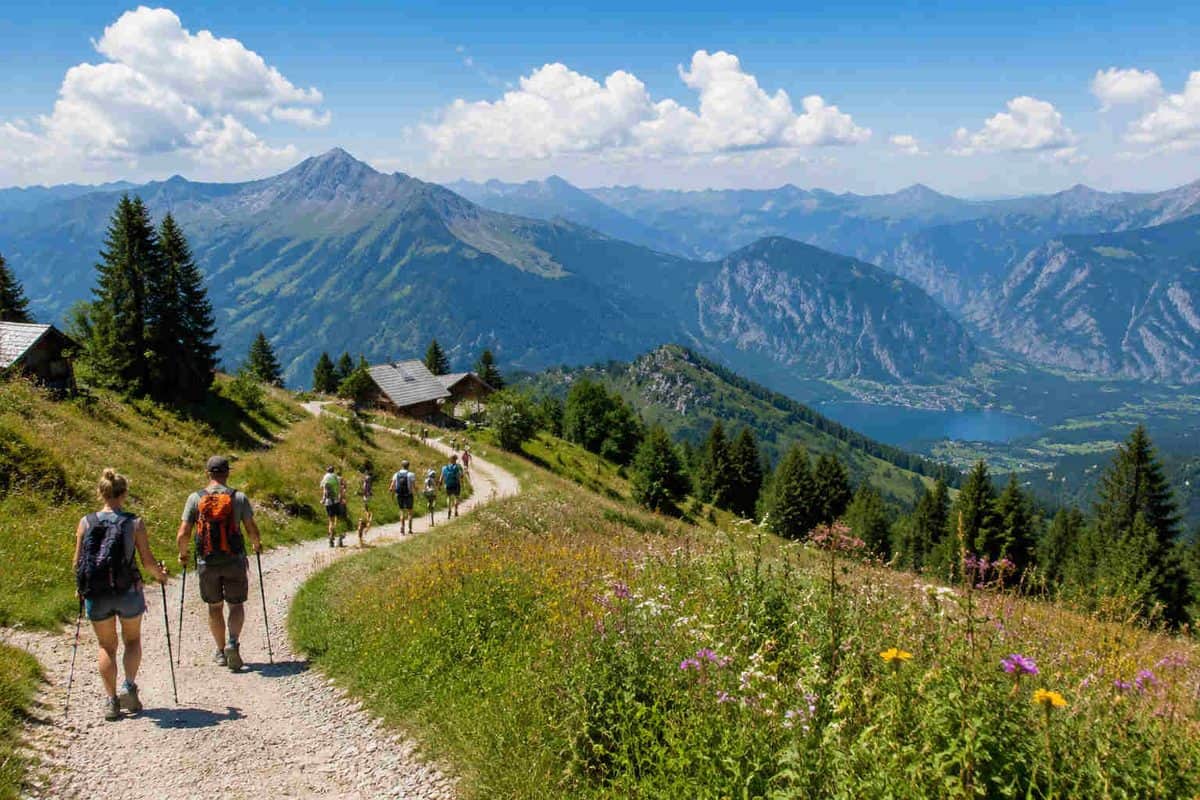
Image generated with Ai
France’s mountain tourism is among the top performers of the 2026 summer season thanks to the 2026 heat wave and traveler preference shifts due to extreme heat, droughts, and wildfires. The mountain resorts did not record a sudden increase in the number of visitors, but early data shows that mountain resorts with a higher elevation reported benefits of lower temperatures and more dramatic natural mountain scenery that appealed to travelers seeking relief from the summer heat.
Across France, the unusually hot summer reshaped traditional holiday patterns. Coastal areas, urban destinations and regions affected by extreme weather faced greater challenges, while mountain areas gained attention as comfortable alternatives for domestic and international visitors. The season highlighted a growing shift in tourism behaviour, with climate conditions increasingly influencing where people choose to spend their holidays.
Advertisement
Advertisement
Cooler French mountains attract travellers seeking relief from extreme summer heat
Mountain resorts across France recorded a stronger-than-expected performance during the 2026 summer season. Accommodation occupancy levels improved compared with the previous year, showing that travellers increasingly looked toward alpine and highland destinations when temperatures climbed across much of Europe.
Data from mountain tourism organisations indicated that resort accommodation occupancy reached around two-thirds capacity during the peak summer period. The strongest momentum appeared between July and August, when many visitors moved away from hotter destinations and searched for cooler environments, outdoor activities and nature-based experiences.
Advertisement
Advertisement
Unlike previous summers when mountain tourism was often associated mainly with winter skiing, French alpine regions continued strengthening their position as year-round destinations. Hiking, cycling, wellness retreats, adventure sports and scenic escapes helped attract visitors beyond the traditional snow season.
Advertisement
Advertisement
The summer results also demonstrated the growing importance of climate resilience in tourism planning. Destinations offering moderate temperatures and outdoor experiences are increasingly benefiting from changing travel habits linked to global warming.
Alpine resorts maintain stability despite changing holiday trends
The French Alps remained among the major beneficiaries of the summer travel shift. Tourism professionals across several alpine areas reported stable or improved visitor activity compared with the previous season.
In departments such as Savoie, resort operators observed steady demand throughout the main holiday months. Commercial accommodation occupancy remained broadly comparable with 2025 levels, while certain periods showed stronger activity than the previous year.
Advertisement
Advertisement
Areas surrounding major natural attractions performed particularly well. Lakes, mountain villages and outdoor recreation zones attracted visitors looking for alternatives to crowded beaches and overheated cities.
The performance reflected a wider transformation in summer tourism. Travellers are increasingly choosing destinations where they can combine relaxation with active experiences, including hiking trails, water activities, cultural visits and local gastronomy.
Advertisement
Advertisement
Mountain destinations have also invested heavily in diversifying their tourism offer. Many resorts that once depended almost entirely on winter sports have developed summer programmes designed to attract families, international visitors and younger travellers.
Mountain tourism shows resilience compared with coastal and urban destinations
The stronger performance of mountain areas became more visible when compared with other major French tourism regions facing difficult conditions during the summer season.
Several coastal destinations struggled with the effects of extreme temperatures, wildfire concerns and changing visitor behaviour. Major cities also faced challenges as some travellers avoided hot urban environments during peak heat periods.
Mountain destinations benefited from their ability to provide natural cooling, open spaces and outdoor experiences. The combination of fresh air, lower temperatures and access to nature helped position the mountains as attractive summer alternatives.
Tourism analysts have increasingly identified this trend as part of a broader climate adaptation movement within the travel industry. Destinations that can offer comfortable conditions during extreme weather periods are gaining a competitive advantage.
Advertisement
Advertisement
The 2026 summer season showed that tourism demand is becoming more closely connected to environmental conditions. Weather patterns are no longer only affecting travel operations; they are influencing destination choices and visitor expectations.
French mountain resorts strengthen year-round tourism strategy
The success of summer 2026 reinforces the importance of France’s long-term strategy to develop mountain destinations beyond winter tourism.
Many resorts have expanded their summer activities to reduce dependence on ski seasons, which face increasing uncertainty due to changing snowfall patterns. Investments in hiking infrastructure, cycling routes, cultural events, wellness facilities and family attractions have helped create a more balanced tourism economy.
This transformation has allowed mountain communities to welcome visitors throughout the year while supporting local businesses, accommodation providers and outdoor activity operators.
The summer performance also reflects the growing popularity of sustainable and experience-focused travel. Many visitors are seeking slower holidays, natural surroundings and authentic local experiences rather than traditional high-density tourism.
Advertisement
Advertisement
French mountain regions are increasingly positioned to benefit from this shift. Their combination of landscapes, cooler climates and outdoor opportunities matches the changing priorities of many modern travellers.
Climate change reshapes Europe’s summer travel map
The summer of 2026 provided another example of how climate conditions are influencing global tourism patterns. As heatwaves become more frequent and intense, travellers are reconsidering traditional summer destinations and exploring locations with more comfortable conditions.
France’s mountain regions have become a clear example of this transformation. Although visitor growth remained moderate rather than explosive, the sector demonstrated strong resilience and maintained stable demand during a challenging season.
The results suggest that mountain tourism could play an increasingly important role in France’s future travel economy. Destinations capable of adapting to climate challenges and offering diverse experiences may continue attracting visitors as weather patterns evolve.
For French mountain communities, the 2026 summer season represented more than a successful holiday period. It showed how changing environmental realities are creating new opportunities for destinations prepared to respond to the future of travel.
Advertisement
