

Singapore and Key Asia-Pacific Destinations Including Thailand, Vietnam, Cambodia, Malaysia, Japan and UAE See Accelerated Growth in Short-Haul Tourism as Travellers Move Away from Long-Haul Itineraries Amid Escalating Middle East Instability Concerns

Published
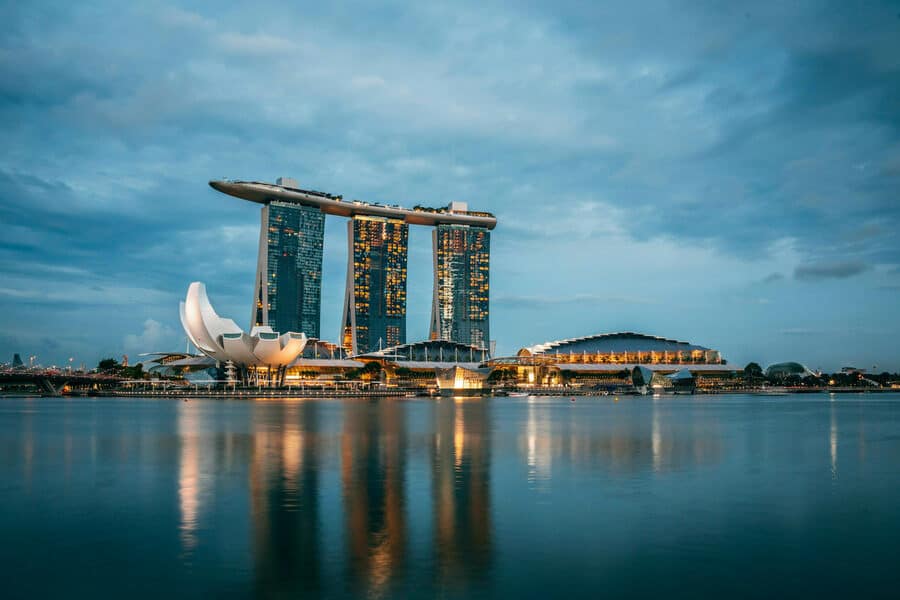
A major shift in global tourism patterns is unfolding as Singapore joins Thailand, Vietnam, Cambodia, Malaysia, Japan and the UAE in witnessing a strong rise in short-haul travel demand, driven by ongoing Middle East disruptions that continue to affect long-haul air connectivity and passenger confidence. As geopolitical tensions and route uncertainties reshape aviation networks, travellers across Asia-Pacific are increasingly opting for nearby destinations that offer greater predictability, lower travel complexity, and shorter flight times. This change is not only redefining regional tourism flows but also strengthening Asia’s position as the world’s most dynamic and resilient travel market in the current uncertain global environment.
A major transformation is unfolding across global travel networks, and it is being felt most sharply in Asia-Pacific. As geopolitical tensions linked to instability in the Middle East continue to disrupt air corridors and raise operational uncertainty for airlines, travellers are increasingly reshaping how they move across borders.
Instead of long-haul, multi-stop journeys that depend heavily on transit hubs in the Gulf, a growing number of tourists are choosing shorter, safer, and more predictable regional routes. This “stay closer to home” behaviour is not a temporary adjustment. It is emerging as a structural shift in tourism demand across Asia.
Countries like Singapore, Thailand, Vietnam, Cambodia, Malaysia, Japan, and the United Arab Emirates are now standing at the centre of this shift, each experiencing a unique but interconnected impact as global tourism flows reorganise themselves.
Advertisement
Advertisement
Singapore: a strategic hub strengthened by regional travel gravity
Singapore is emerging as one of the most stable beneficiaries of the “short-haul tourism” surge. As a highly connected aviation and business hub, Singapore has long depended on international traffic from both East and West. However, with long-haul itineraries becoming more complex due to rerouting and rising fuel costs, regional travel demand is gaining stronger momentum.
Tourists from neighbouring ASEAN countries are increasingly choosing Singapore for short city breaks, shopping tourism, and business leisure combinations. The country’s compact geography and efficient transport infrastructure make it particularly attractive when travellers prefer simplicity over multi-leg journeys. This shift is reinforcing Singapore’s role as a safe, predictable destination in an otherwise volatile global travel environment.
Advertisement
Advertisement
Thailand: one of Asia’s strongest short-haul tourism magnets

Thailand continues to stand at the forefront of Asia’s tourism recovery and transformation. Known for its beaches, cultural attractions, and affordability, Thailand is now benefiting even more from the regional travel shift.
As long-haul visitors from Europe and the Americas become more cautious due to complex flight routing and higher costs, regional travellers from Asia are filling the gap. Markets such as India, China, Malaysia, and Singapore are driving strong demand for short stays in Bangkok, Phuket, and Chiang Mai.
Advertisement
Advertisement
Thailand’s tourism model is increasingly aligned with regional convenience travel, where flexibility and short planning cycles are becoming more important than extended international itineraries.
Vietnam: rising appeal in regional leisure and value travel

Vietnam is experiencing a steady rise in short-haul tourism demand, supported by its growing reputation as a high-value destination. Cities like Hanoi, Ho Chi Minh City, and Da Nang are attracting travellers seeking cultural depth, coastal relaxation, and affordability.
The ongoing global uncertainty around long-haul travel routes is making Vietnam more appealing to Asian travellers who want quick access without complex transit dependencies. Regional airlines are also increasing connectivity within ASEAN, further strengthening Vietnam’s position as a key beneficiary of the intra-Asia travel wave.
This shift is not just increasing visitor numbers but also changing travel patterns toward shorter, more frequent trips.
Advertisement
Advertisement
Cambodia: cultural tourism strengthened by regional accessibility

Cambodia is witnessing a renewed interest in cultural and heritage tourism, particularly driven by regional visitors. Angkor Wat and Siem Reap remain powerful attractions, but what is changing is how tourists are arriving.
Instead of long-haul travellers planning extended itineraries, Cambodia is increasingly seeing short-haul tourists combining it with nearby destinations such as Thailand and Vietnam. This “multi-country ASEAN loop” is becoming more common as travellers avoid long intercontinental flights.
The result is a tourism model that is more flexible, regional, and less dependent on distant markets, helping Cambodia maintain steady recovery momentum.
Malaysia: benefiting from ASEAN connectivity and flexible travel demand

Malaysia is strategically positioned in the middle of this regional travel shift. Kuala Lumpur continues to function as a key transit and leisure hub, while destinations such as Langkawi, Penang, and Sabah are gaining strong regional traction.
As travellers reduce long-haul dependence, Malaysia is benefiting from its strong ASEAN connectivity. Short flights from Singapore, Thailand, Indonesia, and Vietnam are driving consistent tourism flows. This has also encouraged airlines to focus more on intra-Asia routes, reinforcing Malaysia’s position as a core short-haul destination.
The trend is gradually reshaping Malaysia’s tourism strategy toward regional repeat visitors rather than one-time long-haul arrivals.
Advertisement
Advertisement
Japan: high-value short-haul destination in East Asia

Japan stands out as one of the strongest beneficiaries of Asia’s short-haul tourism expansion. Already a global tourism powerhouse, Japan is now seeing increased reliance on regional travellers from South Korea, China, Taiwan, and Southeast Asia.
Japan’s appeal lies in its combination of safety, infrastructure quality, seasonal tourism experiences, and cultural uniqueness. With long-haul travel becoming more complex for many global travellers, Japan’s proximity to major Asian markets is a key advantage.
Cities like Tokyo, Osaka, and Kyoto are witnessing strong demand for short, high-frequency trips rather than long, extended stays. This reinforces Japan’s position as a premium regional destination.
United Arab Emirates: transit hub adjusting to shifting global routes

The United Arab Emirates occupies a different but critical position in this evolving landscape. As one of the world’s most important aviation transit hubs, the UAE is directly affected by changes in long-haul routing patterns linked to Middle East airspace instability.
Dubai and Abu Dhabi have traditionally thrived on long-haul connecting traffic between Europe, Asia, and Africa. However, disruptions in regional air corridors are encouraging airlines and travellers to reassess route efficiency.
While UAE remains a dominant global hub, it is increasingly adapting by strengthening regional tourism, luxury stopovers, and short-stay experiences to offset volatility in transit-driven demand.
Advertisement
Advertisement
A structural shift, not a temporary reaction
What is emerging across all these destinations is not a short-term behavioural response but a structural reconfiguration of global tourism flows.
The combined impact of geopolitical tension, higher fuel costs, and aviation uncertainty is pushing travellers toward predictability. Short-haul travel offers exactly that: fewer connections, lower risk exposure, and greater flexibility.
This is why destinations across Singapore, Thailand, Vietnam, Cambodia, Malaysia, Japan, and the UAE are now increasingly aligned within the same travel ecosystem, even though their tourism models differ significantly.
The “stay closer to home” trend is reshaping global tourism geography in real time. As long-haul routes face pressure from external disruptions, Asia-Pacific is becoming the strongest beneficiary of redirected travel demand.
The result is a more regionalised, resilient, and interconnected tourism system where short-haul travel is no longer an alternative—it is becoming the default choice for millions of travellers.
Singapore joins Thailand, Vietnam, Cambodia, Malaysia, Japan and the UAE as Asia-Pacific tourism shifts strongly toward short-haul travel, driven by ongoing Middle East disruptions that are making long-haul routes less predictable and encouraging travellers to stay closer to home for safer, faster, and more reliable journeys.
If current geopolitical and aviation conditions persist, this shift is likely to deepen further, reinforcing Asia-Pacific’s role as the world’s most dynamic and adaptive tourism region.
Advertisement
