

Italy Steps Up With Spain and Others in Propelling a Jump in European Tourism Growth From the Previous Year in 2026

Updated
Published
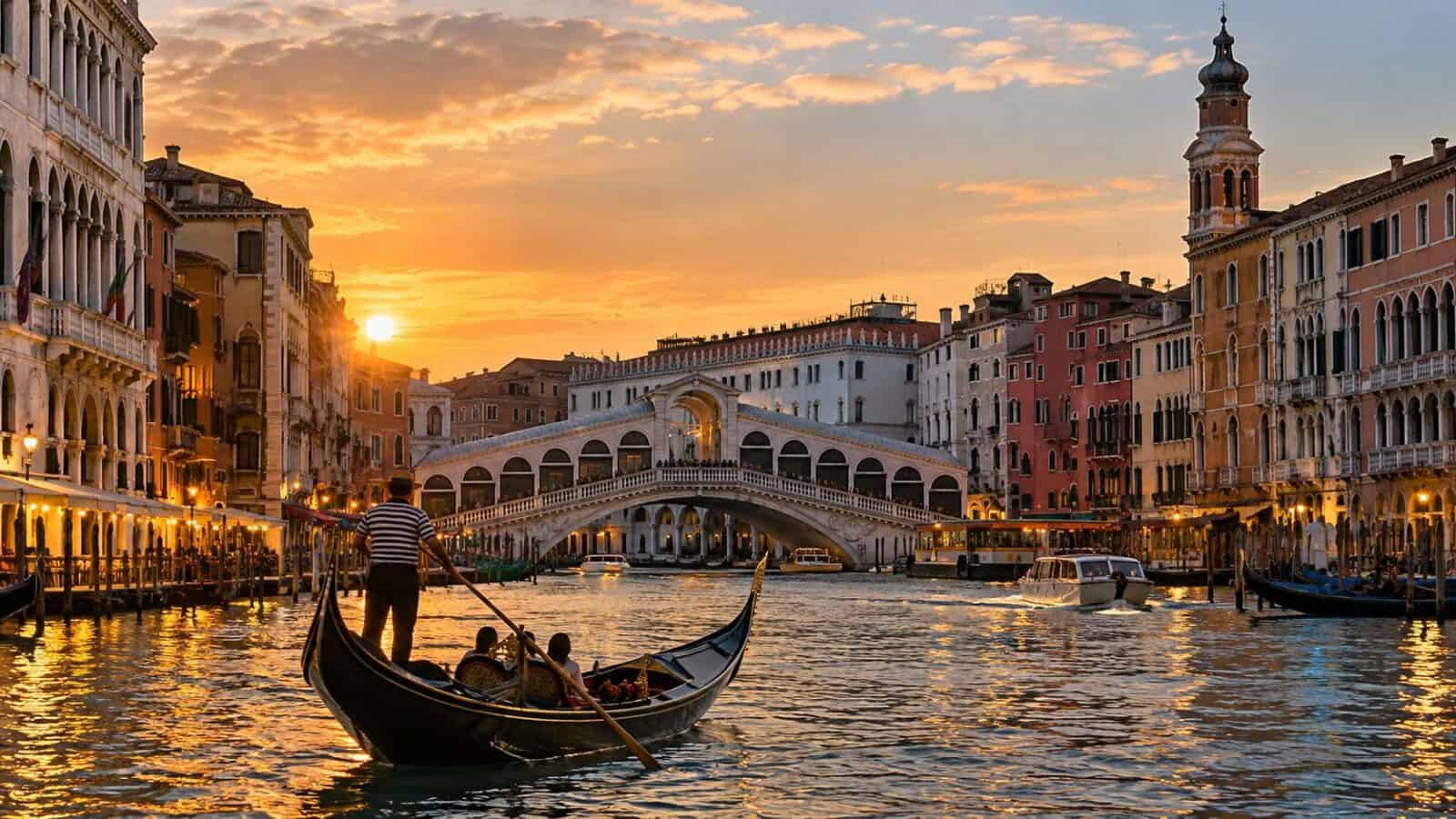
Italy steps up with Spain and other leading destinations, including Türkiye, France and Malta, in propelling a jump in European tourism growth from the previous year in 2026, driven by stronger international visitor spending, rising leisure travel demand and expanding business tourism. According to the World Travel & Tourism Council (WTTC), Europe’s travel and tourism sector is forecast to grow by 3.1% in 2026, accelerating from 2.6% in 2025. Italy leads the highlighted leisure-spending forecasts with projected growth of 4.7%, followed by Spain at 4.3% and Türkiye at 4.1%, while France continues to support regional tourism demand and Malta strengthens its tourism economy. This collective momentum reflects Europe’s established transport networks, diverse cultural attractions, Mediterranean holiday destinations and sustained international travel demand, supporting hotels, airlines, restaurants and tourism businesses across the continent.
European Tourism Growth Accelerates From 2.6% in 2025 to 3.1% in 2026
Europe’s travel and tourism industry is expected to expand faster than the wider regional economy in 2026. WTTC forecasts sector growth of 3.1%, compared with 2.6% in 2025. This represents an acceleration of 0.5 percentage points and reflects continued demand for holidays, business trips and international travel.
Established air networks, rail connections, cultural attractions and accommodation infrastructure support Europe’s tourism industry. The sector also accounts for approximately one in ten jobs across the region, making its performance important for employment, investment and local business activity.
European Tourism Economic Forecast for 2026
| Tourism indicator | 2026 forecast | Economic significance |
|---|---|---|
| Travel and tourism sector growth | 3.1% | Expansion in tourism’s economic contribution |
| Previous year’s sector growth | 2.6% | Growth recorded in 2025 |
| International visitor spending | +5.8% | Stronger expenditure by overseas visitors |
| Business travel spending | +4.2% | Increased corporate and professional travel |
| Leisure travel spending | +3.1% | Continued demand for holidays and recreation |
| Employment contribution | Approximately 1 in 10 jobs | Tourism’s importance to Europe’s workforce |
Italy Leads Southern European Leisure Tourism Growth With a Projected 4.7% Increase
Italy is expected to record 4.7% growth in leisure tourism spending during 2026, compared with 2.2% in 2025. This places the country ahead of Spain, Türkiye and France in WTTC’s earlier country-level leisure-spending forecasts. Rome, Florence, Venice, Milan and the Amalfi Coast continue to attract visitors through their historic landmarks, food, cultural attractions and coastal holiday experiences.
Advertisement
Advertisement
Italy’s tourism economy extends well beyond its best-known cities. Tuscany’s rural accommodation businesses, northern Italy’s lakes, Sicily’s coastal resorts and the country’s mountain destinations serve different visitor markets throughout the year. Growth in leisure expenditure could support hotels, restaurants, museums, transport providers and regional tourism businesses, although visitor congestion and pressure on local infrastructure remain concerns in popular destinations.
Spain Strengthens European Tourism Growth With a 4.3% Rise in Leisure Spending
Spain is forecast to achieve 4.3% growth in leisure tourism spending during 2026, following an increase of 2.6% in 2025. The country’s Mediterranean coastline, cultural cities and island destinations continue to attract visitors from European and long-haul markets. Barcelona, Madrid, Valencia, Seville, the Balearic Islands and the Canary Islands provide tourism experiences ranging from beach holidays to heritage visits.
Advertisement
Advertisement
Spain’s extensive accommodation industry and international air connections support demand throughout the year. However, tourism growth also creates challenges in destinations facing pressure on housing, water resources and public services. Regional authorities are increasingly concerned with managing visitor flows and spreading demand beyond crowded attractions. Higher spending per visitor could become an important measure of tourism performance alongside arrivals.
Türkiye Supports European Tourism Expansion With 4.1% Leisure Spending Growth
Türkiye is projected to record a 4.1% increase in leisure travel spending during 2026. Istanbul, Antalya, Bodrum, Cappadocia and the Aegean coastline remain major destinations for international travellers. The country attracts visitors through its historic attractions, Mediterranean resorts, food culture and established hospitality industry, while its geographic position between Europe and Asia supports international travel connections.
Advertisement
Advertisement
Türkiye’s aviation network is particularly important to its tourism performance. Istanbul operates as a major international connecting hub, while coastal airports serve the country’s established leisure destinations. Competitive accommodation, organised holidays and cultural experiences attract different visitor groups. However, exchange-rate movements, inflation and rising operating expenses can influence holiday prices and tourism business profitability throughout the year.
France Maintains European Tourism Demand With a 2.6% Increase in Leisure Spending
France is expected to record 2.6% growth in leisure tourism spending in 2026, compared with an increase of 3.6% in 2025. Although its projected growth rate is lower than those of Italy, Spain and Türkiye, France remains one of Europe’s largest tourism economies. Paris, Provence, the French Riviera, Normandy and the Alpine regions attract visitors for culture, gastronomy, coastal holidays and outdoor recreation.
France benefits from tourism demand across several seasons. Paris attracts leisure travellers and international business visitors, while Mediterranean destinations are popular during summer and mountain resorts serve winter tourism markets. This variety helps maintain activity across different regions. Nevertheless, accommodation prices, transport capacity and overcrowding at major attractions continue to influence how destinations manage visitor demand.
Malta Records 16.8% Tourism Growth in 2025 as Its Economic Contribution Reaches New Heights
Malta has emerged as a notable European tourism performer following a 16.8% increase in travel and tourism’s contribution to GDP in 2025. WTTC forecasts that the sector will contribute approximately US$4.9 billion to Malta’s economy during 2026, representing 16.9% of national GDP. Tourism is also expected to support more than one in five jobs across the Mediterranean island nation.
Advertisement
Advertisement
The country is hosting the WTTC’s 26th Global Summit in Valletta from 7 to 9 October 2026, bringing international tourism leaders together to discuss the industry’s future. Malta attracts visitors through its historic architecture, Mediterranean coastline, cultural heritage and short-break opportunities. However, growing demand also increases the importance of managing infrastructure, accommodation development and pressure on local communities.
European Tourism Spending Rises as International Visitors Return to Major Destinations
Europe continues to attract substantial international leisure expenditure. WTTC research indicates that travellers spent approximately US$2 trillion on leisure tourism across Europe in 2025, accounting for about one-third of global leisure travel spending.
The region benefits from established international flight connections, cultural attractions and a wide range of accommodation options. Visitors can combine several destinations within one journey, while domestic and regional travel remains important to hotels, restaurants and transport businesses.
Rising visitor expenditure can support tourism revenue even when arrivals increase more slowly. However, spending growth does not necessarily indicate a comparable rise in tourist numbers because changes in prices, length of stay and travel preferences also affect the figures.
Business Travel Spending Set to Increase by 4.2% Across Europe
Business travel is expected to provide additional support to Europe’s tourism economy, with expenditure projected to rise by 4.2% in 2026. Conferences, trade exhibitions, corporate meetings and international summits generate demand for hotels, airports, rail services, restaurants and local transport.
Major business destinations such as Milan, Paris, Madrid and Istanbul benefit from established meeting facilities and international connectivity. Corporate travel also helps some destinations attract visitors outside the main holiday season.
Advertisement
Advertisement
The WTTC Global Summit in Malta highlights the importance of this market, bringing together tourism executives, government representatives and industry organisations to discuss investment, technology, workforce development and international travel policies.
International Visitor Spending Forecast to Increase by 5.8% in Europe
International visitor spending is expected to grow by 5.8% across Europe in 2026, reflecting continued demand from overseas travellers. This forecast exceeds the projected growth rates for overall leisure spending and business travel expenditure, although the indicators measure different categories of economic activity.
Higher spending can benefit hotels, restaurants, attractions and transport operators. For destinations such as Italy, Spain and France, it may also encourage investment in visitor services and tourism infrastructure.
However, expenditure growth does not automatically mean that more tourists are arriving. Higher accommodation prices, longer stays and changes in exchange rates can also increase the amount visitors spend during their journeys.
European Tourism Growth by Country in 2026
| Country | Tourism indicator | 2025 growth | 2026 forecast | Major tourism strengths |
|---|---|---|---|---|
| Italy | Leisure spending | +2.2% | +4.7% | Heritage, gastronomy, coastal and city tourism |
| Spain | Leisure spending | +2.6% | +4.3% | Mediterranean holidays, cultural cities and islands |
| Türkiye | Leisure spending | Not specified | +4.1% | Coastal resorts, heritage and international connectivity |
| France | Leisure spending | +3.6% | +2.6% | Cultural attractions, gastronomy and diverse regional tourism |
| Malta | Tourism GDP contribution | +16.8% | US$4.9 billion | Mediterranean tourism, heritage and business events |
Source: WTTC Economic Impact Research, August and October 2026. Malta’s 2025 growth figure measures tourism’s GDP contribution rather than leisure spending. Its 2026 figure is a projected economic contribution, not a growth percentage.
European Tourism Faces Pressure From Rising Costs and Visitor Congestion
The positive economic forecast comes as several European destinations face growing pressure on housing, public transport and visitor infrastructure. Popular cities must balance tourism demand with the needs of residents, while coastal regions face seasonal pressure on water supplies, roads and accommodation.
Advertisement
Advertisement
Rising operating expenses also affect tourism businesses. Hotels, restaurants and transport providers must manage energy costs, wages and other expenses while remaining competitive.
These challenges are particularly relevant in destinations where tourism contributes substantially to employment and local income. Increasing visitor spending may strengthen economic performance, but sustainable growth will depend on how tourism revenue benefits businesses, employees and communities.
Tourism Investment and Transport Connectivity Remain Important for Europe
Improved air and rail connections will be important to Europe’s tourism performance beyond 2026. International visitors depend on reliable transport networks, while regional travellers benefit from affordable connections between destinations.
Investment in railway services, airports and local transport can make it easier for visitors to explore destinations beyond major tourism centres. This could help distribute spending more widely and support businesses in smaller towns and regional areas.
Tourism workforce development is another priority. Hotels, restaurants and transport companies require trained employees to maintain service standards, particularly during busy travel periods.
WTTC has called on governments to support investment, strengthen connectivity and address workforce challenges as the industry continues to expand.
Advertisement
Advertisement
Italy, Spain, Türkiye, France and Malta Shape Europe’s Tourism Outlook for 2026
The latest forecasts indicate that Europe’s tourism expansion is being supported by several major markets rather than a single destination. Italy leads the highlighted leisure-spending projections, Spain continues to attract substantial international demand, and Türkiye benefits from its established resort and aviation networks.
France maintains its position as a major tourism economy, while Malta demonstrates how strongly travel and tourism can contribute to a smaller country’s GDP and employment.
However, the figures also show different patterns of growth. Italy, Spain and Türkiye are forecast to record stronger leisure-spending increases than France, while Malta’s performance is measured through tourism’s contribution to the wider economy.
These differences underline the importance of distinguishing visitor arrivals, tourism spending and GDP contribution when comparing destinations.
European Tourism Outlook Remains Positive for the Rest of 2026
WTTC’s forecast of 3.1% European tourism growth points to another year of expansion following the sector’s 2.6% increase in 2025. Stronger international visitor spending and continued leisure demand are expected to support travel businesses across the region.
However, the final outcome will depend on economic conditions, consumer confidence, transport costs and geopolitical developments during the remaining months of the year.
Advertisement
Advertisement
For Italy, Spain, Türkiye, France and Malta, maintaining tourism growth will require continued investment in connectivity, accommodation quality, destination management and workforce development.
Italy steps up with Spain and others in propelling a jump in European tourism growth from the previous year in 2026, rising from 2.6% to 3.1%, driven by stronger visitor spending, leisure demand and expanding business travel.
In conclusion, Italy steps up with Spain and other leading destinations, including Türkiye, France and Malta, in propelling a jump in European tourism growth from the previous year in 2026, driven by stronger international visitor spending, rising leisure travel demand and expanding business tourism. According to the World Travel & Tourism Council (WTTC), Europe’s travel and tourism sector is forecast to grow by 3.1% in 2026, compared with 2.6% in 2025, reflecting sustained demand across the continent. Italy leads the highlighted leisure-spending forecasts with projected growth of 4.7%, followed by Spain at 4.3% and Türkiye at 4.1%, while France maintains its established tourism appeal and Malta strengthens its contribution to the regional economy. Improved connectivity, diverse cultural attractions, Mediterranean holiday destinations and growing international expenditure continue to support Europe’s tourism expansion. However, managing rising operating costs, visitor congestion and infrastructure pressures will remain essential to sustaining this positive momentum and ensuring long-term economic benefits for tourism businesses and local communities.
Advertisement
