
Bulgaria Comes Forward With Finland And More To Tackle Mounting Travel Costs As Europe’s Fuel Prices Rise Over 34% Amid Saudi –Houthi Tensions

Published
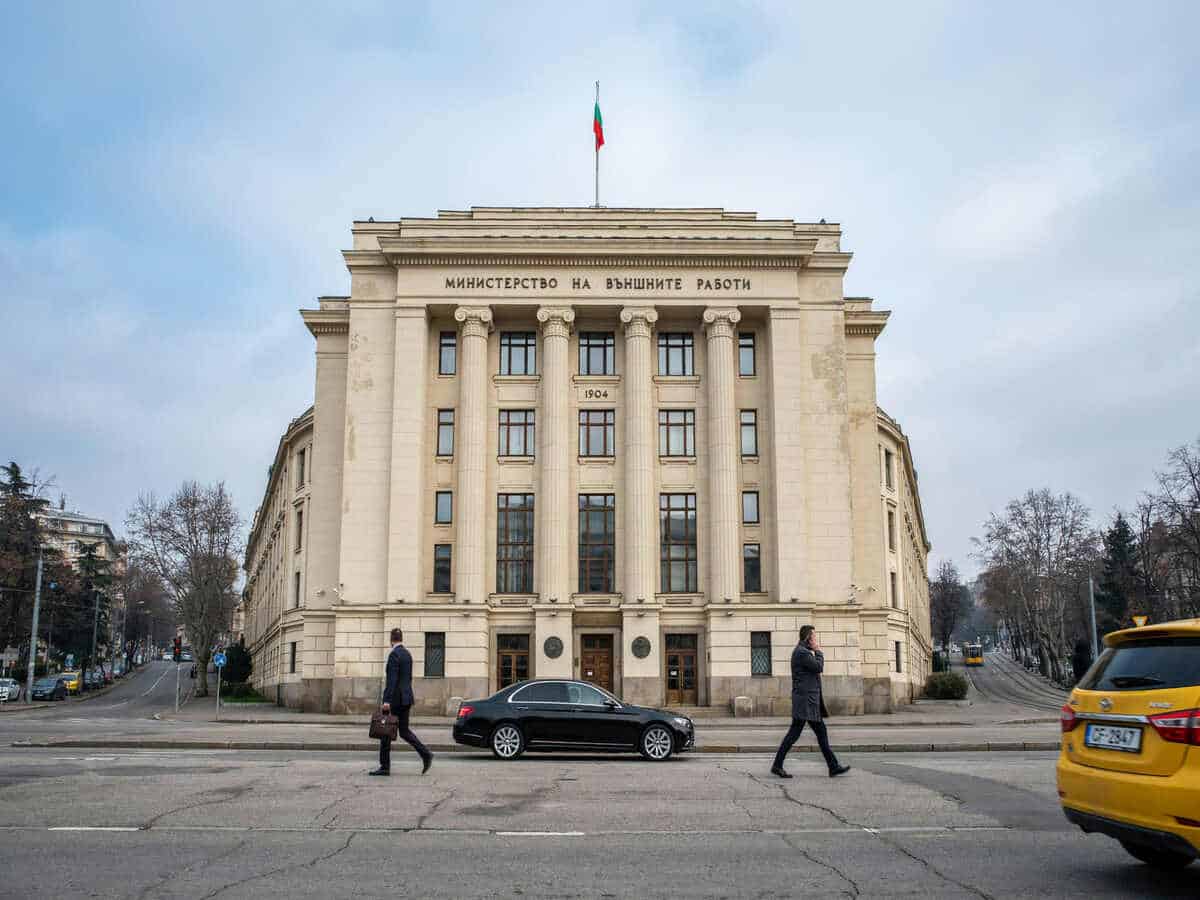
Fuel costs for EU increase by more than 34% amid Saudi-Houthi conflict resulting in an extreme energy shock. An extreme energy shock has gripped the continent of Europe because of the economic effects of the unstable situation in the Middle East, affecting the fuel pumps, distribution channels, and domestic budgets. As a result of increased fighting between Saudi Arabia and Houthi rebels allied to Iran against energy facilities and key shipping bottlenecks, crude oil markets have been affected.
Across the European Union, average EU diesel prices climbed by 34.8% between late February and early October 2026, rising from €1.594 per litre to €2.149 per litre. Over the same timeframe, average petrol prices escalated by 22.5%, jumping from €1.637 to €2.006 per litre.
For everyday citizens, filling a standard 50-litre diesel tank now costs roughly €107.45—a direct €27.75 surcharge compared to February figures. As Brent crude trades at elevated levels above $106 per barrel, European nations from the Baltic coast to the Mediterranean are confronting a multi-dimensional crisis impacting freight, agriculture, aviation, and tourism.
Anatomy of a Global Disruption: Saudi–Houthi Tensions and Refining Bottlenecks
While Europe’s energy markets were already contending with broader structural shifts during 2026, the sudden intensification of clashes between Houthi rebels and Saudi-led forces acted as a major catalyst. Military strikes on Saudi energy installations, airports, and commercial shipping lanes have injected significant supply-risk premiums into global oil benchmarks.
Advertisement
Advertisement
Compounding the problem is a severe middle-distillate bottleneck. Global diesel inventories have faced heavy depletion due to reduced refining outputs, export constraints from major producing regions, and redirected maritime transit routes. The International Energy Agency (IEA) has highlighted that severe regional supply strains are forcing counter-seasonal stock drawdowns right ahead of peak winter heating demand.
Country-by-Country Breakdown: The Impact Across Europe
The impact of this fuel shock varies considerably across European states. Differences in national taxation, geography, local market conditions, and energy infrastructure mean that while some nations face the highest absolute prices at the pump, others are dealing with unmatched percentage surges.
Advertisement
Advertisement
Bulgaria — Suffering Europe’s Steepest Diesel Inflation
- Diesel Trend: Escalated by a staggering 54.2%, reaching €1.893 per litre by October 5.
- Petrol Trend: Advanced 36.5%, climbing to €1.663 per litre.
- Impact Profile: Although Bulgaria’s absolute pump prices remain lower than those in Northern and Western Europe, the sheer speed of this 54.2% jump has exerted extreme operational pressure on transport operators. As a nation heavily reliant on road transport for internal distribution and international freight, rising fuel costs are cascading through domestic supply chains. Furthermore, Bulgaria’s Black Sea tourism sector—including Varna, Burgas, and Sunny Beach—is highly vulnerable to increased transfer and excursion costs.
Estonia — Baltic Logistics Under Extreme Strain
Advertisement
Advertisement
- Diesel Trend: Increased by 50.7%, reaching €2.096 per litre.
- Petrol Trend: Grew by 33.9%, reaching €1.945 per litre.
- Impact Profile: Estonia’s economic structure depends heavily on road transport to link ports, cities, and neighboring Baltic trading partners. Higher fuel expenditure directly inflates freight charges and consumer retail deliveries, while threatening regional coach holidays and sightseeing connections anchored in Tallinn.
Finland — Record Petrol Inflation in the Far North
- Petrol Trend: Surge of 38.4%, pushing prices to €2.370 per litre—the largest relative petrol percentage increase among EU countries examined.
- Diesel Trend: Rose by 46.9%, topping out at €2.553 per litre.
- Impact Profile: Finland’s expansive geography, vast rural distance requirements, and long-haul freight demands leave its logistics industry exposed to rising pump costs. Cold-weather heating demands further amplify overall energy costs for households and businesses, while Lapland’s seasonal tourism industry faces headwinds as excursion and transfer costs rise.
France — High Operating Overhead for Road Freight & Agriculture
- Diesel Trend: Surged 42.7%, reaching €2.355 per litre.
- Petrol Trend: Rose 29.4%, moving up to €2.212 per litre.
- Impact Profile: France’s transport networks underpin industrial distribution, large-scale agricultural operations, and regional tourism. From countryside bed-and-breakfasts to alpine ski resorts, businesses dependent on road deliveries and private vehicle access are experiencing substantial cost growth.
Belgium — A Strategic Freight Hub Absorbing Surcharges
- Diesel Trend: Climbed 44.4%, reaching €2.349 per litre.
- Petrol Trend: Increased 30.3%, standing at €1.959 per litre.
- Impact Profile: With major trade infrastructure like the Port of Antwerp-Bruges and dense highway links connecting Germany, France, and the Netherlands, rising fuel costs are squeezing logistics firms handling long-distance haulage, with downstream effects for European wholesalers and retailers.
Germany — Industrial Heartland Confronts Soaring Logistics Costs
Advertisement
Advertisement
- Diesel Trend: Averaged €2.25 per litre in early October—a 41.6% year-on-year increase from €1.59 per litre in 2025.
- Impact Profile: Industrial firms relying on the steady movement of components and raw materials face elevated supply-chain costs. The automotive, machinery, and chemical sectors are actively searching for ways to insulate operations from volatile energy imports.
Italy — Regional Tourism and Maritime Lines Under Pressure
- Diesel Trend: Advanced 33.5%, climbing to €2.273 per litre.
- Petrol Trend: Grew 25.3%, reaching €2.073 per litre.
- Impact Profile: Popular destinations reliant on road and ferry transfers—such as Tuscany, the Amalfi Coast, Sardinia, and Sicily—face higher operating costs for transfers, hospitality logistics, and local deliveries.
Greece — Purchasing Power Burdens on Island Supply Chains
- Diesel Trend: Increased 39.9%, reaching €2.166 per litre.
- Petrol Trend: Escalated 26.8%, reaching €2.203 per litre.
- Impact Profile: Greece’s island geography—including major tourist centers like Crete, Rhodes, Corfu, Santorini, and Mykonos—requires multi-stage road and ferry supply chains. Elevated fuel costs significantly increase the cost of transporting food, goods, and visitors across island networks.
Cyprus — Island Isolation Multiplies Transport Costs
- Diesel Trend: Soared 44.4%, reaching €2.030 per litre.
- Petrol Trend: Increased 32.9%, standing at €1.744 per litre.
- Impact Profile: Resort hubs like Paphos, Limassol, Larnaca, and Ayia Napa rely on road transport networks for airport shuttles, excursions, and hotel supply lines, making the local tourism sector particularly sensitive to global market volatility.
Czechia — Central European Highway Freight Squeezed
- Diesel Trend: Rose 43.2%, climbing to €1.952 per litre.
- Petrol Trend: Jumped 34.6%, reaching €1.847 per litre.
- Impact Profile: Cross-border freight, regional manufacturing, and Prague’s city tourism are facing increased operational expenses as fuel surcharges rise.
Denmark & Luxembourg — Well-Developed Infrastructure vs. High Retail Prices
- Denmark: Recorded a 39.8% diesel increase to €2.488 per litre, while petrol hit €2.605 per litre—among the highest absolute prices in the EU.
- Luxembourg: Experienced a 40.4% rise in diesel prices, demonstrating that even strong domestic infrastructure cannot completely shield consumers from global price volatility.
Spain & Poland — Contrasting Regional Inflation Rates
Advertisement
Advertisement
- Spain: Experienced a 34.8% diesel increase (to €1.918 per litre) and a 25.7% petrol rise (to €1.849 per litre), impacting coastal delivery routes and intercity travel.
- Poland: Saw a lower percentage rise in diesel of 23.9% (reaching €1.764 per litre), though its large haulage fleet remains exposed to sustained price increases.
United Kingdom — Multi-Billion Pound Haulage Hit
- Diesel Trend: Climbed over 40% since February, breaking past the £2.00 per litre mark (~€2.30/L).
- Impact Profile: Industry estimates indicate that van and light commercial fleet operators in the UK could face an extra £2.5 billion in diesel expenses during 2026, putting indirect upward pressure on service and delivery charges.
How Europe Is Coping with the Fuel Cost Crisis
Faced with mounting economic costs, European nations and industries are employing a combination of short-term mitigation measures and long-term structural changes. Crucially, there is no single, unified European emergency fuel program; instead, individual nations and sectors are deploying targeted strategies.
Emergency Petroleum Reserves: To prevent actual physical fuel shortages, major economies have drawn on strategic reserves. Germany announced plans to release up to 15 million barrels of emergency petroleum stocks, while France and international partners participated in coordinated reserve drawdowns overseen by the International Energy Agency (IEA).
Domestic Relief Packages: Countries facing acute affordability pressures have introduced targeted aid. Bulgaria, for instance, announced domestic aid measures worth roughly €300 million to soften the blow for consumers and local businesses.
Fleet Efficiency and Route Optimization: Commercial logistics companies are adjusting their day-to-day operations by using real-time route optimization to eliminate empty return journeys, enforcing strict HGV speed limiters, and consolidating shuttles across tourist regions.
Accelerated Transit Alternatives: Nations with mature electrification infrastructure, such as Denmark and Luxembourg, are leveraging electric vehicles and subsidized public transport options to reduce reliance on refined petroleum fuels.
Advertisement
Advertisement
Sector Impact Overview: Tourism, Freight, and Aviation
| Sector | Key Stress Points | Primary Adaptation Strategy |
|---|---|---|
| Road Haulage & Freight | Double-digit diesel increases, reduced profit margins on long distances. | Passing variable fuel surcharges to retailers, consolidating freight loads. |
| Tourism & Hospitality | Higher excursion, rental car, and coach operating costs; elevated regional transfer fees. | Joint passenger transfers, advanced route booking, bundled holiday packages. |
| Aviation & Airlines | Jet fuel price spikes following Brent crude movements ($106+/barrel). | Adjusting ticket fuel surcharges, optimizing flight paths, hedging jet fuel supplies. |
| Household Sector | Tank refills costing €27–€35 more per fill-up, reducing discretionary spending. | Restricting non-essential car journeys, increasing public transport usage. |
Long-Term Outlook: Balancing Immediate Affordability and Resilience
The fuel price shock of 2026 highlights the ongoing vulnerability of European economies to external geopolitical disruptions. While emergency oil stock releases offer temporary supply relief and fleet efficiency measures help businesses manage costs, sustained high fuel prices present a continuing challenge for inflation control and economic stability.
In light of the worsening energy crisis in Europe, fuel prices have risen above 34% in the face of growing tensions between Saudi Arabia and Houthi rebels.
Going forward, the Europeans will be trying to juggle efforts aimed at mitigating the effects of the energy crisis in the short run and reducing dependency on fossil fuels in the long run.
Advertisement
