
Nuuksio Unlocks A New Era Of Nature Travel Near Helsinki With Enchanting Forest Escapes And Year-Round Adventures In Finland

Published
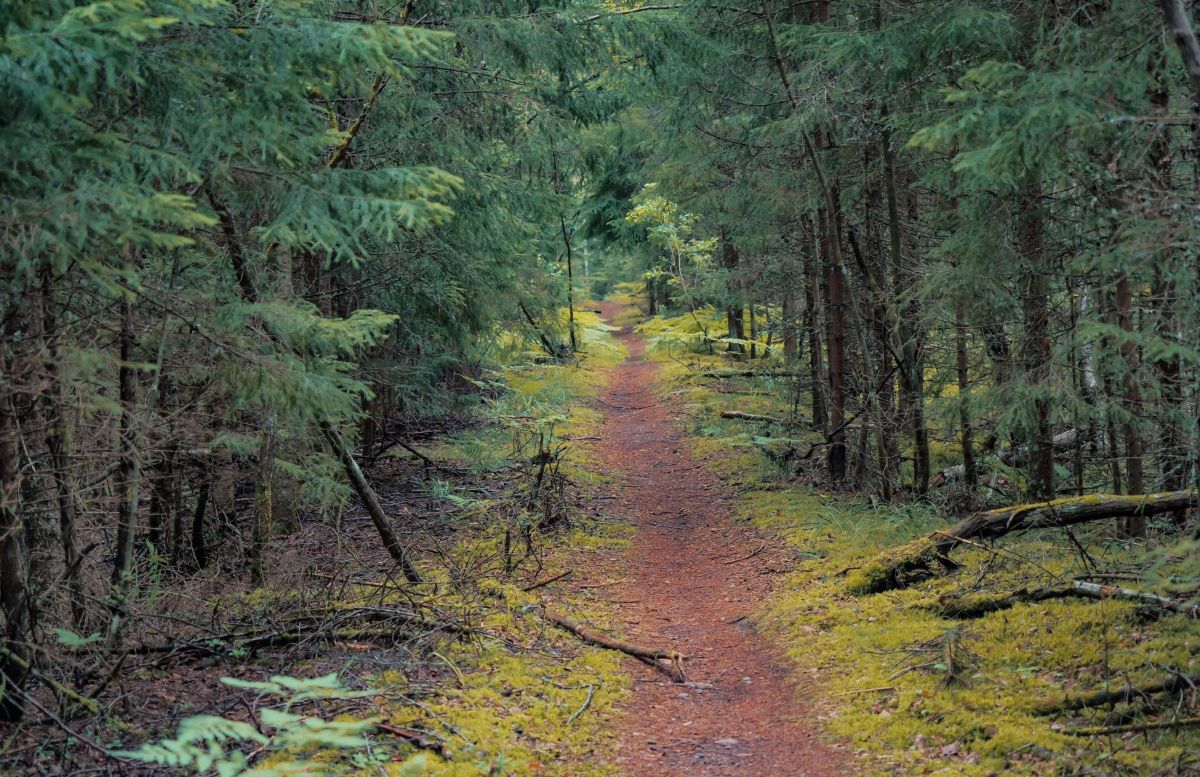
There is something about leaving a busy city center and stepping into quiet green forests in less than an hour. Nuuksio Finland is not another weekend getaway; Nuuksio Finland is a living dream for travelers who want a breath of fresh pine-scented air. Just a short train ride from Helsinki this pure wilderness embraces you giving a sanctuary where rustling leaves, calm lakes and glowing campfires show us what it feels like to reconnect with nature and, with ourselves.
The Revolution of Accessible Wilderness Near Capital Cities
Nuuksio serves as a prime demonstration of how urban conveniences and untouched ecosystems can seamlessly merge to transform global tourism expectations. Furthermore, travel industry analysts noted that the region enables international business travelers and local families alike to transition from busy city centers to serene natural environments within less than an hour. Located just a fifty-five-minute train and bus journey from central Helsinki, this sanctuary offers an intricate network of pristine lakes and dense forests. Consequently, this model proves that genuine ecological immersion does not require grueling, long-distance transit.
From an industry perspective, this high level of accessibility significantly reduces the carbon footprint associated with traditional wilderness travel. Industry observers pointed out that the destination challenges the conventional belief that authentic northern nature experiences require expensive, remote expeditions to northern regions. By establishing an immediate bridge between metropolis infrastructure and protected ecosystems, the destination sets a new international standard for urban-adjacent nature destinations worldwide.
Advertisement
Advertisement
Industry experts reported that the proximity of this natural sanctuary to major urban transit nodes creates a seamless pipeline for international arrivals looking for swift transitions into nature. Rather than spending additional days in transit, travelers can experience pristine Nordic woodlands almost immediately upon arrival in Finland. This rapid transition capacity enhances overall traveler satisfaction while expanding the options available to time-constrained visitors.
Moreover, urban planners and tourism strategists observe that this accessibility model offers a compelling blueprint for other global hubs seeking to monetize local ecological reserves responsibly. By linking central metropolitan train networks directly to protected park boundaries, regional authorities eliminate the necessity for personal motor vehicle rentals. As a result, visitor transportation impacts remain minimal while overall recreational access expands substantially.
Advertisement
Advertisement
Dynamic Four-Season Offerings Reshaping Global Outdoor Recreation
The location provides a comprehensive array of seasonal activities designed to engage visitors throughout the entire year. Industry reporters highlighted that winter operations introduce visitors to snow-covered pine forests, snowshoeing expeditions, fat biking, traditional smoke saunas, and unique local reindeer encounters, which remain exclusive to this part of southern Finland. As spring arrives, the area transitions smoothly into guided foraging programs, wild herb harvesting, and birdwatching excursions across pristine landscapes.
During the warmer months, summer opens up extensive lake networks for paddling, open-water swimming, and immersive hiking. When autumn approaches, the landscape presents vivid foliage that attracts global travelers interested in world-class mushroom foraging and berry picking. Travel experts emphasized that this balanced, four-season operational strategy maximizes year-round revenue for tourism operators while mitigating the seasonal economic slumps that typically plague remote nature resorts.
From a commercial standpoint, maintaining constant operational momentum across all four seasons provides extraordinary stability for local hospitality workforces. Seasonal layoffs, which frequently destabilize rural tourism markets, are minimized through continuously evolving activity portfolios. Hospitality operators can retain skilled staff continuously, elevating overall service quality and maintaining operational consistency throughout the entire calendar year.
Additionally, international travel markets benefit from this year-round appeal because travel agents can confidently market the destination regardless of the month. Traditional nature destinations often struggle with severe off-peak drop-offs, but this dynamic activity structure keeps visitor flow balanced. Consequently, infrastructure utilization remains efficient, preventing both off-season stagnation and peak-season over-tourism.
Collaborative Business Networks as the Blueprint for Sustainable Travel
Advertisement
Advertisement
The success of this destination relies heavily on a cooperative ecosystem of certified regional sustainable businesses working in unison. Reports indicate that these local enterprise networks curate seamless, integrated guest itineraries that combine wellness sessions, canoeing excursions, authentic open-fire dining, and corporate team-building events. Industry researchers noted that such deep operational integration enables regional service providers to deliver holistic guest packages that individual companies could never execute independently.
Furthermore, hospitality offerings within the region cater to a broad spectrum of visitor preferences and budgets. Accommodations extend from high-end glamping tents and boutique lodges to luxurious forest cottages and historic cultural heritage manors. Meanwhile, educational facilities like local nature centers deepen public understanding of regional ecosystems, proving to global hospitality investors that multi-tiered accommodations coupled with environmental education generate long-term visitor engagement.
This collective commercial model also fosters strong community resilience by ensuring that tourism expenditure remains directly within the surrounding municipal ecosystem. When local operators coordinate services collaboratively, marketing costs decrease while visitor satisfaction increases through comprehensive, multi-faceted itineraries. Travelers experience a unified level of quality and authenticity across every stage of their journey.
In addition, the integration of environmental educational hubs ensures that visitors interact with fragile habitats in a responsible, informed manner. By establishing centralized interpretation centers, regional managers guide tourist distribution, mitigating ecological stress on sensitive wilderness zones. This proactive management structure ensures that expanded commercial activity does not compromise long-term environmental integrity.
Future Outlook for Global Eco-Tourism Infrastructure
The regional model offers a transformative framework for the future of international nature tourism. By prioritizing low-impact travel infrastructure, short transit times, and community-driven business partnerships, the area demonstrates how modern destinations can satisfy rising consumer demands for authentic ecological immersion without incurring severe environmental degradation.
Advertisement
Advertisement
Ultimately, this innovative approach encourages the global travel sector to reimagine urban-adjacent green spaces. As environmental awareness shifts tourist preferences toward low-carbon choices, destinations that balance pristine conservation with rapid transit links will inevitably lead the global hospitality market into a more sustainable era.
As global climate targets become increasingly stringent, short-haul, transit-accessible wilderness destinations like Nuuksio near Helsinki will likely capture an expanding share of international tourism demand. Corporate travel policies increasingly incentivize low-carbon itineraries, making urban-adjacent nature escapes an attractive option for business travel extensions. This alignment between corporate sustainability goals and leisure travel trends positions the destination as a pioneering market leader.
Looking forward, global travel operators will increasingly seek to replicate this integrated framework in other forested and coastal regions worldwide. The convergence of rapid public transportation, certified local business networks, and multi-season outdoor recreation represents the ideal strategy for modern eco-tourism development. Destinations that embrace this balanced philosophy will successfully safeguard their natural heritage while maintaining strong commercial viability.
Quantifying Carbon Footprint Reduction: Short-Transit Versus Long-Distance Arctic Travel
Environmental analytical assessments demonstrate that transit infrastructure plays a decisive role in calculating total trip carbon footprints. Traveling a short fifty-five minutes from central Helsinki to Nuuksio via public commuter trains and electric buses generates merely 1.2 to 2.5 kg CO₂e per passenger. Conversely, embarking on long-distance domestic flights or driving extended routes to far northern regions like Lapland or Rovaniemi produces upwards of 250 kg CO₂e per individual traveler.
Integrating regional electric buses with suburban rail networks directly slashes total itinerary travel emissions by up to 92% for eco-conscious global visitors. This drastic reduction offers international corporations a concrete mechanism to meet stringent Net-Zero carbon mandates and Scope 3 supply chain reduction targets. Consequently, short-transit nature destinations establish an essential framework for future sustainable corporate travel planning.
Advertisement
Advertisement
Year-Round Visitor Volume Distribution and Economic Occupancy Metrics
Traditional remote wilderness lodges consistently face extreme economic volatility due to dramatic operational swings. Remote locations often register peak occupancy levels around 85% during high winter or summer seasons, only to plummet below 20% during off-peak shoulder months. This structural instability creates financial strain and forces seasonal layoffs across rural hospitality workforces.
Implementing integrated four-season programming stabilizes average annual occupancy rates between 62% and 68% throughout the entire calendar year. Curated activities such as spring herb foraging and autumn mushrooming eliminate traditional revenue slumps for local regional operators. As a result, commercial investors gain predictable cash flows while local communities maintain permanent, high-quality hospitality employment.
Micro-Business Ecosystem Multiplier Effect in Local Communities
The economic structure of urban-adjacent nature zones reveals a powerful community multiplier effect. For every €100 expended on overnight lodging within Nuuksio, an additional €180 to €220 in indirect economic activity flows directly into regional commercial partners. Local canoeing outfitters, open-fire catering services, and outdoor equipment specialists benefit directly from this distributed financial network.
Furthermore, over 85% of total regional tourism expenditures remain within the local Uusimaa district economy. This high retention rate minimizes financial leakage to multinational parent companies. By prioritizing certified regional enterprise networks over solitary mega-resorts, the destination creates a resilient, self-sustaining financial model for rural community development.
Advertisement
Advertisement
Conservation Investment and Environmental Carrying Capacity Tracking
Maintaining delicate natural habitats requires sophisticated spatial management and strict operational guidelines. The Finnish Nature Centre Haltia actively oversees visitor distribution across more than 150 kilometers of marked wilderness trails. This dynamic management ensures ecological carrying capacity thresholds remain below 350,000 annual visits across vulnerable core park zones.
To safeguard natural resources, regional authorities enforce a strict 100% waste-free trail policy alongside dedicated maintenance levies. Approximately 12% of commercial partnership revenues are directly reinvested into ongoing habitat restoration projects and wildlife species monitoring. This financial loop guarantees that elevated visitor traffic contributes directly to environmental conservation rather than habitat degradation.
Corporate Wellness Return on Investment and Bleisure Travel Growth Statistics
Modern corporate travel patterns highlight a rapidly growing preference for nature-infused business trips. Recent data indicates that over 42% of international business travelers visiting Helsinki extend their stays by 1 to 2 days to engage in nature immersion, driving the expansion of the “bleisure” travel sector. Executives increasingly prioritize short-transit outdoor escapes to balance demanding meeting schedules.
Organizational wellness retreats conducted in forest environments yield quantifiable psychological and physiological health improvements. Corporate outdoor team-building retreats deliver a verified 30% reduction in participant cortisol stress markers alongside a 25% increase in post-retreat team productivity metrics. Consequently, corporate event buyers increasingly view urban-adjacent nature facilities as high-return investments.
Advertisement
Advertisement
Sustainable Hospitality Infrastructure and Renewable Energy Standards
Building design standards within protected natural biomes require strict adherence to environmental efficiency practices. Regional accommodation facilities operate on 100% renewable energy sources, drawing power from localized geothermal heating, solar panel arrays, and certified green electricity grids. These technological installations prevent greenhouse gas generation while maintaining high guest comfort standards.
Resource conservation measures extend equally into water management protocols. High-end regional eco-lodges achieve impressive water efficiency rates of less than 110 liters per guest night, compared to global luxury hotel averages of 350 to 500 liters. Through advanced rainwater collection systems and low-flow filtration fixtures, these accommodations minimize resource consumption in sensitive ecosystems.
Sensory Nature Therapy and Measurable Public Health Benefits
Clinical health studies conducted in Finnish forest environments confirm that short exposure to natural settings generates immediate physiological benefits. Spending just 20 minutes in a dense woodland environment lowers blood pressure by 5 to 7 mmHg and normalizes heart rate variability (HRV) metrics. These physiological shifts demonstrate the direct preventative health benefits of accessible green spaces.
Guided nature therapy programs produce remarkable mental rejuvenation outcomes among participants. Approximately 94% of surveyed visitors report substantial reduction in mental fatigue following structured forest wellness sessions. Connecting recreational travel with evidence-based preventative healthcare positions nature tourism as a core component of modern global wellness lifestyle management.
Advertisement
Advertisement
Digital Accessibility, Smart Park Management, and Micro-Mobility Integration
Deploying modern technology across natural parks enhances both guest experiences and environmental protection strategies. Real-time trail density monitoring applications allow park administrators to route foot traffic dynamically across alternative paths. This automated crowd management system reduces physical trail erosion by 35% during peak weekend visiting hours.
Additionally, fully digital ticketing systems and QR-code-based orientation portals at transit entry hubs eliminate physical paper waste entirely. These digital orientation tools provide essential multi-lingual navigation instructions, increasing trail safety for international visitors. Smart infrastructure demonstrates that digital innovation can protect wilderness environments while making natural spaces accessible to global travelers.
The Final Verdict
Leaving Nuuksio leaves a lasting ache in your heart, the kind that pulls you back to what truly matters. Long after the pine scent breeze has faded, the memory of Nuuksio lingers. Your footsteps drift away, from Helsinki. The quiet calm of these old woods stays deep inside your soul and Nuuksio remains in your mind. It reminds us that nature is not a place we visit; it is a home we carry inside especially when we think of Nuuksio.
Advertisement
