
Maldives Travel Hotspots Expose A Tourism Imbalance As Remote Islands Miss Out On The Luxury Resort Boom, Find Out Now

Published
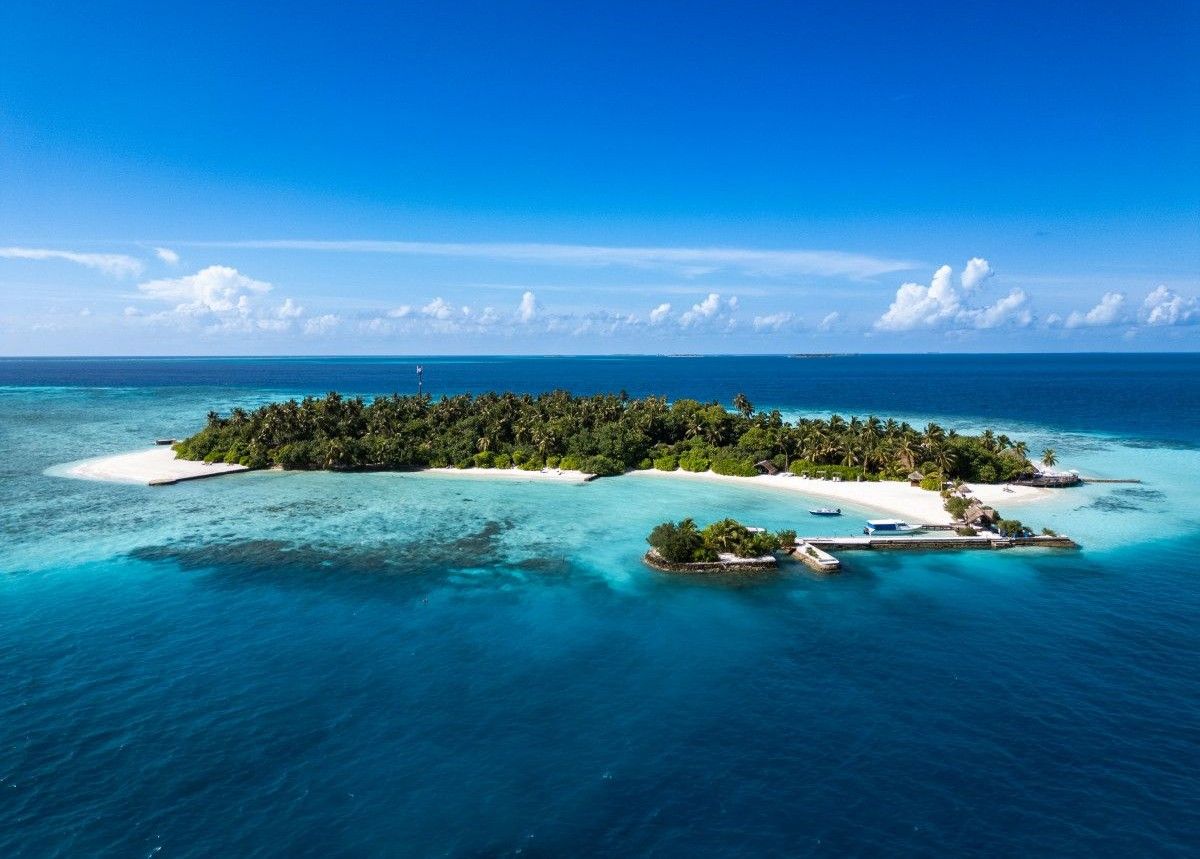
Stepping onto the white sands of the Maldives it feels like stepping directly into an untouched paradise.. Behind the serene sun-soaked postcard lies a far more complex reality. Beneath that surface tourism isn’t growing evenly across this idyllic country; it is clustering, crowding and carving out deeply uneven geographic pockets. For every luxury sanctuary nestled in a peaceful corner another island hub struggles under heavy footfall, soaring transfer fees and mounting environmental strain. To truly understand this island nation today we have to look past the dream and map out where its tourism is actually concentrating.
Unlocking Strategic Recommendations for Global Travel Operations, Destination Managers, and International Travelers in the Indian Ocean Archipelago
It was explained that regional authorities, hospitality managers, and travel operators must adopt spatial intelligence to navigate the shifting structural landscape of Maldivian hospitality. For international visitors, understanding this spatial divide allows for more informed decision-making when selecting between isolated luxury resort retreats and integrated local guesthouse islands across the Maldives. Industry observers emphasized that evaluating destination logistics requires analyzing individual island clusters rather than relying on aggregated national data, which can obscure crucial regional differences in service quality, transfer availability, and overcrowding. Consequently, tour operators are urged to customize itineraries based on localized infrastructure capacity to prevent operational bottlenecks during peak travel seasons.
Furthermore, global tourism stakeholders were advised to realign their commercial strategies around localized capacity rather than nationwide performance metrics. As environmental pressures mount on highly frequented coral reefs near key administrative zones, travel planners must proactively diversify their itineraries toward emerging outer atolls to protect fragile marine ecosystems while securing long-term economic value. This strategic pivot allows international booking agents to offer exclusive, eco-conscious packages that cater to modern travelers seeking authentic and sustainable island experiences. By shifting visitor volume away from saturated regions, the travel industry can foster long-term commercial resilience while safeguarding the pristine environmental assets that define the overall allure of the Indian Ocean.
Advertisement
Advertisement
Mitigating Severe Environmental Strain and Overcrowding Risks Across Fragile Reef Systems and Vulnerable Marine Environments
It was emphasized that rising visitor density in specific island clusters directly exacerbates ecological threats to fragile coral reef ecosystems, marine life, and local waste management infrastructure. In heavily concentrated transit corridors surrounding major airports and densely built island hubs, localized environmental strain risks degrading the natural capital that attracts international visitors in the first place, thereby threatening long-term destination viability. Environmental researchers pointed out that high concentrations of boat traffic, reef diving, and resort construction generate cumulative stress that native ecosystems cannot easily absorb. As a result, popular dive sites and coastal marine habitats face severe degradation if current growth models remain unchecked.
Advertisement
Advertisement
To mitigate these systemic risks, industry analysts advocated for comprehensive policies driven by precise spatial management rather than broad national quotas. By redirecting tourist flows toward underutilized atolls across the southern and northern reaches of the Maldives, regional authorities can relieve ecological stress, preserve pristine coral marine habitats, and safeguard the overarching destination appeal for future generations of global travelers. For international visitors, this transition ensures that the pristine tropical environments they expect remain protected, while global travel agencies gain the ability to promote newly developed, low-density sustainable travel destinations that emphasize ecological stewardship and premium guest experiences.
Navigating Structural Atoll Diversity and the Dynamic Dual Tourism Infrastructure Model Across the Archipelago
Advertisement
Advertisement
It was noted that the geography of the Maldives does not host a single unified market, but rather operates as a complex network of distinct island micro-economies. Specific administrative zones, such as Kaafu Atoll—which encompasses both North Male Atoll and South Male Atoll—as well as Alifu Alifu Atoll (North Ari Atoll) and Alifu Dhaalu Atoll (South Ari Atoll), maintain disproportionate shares of overall visitor beds, speedboat routing, and primary aviation transport linkages. These central zones benefit from direct proximity to Velana International Airport in Male, making them the primary entry points for the vast majority of international arrivals seeking convenient transfers.
Consequently, foreign travelers experience vast differences in cost structures, accessibility, and cultural integration depending on their chosen destination within the archipelago. While certain atolls operate almost exclusively as high-end private resort enclaves catering to luxury markets, others rely heavily on community-based guesthouse clusters on inhabited islands. This dual infrastructure creates a multi-tiered marketplace that impacts how global travel providers package, market, and price island experiences. Travelers must therefore account for varying transfer methods, including domestic flights and seaplanes, which significantly influence total trip expenses and travel duration when venturing beyond the central atoll group.
Analyzing Spatial Disparities in Island Accommodation and the Mechanics of Economic Value Capture
It was reported that while community-based guesthouse initiatives have expanded local economic participation and diversified accommodation types, private luxury resorts continue to command the vast majority of overall bed capacity and financial value capture. Guesthouse establishments remain heavily concentrated in a small handful of designated inhabited islands, leaving large stretches of the archipelago largely untouched by local-level tourism ventures. This concentration limits the geographical spread of direct economic benefits to local island communities, keeping primary revenue generation anchored within well-established tourism zones.
Advertisement
Advertisement
Furthermore, this structural imbalance means that luxury island resorts retain tremendous pricing power and high profit margins, whereas local guesthouse hubs face intense market competition and operational bottlenecks. As a result, international travel distribution channels experience significant variability in room rates, service levels, and infrastructure support across different island clusters. Global travelers seeking affordable options must weigh the cost benefits of local guesthouse stays against potential limitations in transport links, while luxury travelers continue to pay premium rates for absolute privacy and exclusive island amenities in isolated resort developments.
Uncovering the Hidden Geographic Realities Behind Archipelago Hospitality Expansion and Global Industry Impact
The spatial structure of island hospitality fundamentally shapes how global travelers experience the archipelago from arrival to departure. National growth metrics often obscure the stark spatial inequalities existing between central transport hubs like Male and distant peripheral atolls located in the far north or south. While international marketing campaigns showcase a uniform tropical paradise, real-world conditions vary dramatically from one island to the next depending on local infrastructure, investment levels, and geographic isolation.
For global travel distributors, understanding these geographic disparities is vital for managing customer expectations, optimizing supply chains, and preventing service disruptions. Capitalizing on the growing demand for authentic island travel requires navigating complex local logistics, varying infrastructure standards, and distinct price-to-value ratios present across different regions. Ultimately, international industry stakeholders who master the spatial dynamics of the Maldives will be best positioned to deliver superior travel experiences while supporting sustainable, long-term economic growth across every corner of the archipelago.
Quantitative Analysis of Spatial Bed Capacity Distribution and Land Lease Allocation Policies Across Key Administrative Atolls
It was reported that the physical distribution of guest accommodations across the Indian Ocean archipelago demonstrates a high degree of geographic concentration, with central administrative zones retaining a dominant share of total lodging inventory. Data indicates that over seventy percent of total resort bed capacity is located within a narrow geographic corridor comprising Kaafu Atoll—incorporating both North Male Atoll and South Male Atoll—alongside Alifu Alifu Atoll (North Ari Atoll) and Alifu Dhaalu Atoll (South Ari Atoll). This structural clustering is heavily influenced by proximity to major aviation infrastructure and historical development patterns, leaving distant peripheral regions with significantly lower accommodation density.
Advertisement
Advertisement
Furthermore, out of more than eight hundred inhabited and uninhabited islands throughout the archipelago, fewer than one hundred and seventy private island resorts generate the vast majority of overall lodging revenue. This spatial concentration creates distinct regional micro-economies where central atolls experience intense commercial activity, while outer northern and southern atolls remain relatively underdeveloped. For global tour operators and travel management companies, this uneven distribution necessitates targeted inventory sourcing and contracting strategies to avoid supply bottlenecks in high-demand central zones while identifying growth opportunities in emerging peripheral markets.
Evaluating Transport Logistics Dynamics Between Seaplane Fleet Operations and Speedboat Transit Corridors
It was highlighted that internal passenger transfer mechanisms present a major operational cost variable that directly influences total trip expenditure and destination selection for international travelers. The domestic transit network relies heavily on the world’s largest commercial seaplane fleet, which operates over sixty-five specialized aircraft connecting central aviation hubs to distant island properties. Round-trip seaplane transfers for outer atolls routinely command prices ranging between four hundred fifty and seven hundred dollars per passenger, representing a substantial additional expense above standard accommodation rates.
Conversely, island properties situated within a forty-five-minute speedboat radius of Velana International Airport near Male afford visitors significant savings on transit costs, reducing transfer expenses by thirty to forty percent compared to air-dependent resorts. This operational divide creates a multi-tiered pricing ecosystem where central resorts leverage transit convenience, while remote resorts must offer enhanced luxury amenities to justify higher total travel costs. Global travel distributors must navigate these transit logistics metrics carefully to design transparently priced travel packages that manage client expectations regarding total travel duration and transfer fees.
Economic Yield Disparities Between Private Resort RevPAR and Local Island Guesthouse ADR Metrics
It was observed that financial performance metrics across the hospitality sector reflect a wide economic gap between exclusive island resorts and community-based accommodation providers. Luxury private resorts command exceptional pricing power, achieving average daily rates ranging from twelve hundred dollars to well over three thousand five hundred dollars per night for premium water villas and secluded beach suites. In contrast, local island guesthouses operate within a budget-friendly segment, offering average daily rates between sixty and one hundred fifty dollars per night.
Advertisement
Advertisement
This structural pricing variance drives a dramatic disparity in revenue per available room, with private resort performance exceeding guesthouse metrics by a ratio of eight to one up to ten to one. High resort margins are further sustained by premium yield capture across private dining, spa services, and exclusive marine excursions. Consequently, international travel booking platforms and travel advisors must recognize these distinct yield profiles, tailoring their commercial portfolios to cater to both high-yield luxury travelers seeking isolated exclusivity and cost-conscious tourists opting for community-integrated island stays.
Assessing Inbound Source Market Concentration and Economic Risk Volatility Across Aviation Corridors
It was emphasized that national tourism performance remains highly sensitive to fluctuations within primary international source markets, creating geographic dependencies that expose the destination to external economic shifts. Statistical analyses show that the top five origin markets—traditionally led by travelers from China, Russia, the United Kingdom, Germany, and India—collectively generate more than fifty percent of total annual international visitor arrivals. Any disruption within these key transit corridors can significantly impact national occupancy rates and overall revenue generation.
Additionally, visitor demographic metrics demonstrate clear variations in length of stay and spending behavior based on geographic origin. Long-haul European visitors maintain average stays ranging from eight point five to ten point five days, whereas short-haul Asian market travelers typically average between four point five and six point zero days per visit. Travel operators and destination management agencies must account for these seasonal and regional behavioral metrics when structuring flight capacity, marketing campaigns, and dynamic room pricing strategies across different global market segments.
Analyzing Environmental Carrying Capacity Thresholds, Coral Bleaching Densities, and Marine Reef Protection Targets
It was noted that high visitor density across sensitive marine habitats introduces significant ecological strain, necessitating precise spatial monitoring to preserve critical natural assets. Marine conservation data reveals that localized reef zones subjected to heavy usage—exceeding fifty thousand annual dives or intense motorized vessel traffic—demonstrate measurably higher rates of physical damage and coral bleaching compared to protected marine reserves. The preservation of hundreds of native coral and marine species relies heavily on enforcing strict carrying capacity limits across heavily visited dive sites.
Advertisement
Advertisement
To mitigate ecological degradation, regional authorities and conservationists advocate for targeted spatial management policies that limit daily visitor quotas around vulnerable coral ecosystems. By establishing marine protected areas and enforcing sustainable diving protocols near popular reefs in North Male Atoll and Ari Atoll, the tourism sector can safeguard its primary visual and environmental attractions. For eco-conscious travelers and green-certified tour operators, these conservation measures enhance the long-term appeal of the destination while ensuring sustainable interactions with fragile marine environments.
Cluster Dynamics of Local Community Tourism Investments Across Inhabited Island Networks
It was reported that since the legal authorization of local island accommodations, guesthouse development has expanded rapidly but remains concentrated within a small subset of inhabited islands. Out of approximately two hundred inhabited islands across the nation, more than sixty percent of all operational guesthouse beds are clustered on just a dozen specific islands, including Maafushi, Thulusdhoo, Rasdhoo, and Ukulhas. This geographic concentration creates high-density local tourism hubs within close proximity to capital transit infrastructure.
On high-density islands like Maafushi, over one hundred separate accommodation properties and thousands of visitor beds operate within an area of less than one square kilometer. While this clustering fosters vibrant local business ecosystems and accessible price points for international visitors, it also creates operational challenges regarding municipal waste management, fresh water supply, and localized beach crowding. Global travel planners must evaluate these specific island dynamics to match travelers with appropriate local island environments based on their preferences for community immersion or tranquil surroundings.
Renewable Energy Infrastructure Adoption and Waste Management Capital Expenditure Across Remote Islands
It was highlighted that off-grid island operations face high utility overheads due to traditional reliance on imported fossil fuels for electrical generation and water desalination. Standard island resorts burn between fifteen hundred and three thousand liters of diesel fuel daily to maintain continuous power and freshwater production, driving utility costs to between fifteen and twenty percent of total operational expenditure. These fuel requirements present both financial burdens and environmental challenges for island management teams.
Advertisement
Advertisement
To optimize operational efficiency and meet sustainability targets, properties are increasingly investing in floating solar photovoltaic arrays and energy storage systems, reducing daily diesel consumption by twenty-five to forty percent. These capital investments in clean energy significantly lower operational carbon footprints while stabilizing long-term utility costs. International corporate travel buyers with strict environmental standards are progressively prioritizing bookings at resorts that verify renewable energy integration and advanced waste reduction systems.
Fiscal Revenue Generation Mechanisms via Tourism Goods and Services Tax and Green Tax Frameworks
It was explained that international visitor spending serves as the primary fiscal pillar for public infrastructure funding and environmental conservation initiatives across the archipelago. The financial framework relies on a sixteen percent Tourism Goods and Services Tax alongside a fixed Green Tax levy, assessed at six dollars per person per night at commercial resorts and three dollars per person per night at local guesthouses. These combined taxation streams contribute over forty-five percent of total government revenue annually.
The capital collected through these fiscal mechanisms directly funds critical national projects, including international airport expansions, regional seaport developments, coastal protection barriers, and municipal waste treatment facilities. For global travel industry analysts, tracking these tax revenues provides vital insight into government reinvestment rates toward public infrastructure, ultimately shaping future transport efficiency, airport capacity, and overall destination accessibility for incoming international travelers.
The Final Verdict
At the end of the day the Maldives is more than a collection of postcard‑perfect resorts. The Maldives is a breathing paradise and the Maldives’ future depends on balance. As traveler footprints press deeper into these atolls the Maldives must protect the crystalline waters, local shores and vibrant coral reefs because the Maldives’ protection is a shared responsibility. The true magic of the Maldives is not in the hotspots but in keeping the Maldives’ untamed beauty, for every dream‑seeker yet to arrive.
Advertisement
