
Air India Faces Aviation Ministry Notice After Three Italians Leave Delhi Without Immigration Clearance

Published
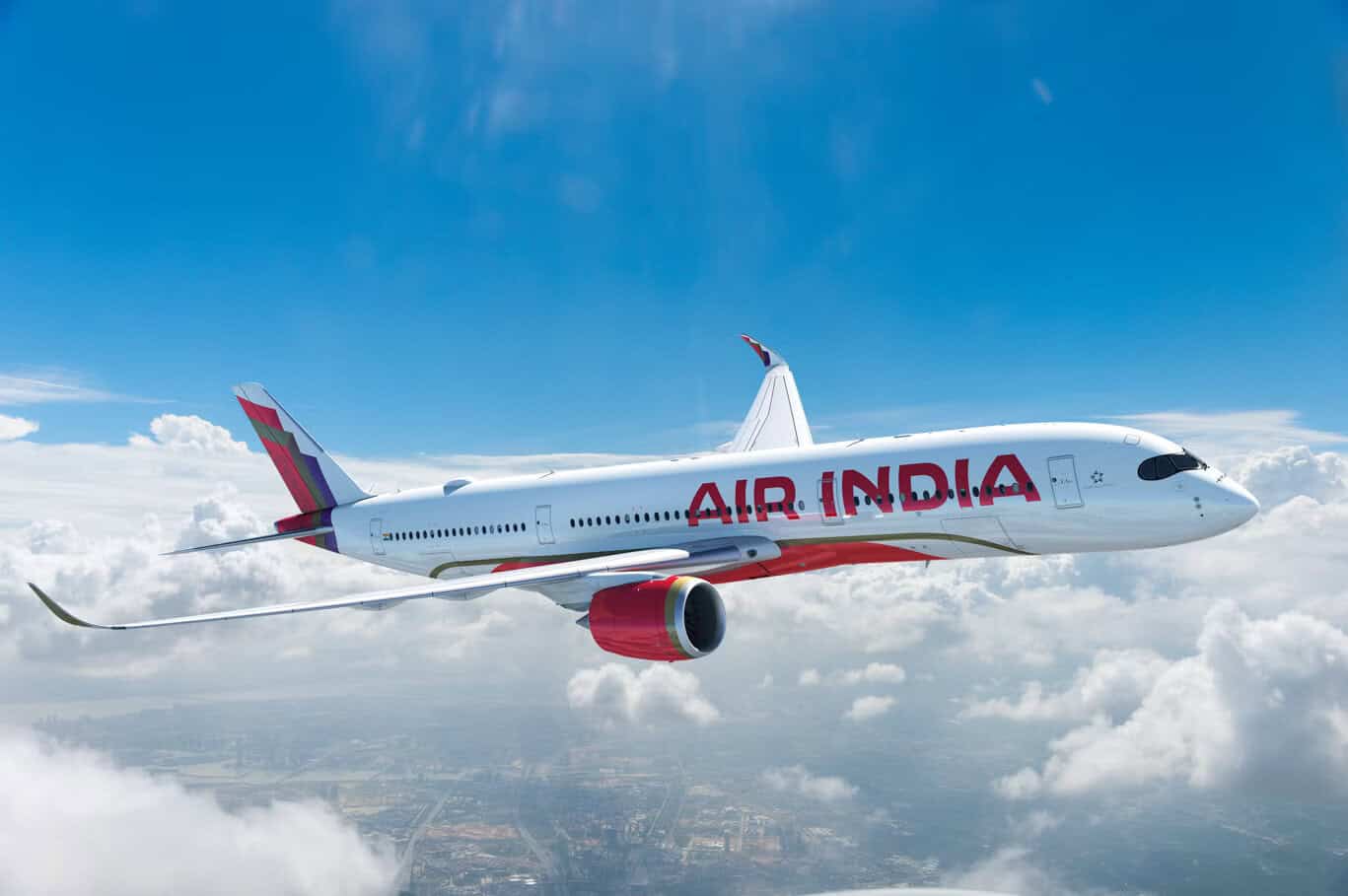
Image Credit – Air India
Aviation authority of India has issued a show-cause notice to Air India following an alleged departure of three Italian nationals from IGIA, Delhi, in a flight from Delhi to Munich without doing departure immigration clearance.
It happened while they were travelling from Air India AI-1115 from Amritsar to Delhi and then in Lufthansa LH-763 from Delhi to Munich on 4 September 2026. It has been termed as a significant security and immigration matter related to handling of Air India’s hub-and-spoke operations by Ministry of Civil Aviation.
As per the notice issued by ministry, the passengers landed at Delhi Airport around 00:50 on 4 September in Air India AI-1115 and then took the Lufthansa flight LH-763 at around 01:45 for Munich without getting mandatory departure immigration clearance.
Advertisement
Advertisement
This matter raises concerns about procedures followed by the airline for transferring the passengers and safeguards that need to be maintained when they travel through the hub.
For international passengers, this event makes it clear that why there are certain procedures related to immigration for their connecting journey.
Advertisement
Advertisement
Why This Matters for Travellers
The Air India immigration clearance lapse 2026 is important because it involves one of the most critical parts of international air travel: ensuring every passenger departing a country completes required border formalities.
Immigration clearance is not simply an airport checkpoint. It is a legal requirement that confirms a traveller’s authorised departure from a country and allows authorities to maintain accurate movement records.
Advertisement
Advertisement
When passengers transfer between domestic and international flights, the process becomes more complex because airlines must correctly identify who needs immigration processing and who qualifies for a specific transfer route.
Why domestic-to-international transfers require strict controls
| Process Area | Importance for Travellers |
|---|---|
| Immigration clearance | Confirms legal departure from India |
| Passenger routing | Ensures travellers enter the correct airport area |
| Boarding verification | Prevents passengers from bypassing required checks |
| Airline procedures | Maintains compliance with aviation rules |
| Airport coordination | Supports security and smooth passenger movement |
For travellers, the key message remains unchanged: passengers connecting to international flights must complete all required immigration procedures before departure.
What Happened During the Amritsar-Delhi-Munich Journey
The incident occurred under a domestic-to-international transfer arrangement.
The three Italian nationals travelled from Amritsar to Delhi on Air India flight AI-1115 before connecting to Lufthansa LH-763 to Munich. According to the Ministry’s notice, the passengers reached Delhi but departed India without completing the required immigration process.
Advertisement
Advertisement
Reported timeline of the incident
| Time | Event |
|---|---|
| 3–4 September 2026 | Domestic-to-international journey |
| 00:50, 4 September | Passengers arrive at Delhi Airport on Air India AI-1115 from Amritsar |
| 01:45, 4 September | Lufthansa LH-763 departs Delhi for Munich |
| 12 September 2026 | Ministry of Civil Aviation issues show-cause notice |
The Ministry’s notice was issued to Air India regarding alleged violations of standard operating procedures for hub-and-spoke operations.
The airline has been asked to explain how the passengers were able to complete their transfer and board an international flight without undergoing mandatory immigration checks.
What Is the Hub-and-Spoke Issue Under Review?
The incident is connected to Air India’s hub-and-spoke passenger transfer model.
Under this model, smaller airports act as “spokes” that connect passengers to larger “hub” airports where they continue their international journeys.
The system is designed to make international travel easier by allowing passengers from regional airports to connect through major hubs.
How the hub-and-spoke model normally works
| Stage | Passenger Movement |
|---|---|
| Origin airport | Passenger begins journey from smaller airport |
| Hub airport | Passenger transfers to international connection |
| Immigration process | Completed according to approved procedure |
| International departure | Passenger boards overseas flight |
However, the Ministry’s concern is that the procedures designed to separate domestic and international passengers may not have worked correctly in this case.
Advertisement
Advertisement
The authorities are examining whether airline procedures were properly followed during passenger handling.
Which Procedures Are Being Examined?
The show-cause notice focuses on alleged violations related to approved operating procedures for domestic-to-international transfers.
The investigation is examining how passengers moved from their domestic arrival at Delhi Airport to the international departure area.
Areas under regulatory review include
- Passenger identification during transfer.
- Correct routing between domestic and international areas.
- Boarding pass verification.
- Compliance with airline standard operating procedures.
- Coordination between airline and airport teams.
These checks are particularly important at large international hubs where thousands of passengers transfer between flights every day.
Why Immigration Procedures Are Important for International Travellers
International aviation depends on strong coordination between airlines, airports and government agencies.
Every country maintains immigration controls to record who enters and leaves its territory.
Advertisement
Advertisement
Immigration checks help authorities to:
- Confirm traveller identity.
- Verify travel documents.
- Maintain border records.
- Support aviation security.
- Ensure compliance with entry and exit regulations.
For passengers, missing immigration clearance can create serious travel complications, even if the mistake occurs during an airline transfer process.
What Travellers Should Know Before Connecting Flights
The incident does not change existing travel requirements. Passengers flying internationally from India must continue completing all mandatory immigration procedures.
Before Booking and Travelling
- Check whether your itinerary includes a domestic-to-international transfer.
- Allow sufficient time between connecting flights.
- Carry passport and required travel documents.
- Follow airport signs and airline instructions.
- Confirm whether immigration must be completed at the transfer airport.
- Seek assistance from airline staff if transfer instructions are unclear.
Travellers should not assume that every connecting journey follows the same process. Procedures can differ depending on the airport, airline arrangement and type of connection.
Impact on India’s Growing Aviation Hub Strategy
India has been expanding its aviation network with a focus on developing major hubs that connect regional cities with international destinations.
The hub-and-spoke model is an important part of this strategy because it allows airlines to connect more cities through large airports such as Delhi and Mumbai.
However, efficient hub operations require strong passenger management systems.
Advertisement
Advertisement
Key requirements for successful aviation hubs
- Clear passenger routing.
- Reliable digital systems.
- Trained ground staff.
- Strong coordination between stakeholders.
- Consistent operating procedures.
The incident has highlighted the importance of ensuring that passenger convenience does not compromise security requirements.
Possible Industry Improvements After the Incident
Following the lapse, authorities and aviation stakeholders are reviewing ways to strengthen transfer procedures.
Reports indicate discussions have focused on improving passenger identification and transfer controls for domestic-to-international connections.
Potential operational improvements being considered
- Better passenger identification methods.
- Clearer transfer instructions.
- Improved boarding verification.
- Stronger coordination between airport and airline teams.
- Enhanced monitoring of connecting passengers.
The objective is to maintain seamless travel while ensuring all passengers complete required legal procedures.
Air India’s Regulatory Response Process
The Ministry of Civil Aviation has issued a show-cause notice seeking an explanation from Air India.
The airline has been given a specified period to respond, after which authorities may consider further administrative or regulatory action depending on the findings.
Advertisement
Advertisement
At this stage, the notice represents a request for explanation and review rather than a final penalty decision.
Industry Impact on International Air Travel
The incident highlights the challenges airlines face while expanding international connectivity through transfer hubs.
As more passengers use connecting journeys, airlines must balance convenience with strict compliance requirements.
Wider aviation lessons include:
- Stronger transfer systems are essential.
- Passenger convenience must operate alongside security controls.
- Airlines need consistent procedures across airports.
- Staff training remains critical.
- Technology can support safer passenger movement.
For India’s aviation sector, maintaining trust in international travel procedures will remain a priority as passenger numbers and connectivity continue growing.
Frequently Asked Questions
What happened with Air India at Delhi Airport?
Three Italian nationals reportedly travelled from Amritsar to Delhi and then departed for Munich without completing mandatory departure immigration clearance.
Which flights were involved?
The journey involved Air India flight AI-1115 from Amritsar to Delhi and Lufthansa flight LH-763 from Delhi to Munich.
Advertisement
Advertisement
Why did Air India receive a notice?
The Ministry of Civil Aviation issued a show-cause notice over alleged violations of procedures governing hub-and-spoke operations and passenger transfers.
Does this change immigration rules for travellers?
No. International travellers must continue completing mandatory immigration clearance before departure.
Are all connecting passengers affected?
No. The case concerns a specific incident involving three passengers and does not represent a change to normal international travel procedures.
Closing Update
The recent incident of Air India immigration clearance failure has brought into sharp focus the need for safe and efficient transfer processes at the international airports of India.
The Ministry of Civil Aviation’s show-cause notice demands clarifications regarding how the three Italian citizens managed to board a flight bound for Munich without undergoing the mandatory immigration process.
With India developing bigger airport hubs and increasing connectivity to other countries, it is vital that passenger convenience be backed up by security measures.
Advertisement
