
Italy Air Travel Crisis Intensifies as Technical Breakdown Forces Airspace Restrictions and Disrupts Major Airports in Rome, Milan and Naples

Published
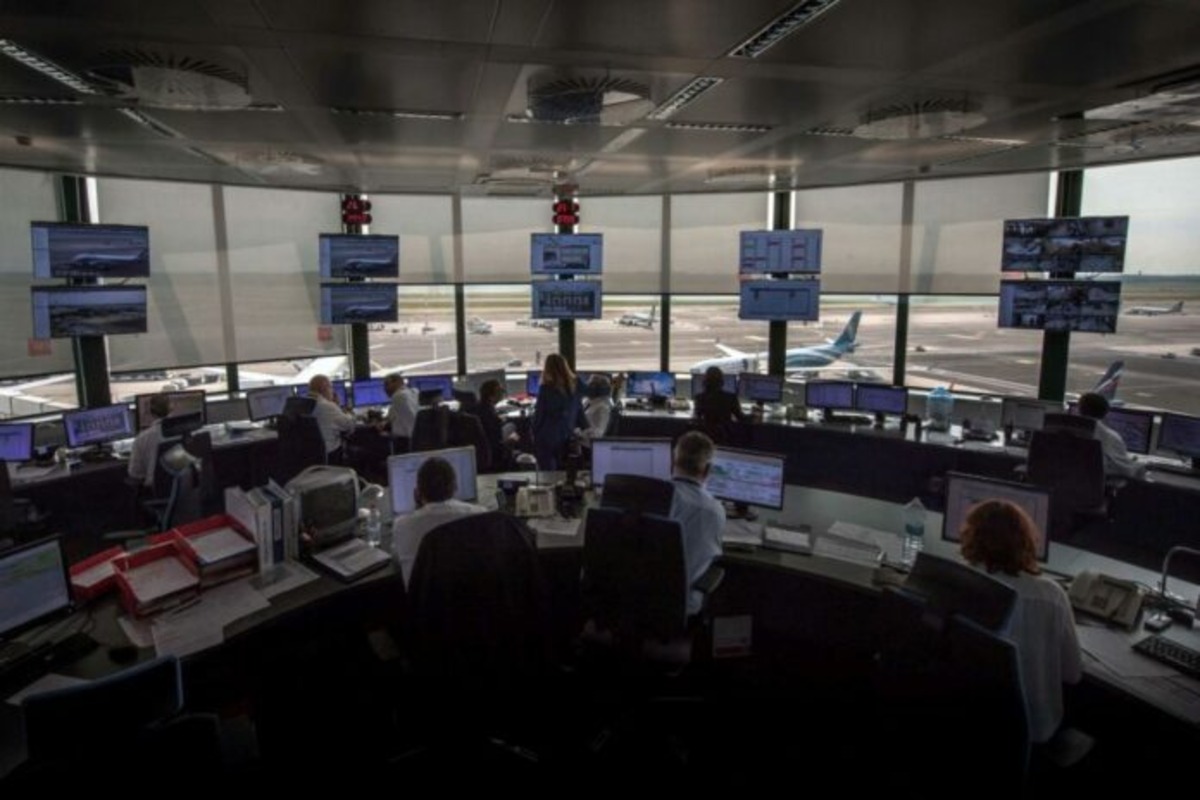
Italy’s air travel network was disrupted on Friday, 16 October 2026, after a technical failure in ENAV’s national air traffic control data transmission system forced restrictions on aircraft movements, resulting in flight cancellations and delays at Rome Fiumicino, Milan Linate, Milan Malpensa and Naples Capodichino airports. The restrictions were introduced after faults detected overnight began affecting operational capacity as morning traffic increased, prompting authorities to reduce aircraft movements to maintain aviation safety.
The disruption affected domestic and international services, creating difficulties for travellers moving between Italy, other European countries and destinations further afield. Some services were cancelled, while others experienced delays as air traffic management restrictions limited the number of aircraft that could safely pass through Italian airspace.
The incident also raised concerns about connecting journeys because delays to departing aircraft can affect later flights operating on the same day. Passengers were advised to verify their travel arrangements directly with their airlines before leaving for the airport. ENAV, Italy’s national air navigation service provider, identified the incident as a technical malfunction within its internal data transmission infrastructure. The organisation explicitly ruled out cyberattacks, hacking and sabotage, confirming that the disruption was not linked to deliberate interference.
What Happened in Italy? ENAV Network Failure Disrupts National Air Traffic
The disruption began during the night when ENAV detected technical anomalies affecting the data transmission network that supports Italian air traffic management. Despite the initial fault, full operational capacity was maintained until approximately 06:00 local time on Friday. As the morning progressed, increasing air traffic placed additional demands on the affected infrastructure. The growing volume of aircraft movements required ENAV to introduce air traffic flow management measures designed to prevent excessive pressure on the system.
Advertisement
Advertisement
These measures reduced the capacity of Italian airspace, limiting the number of aircraft that could be handled within affected traffic sectors. The decision was precautionary and aimed at maintaining operational safety rather than allowing normal traffic volumes to continue while the technical issue remained unresolved. Airlines consequently faced delays to their planned departures and arrivals, while airport operations were affected by revised schedules. The incident demonstrated how a fault in a central air traffic management system can affect multiple airports simultaneously, even when those airports are geographically separated.
Rome Fiumicino Airport Faces Cancellations to Milan, Riyadh, Tirana and Trieste
Rome Fiumicino Airport was among the most visibly affected airports, with several scheduled services cancelled as restrictions spread through Italy’s aviation network. At least four departures were reported cancelled, involving flights to Milan Linate, Riyadh, Tirana and Trieste. Other services experienced delays of up to approximately 60 minutes, affecting passengers departing from the Italian capital.
Advertisement
Advertisement
The cancelled flights covered a mixture of domestic and international destinations, illustrating how the technical fault disrupted different segments of the aviation market. Rome Fiumicino plays a central role in Italy’s international connectivity, serving travellers arriving for business, tourism and onward journeys. Travellers with separate onward bookings faced particular uncertainty because delays on one flight can affect the feasibility of reaching another departure.
Milan Linate, Milan Malpensa and Naples Airport Also Experience Disruption
Operational difficulties were not limited to Rome. Airports serving northern and southern Italy also faced delays and reported cancellations.
| Airport | Reported impact on 16 October 2026 |
| Rome Fiumicino (FCO) | At least four reported cancellations; some departures delayed by up to 60 minutes |
| Milan Linate (LIN) | Flight delays and operational restrictions affecting scheduled services |
| Milan Malpensa (MXP) | Disruption to airport operations and delays affecting flight schedules |
| Naples Capodichino (NAP) | Reported delays and cancellations linked to national traffic restrictions |
Reported airport impacts are based on the supplied incident information. A complete independently verified cancellation total for each airport was not available. Milan Linate is an important airport for domestic and European business travel, while Milan Malpensa handles a broader range of international services.
Restrictions affecting both airports therefore have implications for passengers travelling between northern Italy and other European markets. Further south, Naples Capodichino Airport also experienced disruption, affecting services associated with one of Italy’s major leisure and tourism gateways.
Why Italy’s Airspace Restrictions Could Affect Flights Across Europe
Italy occupies a strategic position within European aviation, connecting major northern European markets with Mediterranean destinations and international gateways. The country’s airspace supports aircraft travelling to and from Italian airports as well as flights crossing the country on routes between other destinations.
When air traffic controllers are required to handle fewer aircraft, airlines may need to accept revised departure slots or changes to their scheduled arrival times. Flights approaching Italian airspace may also experience delays as aircraft movements are managed within the reduced capacity limits. An aircraft arriving late at one airport may not be ready to operate its next service at the originally scheduled time. These knock-on effects can extend disruption even after the underlying technical fault is resolved. However, the available information did not establish a verified Europe-wide cancellation total attributable solely to the ENAV failure.
Advertisement
Advertisement
ENAV Rules Out Cyberattack as Technical Investigations Focus on Internal Systems
ENAV’s explanation of the incident addressed an important question surrounding the nationwide disruption: whether the failure had been caused by malicious activity. The air navigation service provider confirmed that the problem resulted from technical anomalies within its internal data transmission network. It specifically excluded the involvement of hackers, cyberattacks or sabotage.
Rather than dealing with an identified security breach, the incident involved infrastructure supporting the exchange of information needed for air traffic management. During the disruption, traffic restrictions were introduced to ensure that aircraft movements remained compatible with the operational capacity available.
The reported fault therefore highlights the importance of reliable technical infrastructure in maintaining continuity across a national aviation network. No confirmed repair completion time or full system restoration announcement was established in the information available for this report.
Passengers Face Travel Uncertainty as Airlines Adjust Flight Schedules
Passengers travelling through Rome, Milan and Naples were encouraged to check flight information directly with their airlines before setting out. This advice was particularly important for travellers with early departures, connecting flights or onward transport arrangements. Airlines may update flight schedules as additional traffic slots become available, meaning the status of a service can change after an initial delay notification.
Travellers should therefore rely on direct airline communications rather than assuming that previously published schedules remain unchanged. Those already at the airport should follow official airline and airport announcements concerning boarding, cancellations and alternative travel arrangements. Passengers whose flights are cancelled should request information about available rebooking options or reimbursement where applicable.
EU261 Passenger Rights: What Travellers Can Claim During Italy Flight Disruptions
Although air traffic control failures can fall outside an airline’s direct control, passengers continue to benefit from important legal protections. Under EU Regulation EC 261/2004, air traffic management decisions may qualify as extraordinary circumstances when they cause flight cancellations or lengthy delays.
Advertisement
Advertisement
Airlines can be exempt from paying fixed compensation where they demonstrate that the disruption resulted from extraordinary circumstances and could not have been avoided despite reasonable measures. However, such an exemption is not automatic merely because a national air traffic control problem has occurred.
The European Commission’s official passenger-rights guidance confirms these principles. Crucially, extraordinary circumstances do not generally remove airlines’ duty to provide assistance to passengers on flights covered by EU261.
Depending on the situation and eligibility thresholds, travellers may be entitled to:
- Meals and refreshments during qualifying waiting periods.
- Communication facilities.
- Hotel accommodation when an overnight stay becomes necessary.
- Transport between the airport and accommodation.
- Reimbursement or rerouting following a cancellation.
- Ticket reimbursement for qualifying delays of at least five hours if the passenger chooses not to travel.
These obligations remain relevant even where fixed cash compensation is not payable because of circumstances beyond the airline’s reasonable control. For UK travellers, UK261 may also apply to qualifying itineraries. The applicable regulation depends on the flight’s origin, destination and operating airline.
Separate Airline Strike Adds to Italy’s Aviation Concerns on 16 October
The ENAV technical disruption occurred on a day when Italy’s aviation sector was also dealing with separate industrial action. Italy’s civil aviation authority, ENAC, had published information concerning guaranteed flights in connection with an easyJet staff strike scheduled for 16 October 2026.
The authority’s notice was last updated on 12 October and identified the industrial action separately from any ENAV network fault. A flight affected by staff industrial action may have a different operational cause from a service delayed because of air traffic flow restrictions. It would therefore be inaccurate to attribute every cancellation reported at an Italian airport on Friday exclusively to the ENAV technical malfunction.
Advertisement
Advertisement
Italy’s Tourism and Business Travel Connectivity Comes Under Pressure
Italy’s major airports play an important role in supporting international tourism, corporate travel and regional economic activity. Rome provides access to the capital and central Italy, while Milan serves one of Europe’s important commercial and financial centres. Naples connects visitors with Campania and surrounding tourism destinations, making reliable airport operations especially relevant for international leisure travel. Although the ENAV incident was technical in origin, its immediate consequences extended into these travel markets.
The available evidence does not establish a measurable financial loss to Italy’s tourism industry from this incident, but the operational consequences were evident across several major gateways.
Restoration of Air Traffic Capacity Becomes the Priority
The immediate operational challenge following the ENAV fault was to restore full air traffic management capacity while maintaining established aviation safety requirements. The traffic flow restrictions introduced during the morning were intended to prevent congestion from exceeding the capacity available under the affected technical conditions. As system performance returns to normal, airlines can begin reorganising departure schedules and repositioning aircraft affected by earlier delays.
However, restoring technical capacity does not automatically mean that every disrupted flight can depart immediately. For passengers travelling on 16 October, checking individual flight status remains more reliable than relying on general statements about the condition of Italian airspace. Italy’s nationwide air traffic control disruption illustrates how a single technical fault within essential aviation infrastructure can affect multiple major airports, international connections and thousands of travel plans potentially dependent on those services.
Advertisement
