
US Along With Canada and More Discover Hamburg Through UNESCO Heritage Harbour Tours and Vibrant City Areas

Updated
Published
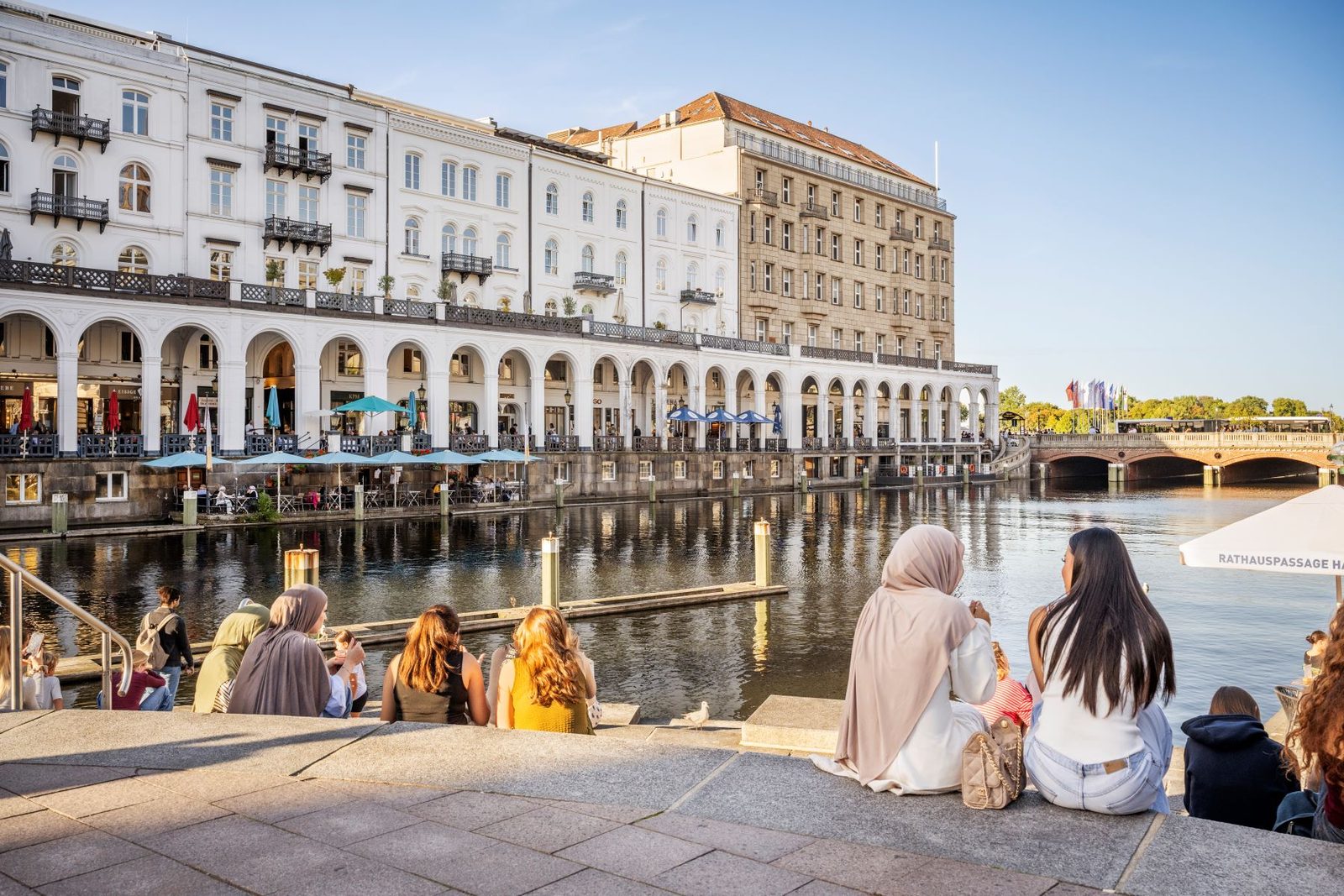
Hamburg travel in 2026 gives visitors from the US along with Canada and more international markets, including Brazil and Mexico, several very different ways to explore northern Germany. Travellers can move through HafenCity, enter the historic Speicherstadt UNESCO Heritage area, experience the nightlife of the Reeperbahn, and see Germany’s great maritime city through harbour tours. Hamburg combines historic warehouses, contemporary architecture, waterways, cultural attractions, shopping streets and entertainment districts within one urban destination. For global tourism, this strengthens Hamburg’s position as a city-break destination where maritime heritage, culture, nightlife and accessible sightseeing can form one connected travel experience.
Hamburg Travel 2026 Connects Harbour Heritage, Culture and Modern City Experiences
Hamburg’s appeal comes from the concentration of contrasting attractions within a relatively compact urban destination. HafenCity represents the modern waterfront, while neighbouring Speicherstadt preserves Hamburg’s commercial history. St. Pauli and the Reeperbahn provide nightlife and live entertainment. Landungsbrücken connects visitors directly with harbour cruises and ferries. Jungfernstieg introduces shopping and the Alster waterfront, while Planten un Blomen offers a greener side of the city. Hamburg’s official tourism organisation also promotes the Hamburg CARD, which combines local public transport and harbour ferries with discounts at participating attractions. This variety allows international travellers to build cultural, maritime and leisure experiences into one trip.
January–July 2026 visitor total: Hamburg accommodation establishments recorded 4,584,617 guests across the first seven reported months of 2026, calculated from official monthly Statistikamt Nord releases.
- HafenCity links modern architecture with Hamburg’s historic port landscape.
- Speicherstadt gives visitors direct access to UNESCO-listed heritage.
- Landungsbrücken is an important starting point for harbour exploration.
- Reeperbahn adds nightlife, theatre and live entertainment.
- Hamburg’s public transport network helps connect the major visitor districts.
| Hamburg travel area | Main visitor experience | Travel relevance |
|---|---|---|
| HafenCity | Modern waterfront | Architecture and culture |
| Speicherstadt | Historic warehouses | UNESCO heritage |
| St. Pauli | Urban entertainment | Nightlife and music |
| Landungsbrücken | Waterfront transport | Harbour tours |
| Jungfernstieg | Central promenade | Shopping and Alster access |
US Travellers Can Combine Hamburg’s UNESCO Heritage With Maritime Sightseeing
For travellers arriving from the United States, Hamburg offers a particularly strong combination of European heritage and contemporary waterfront development. Official statistics also show the US was among Hamburg’s leading foreign source markets in June 2026, demonstrating its continuing relevance to the city’s international visitor economy. American travellers can start in Speicherstadt, cross into HafenCity, visit the Elbphilharmonie and continue towards Landungsbrücken for a harbour cruise. This creates an efficient route through several of Hamburg’s defining experiences. The attraction mix suits travellers seeking architecture, European history, music, waterfront experiences and walkable city sightseeing rather than relying on a single landmark.
Advertisement
Advertisement
- US visitors were among Hamburg’s leading foreign markets in June 2026.
- Speicherstadt provides a strong historic European travel experience.
- HafenCity adds modern urban architecture beside the old warehouse district.
- Elbphilharmonie combines architecture, music and harbour views.
- Harbour cruises offer a different perspective on Hamburg’s maritime landscape.
| US traveller interest | Hamburg experience | Why it fits |
|---|---|---|
| Heritage | Speicherstadt | UNESCO-listed urban history |
| Architecture | HafenCity | Modern waterfront development |
| Music | Elbphilharmonie | Major cultural landmark |
| Maritime tourism | Harbour tours | Port and Elbe views |
| Nightlife | Reeperbahn | Live entertainment district |
Canada Travellers Can Explore Hamburg Through Walkable Neighbourhoods and Waterfront Routes
Canadian visitors can use Hamburg’s neighbourhood structure to experience several distinct parts of the city without treating each attraction as an isolated stop. A practical route can begin around Hamburg Town Hall and Jungfernstieg before moving towards Speicherstadt and HafenCity. Travellers can then continue west towards Landungsbrücken and St. Pauli. The official tourism organisation identifies the harbour, UNESCO Speicherstadt, Town Hall and Elbphilharmonie among Hamburg’s major visitor highlights. This makes Hamburg suitable for travellers who prefer neighbourhood exploration, public transport and walking. The combination of historic streets, waterfront promenades, museums, cultural venues and harbour ferries can support both short city breaks and longer stays.
- Hamburg’s main visitor areas can be linked into one urban itinerary.
- Jungfernstieg combines central sightseeing with Alster views.
- Speicherstadt provides heritage and canal-side exploration.
- HafenCity adds museums, restaurants and contemporary architecture.
- Public transport and harbour ferries improve movement between districts.
| Suggested area | Main experience | Suitable for |
|---|---|---|
| Alt- & Neustadt | Town Hall and central city | First-time visitors |
| Jungfernstieg | Shopping and Alster | Leisure travellers |
| Speicherstadt | Heritage and canals | Culture travellers |
| HafenCity | Architecture and waterfront | City-break visitors |
| St. Pauli | Harbour and nightlife | Evening exploration |
Brazil Travellers Can Discover Hamburg Through Culture, Music and Waterfront Entertainment
For travellers from Brazil, Hamburg can work as a European city-break destination built around culture and entertainment as much as historic sightseeing. The Elbphilharmonie anchors the city’s cultural offering, while St. Pauli and the Reeperbahn provide nightlife, live music and theatre. The official Hamburg tourism site describes the Reeperbahn as a major live-music and entertainment area and places the harbour only a short distance away. This allows visitors to move from daytime maritime sightseeing into evening entertainment without changing destinations. Speicherstadt and HafenCity add architectural interest, while Jungfernstieg and central Hamburg support shopping and dining. The resulting travel mix is broader than a traditional heritage-only itinerary.
Advertisement
Advertisement
- Elbphilharmonie gives cultural travellers a major architectural landmark.
- Reeperbahn supports live music and nightlife tourism.
- St. Pauli combines entertainment with access to the harbour.
- HafenCity adds dining, museums and contemporary urban spaces.
- Speicherstadt balances modern Hamburg with historic character.
| Brazil traveller focus | Hamburg area | Experience |
|---|---|---|
| Music | Elbphilharmonie | Concert culture |
| Nightlife | Reeperbahn | Bars, clubs and entertainment |
| History | Speicherstadt | Maritime heritage |
| Architecture | HafenCity | Modern city design |
| Waterfront leisure | Landungsbrücken | Harbour views and cruises |
Mexico Travellers Can Explore Hamburg Through Maritime History and Urban Culture
Visitors from Mexico can experience Hamburg through a combination of historic trade heritage, waterfront activity and modern urban culture. Speicherstadt is especially important because it reflects Hamburg’s development as an international trading city. The German UNESCO Commission states that Speicherstadt and the Kontorhaus district with Chilehaus were added to the World Heritage List in 2015. Speicherstadt includes 15 major warehouse blocks built between 1885 and 1927 across a roughly 1.1-kilometre network of narrow islands. This heritage zone sits beside modern HafenCity, allowing travellers to see old and new Hamburg within the same part of the city.
- Speicherstadt entered the UNESCO World Heritage List in 2015.
- Its 15 major warehouse blocks date from 1885 to 1927.
- The warehouse area extends roughly 1.1 kilometres.
- HafenCity provides a modern contrast beside the heritage district.
- Nearby harbour attractions allow heritage visits to become broader maritime itineraries.
| Heritage feature | Verified detail | Traveller value |
|---|---|---|
| UNESCO inscription | 2015 | International heritage recognition |
| Warehouse blocks | 15 | Large historic complex |
| Speicherstadt length | About 1.1 km | Walkable heritage landscape |
| UNESCO property | 26.08 hectares | Extensive protected area |
| Chilehaus | 4.8 million bricks | Architectural interest |
HafenCity and Speicherstadt Give International Visitors Two Versions of Hamburg
Few parts of Hamburg show the city’s transformation as clearly as HafenCity and Speicherstadt. Speicherstadt represents the historic port economy through red-brick warehouses, canals and bridges. HafenCity represents contemporary development beside the River Elbe. Hamburg’s official tourism organisation describes HafenCity as a major inner-city urban development area combining restaurants, cafés, culture, leisure facilities and cruise activity. Attractions include the Elbphilharmonie, International Maritime Museum and historic vessels at Sandtorhafen. Because the areas sit side by side, travellers from the US, Canada, Brazil and Mexico can explore centuries of Hamburg’s evolution without travelling across the entire metropolitan area.
- Speicherstadt represents Hamburg’s historic trading identity.
- HafenCity illustrates the city’s modern waterfront transformation.
- Elbphilharmonie is a central architectural and cultural landmark.
- Maritime museums expand the destination’s port-related appeal.
- Walking between the two districts creates an efficient sightseeing route.
| Area | Character | Major appeal |
|---|---|---|
| Speicherstadt | Historic | UNESCO heritage |
| HafenCity | Contemporary | Architecture |
| Elbphilharmonie | Cultural | Music and views |
| Sandtorhafen | Maritime | Historic vessels |
| Überseequartier | Urban leisure | Shopping and dining |
Reeperbahn and St. Pauli Extend Hamburg Travel Beyond Daytime Sightseeing
Hamburg’s tourism economy is not limited to museums and historic buildings. St. Pauli and the Reeperbahn provide a major evening component. Hamburg’s official tourism organisation describes the Reeperbahn as approximately 930 metres of nightlife and entertainment. Nearby Landungsbrücken stretches about 700 metres and functions as a waterfront departure point for harbour tours and ferries. This geographical proximity allows visitors to combine maritime sightseeing with entertainment in a single district. Travellers can spend the afternoon around the harbour, watch ships on the Elbe, take a boat trip and then move into St. Pauli for restaurants, music venues, theatres and nightlife.
- Reeperbahn extends roughly 930 metres through the entertainment district.
- Landungsbrücken provides around 700 metres of waterfront infrastructure.
- Harbour tours depart from the Landungsbrücken area.
- St. Pauli combines dining, live entertainment and nightlife.
- The harbour-to-Reeperbahn route creates a compact day-to-night itinerary.
| Experience | Area | Best travel use |
|---|---|---|
| Harbour cruise | Landungsbrücken | Daytime sightseeing |
| Ship watching | Elbe waterfront | Leisure |
| Live music | Reeperbahn | Evening |
| Theatre | St. Pauli | Cultural entertainment |
| Dining | St. Pauli | Day or evening |
Hamburg UNESCO Heritage Gives City Breaks Greater Cultural Depth
The UNESCO-listed Speicherstadt and Kontorhaus District with Chilehaus gives Hamburg international heritage significance beyond its modern attractions. The German UNESCO Commission says the protected property covers 26.08 hectares and represents the growth of international trade during the late nineteenth and early twentieth centuries. Speicherstadt contains 15 major warehouse blocks, while the neighbouring Kontorhaus district became an important centre of office architecture. Chilehaus is especially distinctive, containing approximately 2,800 windows and 4.8 million bricks. These verified details give international visitors a more meaningful way to understand Hamburg’s history as a port and commercial city rather than viewing Speicherstadt simply as a photogenic district.
- The UNESCO property covers 26.08 hectares.
- Speicherstadt contains 15 major warehouse blocks.
- The warehouse district stretches approximately 1.1 kilometres.
- Chilehaus incorporates about 2,800 windows.
- Around 4.8 million bricks were used in Chilehaus.
| UNESCO feature | Figure | Significance |
|---|---|---|
| Inscription year | 2015 | World Heritage recognition |
| Property size | 26.08 ha | Protected cultural landscape |
| Warehouse blocks | 15 | Historic port infrastructure |
| Chilehaus windows | 2,800 | Architectural scale |
| Chilehaus bricks | 4.8 million | Construction heritage |
Conclusion
The US along with Canada and more long-haul markets such as Brazil and Mexico can explore Hamburg through HafenCity, Reeperbahn, UNESCO Heritage and harbour tours because the city brings several different travel experiences into a connected urban landscape. HafenCity introduces modern waterfront Hamburg. Speicherstadt adds protected international heritage. The Reeperbahn and St. Pauli extend sightseeing into music and nightlife, while Landungsbrücken and harbour tours reveal the maritime character that shaped Hamburg. Together, these districts make Hamburg suitable for travellers seeking culture, architecture, entertainment, heritage, shopping and waterfront experiences within one European city break.
Advertisement
