
United States Takes Bold Tourism Action in Charleston as Crowding and Parking Put Local Life Under Pressure

Published
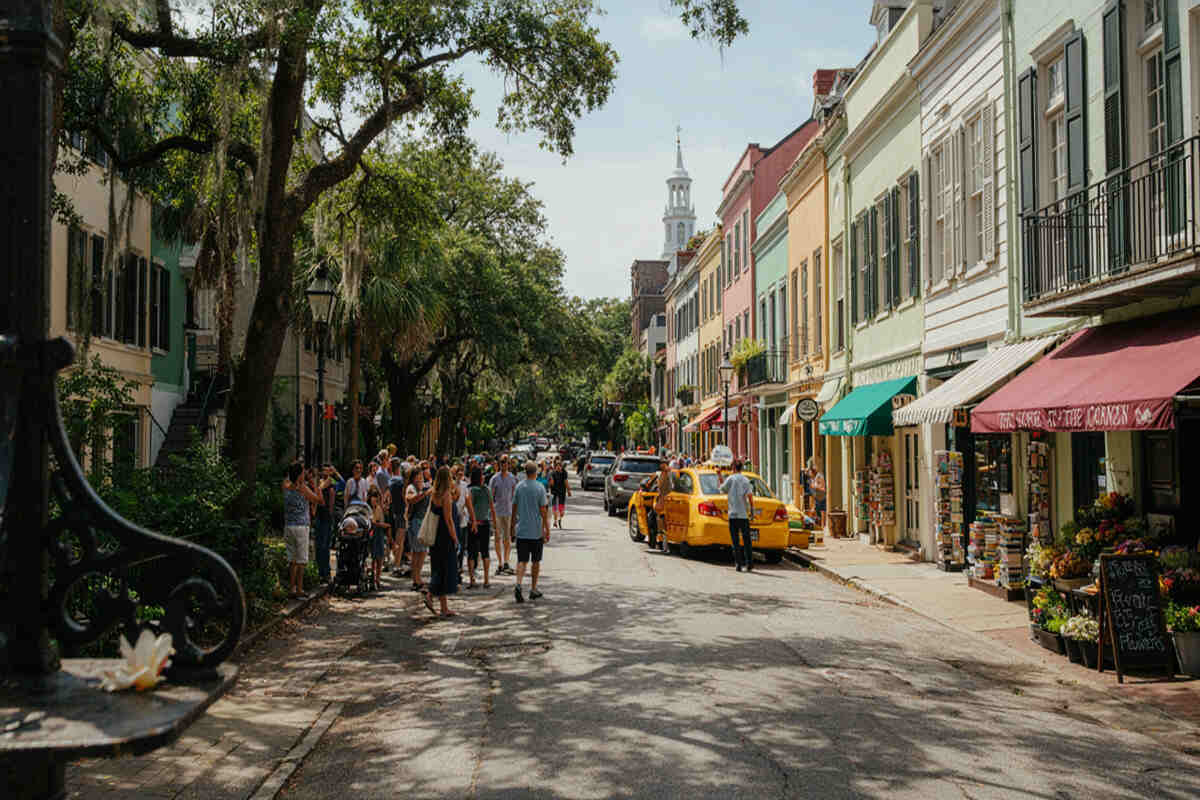
Charleston is rethinking tourism to reduce crowds and congestion and put residents first. Charleston in the United States is poised to overhaul its tourism management as residents get their final chance to shape the city’s approach to visitors, transportation, public spaces, business and the residential environment. The new strategy is designed to supplant the tourism plan last updated in 2015 and provide a more data-driven approach to balancing Charleston’s visitor economy with the needs of everyday residents.
Charleston Prepares Its First Major Tourism Plan Update Since 2015
Charleston is entering an important stage in the development of its next tourism management plan. The existing framework has not received a comprehensive update since 2015, making the forthcoming strategy a significant change in how the South Carolina destination approaches tourism growth and its effects on local communities.
Advertisement
Advertisement
The new document will represent the fourth revision of Charleston’s tourism management strategy since 1978. That long history shows that visitor management is not a new issue for the city. What has changed is the scale and complexity of modern tourism. Visitor movements, congestion, parking, restaurant availability, neighbourhood activity and pressure on public spaces now need to be considered together rather than as separate issues.
Charleston therefore wants the updated framework to look beyond attracting tourists. The emphasis is increasingly on managing tourism in a way that protects the quality of the destination while ensuring residents can continue to enjoy their own city.
Advertisement
Advertisement
Five Key Pillars Will Shape the New Tourism Strategy
The new tourism management plan is being developed around five main pillars, with data identified as one of the central areas of attention. Better information is expected to help Charleston understand tourism patterns more precisely and make future decisions based on measurable conditions.
The city wants greater visibility into where visitors travel during their stay, how they reach Charleston, how they move around the destination, how much money they spend and where that expenditure ultimately flows.
Advertisement
Advertisement
This approach could give local authorities a much clearer picture of tourism’s economic and physical footprint. Visitor numbers alone cannot explain whether tourism is benefiting different neighbourhoods, putting excessive pressure on particular areas or supporting local businesses evenly.
Charleston also intends to make tourism information more accessible to residents. Annual reporting is expected to become an important part of this approach, allowing the public to see how visitor activity is changing and how tourism affects communities over time.
Residents Become Central to Charleston’s Tourism Future
A major theme emerging from the planning process is the relationship between tourism and resident quality of life. Charleston remains a popular visitor destination, but successful tourism management increasingly requires cities to consider whether local communities still feel comfortable using busy tourism districts themselves.
Feedback gathered during the process indicates that some residents have reduced visits to places they previously enjoyed. Crowding, difficulties finding parking and challenges securing restaurant reservations have been identified among the factors affecting how residents interact with heavily visited parts of Charleston.
That creates a wider destination-management challenge. Restaurants, shops, streets and public spaces may attract large numbers of travellers, but they also form part of the daily social and commercial life of the city.
The new strategy is consequently looking at what changes could encourage residents to return to these areas. Maintaining access for local people could become an important measure of whether tourism is being managed successfully rather than simply whether visitor numbers continue to rise.
Advertisement
Advertisement
West Ashley and Daniel Island Could Gain Greater Tourism Attention
The planning process is also considering whether visitor activity can be distributed more widely across Charleston. West Ashley and Daniel Island are among the locations being discussed as areas that could potentially receive greater attention.
Spreading visitor activity could help reduce pressure on the most heavily travelled parts of the city while introducing travellers to a broader range of neighbourhoods and local businesses. Such an approach can also extend tourism expenditure beyond established visitor corridors.
This does not necessarily mean turning every neighbourhood into a major tourist district. Instead, destination management can identify places where additional visitor activity is appropriate and where transport, public infrastructure and commercial capacity can support it.
A wider geographical tourism strategy could therefore become an important component of Charleston’s long-term approach. It could provide visitors with more choices while helping the city manage congestion and overcrowding in locations already experiencing strong tourism demand.
Transport and Public Spaces Are Emerging as Critical Issues
Tourism management in Charleston is closely connected with transportation and the use of public space. These issues also overlap with wider planning work affecting the Peninsula, creating an opportunity for the city to coordinate tourism policy with broader urban priorities.
Parking is particularly important because it directly influences both residents and visitors. When popular areas become difficult to access, the effects extend beyond inconvenience. Residents may stop visiting businesses, public spaces and restaurants, while travellers may experience longer journeys or congestion.
Advertisement
Advertisement
Public spaces face similar pressures. Streets, waterfront areas, commercial districts and gathering places must serve permanent communities while accommodating temporary increases in population generated by tourism.
The updated plan therefore has the potential to connect tourism more closely with mobility, urban design and neighbourhood management. Instead of treating tourism as a separate economic sector, Charleston can examine how visitor activity interacts with the physical operation of the city.
More Tourism Data Could Improve Transparency and Decision-Making
One of the strongest changes under consideration is greater city involvement in tourism data. Charleston has historically had access to visitor information released through the destination marketing sector, but the city is working towards producing additional information rather than depending solely on externally published tourism statistics.
This could become particularly important during peak tourist periods. More frequent and detailed reporting could reveal when and where visitor pressure becomes strongest and whether tourism expenditure is reaching a wider range of businesses and communities.
Data can also help separate perception from measurable trends. Information about visitor movements, transport behaviour, expenditure and geographic distribution can provide evidence for decisions concerning parking, infrastructure and destination promotion.
Greater transparency may also strengthen public understanding of tourism. By releasing information consistently from year to year, Charleston can show residents how the sector is changing and provide a clearer basis for evaluating whether management measures are producing the intended results.
Advertisement
Advertisement
Final Public Input Will Help Shape Charleston’s Next Tourism Chapter
Charleston is now approaching the final stage of public engagement before the draft tourism management plan is completed. The city is holding its last open input session from 3 p.m. to 6 p.m. on Thursday at the Charleston Civic Design Center.
Residents unable to attend can still participate through the available survey before the consultation period closes. The feedback will contribute to a framework expected to guide how Charleston handles visitor activity, resident access, public spaces, transportation and tourism-related economic opportunities.
For Charleston, the challenge is no longer simply attracting travellers. The larger task is ensuring that a successful visitor economy remains compatible with a livable city.
The forthcoming tourism management plan represents an opportunity to create that balance. By combining stronger data, greater transparency, neighbourhood planning and resident feedback, Charleston can develop a tourism model that protects its appeal to travellers while keeping local communities firmly at the centre of the destination’s future.
Advertisement
