
Spain Works With US And More In Boosting Jamaica GDP Tourism Growth Target To 3% As Aviation And Resorts Fuel Comeback

Published
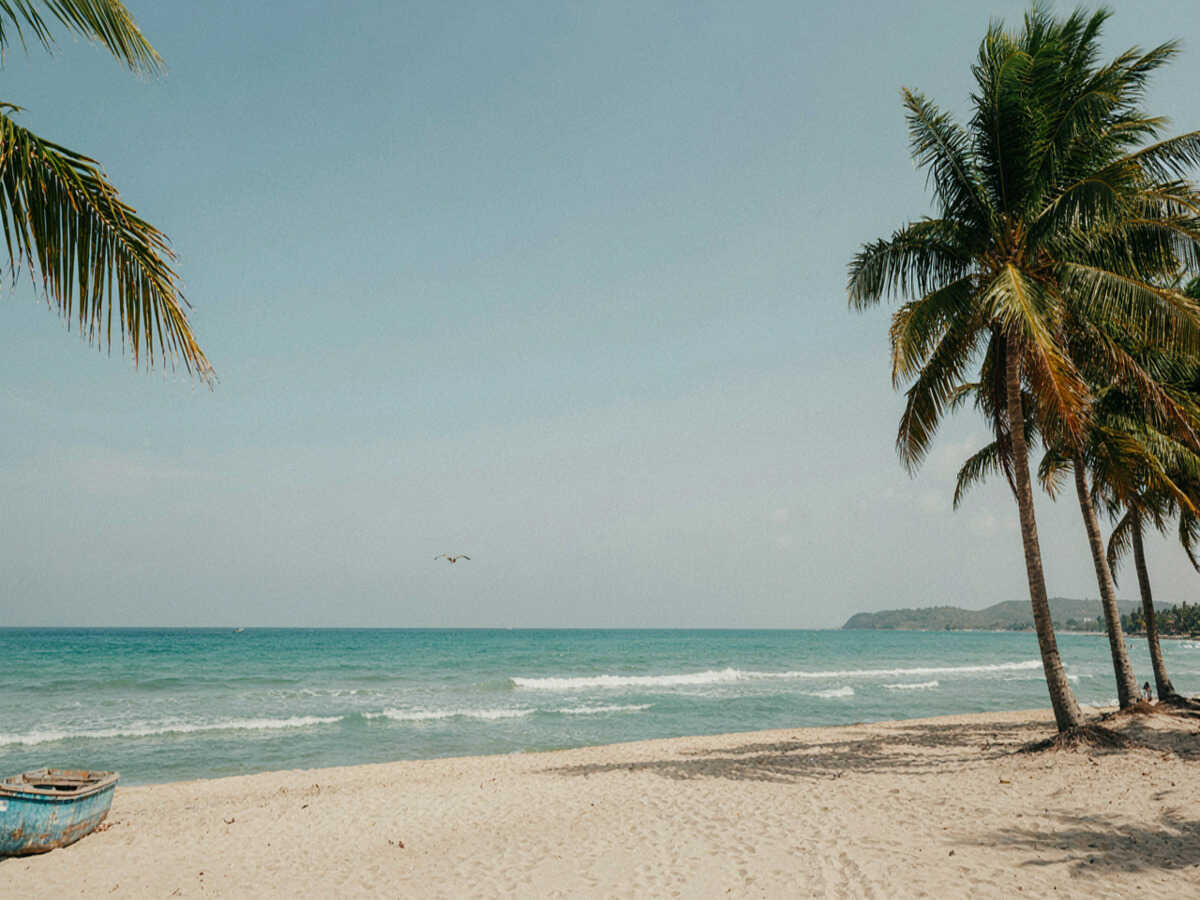
Jamaica’s economy moves closer to a stronger recovery as tourism, aviation, and resort investments recover in 2026 with the support of Spain, the United States, and other significant marketplaces. Countries such as Spain, the United States, Canada, the UK, Colombia, Panama, and other Latin American countries provide different levels of assistance to the destination in order to help with recovery. Some contribute by providing tourists, some assist by helping aviation, whereas Spain provides assistance by helping hotel investments and new markets by reducing dependency on few economies.
Jamaica is aiming for real GDP growth of up to 3% in FY2026/27 as the country recovers from hurricane-related disruption. Tourism remains central because visitor spending moves through hotels, restaurants, transport, attractions, agriculture, retail and construction.
Advertisement
Advertisement
Spain Drives Resort Investment And Hotel Expansion
Spain is becoming increasingly important through hospitality investment. Spanish-linked hotel groups already have a strong presence in Jamaica’s leading resort areas, and their role extends beyond bringing Spanish visitors.
One example is the expansion connected with Excellence Oyster Bay near Falmouth. The resort has about 300 rooms, but investors are preparing a much larger development programme. Additional accommodation is expected in the first phase, while the longer-term vision could create about 2,000 Excellence rooms across five properties.
Advertisement
Advertisement
This matters for Jamaica’s economy because hotel investment generates activity before new rooms open. Construction companies receive contracts, workers gain jobs and suppliers sell materials. Once resorts operate, demand rises for food, transport, maintenance and entertainment.
Spain therefore contributes through capital, hotel capacity and hospitality employment as Jamaica rebuilds room inventory.
Advertisement
Advertisement
United States Remains Jamaica’s Largest Tourism Engine
The United States remains Jamaica’s most powerful international tourism market. Roughly three-quarters of Jamaica’s stopover visitors come from the US, giving American travellers enormous influence over hotel occupancy, visitor spending and foreign-exchange earnings.
The impact reaches beyond resorts. More American visitors mean additional airport passengers, taxi journeys, restaurant customers and attraction bookings. Hotels also purchase more food, beverages and services, supporting domestic suppliers.
Advertisement
Advertisement
Jamaica has continued protecting air connections with major US gateways while strengthening destination marketing. The United States also matters through business links and investment.
No other external visitor market currently matches the scale of US demand. Strong American arrivals can help reopened resorts regain occupancy while supporting the wider visitor economy.
Canada Builds Momentum Through Stronger Airlift
Canada is another major market helping Jamaica rebuild demand. Canadian travellers have long formed one of the island’s most dependable leisure segments.
Jamaica entered the 2025/26 winter period with Canadian airline capacity rising by about 22%. Additional airlift creates stronger prospects for hotel occupancy as accommodation capacity returns.
Advertisement
Advertisement
Jamaica also aims to attract around 600,000 Canadian visitors annually and generate about US$750 million in tourism earnings from Canada by 2030.
Higher Canadian arrivals support hotels, restaurants, transfer companies and attractions. Canada therefore contributes both volume and stability, making it valuable during Jamaica’s recovery.
United Kingdom Expands Jamaica’s European Base
The United Kingdom is strengthening Jamaica’s position in Europe. UK visitor arrivals have exceeded 230,000, while additional airline capacity is improving access.
About 136,640 seats were scheduled between the UK and Jamaica for summer 2026, compared with around 125,658 in the previous summer. That represents growth of about 8.7%.
British Airways, Virgin Atlantic and TUI support these connections. Their flights help hotels, tours, restaurants and other tourism businesses.
The UK also reduces Jamaica’s dependence on North America. A diversified visitor base gives the country greater resilience if demand weakens in one region.
Advertisement
Advertisement
Colombia Opens A New Latin American Route
Colombia is emerging as a promising source market. Jamaica has strengthened promotional activity in Bogotá while working with Avianca and Wingo to improve connectivity.
Easier connections lower travel barriers for Colombian visitors and give Jamaica greater access to South America.
Colombia is strategically valuable because Jamaica wants to broaden its visitor mix beyond the United States, Canada and the United Kingdom. More Colombian travellers can help fill rooms during different periods.
Although Colombia does not yet match North American volumes, its importance lies in future potential and diversification.
Panama Strengthens Jamaica Through Connectivity
Panama’s value comes mainly through aviation. Panama City is an important connecting hub, and Copa Airlines gives Jamaica access to travellers across Central and South America.
Flights linking Panama City with Kingston and Montego Bay expand Jamaica’s reach beyond Panama itself. Travellers from markets without direct Jamaica services can connect through the hub.
Advertisement
Advertisement
Better regional connectivity can help Jamaica develop new markets, support hotel occupancy and reduce dependence on US transit gateways.
Latin America Becomes A New Growth Frontier
Argentina, Brazil, Chile, Peru and Mexico are becoming increasingly relevant to Jamaica’s tourism ambitions.
Visitor arrivals from Latin America increased by more than 62,000 passengers in 2025. Tourism earnings from the region climbed from more than US$55 million in 2023 to around US$116 million, representing growth of about 108%.
Peru, Argentina and Chile recorded strong improvements, while Brazil and Mexico remain strategically important because of their large outbound travel markets.
Jamaica expects around 100,000 Latin American visitors in 2026, potentially rising to about 175,000 in 2027.
How Key Markets Support Jamaica’s Recovery
| Country or market | Main contribution | Economic impact |
|---|---|---|
| Spain | Resort investment and hotel expansion | Construction, jobs and room supply |
| United States | Largest visitor source market | Occupancy and visitor spending |
| Canada | Expanding airlift | Leisure demand and tourism revenue |
| United Kingdom | European connectivity | Diversification and long-haul visitors |
| Colombia | Air links and promotion | Emerging South American demand |
| Panama | Regional aviation hub | Wider Latin American connectivity |
| Argentina, Brazil, Chile, Peru and Mexico | Growing visitor markets | Broader source-market mix |
| Saudi Arabia and UAE | Potential financing and investment | New capital opportunities |
Hospitality Still Faces A Difficult Recovery
Jamaica’s comeback is meaningful, but hospitality has not yet returned to uninterrupted growth.
Advertisement
Advertisement
Accommodation and food-service activity contracted by about 16.6% during the first quarter of 2026. The decline moderated to around 12.2% during the second quarter. Across the first six months, the sector remained roughly 14.4% below the same period of 2025.
These figures reflect hurricane-related hotel closures and reduced tourism capacity.
However, the direction became more encouraging as inventory returned. By mid-2026, around 80% of Jamaica’s hotel rooms had returned to operation.
That restoration is crucial because airlines can bring passengers only when sufficient accommodation is available. More reopened rooms allow rising airlift to translate more effectively into visitor spending.
Five Thousand Rooms Signal Long-Term Confidence
Jamaica’s hotel pipeline is one of the clearest signs of confidence in its tourism future.
Around 5,000 hotel rooms were under construction by September 2026. Over the next 10 to 15 years, Jamaica expects to add approximately 20,000 rooms.
Advertisement
Advertisement
This expansion can create employment during construction and after opening. New hotels require builders, engineers and suppliers before launch, followed by permanent positions in housekeeping, food service, management and maintenance.
The benefits can spread further if hotels purchase more goods and services locally. Jamaica’s Tourism 3.0 strategy emphasises stronger local linkages so visitor spending creates greater value inside the country.
Tourism Earnings Keep Billions Moving
Despite reduced accommodation capacity, Jamaica welcomed approximately 2.34 million visitors between January and August 2026. Those travellers generated around US$2.5 billion in tourism earnings.
Visitors pay for accommodation, restaurants, excursions, taxis, entertainment and shopping. Hotels purchase food, beverages, technology and services. Employees then spend wages throughout the wider economy.
The resulting multiplier effect spreads tourism income across numerous industries.
Stronger airlift from the United States, Canada and the United Kingdom, combined with Spanish resort investment and rising Latin American demand, can therefore influence far more than hotels.
Advertisement
Advertisement
Saudi Arabia And UAE Add Investment Potential
Jamaica is also looking beyond traditional tourism partners for capital.
Saudi Arabia has emerged as a potential tourism financing partner. Discussions have included investment structures, technical support and opportunities for smaller Jamaican tourism businesses, including hotels, tour operators, craft businesses and community enterprises.
The United Arab Emirates is also becoming relevant through tourism promotion, investment discussions and business relationships.
Neither market currently rivals the US, Canada or UK in visitor volume. Their importance lies in financing, partnerships and diversification.
Aviation And Resorts Become Twin Recovery Engines
Jamaica’s recovery increasingly depends on aviation and hospitality working together. New hotels need passengers, while airlines need strong accommodation capacity and attractive tourism products.
Spain contributes resort investment. The United States supplies enormous visitor demand. Canada provides growing airlift. The United Kingdom strengthens European access. Colombia and Panama improve Latin American links. Argentina, Brazil, Chile, Peru and Mexico broaden the future visitor base. Together, these markets create a more diversified tourism system.
Advertisement
Advertisement
Jamaica’s 3% GDP Ambition Gains Tourism Support
Jamaica’s potential 3% GDP growth should not be attributed to tourism alone. Agriculture, mining, construction, infrastructure recovery and domestic consumption also affect economic performance.
However, tourism remains one of the country’s most important channels for generating foreign exchange, supporting employment and stimulating business activity.
The strongest signal in 2026 is the combination of several forces. Hotels are reopening. Thousands of rooms are under construction. International air capacity is strengthening. Latin American demand is expanding. Traditional markets continue sending travellers, while new investment partners are emerging.
Spain, the United States, Canada, the United Kingdom and other countries are supporting Jamaica in different ways. Their collective contribution is helping restore tourism momentum. This broader international support gives Jamaica more routes to rebuild tourism revenues and strengthen hospitality demand.
Growth in Spain, the United States, and other economies help Jamaica recover through tourism as its GDP recovers with the help of the increased aviation, resort investments, and tourists’ arrivals.
Tourism will be one of the key pillars for the recovery of Jamaica’s economy and efforts to get into the higher part of the 1% to 3% GDP growth projection if aviation, resorts, and tourism continue to improve.
Advertisement
