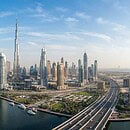
Image generated with Ai
Uganda aligns with South Africa and more African destinations in boosting the African business tourism sector with massive investment in MICE infrastructure, events and strategic measures in 2026, as countries expand convention facilities, aviation links, commercial experiences and high-value corporate travel opportunities to attract global delegates and strengthen economic growth.
Uganda’s emerging business tourism proposition is being strengthened by two assets that might initially appear unrelated: coffee and aviation.
Advertisement
Coffee has become an enormous economic force. Uganda exported approximately 8.8 million 60-kilogram bags worth US$2.4 billion in the year ending April 2026. This represented substantial growth in both export volume and value and gives the country another platform from which to develop specialised commercial travel.
The tourism opportunity lies in turning that success into experiences and business events. Coffee buyers, agricultural investors, exporters, hospitality executives and specialist travellers already have commercial reasons to visit Uganda. Origin experiences, plantation visits, processing tours, investment forums and coffee-related events could create additional tourism expenditure around those journeys.
Advertisement
Advertisement
Aviation is strengthening the proposition further. Uganda Airlines launched scheduled services to Accra and Kigali in August 2026, with Accra receiving four weekly flights and Kigali gaining daily service.
The Accra connection is particularly significant because it improves links between East and West Africa. Easier access could help Kampala and Entebbe compete for corporate gatherings involving delegates from different African regions while simultaneously supporting tourism, trade and investment.
South Africa enters the business tourism race with an advantage few African competitors possess: scale. Between January and June 2026, the country welcomed 5,584,473 international tourists, representing growth of 12.3% year on year. African arrivals increased an even stronger 14.3%, while overseas tourism expanded 5.6%, creating a sizeable international visitor base that can support meetings, conferences and incentive travel.
Those figures matter because South Africa already possesses an established ecosystem of international airports, hotels and conference venues across Johannesburg, Cape Town and Durban. Cape Town can combine international meetings with mountains, vineyards, restaurants and coastal experiences, while Johannesburg provides extensive corporate connectivity and access to the wider southern African economy. South Africa’s advantage is therefore not simply convention infrastructure. It can sell delegates a complete business-and-leisure journey, encouraging conference visitors to extend their stays into safaris, wine-country trips, cultural experiences and city breaks.
Advertisement
Advertisement
Angola has made an unusually bold entry into Africa’s conference market with the Luanda Convention Palace, inaugurated by President João Lourenço on 24 August 2026 in Chicala. Built across approximately 80,000 square metres, the complex includes a multipurpose theatre capable of accommodating 3,000 people, a 375-seat conference hall, meeting facilities, catering areas and extensive parking. The complex also contains 12 working rooms, creating capacity for simultaneous diplomatic, corporate, political and professional gatherings.
Its importance extends beyond architecture. Angola previously depended heavily on hotels and temporary facilities for major gatherings, while the new venue provides Luanda with dedicated infrastructure for political summits, economic forums, scientific meetings, conferences and cultural events. For business tourism, the opportunity is considerable because major conferences generate demand for hotel rooms, restaurants, transport, security, event production and corporate hospitality. The next challenge is ensuring accommodation, aviation capacity, professional event services and private investment expand alongside the new convention infrastructure.
Zanzibar’s opportunity is different. Rather than relying exclusively on additional resort construction, the island has strong reasons to connect its tourism economy more deeply with agriculture, fisheries, food production and other domestic industries.
Agriculture remains enormously important to Zanzibar, supporting the livelihoods of approximately 70% of the population directly and indirectly and contributing 24.3% of GDP in 2024. Food self-sufficiency has also increased significantly over the past decade following substantial investment.
For business tourism, this creates opportunities extending beyond conventional conferences. Zanzibar can position itself for investment meetings, hospitality forums, sustainable tourism conferences, agricultural gatherings and incentive travel built around its established international leisure reputation.
The commercial opportunity lies in connecting these sectors. Hotels require food, transport, logistics and services, while tourism investors need reliable local suppliers. International conferences can introduce domestic businesses to overseas partners and potential investors.
Zanzibar already has powerful global destination recognition. The next step is using that reputation to attract investment discussions, professional events and corporate travellers alongside conventional holidaymakers.
The Gambia has traditionally been recognised internationally as a winter-sun destination, particularly among European travellers. Its next opportunity could lie much closer to home in the rapidly developing corporate economies of West Africa.
Nigeria is particularly significant. Lagos contains one of Africa’s largest concentrations of companies, entrepreneurs and professional organisations, creating a potentially valuable market for conferences, incentive trips, executive retreats and corporate gatherings.
For The Gambia, the attraction is straightforward. Business tourism could help diversify demand away from a model heavily influenced by European leisure seasonality.
A Nigerian company organising a strategy retreat or incentive programme has different requirements from a conventional beach holidaymaker. Delegates need meeting facilities, accommodation, restaurants, transportation, technology and organised experiences, producing concentrated expenditure across several parts of the tourism economy.
The Gambia’s compact geography can become an advantage. Corporate groups can combine meetings with coastal accommodation and leisure activities without complicated domestic transfers.
However, marketing alone cannot create a competitive MICE destination. Aviation access, hotel standards, conference infrastructure and professional event services will determine how successfully the country can convert regional corporate interest into sustained business tourism.
| Destination | 2026 Business Tourism Driver | Strategic Opportunity |
|---|---|---|
| Angola | New Luanda Convention Palace | International conferences, summits and corporate events |
| South Africa | 12.3% H1 international tourism growth | Expand established MICE and incentive market |
| Tanzania/Zanzibar | Tourism and productive-sector integration | Investment, sustainability and incentive events |
| Uganda | New Accra and Kigali flights | Stronger African corporate connectivity |
| Uganda | Coffee exports worth about US$2.4 billion | Agribusiness travel and specialist events |
| The Gambia | Regional corporate-market opportunity | West African meetings and incentive tourism |
MICE tourism can be disproportionately valuable because a conference delegate does not spend money only on a hotel bed. An international event creates demand for meeting rooms, catering, transport, audiovisual production, interpreters, security, restaurants, entertainment and organised excursions.
Business visitors can also help destinations overcome seasonality.
A beach resort may struggle during quieter leisure months, but conferences and incentive groups can generate demand outside traditional holiday periods. That gives hotels opportunities to maintain occupancy, revenue and employment more consistently throughout the year.
Business travel can additionally become leisure travel. A delegate attending a conference in Cape Town may add the Winelands to the journey; someone travelling to Uganda for an agribusiness meeting could extend the trip with a wildlife experience; an executive attending an event in Zanzibar may stay for a beach holiday.
That combination makes business tourism particularly attractive to governments seeking greater economic value from international arrivals.
Conference centres cannot operate successfully in isolation. Delegates must be able to reach them conveniently.
This makes aviation connectivity one of the decisive factors shaping Africa’s business tourism competition.
South Africa benefits from Johannesburg’s extensive international and African connectivity, while Cape Town has steadily strengthened its long-haul aviation position. Uganda’s new routes demonstrate how airlines can unlock additional regional corporate markets, particularly when they remove the need for complicated connecting journeys.
Angola faces a similar opportunity. A world-class convention venue becomes substantially more valuable when international delegates can reach Luanda efficiently and find sufficient high-quality accommodation after arriving.
Airlines, airports, hotels and conference facilities consequently form part of the same business tourism ecosystem.
Building a major convention centre creates capacity for thousands of delegates, but those visitors must also be accommodated.
This is particularly important for Angola.
A major international summit can generate substantial hotel demand within a relatively short period. If accommodation capacity does not expand alongside conference infrastructure, a destination can struggle to accommodate multiple large events or sustained business tourism growth.
Private investment therefore becomes critical.
New international hotels, serviced apartments, restaurants and professional hospitality services can multiply the economic effect of convention infrastructure.
South Africa demonstrates the advantage of having an established hotel ecosystem around major conference destinations. Cape Town and Johannesburg can accommodate different categories of traveller, from senior executives seeking luxury hotels to larger delegations requiring substantial room inventories.
For emerging MICE destinations, developing this accommodation depth will be essential.
Business tourism also creates opportunities to direct spending beyond conventional attractions.
Conference organisers increasingly build local experiences into delegate programmes, including restaurants, cultural attractions, guided excursions and entertainment.
In Angola, international events could expose delegates to more of Luanda and potentially encourage subsequent leisure journeys elsewhere in the country.
Uganda can connect conferences with coffee experiences, wildlife and cultural tourism.
Zanzibar can combine professional events with beaches, heritage, gastronomy and locally supplied tourism experiences.
South Africa can link meetings with safaris, wine regions and urban tourism.
The Gambia can position coastal leisure as an extension of corporate retreats.
This ability to combine professional travel with distinctive experiences could become one of Africa’s strongest competitive advantages.
The five destinations are not following identical strategies, and that is precisely what makes Africa’s 2026 business tourism landscape interesting.
Angola is building physical capacity. South Africa is leveraging scale and established infrastructure. Uganda is combining aviation with commercial sectors such as coffee. Zanzibar can connect tourism more deeply with its productive economy. The Gambia can use regional corporate demand to diversify a visitor market traditionally associated with European leisure travel.
Luanda’s new convention palace provides perhaps the clearest symbol of the shift. A 3,000-seat venue and 12 working rooms give Angola physical infrastructure capable of handling gatherings that previously depended heavily on hotels and temporary arrangements.
But infrastructure alone will not determine who wins.
Air connectivity, hotel capacity, visa accessibility, safety, professional event management and the quality of experiences available after meetings will increasingly decide which African destinations capture high-value delegates.
The opportunity is substantial. Africa already possesses globally competitive leisure attractions. The next challenge is persuading more travellers to arrive with business cards and conference badges alongside passports and holiday itineraries.
Uganda aligns with South Africa and more in boosting the African business tourism sector with massive investment in MICE infrastructure, events and strategic measures in 2026, as destinations expand connectivity, convention facilities and corporate travel opportunities to attract global business visitors.
In conclusion, Uganda aligns with South Africa and more in boosting the African business tourism sector with massive investment in MICE infrastructure, events and strategic measures in 2026, as destinations across the continent strengthen aviation connectivity, convention facilities and high-value corporate travel opportunities. Uganda’s coffee economy and new regional routes, South Africa’s strong tourism foundation, Angola’s convention expansion, Zanzibar’s investment potential and The Gambia’s regional corporate focus highlight Africa’s growing ambition to capture global business travellers. As competition increases, infrastructure, accessibility, hospitality services and unique experiences will determine how successfully African destinations transform business tourism growth into long-term economic impact.
Advertisement
Advertisement
Advertisement











Tuesday, September 1, 2026

Tuesday, September 1, 2026
Tuesday, September 1, 2026

Tuesday, September 1, 2026
Tuesday, September 1, 2026

Tuesday, September 1, 2026
Tuesday, September 1, 2026