
Portugal Triumphs at European Travel Awards as Lisbon, Algarve and Azores Earn Prestigious Tourism Honours

Published
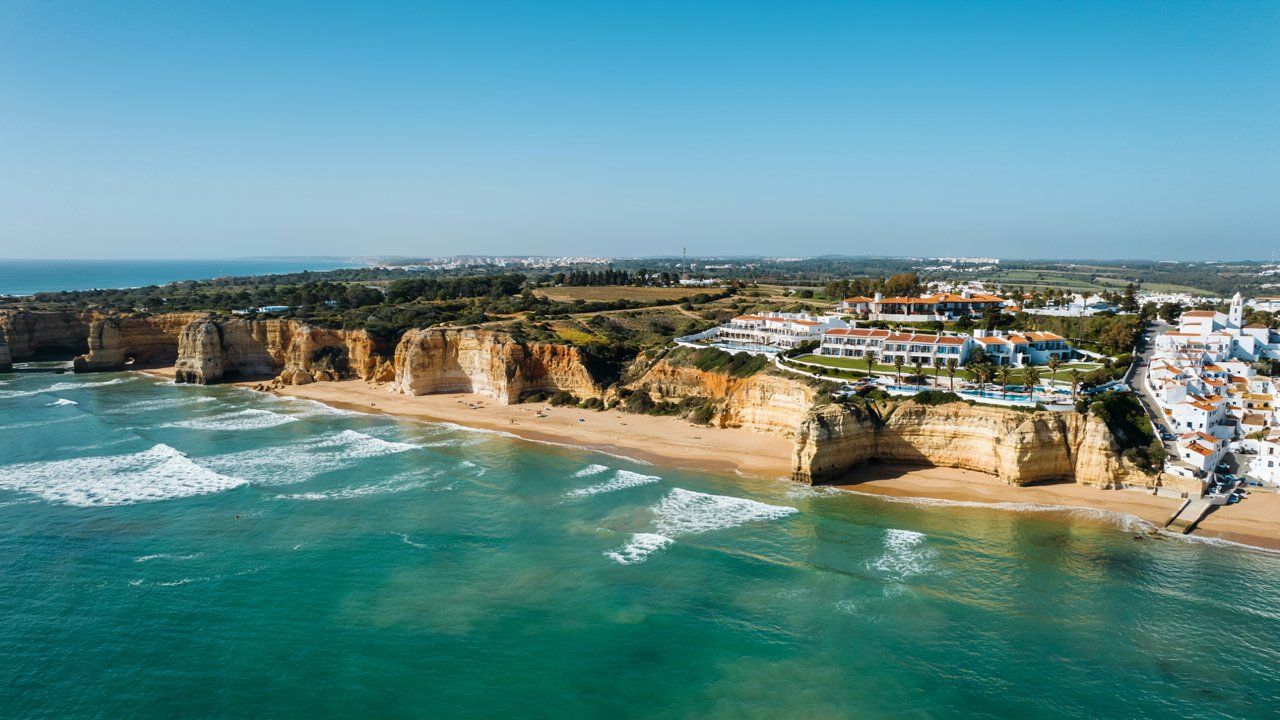
Portugal has strengthened its position in European tourism after securing the prestigious Europe’s Leading Destination title at the World Travel Awards 2026, alongside a series of major distinctions celebrating its cities, coastal landscapes and adventure experiences. Lisbon earned recognition for urban tourism, the Algarve secured a leading beach destination honour, and the Azores emerged as an award-winning adventure tourism region. The results, announced during a ceremony in Montenegro, underline Portugal’s appeal across multiple travel segments, from historic city breaks and Atlantic cruises to luxury resorts, golf holidays and nature-based exploration.
Portugal Celebrates a Landmark Achievement in European Tourism
Portugal emerged as one of the prominent winners at the World Travel Awards Europe Gala Ceremony, held on 17 October 2026 at the Hyatt Regency Kotor Bay Resort in Montenegro.
The ceremony marked the first occasion on which Montenegro hosted a World Travel Awards event.
Portugal secured Europe’s Leading Destination title for the second consecutive year, having also won the distinction in 2025.
Advertisement
Advertisement
The latest success reflects recognition from the awards programme, which evaluates destinations and travel businesses through an industry and consumer voting process.
Portugal’s appeal extends across several tourism segments. Historic cities, Atlantic islands, beaches, cultural landmarks and luxury accommodation offer travellers a broad range of experiences.
Advertisement
Advertisement
The country also benefits from established tourism infrastructure and international connectivity.
The 2026 recognition provides another opportunity to promote Portugal internationally while encouraging travellers to discover destinations beyond its most visited cities.
Lisbon Captures European Recognition for City Tourism
Lisbon received the Europe’s Leading City Destination award, reinforcing its reputation as an important urban tourism centre.
Portugal’s capital combines historic architecture, distinctive neighbourhoods, cultural attractions and views across the Tagus River.
Visitors can explore Belém, discover the narrow streets of Alfama, experience traditional Portuguese cuisine and enjoy the city’s museums and waterfront districts.
Lisbon’s tram network, historic squares and scenic viewpoints contribute to its appeal.
Advertisement
Advertisement
The city’s tourism offering also extends into the surrounding region, where coastal towns, cultural attractions and historic estates provide opportunities for longer stays.
Recognition in the city destination category highlights Lisbon’s established position within European urban tourism.
It also provides an opportunity for the capital to attract travellers interested in combining cultural sightseeing with gastronomy, entertainment and regional excursions.
Lisbon’s Cruise Industry Gains Further International Attention
Lisbon’s tourism achievements extend beyond traditional city breaks.
The capital was also recognised as Europe’s Leading Cruise Destination at the 2026 World Travel Awards.
Its location along the Tagus River provides a distinctive setting for cruise arrivals, with ships approaching the city through an important historic waterway.
Advertisement
Advertisement
Cruise tourism supports several sectors, including passenger transport, restaurants, retail businesses, cultural attractions and organised excursions.
Earlier in October, Lisbon also received recognition at the World Cruise Awards, strengthening its international cruise tourism profile.
These distinctions highlight the capital’s role as both a destination and a port of call within European cruise itineraries.
For visitors, cruise arrivals provide opportunities to experience Lisbon’s historic neighbourhoods, waterfront landmarks and surrounding attractions during shorter stays.
Algarve Secures a Prestigious European Beach Tourism Honour
The Algarve was named Europe’s Leading Beach Destination at the 2026 World Travel Awards.
Situated along Portugal’s southern coastline, the region is recognised for its beaches, limestone cliffs, Atlantic scenery and established resort infrastructure.
Advertisement
Advertisement
Destinations such as Albufeira, Lagos, Portimão, Tavira and Vilamoura offer different holiday experiences.
Visitors can explore sandy beaches, coastal walking routes, fishing villages, marinas and historic town centres.
The Algarve also supports golf tourism, wellness holidays and premium accommodation.
Its tourism industry benefits from a combination of coastal attractions and leisure facilities, making the region appealing to families, couples and longer-stay visitors.
The latest award strengthens the Algarve’s international destination profile and creates additional promotional opportunities for its tourism businesses.
Quinta do Lago Highlights Portugal’s Luxury Resort Appeal
Quinta do Lago, situated in the municipality of Loulé in the Algarve, represents another important part of Portugal’s hospitality offering.
Advertisement
Advertisement
The resort destination is associated with premium accommodation, golf courses, restaurants and leisure facilities.
Its location near the Ria Formosa coastal environment adds a natural dimension to the visitor experience.
Golf remains an important attraction, while wellness, outdoor recreation and dining broaden its appeal.
Quinta do Lago illustrates how Portugal’s tourism industry extends beyond conventional beach holidays into higher-value leisure experiences.
The destination is particularly relevant to travellers interested in golf, luxury hospitality and longer holidays.
Its established resort infrastructure also demonstrates the Algarve’s capacity to serve different international visitor markets.
Advertisement
Advertisement
Azores Islands Earn Recognition for Adventure Tourism
The Azores Islands secured the Europe’s Leading Regional Adventure Tourism Destination award.
Located in the North Atlantic, the Portuguese archipelago offers a striking contrast to the country’s mainland tourism destinations.
Volcanic landscapes, crater lakes, coastal cliffs and green valleys provide opportunities for outdoor exploration.
Visitors can experience hiking, whale watching, nature photography and geothermal landscapes.
São Miguel is particularly associated with volcanic scenery and natural attractions, while other islands offer distinctive coastal environments and walking routes.
The award recognises the Azores’ position within the European adventure tourism market.
Advertisement
Advertisement
It also highlights the importance of preserving natural landscapes while developing visitor experiences that support local communities and responsible tourism.
Dark Sky Alqueva Wins Recognition for Exceptional Nature Tourism
Portugal’s success also extends into the Alentejo region, where Dark Sky Alqueva received Europe’s Leading Tourist Attraction award.
The destination is internationally associated with astronomical observation and tourism experiences centred on naturally dark night skies.
Visitors can enjoy stargazing, astronomy activities and the peaceful rural landscapes surrounding the Alqueva reservoir.
The attraction demonstrates how Portugal can diversify its tourism offering beyond beaches and historic cities.
Dark Sky Alqueva also received Europe’s Responsible Tourism Award in 2026, highlighting its position within the sustainable tourism sector.
Advertisement
Advertisement
These distinctions strengthen Alentejo’s appeal to travellers seeking nature-based experiences, rural accommodation and quieter destinations.
Portugal’s Tourism Awards Highlight Several Distinctive Destinations
| Destination or organisation | European recognition in 2026 | Tourism significance |
|---|---|---|
| Portugal | Europe’s Leading Destination | National tourism appeal |
| Turismo de Portugal | Europe’s Leading Tourist Board | Destination promotion |
| Lisbon | Europe’s Leading City Destination | Cultural and urban tourism |
| Lisbon | Europe’s Leading Cruise Destination | International cruise tourism |
| Algarve | Europe’s Leading Beach Destination | Coastal holidays and resorts |
| Azores Islands | Europe’s Leading Regional Adventure Tourism Destination | Outdoor and nature tourism |
| Dark Sky Alqueva | Europe’s Leading Tourist Attraction | Astronomy and rural tourism |
| Dark Sky Alqueva | Europe’s Responsible Tourism Award | Sustainable tourism |
| Top Atlântico | Europe’s Leading Travel Agency | Travel distribution and services |
The awards recognise different segments of the tourism industry rather than establishing a single ranking of all European destinations.
Portugal’s Success Stands Out Against Major European Tourism Competitors
Portugal’s national award placed it ahead of a competitive field of nominated European destinations.
Other nominees included Spain, France, Italy, Greece, Germany, Austria, England, Ireland, Norway, Sweden and Switzerland.
Each country offers established tourism attractions, from Mediterranean coastal resorts to historic cities and mountain landscapes.
Portugal’s victory reflects the outcome of the World Travel Awards voting process rather than an independently measured comparison of visitor arrivals, tourism revenue or overall destination quality.
Advertisement
Advertisement
Nevertheless, the distinction offers an important international marketing opportunity.
For Portugal, recognition across several award categories demonstrates the variety of experiences available within a relatively compact geographical area.
International Recognition Creates Opportunities for Portuguese Hospitality
The latest awards could provide promotional advantages for Portugal’s hotels, resorts, travel agencies and destination management businesses.
International recognition can increase destination visibility and encourage travellers to consider new regions.
Lisbon’s awards may support city-break and cruise marketing, while the Algarve’s distinction reinforces its position in the coastal holiday market.
The Azores and Alentejo offer opportunities to attract travellers interested in outdoor activities, sustainability and experiences beyond traditional tourism centres.
Advertisement
Advertisement
However, awards do not automatically translate into higher visitor numbers or hotel revenues.
Actual economic benefits will depend on demand, transport connectivity, accommodation capacity and destination management.
Tourism Diversification Becomes Central to Portugal’s Future Growth
Portugal’s tourism authorities have increasingly emphasised the importance of distributing visitor activity across different regions and seasons.
Promoting lesser-known destinations can help reduce pressure on established tourism hotspots while supporting local economies.
Northern Portugal, central Portugal and the Alentejo offer opportunities for cultural tourism, rural holidays, gastronomy and nature exploration.
The Azores provide adventure experiences, while the Algarve combines beach tourism with golf and premium hospitality.
Advertisement
Advertisement
Encouraging visitors to explore these regions can support a more balanced tourism economy.
The challenge is to maintain destination quality while protecting natural environments, cultural heritage and local communities.
Frequently Asked Questions
1. Which country won Europe’s Leading Destination in 2026?
Portugal received the title at the World Travel Awards Europe Gala Ceremony in Montenegro on 17 October 2026.
2. Did Portugal also win the award in 2025?
Yes. Portugal secured Europe’s Leading Destination in both 2025 and 2026.
Advertisement
Advertisement
3. Which Portuguese city received major tourism recognition?
Lisbon won awards for its city tourism and cruise destination appeal.
4. Why was the Algarve recognised?
The Algarve received Europe’s Leading Beach Destination award, reflecting its established coastal tourism offering.
5. What award did the Azores receive?
The Azores Islands won Europe’s Leading Regional Adventure Tourism Destination.
Advertisement
Advertisement
6. What makes Dark Sky Alqueva important?
The Alentejo attraction offers astronomy-related tourism experiences and received recognition for both its visitor appeal and responsible tourism approach.
7. Where was the European awards ceremony held?
The 2026 ceremony took place at the Hyatt Regency Kotor Bay Resort in Montenegro.
8. Does Portugal’s award mean it receives the most tourists in Europe?
No. The award is determined through the World Travel Awards voting process and does not establish that Portugal has Europe’s highest visitor arrivals.
Advertisement
Advertisement
Portugal’s European Tourism Triumph Opens New Opportunities for Regional Travel
Portugal’s achievements at the World Travel Awards 2026 demonstrate the breadth of its tourism offering, from Lisbon’s cultural landmarks and cruise experiences to the Algarve’s coastal resorts and the Azores’ volcanic landscapes.
The recognition also brings attention to emerging and specialist experiences, including astronomical tourism in Alentejo.
For the Portuguese travel industry, the awards provide an opportunity to strengthen international visibility, promote regional diversity and encourage visitors to explore beyond established holiday centres.
As European tourism continues to evolve, Portugal’s ability to combine cultural heritage, coastal experiences, nature tourism and responsible destination management will remain central to sustaining its international appeal.
Advertisement
