
Amsterdam Stands Alongside Maastricht, Eindhoven and More as Marriott Unlocks Netherlands Growth with Eight New Hotels

Updated
Published
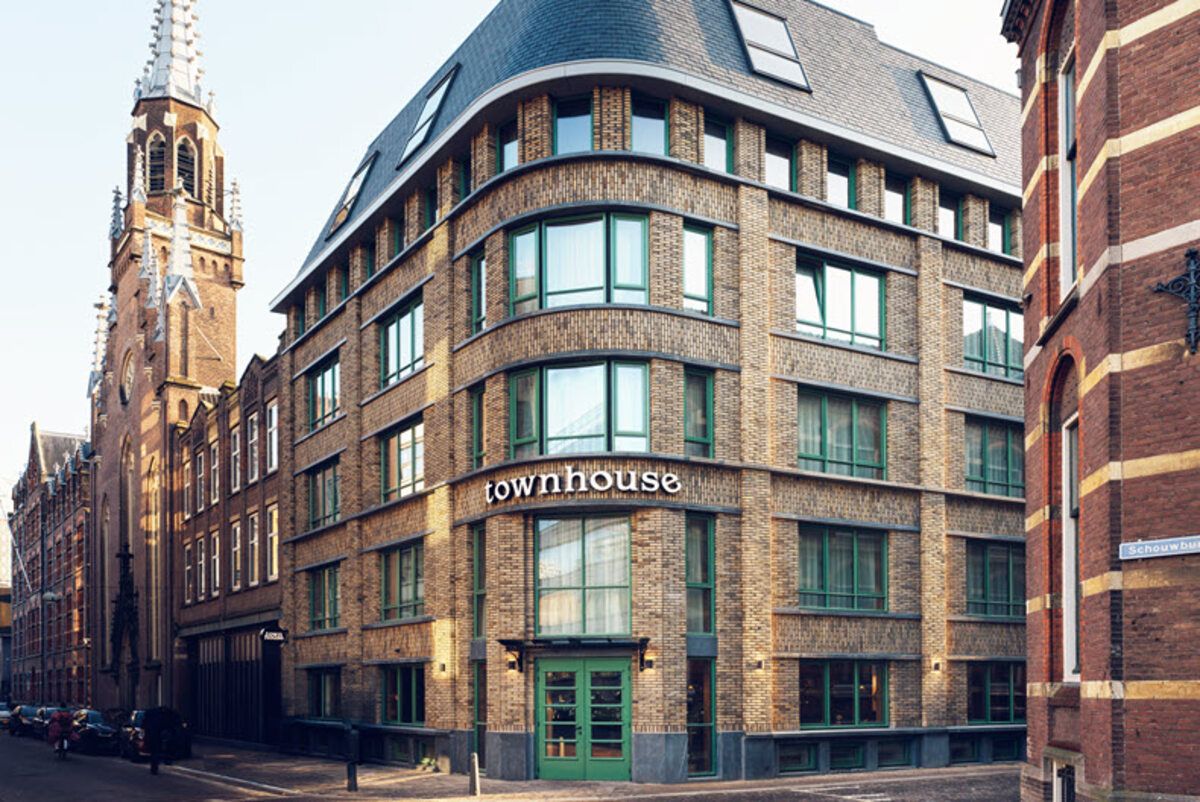
Marriott International is preparing a significant expansion across the Netherlands, with eight hotels and a combined 719 rooms set to join its portfolio across Amsterdam, The Hague, Breda, Maastricht and Eindhoven under an agreement with Townhouse Hotels. Announced in October 2026, the portfolio deal is expected to bring six properties into Series by Marriott and two into Tribute Portfolio during 2027, giving Marriott its first hotels in Maastricht and Eindhoven while introducing Series by Marriott to the Dutch market. Specific conversion dates for individual hotels have not yet been confirmed.
The agreement is strategically important because it does much more than add hotel rooms. It spreads Marriott’s presence across five different Dutch destinations, links existing independent properties with an international hospitality platform and demonstrates how conversion-led expansion is becoming an increasingly important route for global hotel growth.
Amsterdam remains part of the plan, but this is not an Amsterdam-centred expansion. Three properties are in Maastricht, two are in The Hague, and one each is in Amsterdam, Breda and Eindhoven. That geographical spread gives the portfolio exposure to business travel, government and diplomatic traffic, technology-related travel, city breaks, culture and regional leisure demand.
Eight Hotels and 719 Rooms Reshape Marriott’s Dutch Network
The eight hotels together provide 719 rooms, with 494 rooms across six Series by Marriott properties and another 225 rooms across two Tribute Portfolio hotels.
Advertisement
Advertisement
That gives the deal considerable scale without requiring Marriott to wait for eight completely new hotels to be constructed.
| Hotel | Destination | Rooms | Planned Marriott Affiliation |
|---|---|---|---|
| Townhouse Amsterdam WTC | Amsterdam | 84 | Series by Marriott |
| Townhouse The Hague | The Hague | 88 | Series by Marriott |
| Townhouse Breda | Breda | 106 | Series by Marriott |
| Townhouse Maastricht | Maastricht | 82 | Series by Marriott |
| Townhouse Kaboom Maastricht | Maastricht | 79 | Series by Marriott |
| Townhouse Mabi Maastricht | Maastricht | 55 | Series by Marriott |
| The Ald Hotel | The Hague | 91 | Tribute Portfolio |
| Hotel Mariënhage | Eindhoven | 134 | Tribute Portfolio |
| Total | Five Dutch cities | 719 | Eight hotels |
The room distribution also reveals the breadth of the strategy. The 134-room Hotel Mariënhage in Eindhoven is the largest hotel involved, while the 55-room Townhouse Mabi Maastricht is the smallest. Rather than relying on a uniform hotel format, the portfolio ranges from larger urban properties to smaller boutique hotels with distinctive architectural identities.
Advertisement
Advertisement
Series by Marriott Makes Its Netherlands Debut
Six hotels are expected to join Series by Marriott, marking the collection’s debut in the Netherlands. The model is particularly relevant to existing regional hotel businesses because it is designed to bring established hotel brands into Marriott’s global system while allowing them to preserve much of their individual identity. This differs from a conventional rebranding strategy in which an independent hotel may be comprehensively transformed to meet the visual and operational identity of a traditional global flag.
Under the Series model, regional identity remains an important part of the guest proposition. For the Dutch portfolio, the six hotels are expected to continue carrying the Townhouse name alongside their Series by Marriott affiliation. The model therefore combines two propositions that can sometimes appear contradictory: local individuality and global distribution.
For travellers, that could mean booking a property with its own local identity while still gaining access to the wider Marriott ecosystem. For hotel owners and operators, it provides an opportunity to tap into international sales, distribution and loyalty infrastructure without completely replacing an established regional hotel identity. Marriott’s official description of Series emphasises independent regional brands and participation in Marriott Bonvoy.
Amsterdam WTC Adds a Business-Focused Gateway
In Amsterdam, the existing Hotel Qbic WTC Amsterdam is expected to become the 84-room Townhouse Amsterdam WTC, Series by Marriott. Its location is central to its commercial significance. The hotel sits in Zuidas, Amsterdam’s major business district, positioning it towards corporate travellers as well as visitors who want access to the wider city. Amsterdam already has a substantial Marriott presence covering luxury, premium, lifestyle, select-service and extended-stay accommodation. Marriott’s current portfolio includes properties operating under brands such as W Hotels, Marriott Hotels, Renaissance, Tribute Portfolio, Moxy, Residence Inn and Element.
The Townhouse addition therefore does not represent entry into a new city. Instead, it gives Marriott another accommodation format within one of its most established Dutch markets. Its positioning in Zuidas also reinforces the business-travel dimension of the broader eight-hotel agreement. The deal is not solely dependent on leisure tourism growth; it connects Marriott with destinations and districts generating corporate and institutional travel throughout the year.
Maastricht Emerges as the Centre of the Deal
No destination gains more individual properties from the agreement than Maastricht. Three hotels totalling 216 rooms are expected to join Series by Marriott in the city, creating an immediate cluster rather than a single-property entry.
Advertisement
Advertisement
The 82-room Townhouse Maastricht is located close to the city’s historic centre and provides access to Maastricht’s established leisure and cultural attractions. The 79-room Townhouse Kaboom Maastricht, positioned opposite Maastricht’s central railway station, brings a contemporary, design-led element to the portfolio. Its station location can also appeal to travellers using rail to move between Dutch and neighbouring European destinations. The third property, the 55-room Townhouse Mabi Maastricht, brings a different hospitality proposition. The boutique hotel occupies a former cinema, allowing the building’s past to become part of its present-day character.
Together, the three hotels illustrate precisely why a conversion-friendly collection can be commercially useful. They do not need to look identical or tell the same story. Their individuality can remain part of their positioning while they gain an affiliation with a larger hospitality network. Maastricht’s importance is also geographical. The city sits in the southern Netherlands close to Belgium and Germany, giving its visitor economy a particularly strong cross-border dimension.
Eindhoven Opens a New Door for Marriott
The agreement also takes Marriott into Eindhoven, where the 134-room Hotel Mariënhage is expected to join Tribute Portfolio. Eindhoven presents a markedly different travel proposition from Amsterdam or Maastricht. The city is internationally associated with technology, innovation and design, producing demand from corporate travellers, international professionals, events and business visitors alongside leisure tourism.
Hotel Mariënhage adds another dimension through its architecture. The property is housed within a converted former monastery complex, combining historic surroundings with contemporary hotel use. That adaptive-reuse character makes it particularly compatible with a collection brand centred on distinctive independent hotels. Its 134 rooms also make it the largest property included in the eight-hotel agreement. For Marriott, Eindhoven therefore represents both a geographical expansion and access to a significant Dutch business-travel market.
The Hague Gains Two Different Hotel Concepts
The Hague receives two hotels representing the two Marriott collections involved in the agreement. The 88-room Townhouse The Hague is expected to become part of Series by Marriott. Its location provides access to the city’s government institutions, international organisations and cultural attractions, giving it relevance to several forms of travel.
The Hague has a distinctive demand profile because it functions not only as a leisure destination but also as the Netherlands’ seat of government and a major international institutional centre. Alongside Townhouse, the 91-room The Ald Hotel is expected to join Tribute Portfolio. Located in central The Hague, the boutique hotel brings a more independent lifestyle proposition to Marriott’s portfolio. Together, the two additions provide 179 rooms across two different Marriott collection concepts. Marriott already operates hotels in The Hague, including The Hague Marriott Hotel, Moxy The Hague and Residence Inn by Marriott The Hague. The latest agreement therefore deepens an existing presence rather than opening an entirely new market.
Advertisement
Advertisement
Breda Secures the Largest Series Property
The 106-room Townhouse Breda will become the largest of the six hotels planned for Series by Marriott. The property is being created through the rebranding of Hotel Keyser, bringing another existing Dutch hotel into the new collection. Breda offers a useful example of the regional-market strategy underpinning the agreement. It does not have Amsterdam’s scale as an international gateway, but it benefits from a mixture of business activity, domestic tourism, culture and short-break demand.
Marriott already has a presence in Breda through Hotel Nassau Breda, Autograph Collection, so the new Series property will expand the range of Marriott-affiliated accommodation available in the city. For Series by Marriott, Breda also provides an opportunity to demonstrate that the collection is not restricted to Europe’s biggest tourism capitals.
Heritage Buildings Become Commercial Hospitality Assets
One of the strongest themes running through the portfolio is adaptive reuse. Townhouse Mabi occupies a former cinema, while Hotel Mariënhage operates within a historic monastery complex. These properties illustrate a broader hospitality model in which existing buildings with architectural character can be adapted for contemporary accommodation instead of being replaced by entirely new developments.
For the hospitality sector, adaptive reuse can also unlock hotel capacity in established city centres where suitable development land may be limited and new construction can involve lengthy planning and development processes. Collection brands are particularly compatible with this approach because unusual architecture does not necessarily need to be redesigned into a rigid global template.
Conversion Strategy Offers a Faster Route to Expansion
The eight-hotel agreement also demonstrates the commercial appeal of hotel conversion strategies. Ground-up hotel developments can take years between land acquisition, planning, financing, construction and opening. Existing operational properties provide another route. By affiliating established hotels with an international brand system, a hotel company can expand its network more rapidly while property owners gain access to wider distribution channels.
That does not make conversion effortless. Properties still need to satisfy applicable brand standards, technology requirements and operating conditions. However, it can reduce some of the development lead time associated with entirely new hotels. The Netherlands has established urban hotel markets, constrained city-centre development environments and substantial existing hospitality stock. Conversion-led growth can therefore provide an efficient mechanism for increasing brand presence without depending entirely on new construction.
Advertisement
Advertisement
Marriott Broadens an Already Significant Dutch Portfolio
The agreement builds on an already sizeable Marriott presence in the Netherlands. As of 30 June 2026, Marriott operated more than 30 properties across 12 brands in the country. Marriott’s current Dutch hotel directory demonstrates the breadth of that network, including brands such as W Hotels, Autograph Collection, Design Hotels, Marriott Hotels, Renaissance, Sheraton, Tribute Portfolio, Courtyard, Moxy, Element and Residence Inn.
Adding eight hotels will therefore do more than increase room inventory. It introduces a new brand model through Series by Marriott, strengthens Tribute Portfolio and expands Marriott’s geographical reach into markets where its presence has been limited. The agreement is particularly notable for Maastricht and Eindhoven. Those cities broaden the network beyond Marriott’s established concentration in markets such as Amsterdam, The Hague and other major Dutch destinations.
What the Expansion Means for Netherlands Travel
From a tourism perspective, the deal strengthens internationally distributed hotel capacity across five destinations with markedly different visitor profiles. Amsterdam remains the international tourism and corporate gateway. The Hague combines leisure tourism with diplomatic, governmental and institutional travel. Breda serves regional business and city-break demand. Maastricht combines culture, gastronomy, heritage and cross-border tourism. Eindhoven adds technology, innovation, design and corporate demand.
Rather than placing 719 additional affiliated rooms into a single tourism market, the agreement spreads them across destinations capable of attracting different travellers at different times of the year. With eight hotels, 719 rooms, five Dutch cities, six Series by Marriott properties and two Tribute Portfolio hotels, the agreement represents a substantial next stage in Marriott’s Netherlands strategy. If the anticipated 2027 conversions proceed as planned, Marriott will gain deeper exposure to Amsterdam, The Hague and Breda while building important new positions in Maastricht and Eindhoven. For the Dutch travel sector, the result will be a broader network of internationally connected accommodation spanning business districts, historic centres, technology hubs and heritage buildings — while Series by Marriott gains its first foothold in the Netherlands.
Advertisement
