

Greece’s Capital Athens Faces a Defining Urban Challenge as Cultural Glory Meets Tourism and Housing Pressures

Published
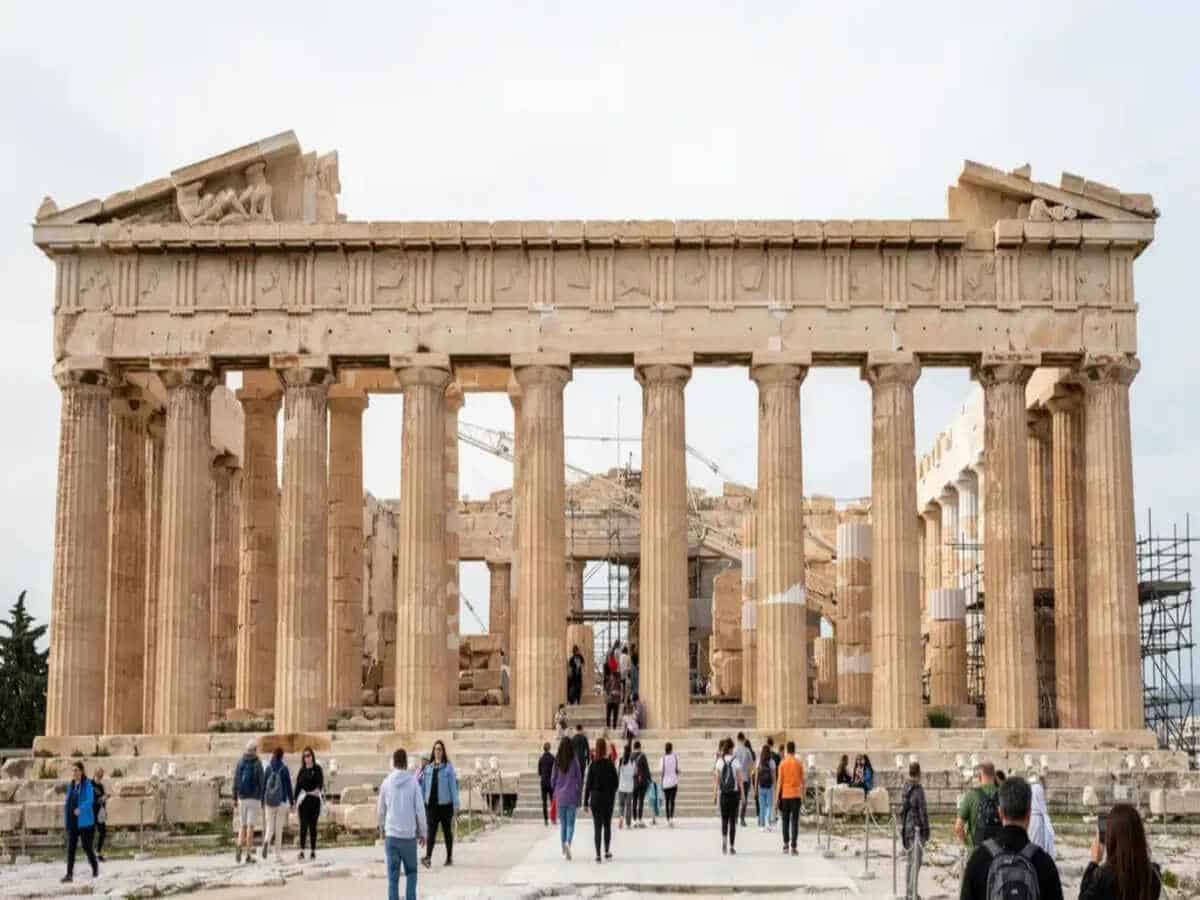
Athens faces a major urban challenge as its rich cultural heritage meets growing tourism pressure and high housing costs.
Athens, the capital of Greece, is encountering a number of urban problems including increased tourism pressure, high housing cost, environmental issues and decreasing satisfaction with the quality of life according to a new nationwide survey. Nevertheless, the capital city continues to have a good reputation for its cultural heritage, social attractions and economic opportunities.
A nationwide survey has revealed a striking contrast between Athens’ celebrated cultural identity and the pressures shaping everyday life. The findings show that 85 per cent of respondents recognise culture and history as the city’s greatest strengths, while 53 per cent identify tourism pressure as a major characteristic of the Greek capital.
The findings also reveal that residents of Attica, the wider region surrounding Athens, hold more critical views of the capital’s challenges than respondents elsewhere in Greece. Housing affordability, environmental conditions, transport difficulties and public safety concerns all contribute to this divided picture.
Advertisement
Advertisement
Athens Celebrates Its Remarkable Cultural Glory as 85 Per Cent Recognise History as Its Greatest Strength
Athens remains one of Europe’s most historically significant cities. Its ancient monuments, archaeological landmarks, museums and cultural traditions continue to shape its identity as an international tourism destination.
The survey shows that 85 per cent of respondents strongly associate Athens with culture and history, making this the highest-ranked positive characteristic.
Advertisement
Advertisement
Entertainment and social life follow at 76 per cent, highlighting the capital’s lively atmosphere and wide range of activities. Another 73 per cent recognise education and employment opportunities as important advantages.
These findings demonstrate that Athens is valued for more than its historic monuments. It is also recognised as a centre of learning, employment and social activity.
Advertisement
Advertisement
For tourism, this combination represents an important strength. However, the survey shows that cultural recognition does not necessarily translate into satisfaction with daily living conditions.
Tourism Pressure Becomes a Major Urban Concern as 53 Per Cent Highlight the Challenge
Tourism pressure has emerged as one of the capital’s most widely recognised negative characteristics.
According to the survey, 53 per cent of respondents believe pressure from tourism strongly characterizes Athens. The figure rises to 59 per cent among Attica residents, compared with 48 per cent among residents elsewhere in Greece.
This 11-percentage-point difference highlights how perceptions vary between those living close to Athens and those viewing the capital from other regions.
Advertisement
Advertisement
The results place tourism management among the important issues facing the city.
Athens’ historical attractions and urban experiences remain central to its destination appeal. However, the findings suggest that maintaining a balance between visitor activity and residential needs deserves attention.
Importantly, the survey measures public perceptions. It does not establish that tourism directly causes the capital’s housing, transport or environmental difficulties.
Athens Reveals Strong Economic Potential but Quality of Life Receives the Lowest Recognition
The survey also identifies several characteristics that contribute positively to Athens’ wider reputation.
Around 61 per cent of respondents recognise its cosmopolitan character, reflecting the city’s international identity and modern metropolitan atmosphere.
Another 54 per cent consider the favourable climate a positive feature, while 53 per cent highlight prospects for economic growth.
Advertisement
Advertisement
Access to the sea receives recognition from 42 per cent of respondents, adding another geographical advantage to the capital’s appeal.
However, quality of life records the weakest positive assessment.
Only 25 per cent strongly associate Athens with good living conditions, highlighting a major contrast between the city’s recognised opportunities and perceptions of everyday life.
The capital offers cultural attractions, professional opportunities and a dynamic social environment, yet these strengths do not automatically create a positive experience of urban living.
Housing Costs and Urban Stress Expose Serious Challenges Across the Greek Capital
Financial pressure and urban living conditions form another important part of the survey.
Stress and psychological strain rank highest among the negative characteristics, identified by 66 per cent of respondents.
Advertisement
Advertisement
Insecurity and crime concerns follow at 62 per cent, while 60 per cent associate Athens with deterioration of its natural environment.
High living and housing costs are identified by 58 per cent, making affordability another prominent concern.
Traffic congestion and public transport difficulties receive recognition from 55 per cent of respondents.
Other issues include tourism pressure at 53 per cent, inadequate cleanliness at 52 per cent and insufficient public spaces at 48 per cent.
These findings reveal several challenges affecting perceptions of the capital.
Housing affordability is particularly relevant to long-term urban development because accessible accommodation helps determine whether a city remains practical for its permanent residents.
Advertisement
Advertisement
The survey does not measure actual rents or property prices, but it confirms that housing expenses feature prominently in public concerns.
Attica Residents Express Greater Concern Over Tourism, Environmental Conditions and Everyday Life
Regional comparisons reveal a more critical assessment among residents of Attica.
Approximately 71 per cent of Attica respondents strongly associate Athens with stress and psychological strain, compared with 63 per cent elsewhere in Greece.
Environmental deterioration produces another notable difference. The figure reaches 65 per cent among Attica residents but stands at 57 per cent outside the region.
Tourism pressure is also more widely recognised locally, with 59 per cent of Attica respondents identifying it as a major issue compared with 48 per cent elsewhere.
These differences suggest that direct experience of the metropolitan environment plays an important role in shaping public opinion.
Advertisement
Advertisement
They also reinforce the importance of considering local perspectives when assessing Athens’ development priorities.
Six in Ten Respondents See More Disadvantages Than Benefits in Athens
The overall assessment of life in Athens presents a challenging picture.
The nationwide survey found that 60 per cent of respondents believe the capital has more disadvantages than advantages.
By comparison, 33 per cent consider its positive characteristics greater, while 7 per cent see an equal balance.
The findings reveal that Athens’ cultural heritage and economic opportunities coexist with widespread dissatisfaction over several living conditions.
This contrast is particularly important because the capital continues to receive strong recognition for its historical importance and metropolitan opportunities.
Advertisement
Advertisement
However, the negative overall assessment suggests that cultural attractions and economic potential are not sufficient to overcome concerns about infrastructure, affordability and the wider urban environment.
Improving everyday living conditions could therefore play an important role in strengthening the capital’s broader public image.
Athens Faces a Striking European Comparison as 65 Per Cent Believe the Capital Falls Behind
The survey also examined perceptions of Athens relative to other European cities.
Approximately 65 per cent of respondents believe the Greek capital falls behind its European counterparts, while 33 per cent consider Athens to have nothing to envy.
The assessment becomes more critical among Attica residents.
Around 72 per cent believe Athens trails other European cities, compared with 61 per cent of respondents elsewhere in Greece.
Advertisement
Advertisement
These findings highlight concerns about the capital’s overall urban experience despite its recognised cultural advantages.
However, the results represent public opinions rather than an independent ranking of European destinations.
For Athens, they highlight the importance of addressing practical urban needs alongside preserving the historical and cultural identity that makes the city distinctive.
What Happens Next for Athens Tourism and Its Urban Development?
The findings place tourism management, housing affordability, public transport and environmental protection among the issues deserving attention as Athens considers its future.
A sustainable approach to tourism could involve balancing visitor activity with the needs of residential neighbourhoods, improving access to public spaces and protecting the urban environment.
Better mobility and infrastructure planning could also help address some of the difficulties identified in the survey.
Advertisement
Advertisement
These are potential policy priorities rather than confirmed new measures announced through the research.
The study was conducted between 23 and 28 September 2026, covering 1,009 respondents aged 17 and above across Greece through telephone and online interviews. The reported maximum sampling error was ±3.1 percentage points.
The findings were presented during a two-day conference held on 6 and 7 October 2026 at the National and Kapodistrian University of Athens.
The discussions examined the capital’s history, culture, sustainability, mobility and future urban development.
The nationwide research provides an important picture of how Athens is perceived both within its metropolitan region and across the rest of Greece.
Athens continues to command strong recognition for its exceptional cultural heritage, historic importance and economic opportunities. Yet the latest nationwide survey reveals considerable concerns about tourism pressure, housing expenses, urban stress and environmental conditions.
Advertisement
Advertisement
With 85 per cent recognising its cultural strengths but 60 per cent identifying more disadvantages than advantages, the results highlight a defining challenge for Greece’s capital.
Greece’s capital, Athens, faces growing urban challenges as tourism pressure, high housing costs and declining quality of life overshadow its celebrated cultural heritage. A new nationwide survey reveals that while 85% praise its culture and history, 53% highlight tourism pressure and 58% raise concerns over living and housing costs.
Its future development will depend on balancing the preservation of its cultural identity with improvements to everyday urban life, ensuring that Athens remains attractive not only to visitors but also to the communities who live there.
Advertisement
