
China Flood Alert: Everything You Need To Know From Which Transport Modes Are Impacted and How to Navigate Them

Published
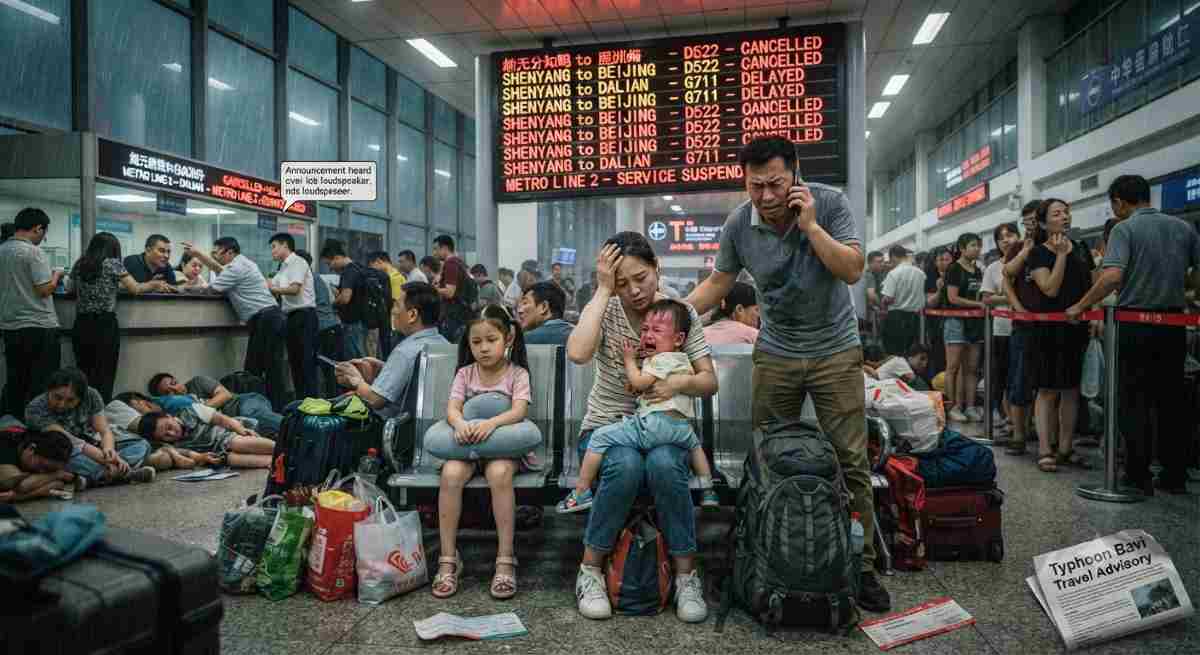
Image generated with Ai
Regional connectivity faces regular threats from severe weather. Currently, Northeast China is dealing with Tropical Storm Bavi. This weather event has forced the activation of strict flood control measures. These actions are centered in Liaoning and Jilin provinces.
As the storm moves north, heavy rain is falling. Forecasts suggest this rain will continue. This creates significant risks of environmental hazards. The administrative response has been very fast. A high-level emergency response was declared in Shenyang. Officials aim to protect life and property.
Intense rain has caused major waterlogging. Thousands of residents have been moved from dangerous areas. This situation highlights how infrastructure safety is prioritized. Officials choose to pause logistics to ensure public safety during extreme weather.
Typhoon Bavi and China Transport Disruptions
The infrastructure across the region is facing severe challenges due to the heavy impact of Typhoon Bavi, causing many transportation and public systems to struggle. To prioritize the safety of all citizens during this period, authorities have implemented the following necessary measures:
Advertisement
Advertisement
- Urban Transit Disruptions: Metro stations located in city centers have been forced to close specific entrances to ensure the safety of all commuters.
- Rail Service Adjustments: The China Railway Shenyang Group Co Ltd has proactively modified numerous train schedules across the network to respond to the evolving weather conditions.
- Systemic Service Cancellations: A wide range of train services have been canceled throughout the region, a critical step taken to prevent accidents and protect passengers.
- Restriction of Provincial Movement: Travel across provincial borders has been restricted, which allows emergency safety teams to manage the ongoing crisis more effectively.
- Suspension of Public Services: Operations for both schools and businesses have been suspended, a measure designed to limit public exposure to the storm’s dangers.
Industry Insights on Infrastructure Safety
Managing large transport networks during storms provides key industry lessons. Preemptive schedule changes are vital. These actions stop the potential failure of critical infrastructure.
The rail sector in Liaoning and Jilin chose risk aversion. They suspended operations from Sunday evening to Monday morning. This choice prioritized the safety of passengers and equipment.
Advertisement
Advertisement
Authorities use a four-tier color-coded warning system. This ranges from blue to red. This framework allows for a structured response. It helps officials escalate or lower interventions. They use real-time data on rainfall to make decisions. Coordination between weather services and transit operators is now a core part of crisis management.
Travel Advisory and Practical Informatio
To ensure personal safety and manage travel logistics effectively during this period of severe weather, individuals currently situated in the affected regions are strongly advised to exercise heightened caution and remain updated through reliable channels. Please adhere to the following guidelines regarding travel status and emergency procedures:
- Continuous Monitoring: It is essential to maintain constant vigilance by following local weather broadcasts and official government news channels for the most current updates.
- Ticket Refund Protocols: For passengers whose travel plans have been impacted by the storm, canceled train tickets are eligible for a full, free refund.
- Refund Eligibility Window: These refund requests must be processed within 30 days from the originally scheduled date of travel.
- Utilization of Official Platforms: Travelers should exclusively use the official 12306 ticketing platform to access real-time service information and facilitate necessary ticket modifications.
- Postponement of Travel: Due to ongoing infrastructure challenges, high-speed rail services in Jilin are not anticipated to resume until later this week; therefore, all non-essential travel should be delayed.
- Situational Awareness: Residents and visitors must keep a close watch on ongoing updates concerning regional flood risks and geological disaster warnings.
- Restriction of Movement: To ensure public safety and facilitate emergency operations, it is strongly advised to avoid all non-essential movement until local authorities have officially provided an all-clear notification.
Comparison with Previous Policies
The current emergency approach to Typhoon Bavi shows refined disaster strategies. These new protocols are more integrated and technology-driven than older methods.
The rapid activation of top-level flood control is noteworthy. Over 170,000 residents were evacuated immediately. This shows a focus on prevention rather than just reacting to damage.
Earlier flood management often focused on local areas. Now, the approach is systemic. Authorities pause transit and public activities across entire provinces. This evolution proves a shift in policy. Human safety is now the top success metric.
Temporary economic loss is accepted to guarantee long-term infrastructure safety. By using advanced weather forecasting, authorities manage the tension between connectivity and resilience. This strategy ensures that Northeast China remains prepared for future climate challenges.
Advertisement
