
Air France and KLM Face $425,000 US Fines Over Iraq Airspace Breaches in a Blow to Travel Safety

Published
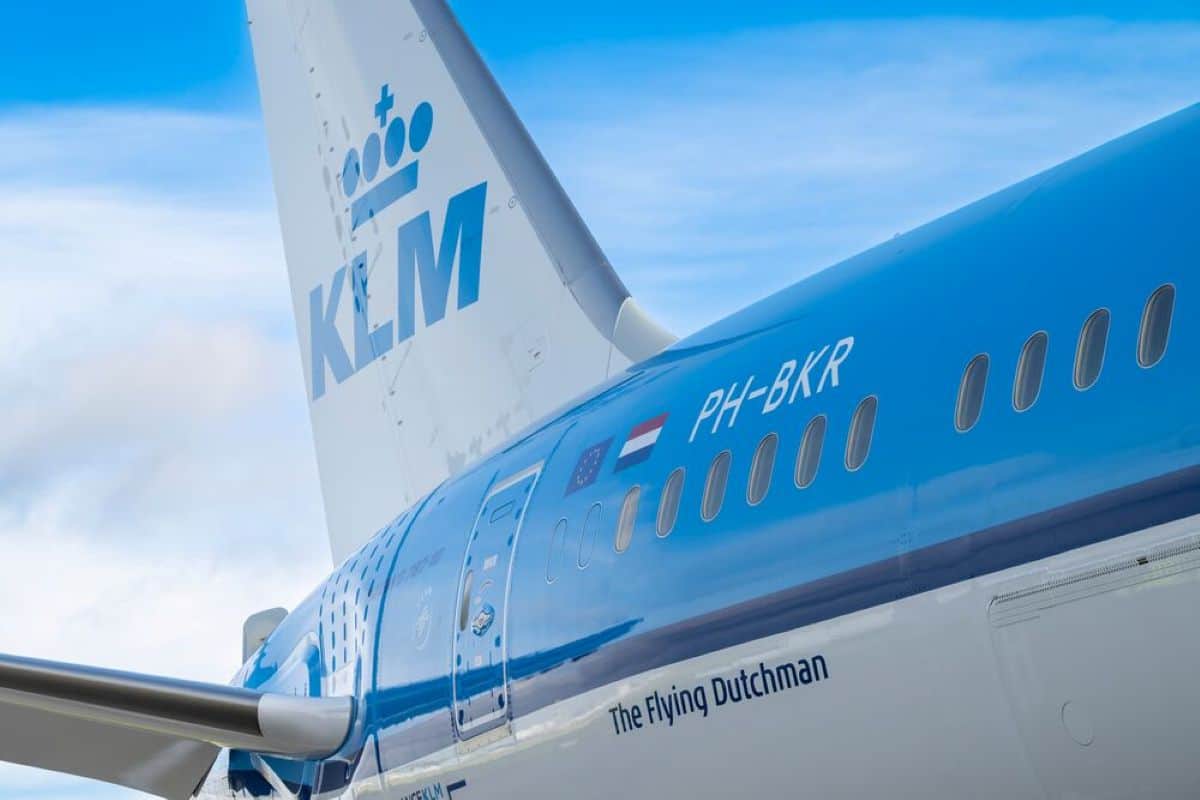
Air France and KLM face a combined US$425,000 penalty after operating more than 130 flights through restricted Iraqi airspace while carrying Delta Air Lines’ flight code. The US Department of Transportation (USDOT) announced the enforcement action on 23 October 2026, citing violations involving flights below the minimum altitude prescribed by the Federal Aviation Administration (FAA). Air France accounted for more than 30 flights, while KLM operated more than 100 during the investigation periods. The airlines argue that air traffic controllers instructed their crews to descend or prevented them from climbing. The case highlights the regulatory risks facing international codeshare partnerships and the continuing importance of conflict-zone flight safety.
US Fines Target More Than 130 Flights
The USDOT imposed a US$105,000 penalty on Air France and a US$320,000 penalty on KLM. The combined amount reaches US$425,000, making the case a significant enforcement action involving foreign carriers operating flights under a US airline’s code.
Advertisement
Advertisement
According to the department’s investigations, Air France operated more than 30 affected flights between April 2022 and November 2025. KLM operated more than 100 flights between January 2022 and May 2025.
Both airlines carried Delta Air Lines’ designator code on the flights identified by investigators. The USDOT subsequently ordered the carriers to cease and desist from similar violations.
Advertisement
Advertisement
The financial arrangement also includes a suspended portion of the penalties. The airlines must pay US$265,000 within 60 days, while the remaining US$160,000 becomes payable if further violations occur within one year, according to the reported enforcement terms.
The department’s official enforcement announcement explains the findings and penalties. The separate orders identify Air France’s US$105,000 penalty and KLM’s US$320,000 penalty.
Advertisement
Advertisement
| Enforcement detail | Air France | KLM |
|---|---|---|
| Total penalty imposed | US$105,000 | US$320,000 |
| Affected flights | More than 30 | More than 100 |
| Investigation period | April 2022–November 2025 | January 2022–May 2025 |
| US airline code involved | Delta Air Lines | Delta Air Lines |
| Relevant airspace | Baghdad Flight Information Region | Baghdad Flight Information Region |
| Regulatory action | Cease-and-desist order | Cease-and-desist order |
The case does not amount to a blanket prohibition on either airline’s services. Instead, it concerns specific historical operations and the regulatory requirements attached to flights carrying Delta’s code.
Why Iraq’s Airspace Remains a Safety Concern
Iraq occupies a strategically important position between Europe, the Gulf and parts of Asia. International airlines must therefore assess regional airspace conditions carefully when planning routes across these markets.
However, geographical convenience does not automatically make an air corridor suitable for commercial aviation. Conflict-related threats can include missile activity, drones, military operations and the risk of misidentification by air-defence systems.
The FAA’s Special Federal Aviation Regulation 77 restricts specified US aviation operations in the Baghdad Flight Information Region below Flight Level 320. This altitude corresponds to approximately 32,000 feet under standard pressure settings.
The FAA extended the restriction until 26 October 2027. Its stated concerns include activities by Iranian-aligned militia groups and military operations that may not be adequately coordinated with civilian aircraft.
The restriction is not a blanket ban on every aircraft entering Iraqi airspace at every altitude. Its legal scope depends on the operators, aircraft and circumstances covered by the regulation.
Advertisement
Advertisement
Nevertheless, the European Union Aviation Safety Agency (EASA) applies a broader precautionary recommendation. Its Iraqi airspace bulletin advises applicable operators not to fly within the Baghdad region at any altitude or flight level. The bulletin remains valid until 16 November 2026, unless authorities review it earlier.
These measures demonstrate why airlines must assess both binding restrictions and broader safety advisories. A flight may satisfy one altitude-based rule while still requiring careful consideration under other applicable operational guidance.
How US and European Restrictions Differ
The US and European approaches share a common objective: protecting civil aviation from risks associated with conflict and military activity. However, their scope and legal character differ.
| Policy detail | US FAA restriction | EASA safety bulletin |
|---|---|---|
| Area covered | Baghdad Flight Information Region | Baghdad Flight Information Region |
| Main provision | Restricts specified operations below FL320 | Recommends avoiding the region at all altitudes |
| Principal concern | Conflict-related threats and insufficiently coordinated military activity | Missiles, drones, air-defence activity and militant operations |
| Published validity | Until 26 October 2027 | Until 16 November 2026, unless reviewed earlier |
| Practical significance | Defines binding restrictions for covered US operations | Communicates a broader risk assessment and operational recommendation |
The distinction matters because an aviation restriction and a safety recommendation do not necessarily carry identical legal consequences. Operators must identify which provisions apply to their aircraft, operating certificates, routes and commercial arrangements.
Airlines also need to monitor changing conditions rather than rely on a single assessment indefinitely. Authorities may update their guidance as threats, military activity and regional airspace controls evolve.
For travellers, these restrictions do not automatically mean that every flight between Europe and Asia must avoid Iraq. Actual routings depend on the airline’s network, applicable regulations, safety assessments and current operational decisions.
Advertisement
Advertisement
Why Delta’s Codeshare Agreement Matters
Codesharing allows one airline to market a flight operated by another carrier. A passenger may therefore book a ticket displaying Delta’s flight number but travel on an aircraft operated by Air France or KLM.
These arrangements extend network reach without requiring each airline to operate every route itself. They can provide more booking options, coordinated connections and access to partner destinations.
However, a codeshare agreement does not remove the regulatory responsibilities associated with the marketed flight. The USDOT said foreign airlines operating flights under a US airline’s code must comply with the applicable FAA prohibitions.
That requirement sits at the centre of this enforcement case. The flights identified by investigators carried Delta’s designator code while operating in airspace covered by the relevant US restriction.
The case also illustrates the need for robust coordination between marketing carriers and operating airlines. Partners must understand the restrictions affecting their services and establish processes to identify potential compliance problems.
A codeshare can create commercial benefits, but it also introduces additional oversight requirements. Airlines need clear procedures for route approval, regulatory checks, operational changes and communication between partner organisations.
Advertisement
Advertisement
For passengers, the operating carrier remains an important detail. The airline whose code appears most prominently on a booking may not be the company providing the aircraft and crew.
Airlines Cite Air Traffic Control Instructions
Air France and KLM told the USDOT that conflicting traffic influenced the affected flights. Both carriers said local air traffic controllers had instructed their crews to descend or had refused permission for them to climb.
The airlines also argued that the flights should qualify for an exemption covering emergency situations. They cited the safety implications of refusing instructions issued by air traffic control.
These statements represent the airlines’ positions in the regulatory proceedings. They should not be interpreted as proof that the authorities accepted their arguments or granted an exemption.
The distinction raises a significant operational question. Pilots must manage immediate traffic conflicts while also complying with applicable restrictions and safety procedures.
A request to change altitude can become a complex situation when an aircraft is operating near a restricted threshold. The crew must consider traffic separation, aircraft performance, available instructions and the applicable emergency procedures.
Advertisement
Advertisement
The public enforcement announcement does not establish that every affected flight faced the same circumstances. Nor does it demonstrate that a specific collision, attack or passenger injury occurred.
Delta declined to comment, according to the reported account. The available information does not establish that Delta itself operated the aircraft involved.
What the Penalties Mean for Travellers
The fines do not automatically invalidate Air France or KLM tickets. They also do not establish that every passenger travelling on either airline faced an immediate threat.
The investigation concerns identified historical flights carrying Delta’s code. Travellers should therefore distinguish the enforcement action from the current operating status of their own journeys.
Airlines may change routes in response to airspace restrictions, weather, congestion or security assessments. Such changes can affect flying times and connecting schedules, but a longer route does not necessarily indicate a safety problem.
Passengers booking international itineraries should check the operating carrier and monitor notifications before departure. Those with connecting flights should review connection times and available alternatives if the airline changes their schedule.
Advertisement
Advertisement
| Traveller concern | Practical step | Why it matters |
|---|---|---|
| Codeshare booking | Check the operating carrier on the ticket | Identifies the airline operating the flight |
| Schedule changes | Monitor official airline notifications | Helps travellers respond to revised departure or arrival times |
| Connecting flights | Review connection times and onward departures | Reduces the risk of missing subsequent services |
| Cancelled flights | Contact the airline or booking agent | Helps identify available alternatives under the ticket conditions |
| Regional safety updates | Consult official aviation guidance | Provides more reliable information than speculation on social media |
Travellers should also avoid assuming that a direct line on a flight map represents the aircraft’s actual route. Airlines can adjust their flight paths during operations, and public tracking displays do not provide a complete assessment of regulatory compliance or safety.
For upcoming departures, the most useful approach is to check the current itinerary directly with the operating airline. Passengers should follow its instructions if it announces a rerouting or schedule change.
How Airspace Restrictions Affect Airline Costs
Conflict-zone restrictions can influence airline economics well beyond the immediate question of compliance. Avoiding an air corridor may require an aircraft to fly farther, consume more fuel or spend additional time in the air.
Longer flight times can also affect aircraft utilisation and crew scheduling. A delay on one sector may disrupt subsequent departures, particularly when an aircraft operates several services within a single day.
Airlines must balance these operational demands against safety requirements. However, the financial impact varies according to the route, aircraft type, alternative corridors, fuel prices and network structure.
The US$425,000 penalty does not establish that Air France or KLM will increase ticket prices. Fares also depend on competition, demand, seasonality, available capacity and commercial strategy.
Advertisement
Advertisement
Similarly, the enforcement action does not establish that the airlines will cancel particular routes. Any changes would depend on their own operational assessments and the regulations applying to future flights.
The wider industry lesson is that compliance systems need to work across international partnerships. Airlines must ensure that commercial arrangements, flight planning and safety oversight remain aligned as restrictions change.
How the Iraqi Airspace Rule Has Evolved
The US restriction predates the latest penalties by several years. The FAA revised and extended its rules as it reassessed the risks affecting civilian operations in the Baghdad region.
In October 2018, the agency reissued the restriction with a prohibition below Flight Level 260. In October 2020, it raised the threshold to Flight Level 320.
The FAA subsequently extended the restriction, including a further three-year extension from October 2024 to October 2027. The latest enforcement action therefore concerns compliance with an established regulatory framework rather than the introduction of a new altitude rule.
| Regulatory milestone | Development | Significance |
|---|---|---|
| October 2018 | Restriction reissued below FL260 | Maintained limits on specified operations |
| October 2020 | Threshold raised to FL320 | Expanded the restricted altitude range |
| October 2024 | Restriction extended for three additional years | Continued the rule through October 2027 |
| October 2026 | Air France and KLM penalties announced | Brought renewed attention to codeshare compliance |
The FAA’s official regulatory document sets out the restriction and its extension. EASA’s Iraqi airspace bulletin provides its separate risk assessment and recommendation.
Advertisement
Advertisement
These timelines should remain distinct in news coverage. The US penalties are the new development, while the underlying altitude restriction has been in place for years.
Why Aviation Compliance Matters Globally
The Air France and KLM penalties highlight the responsibilities that accompany international airline partnerships. Codeshare agreements can make travel more convenient, but they do not remove the need to comply with applicable aviation restrictions.
The enforcement action concerns specific past flights, not a blanket ban on either airline. Nevertheless, it reinforces the importance of robust flight-planning procedures, effective regulatory oversight and careful monitoring of conflict-zone risks.
For passengers, the practical response is straightforward: check the operating carrier, monitor official travel updates and review any schedule changes before departure. For airlines, the case underlines the need to coordinate commercial arrangements with operational safety requirements.
As geopolitical conditions continue to influence international aviation, safe routing and regulatory compliance remain essential to reliable global connectivity. The wider implications extend beyond two European carriers, affecting how airlines and their partners manage safety obligations across increasingly complex networks.
Advertisement
