

Cartagena de Indias Convention Center Brings Caribbean Culture to Global Business Events

Published
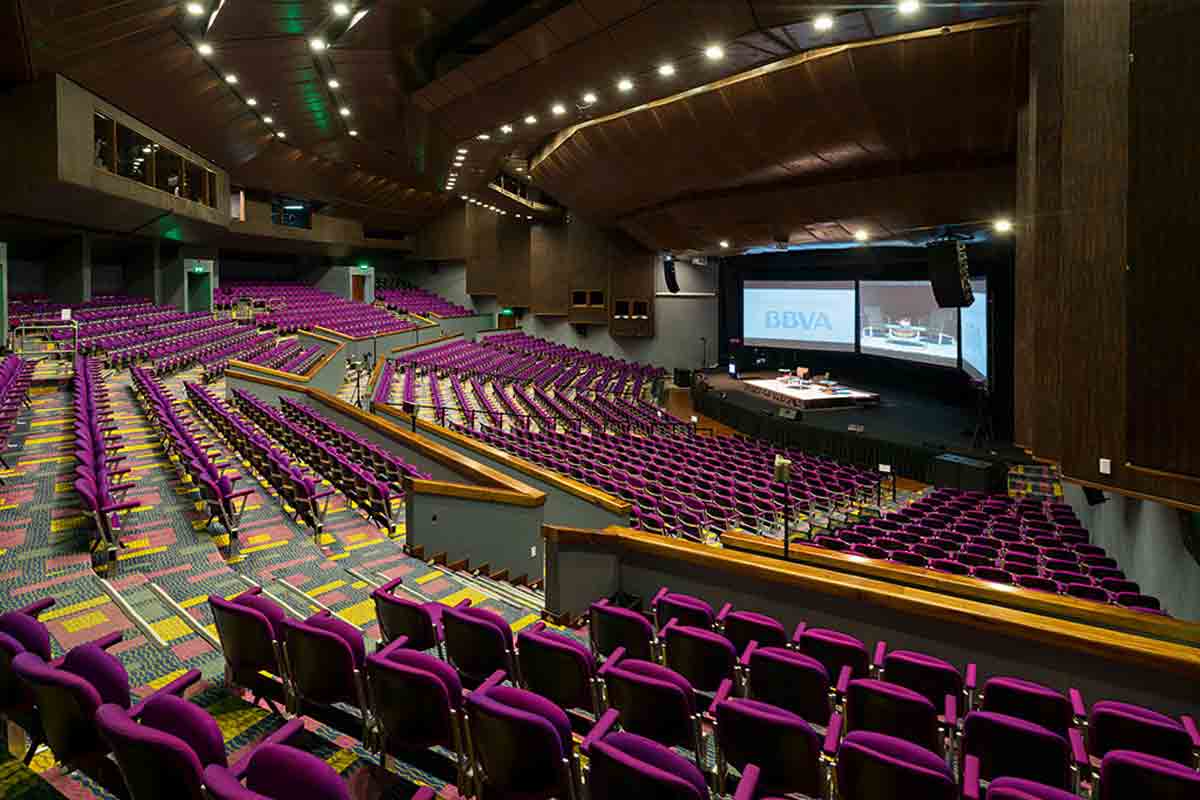
Cartagena de Indias Convention Center Brings Caribbean Culture to Global Business Events by combining modern meeting facilities with Colombia’s historic coastal heritage. Overlooking Cartagena’s waterfront, the venue connects international congresses, corporate gatherings and exhibitions with distinctive architecture, cultural experiences and hospitality, strengthening the city’s position in the global meetings industry.
Cartagena’s historic waterfront creates a distinctive setting for international congresses
International meetings are increasingly judged by more than their conference programmes, technical facilities and delegate numbers. Event organisers also consider how a destination contributes to networking, cultural engagement and the overall value of attending. Cartagena, on Colombia’s Caribbean coast, offers a compelling example of how these priorities can come together.
Advertisement
Advertisement
At the centre of this proposition is the Cartagena de Indias Convention Center, a major meetings venue overlooking the Bahía de las Ánimas. Its waterfront position, proximity to the historic city and adaptable event facilities allow organisers to combine professional conference delivery with the character of one of Colombia’s most recognisable destinations.
Unlike convention facilities situated far from established visitor districts, the centre places delegates close to Cartagena’s historic streets, restaurants, hotels and cultural attractions. This relationship between business infrastructure and urban heritage creates opportunities for programmes that extend beyond conventional conference halls.
Advertisement
Advertisement
The venue opened in 1982 and has since become an established part of Cartagena’s meetings infrastructure. Its longstanding presence reflects the city’s role in hosting national and international business gatherings, government meetings, exhibitions and corporate events.
For planners considering Latin American and Caribbean destinations, Cartagena offers a combination of established convention facilities, historic surroundings and leisure experiences that can strengthen the appeal of an event.
Advertisement
Advertisement
A convention centre shaped by Cartagena’s Caribbean identity
Cartagena’s appeal begins with its geographical and cultural setting. The city developed as an important Caribbean port and retains a historic centre recognised internationally for its fortified architecture and colonial-era urban landscape.
Its port, fortresses and group of monuments form part of a UNESCO World Heritage Site, providing an important cultural context for visitors attending conferences and exhibitions.
The Cartagena de Indias Convention Center benefits directly from this setting. Delegates can participate in formal business sessions before exploring nearby historic streets, waterfront areas and restaurants.
This accessibility allows organisers to incorporate local experiences into conference itineraries without requiring every activity to become a separate excursion.
An international association congress, for example, might schedule its plenary sessions at the convention centre before organising an evening reception featuring regional cuisine and Colombian cultural performances.
Similarly, a corporate leadership event could combine strategic discussions with guided heritage experiences and informal networking in the historic district.
Advertisement
Advertisement
These possibilities demonstrate how Cartagena’s identity can contribute to the design of business events.
Rather than treating tourism activities as optional additions, organisers can develop programmes in which cultural engagement complements professional objectives.
Modern meeting facilities support different event formats
The Cartagena de Indias Convention Center offers more than 20,000 square metres of facilities and event areas, according to published venue information.
Its infrastructure supports a variety of gathering formats, including international congresses, exhibitions, corporate conventions, association meetings, government conferences, incentive programmes and social functions.
One of its principal spaces, the Gran Salón Barahona, measures approximately 1,270 square metres and has a published theatre-style capacity of 1,508 participants.
Its divisible configuration allows organisers to adapt the space for different seating arrangements, presentations and event requirements.
Advertisement
Advertisement
Such flexibility is increasingly important for conferences that combine several activities within a single programme.
A medical congress may require a large auditorium for keynote presentations, smaller meeting rooms for specialist discussions, exhibition space for industry participants and separate facilities for networking.
A corporate convention may involve product presentations, executive meetings, training sessions and evening hospitality functions.
By accommodating different programme elements, the centre allows organisers to coordinate multiple activities within a recognisable event environment.
The venue’s published inventory includes more than 30 event spaces across three levels, although exact configurations and capacities should be confirmed with its management during the planning process.
For organisers, this flexibility can simplify venue coordination and help maintain a consistent delegate experience throughout an event.
Advertisement
Advertisement
Cartagena’s hotel infrastructure strengthens its position in the MICE industry
Accommodation availability is a major consideration for international event organisers, particularly when conferences attract participants from different countries and require several categories of hotel accommodation.
Cartagena benefits from a varied hospitality market covering international hotel brands, boutique properties, luxury accommodation and business-oriented hotels.
The Cartagena de Indias Convention and Visitors Bureau identifies more than 15,000 hotel rooms across the destination, alongside over 30 hotels with meeting facilities.
This accommodation network allows organisers to consider different price categories while maintaining access to the city’s principal business and tourism districts.
Colombia’s official tourism platform, Colombia Travel, reports that more than 2,500 hotel rooms are available within five kilometres of the Cartagena de Indias Convention Center.
This concentration is particularly valuable for conferences requiring convenient access between hotels, meeting rooms and evening functions.
Advertisement
Advertisement
Shorter transfers can reduce logistical complexity, while proximity between participants encourages informal interaction outside scheduled sessions.
For delegates, accommodation close to the venue also provides greater freedom to explore the destination independently.
International accessibility supports business travel to Cartagena
Air connectivity plays an important role in determining whether a destination can successfully attract international congresses.
Cartagena is served by Rafael Núñez International Airport, which connects the city with domestic and international markets.
The Cartagena Convention and Visitors Bureau identifies connections with cities including Bogotá, Panama City, Miami, New York and Madrid, although individual routes and operating schedules should be checked before travel.
The airport’s proximity to the city’s principal hotel districts provides an additional operational advantage.
Advertisement
Advertisement
The convention bureau cites approximately 15-minute airport-to-hotel transfers as a destination benefit. Actual journey times vary according to traffic conditions, accommodation location and the size of group transfers.
For international organisers, convenient airport access can improve arrival coordination and reduce the time delegates spend travelling between transport terminals and accommodation.
Nevertheless, successful event planning requires careful attention to flight schedules, immigration requirements, airport reception arrangements and ground transport.
Large conferences may need staggered arrivals, dedicated transfer services and additional assistance for international speakers or participants travelling with specialist equipment.
Cartagena’s wider convention network provides alternatives for major events
Although the Cartagena de Indias Convention Center is a prominent venue, the destination’s meetings infrastructure extends beyond one facility.
Colombia Travel identifies several major convention venues across the city, allowing organisers to select facilities according to event size, accommodation requirements and programme structure.
Advertisement
Advertisement
Las Américas Convention Center, located near Rafael Núñez International Airport, has a published maximum capacity of 6,200 participants.
The Hilton Cartagena Convention Center provides hotel-integrated event facilities, while other properties in Bocagrande accommodate smaller conferences, corporate gatherings and executive meetings
This diversity supports a range of business events.
A large international association may prioritise exhibition capacity and plenary seating. A corporate incentive programme may place greater emphasis on integrated accommodation, hospitality and recreational facilities.
Meanwhile, executive meetings may benefit from smaller venues offering privacy and personalised services.
The presence of multiple convention centres also creates opportunities for citywide programmes, provided organisers coordinate transport, schedules and supplier responsibilities.
Advertisement
Advertisement
For Cartagena, this broader ecosystem strengthens its ability to serve different segments of the international MICE market.
Cultural heritage becomes an important part of the delegate experience
One of Cartagena’s most distinctive advantages is the opportunity to connect professional meetings with its historic environment.
The city’s fortified centre, traditional streets and historic architecture provide settings for cultural visits, networking activities and organised hospitality programmes.
Delegates can explore Cartagena’s old town, visit heritage landmarks or experience local gastronomy between formal conference commitments.
These activities can create additional opportunities for interaction among participants who may otherwise meet only during structured sessions.
For international associations, destination experiences can also help introduce delegates to the host country’s cultural identity.
Advertisement
Advertisement
However, heritage-based event programming requires careful management.
Historic buildings and public spaces may have restrictions concerning visitor capacity, equipment installation, noise and operating hours.
Organisers should therefore work with authorised local suppliers and relevant authorities when developing activities in sensitive heritage locations.
Responsible planning helps ensure that business tourism contributes positively to the destination without compromising its cultural assets.
Caribbean gastronomy and hospitality add value to corporate events
Food and hospitality form an important part of the international meetings experience, particularly when organisers want to encourage networking beyond formal presentations.
Cartagena’s culinary identity reflects the cultural influences that have shaped Colombia’s Caribbean coast.
Advertisement
Advertisement
Regional ingredients, seafood, tropical produce and traditional cooking methods provide opportunities to introduce delegates to local food culture.
Conference organisers can incorporate these elements into welcome receptions, gala dinners, networking lunches and incentive programmes.
Such experiences can support local restaurants, catering businesses and hospitality professionals while giving international participants a stronger connection with the destination.
For example, a formal conference dinner could feature Colombian Caribbean cuisine, while a smaller corporate gathering might use a restored historic property for a private reception.
The value lies in selecting experiences that complement the event’s professional purpose rather than simply adding entertainment.
Thoughtful hospitality programming can encourage conversation, strengthen relationships and contribute to a memorable delegate experience.
Advertisement
Advertisement
Business events create opportunities for Cartagena’s tourism economy
International congresses generate economic activity beyond convention centre bookings.
Delegates require accommodation, food, transport and other visitor services. Event organisers also purchase services from production companies, audiovisual suppliers, interpreters, caterers and destination management businesses.
These activities create commercial opportunities across the local tourism and events supply chain.
Business travellers may also extend their stays to explore Cartagena or travel to other Colombian destinations.
Such extensions can increase the wider tourism value of a conference, although their scale depends on visitor preferences, event schedules and available travel connections.
For destination authorities, meetings tourism therefore offers an opportunity to connect professional travel with cultural tourism, hospitality and local enterprise.
Advertisement
Advertisement
The economic benefits should nevertheless be assessed through measurable indicators, including delegate spending, local procurement, hotel demand and the contribution of events to employment.
This approach provides a clearer understanding of the meetings industry’s value than attendance figures alone.
Sustainability and responsible planning influence modern congresses
Environmental responsibility has become an important consideration in international event planning.
Organisers increasingly examine waste management, resource consumption, transport arrangements, accessibility and the social effects of large gatherings.
Cartagena’s compact historic districts can support walking-based programmes where distances, weather and accessibility conditions permit.
However, the destination’s tropical climate and historic infrastructure require careful operational planning.
Advertisement
Advertisement
High temperatures and humidity may influence outdoor event schedules, while heavy rainfall can affect transfers and open-air activities during wetter periods.
Event planners should consider suitable indoor alternatives, hydration facilities, accessible transport and realistic movement times.
Waste reduction, responsible catering, reusable event materials and cooperation with local suppliers can also support more sustainable delivery.
For heritage venues, protecting historic buildings and respecting surrounding communities should remain central priorities.
Sustainability is most effective when incorporated into procurement, venue selection and programme design from the beginning rather than treated as an additional promotional feature.
Technology and event production remain essential to international competitiveness
A distinctive destination may attract interest, but professional infrastructure ultimately determines whether a congress can operate successfully.
Advertisement
Advertisement
International events require reliable audiovisual systems, internet connectivity, presentation facilities, registration processes and technical support.
Larger programmes may also need interpretation services, exhibition infrastructure, digital engagement platforms and facilities for remote participation.
The Cartagena de Indias Convention Center promotes adaptable halls, auditoriums and event spaces capable of supporting different production requirements.
Centro de Convenciones Cartagena de Indias
Nevertheless, organisers should confirm technical specifications directly with the venue before finalising contracts.
Bandwidth requirements, electrical capacity, staging dimensions, accessibility arrangements and equipment compatibility can vary significantly between events.
Advertisement
Advertisement
Hybrid conferences introduce additional demands, particularly when international speakers or delegates participate remotely.
Reliable technical planning therefore remains essential to ensuring that Cartagena’s cultural appeal is matched by professional event delivery.
Why Cartagena offers a distinctive proposition for international meeting planners
The international meetings market includes destinations with extensive convention infrastructure, large hotel inventories and established air connections.
Cartagena’s competitive position rests on combining these operational requirements with a recognisable cultural environment.
Its waterfront convention centre offers a direct connection to the historic city, while the wider destination provides accommodation, transport services, hospitality venues and cultural attractions.
This combination gives planners opportunities to design programmes that balance formal business objectives with meaningful destination experiences.
Advertisement
Advertisement
The city is particularly relevant for organisers seeking an alternative to conventional urban conference settings without abandoning the facilities required for professional gatherings.
However, destination selection must remain evidence-based.
Venue capacity, total costs, flight connectivity, seasonal conditions, security arrangements and supplier reliability should all be assessed against the requirements of each event.
Cartagena’s appeal is strongest when its heritage and Caribbean character complement a well-managed programme rather than substitute for essential operational planning.
As competition for international meetings continues, the city’s ability to connect business infrastructure with cultural identity provides a credible foundation for its long-term MICE development.
Cartagena de Indias Convention Center demonstrates how modern event infrastructure and Caribbean heritage can complement each other. With flexible meeting facilities, nearby hotels, international connectivity and distinctive cultural experiences, Cartagena offers organisers a compelling setting for congresses that deliver professional value while introducing delegates to Colombia’s historic coastal identity.
Advertisement
