

U.S. Weddings of 2026: Small, Sustainable, and Stylish – Why Bigger Weddings Are Out and Eco-Friendly Ceremonies Are In!

Published
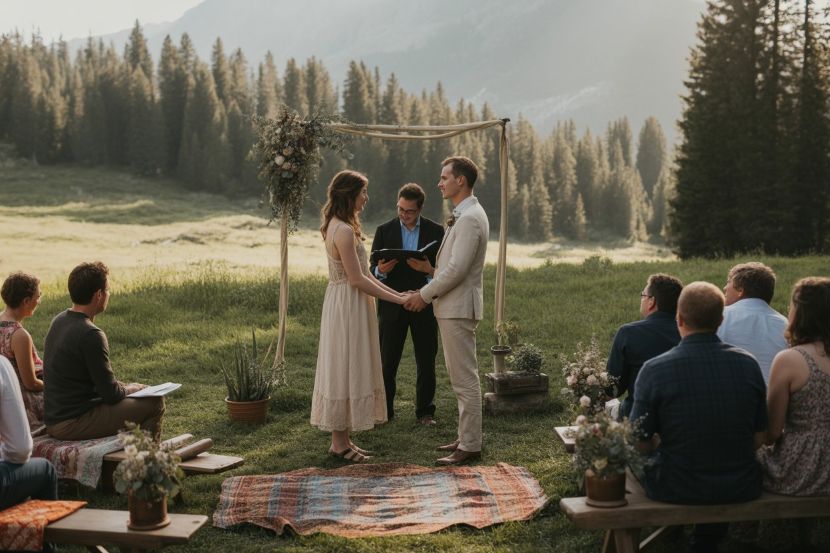 Image generated with Ai
The wedding landscape in the United States is undergoing a massive transformation. With changing demographics, lifestyle choices, and the impact of global trends, the data reveal a paradigm shift in how weddings are being approached. Official government figures highlight some fascinating trends, showing a declining rate of marriage, older couples, and smaller, more intimate weddings. In 2026, expect to see fewer large, traditional ceremonies and more personal, eco-conscious, and intimate celebrations. This new era of wedding culture will redefine the typical marriage celebration, as fewer people opt for the traditional “big day” and embrace smaller, more meaningful events. Let’s dive into these trends, as we explore the dynamics reshaping weddings in 2026.
Fewer Marriages, More Meaningful Moments
The most glaring change in the U.S. wedding scene is the declining number of marriages. In 2023, just over two million couples tied the knot, a decrease from 2.3 million in the early 2000s. The marriage rate per thousand people has dropped significantly from 8.2 in 2000 to just 6.1 in 2023. While this is still a large number, it is a dramatic decline from the past. The shift in marriage culture suggests that fewer people are opting for marriage as a societal milestone. As a result, weddings in 2026 will be more personal and individualized, with couples seeking unique celebrations that reflect their journey, rather than adhering to traditional expectations.
Advertisement
Advertisement
Older Brides and Grooms Taking the Spotlight
Marriage is happening later in life, with the median age for men at first marriage now standing at 30.8, and 28.4 for women. This is a significant increase from 1975, when men typically married at 23.5 and women at 21.1. With more couples waiting to marry, these weddings will cater to more mature tastes and practical budgets. Blended families and second marriages will become more common, as people bring their unique life experiences into their unions. The youthful, impulsive marriages that were once common are no longer the norm. Instead, weddings will be designed to reflect the wisdom and experiences that come with age, and will likely feature more sophisticated, thoughtful celebrations.
The Rise of Solo Living and Smaller Households
The U.S. has seen a substantial rise in solo living. Nearly 40 million Americans now live alone, and this number is growing steadily. This increase in solo living means that weddings in 2026 will be focused on two individuals choosing to partner, rather than the idea of two halves completing each other. The traditional notion of weddings as family-driven events is fading. Instead, couples will celebrate their love with small, intimate gatherings, often with a focus on their shared stories and individual identities. This shift will lead to smaller guest lists and less emphasis on large, formal receptions. The focus will be on celebrating the couple’s unique bond, rather than fulfilling social expectations.
Advertisement
Advertisement
Changes in Family Structure and Wedding Focus
The structure of families in the U.S. is also shifting. Fewer households are made up of married couples with children, and the trend of raising large families is on the decline. By 2025, only about 37% of married-couple households will have children under 18, compared to more than 50% in 1975. As a result, weddings will be less child-centric and more focused on the couple’s journey as individuals. Expect to see more weddings that incorporate older children or blended families, where stepchildren and second spouses are included in the celebration. Wedding ceremonies will be less about starting a family and more about uniting two lives that have already evolved.
The Shift from Lavish to Intimate Weddings
Weddings have traditionally been grand, expensive affairs, but that is rapidly changing. With fewer people marrying and a focus on smaller, more personalized celebrations, couples are opting for more intimate, budget-friendly weddings. The trend of large, extravagant weddings that are more about impressing guests than celebrating love is on the decline. Instead, couples are focusing on quality over quantity, creating memorable experiences that reflect their values and personalities. The rise of micro-weddings—small, intimate events with a limited guest list—is one of the most significant shifts in the wedding industry.
Advertisement
Advertisement
The Influence of Climate on Wedding Planning
With climate change becoming an increasingly pressing concern, couples in 2026 will be more mindful of weather conditions when planning their weddings. Forecasts predict above-normal temperatures across much of the U.S., as well as drought conditions in various regions. These factors will have a major impact on wedding plans, particularly for those planning outdoor ceremonies. Couples will need to be more proactive in selecting wedding dates and venues that account for the weather. For example, morning or evening ceremonies will become more common, as couples seek to avoid the heat of midday. The trend of scheduling weddings without considering climate data will be “out,” while thoughtful planning that takes weather patterns into account will be “in.”
Permits and Rules: Navigating National Park Weddings
As couples seek more unique wedding venues, national parks have become increasingly popular. However, the National Park Service has set strict regulations for weddings in these scenic locations. For example, at Rocky Mountain National Park, only 60 weddings are permitted per month during peak season, and no more than two weddings can take place at a specific location each day. These limitations have forced couples to rethink their guest lists, as larger gatherings are no longer allowed. The trend of extravagant, multi-venue celebrations is being replaced by micro-weddings in stunning, natural settings. Couples planning a national park wedding in 2026 will need to secure permits well in advance and adhere to environmental rules that promote sustainability and protect the park’s resources.
Advertisement
Advertisement
Sustainability and Eco-Conscious Celebrations
Eco-conscious weddings are on the rise. With increasing concern about environmental sustainability, couples in 2026 will prioritize eco-friendly practices for their weddings. National park wedding rules already emphasize minimal waste, and many couples will follow these principles by using biodegradable materials, limiting décor, and ensuring that their events leave no trace on the environment. This shift is in direct response to the growing trend of environmental stewardship and the desire for more responsible, sustainable celebrations. Lavish, wasteful weddings that harm the environment are becoming a thing of the past, while sustainability-focused ceremonies are becoming the new standard.
Embracing the New Economics of Love
Weddings are no longer about fulfilling family obligations or maintaining a certain social status. With more Americans living alone and delaying marriage, many couples now have established careers and personal finances before they get married. This means that wedding budgets are becoming more realistic, with couples investing in experiences rather than material excess. Overspending to keep up with societal expectations is being replaced by thoughtful budgeting and financial honesty. In 2026, expect weddings to be more about meaningful experiences and less about extravagant displays of wealth.
A Bold New Wedding Landscape in 2026
The wedding industry in the United States is evolving rapidly, driven by changing demographics, shifting cultural norms, and growing environmental consciousness. In 2026, weddings will be smaller, more intimate, and deeply personal, with a focus on meaningful connections and sustainability. The days of lavish, cookie-cutter weddings designed to impress are fading, making way for celebrations that are authentic, eco-friendly, and tailored to the unique needs of each couple. As society continues to shift, expect weddings to reflect these changes, with couples embracing a more individualized and thoughtful approach to their big day.
Advertisement
