
The Pink Horizon: Why Ansenuza National Park Is Argentina’s Ultimate Birding Haven

Published
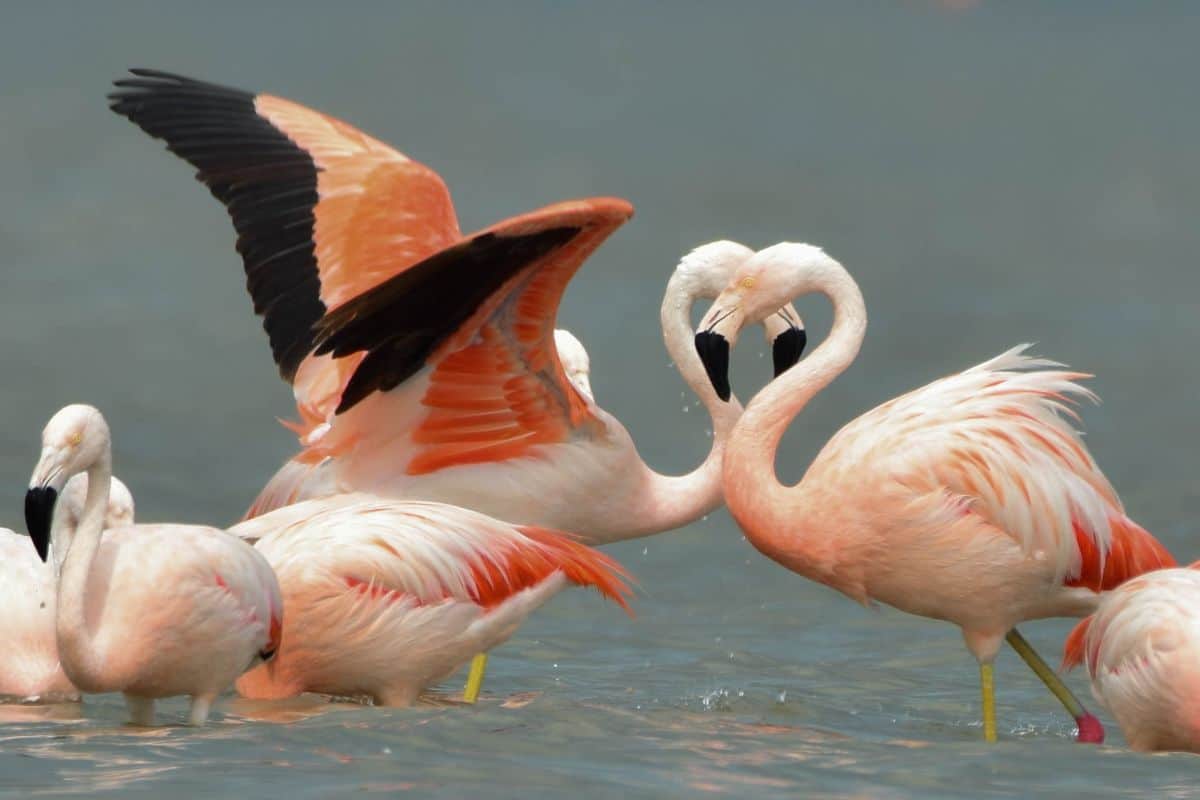
Ansenuza National Park and National Reserve (Parque Nacional y Reserva Nacional Ansenuza), established on June 30, 2022, under Argentine National Law 27,673, protects 661,416 hectares of wetland, open water, and dry Chaco woodland in northeastern Córdoba, Argentina. The park encompasses the lower wetlands of the Río Dulce and Laguna Mar Chiquita (also known as Mar de Ansenuza)—South America’s largest endorheic saline lake and one of the largest closed basins globally. Designating this region a federal protected area permanently secured a critical Neotropical biological corridor, structured through joint legislation involving the Administración de Parques Nacionales (APN), the province of Córdoba, Aves Argentinas, and the Wyss Foundation.
Hydrology and Ecological Framework
Laguna Mar Chiquita operates as a closed terminal basin where water exits solely via evaporation. This hydrologic regime sustains variable hypersaline mineral concentrations, supporting an inland marine-like food web dominated by halo-tolerant microalgae and the brine shrimp, Artemia franciscana.
Designated a Ramsar Site of International Importance in 2002, the Mar Chiquita basin hosts over 300 avian species, accounting for more than 60% of Argentina’s migratory avifauna. The park’s terrestrial margins transition into scrublands and halophytic marshes, supporting mammal species such as:
- Maned wolf (Chrysocyon brachyurus)
- Pampas cat (Leopardus pajeros)
- Capybara (Hydrochoerus hydrochaeris)
- Lowland tapir (Tapirus terrestris)
Flamingo Diversity: The Three Coexisting Species
Ansenuza is one of the rare global ecosystems supporting three of the world’s six flamingo species simultaneously. These birds filter-feed on brine shrimp and microalgae, metabolizing carotenoid pigments that produce their characteristic pink and crimson plumage:
Advertisement
Advertisement
- Chilean Flamingo (Phoenicopterus chilensis)
- Status: Resident breeding species; near threatened (IUCN).
- Population: Counts exceed 300,000 individuals during peak seasons.
- Nesting: Constructs circular mud-mound nests along the northern mudflats and mouth of the Río Dulce between November and February.
- Andean Flamingo (Phoenicoparrus andinus)
- Status: Vulnerable (IUCN); one of the rarest flamingos globally.
- Seasonal Presence: Down-slope altitudinal migrant; winters in Mar Chiquita from May through September when high-altitude Andean salt lakes freeze.
- James’s Flamingo (Phoenicoparrus jamesi)
- Status: Near threatened (IUCN); high-Andean specialist.
- Seasonal Presence: Winter visitor (May–August), foraging alongside Andean flamingos in the shallow, mineral-rich muds.
Ecotourism and Regional Economic Transition
Historically driven by unregulated fishing and unmanaged cattle grazing along floodplains, the regional economy surrounding Laguna Mar Chiquita has transitioned toward regulated ecotourism. Gateway municipalities—predominantly Miramar de Ansenuza on the southern shore—now derive economic value from sustainable guiding services, eco-lodges, and controlled watercraft navigation.
Park entrance fees, guide licensing, and municipal tourism taxes directly support APN field operations. These revenues fund regular ranger boat patrols, satellite tracking of water inflows from the Río Dulce basin, and collaborative research with the National University of Córdoba (UNC) to prevent unauthorized upstream agricultural diversions.
Visitor Regulations: Official APN Guidelines
The Administración de Parques Nacionales enforces specific visitor protocols to prevent disturbance to vulnerable nesting colonies and coastal mudflats:
- Wildlife Setback Distances: Maintain a minimum distance of 150 metres from feeding flocks and 300 metres from colonial mud-nesting zones. Watercraft must cut outboard motors and drift or use electric trolling motors when birds exhibit alert behaviours (head-raising, vocalizing, or wing-flagging).
- Restricted Aerial Devices: Operating unmanned aerial vehicles (drones) is prohibited across all core park zones and nesting sectors without explicit scientific research permits issued by APN.
- Registered Maritime and Field Guides: Water excursions into open lagoons and the Río Dulce estuary require a licensed regional guide registered with the APN and Córdoba Tourism Agency (Agencia Córdoba Turismo) to ensure navigation compliance.
- Flora and Substrate Protection: Visitors must stay on marked wooden boardwalks and authorized navigation tracks. Walking through shoreline salt-crust marshes (jume vegetation zones) causes soil compaction and destroys ground-level nests of shorebirds such as the Wilson’s phalarope.
- Zero-Waste Enforcement: Pack out all solid and organic refuse; the introduction of non-native food waste alters scavenging behaviour among local raptors and canids.
Advertisement
Advertisement
Advertisement
