
US Aviation Deal Soars as Turkish Airlines Secures Up to 150 Boeing 737 MAX Jets for Global Fleet Growth

Published
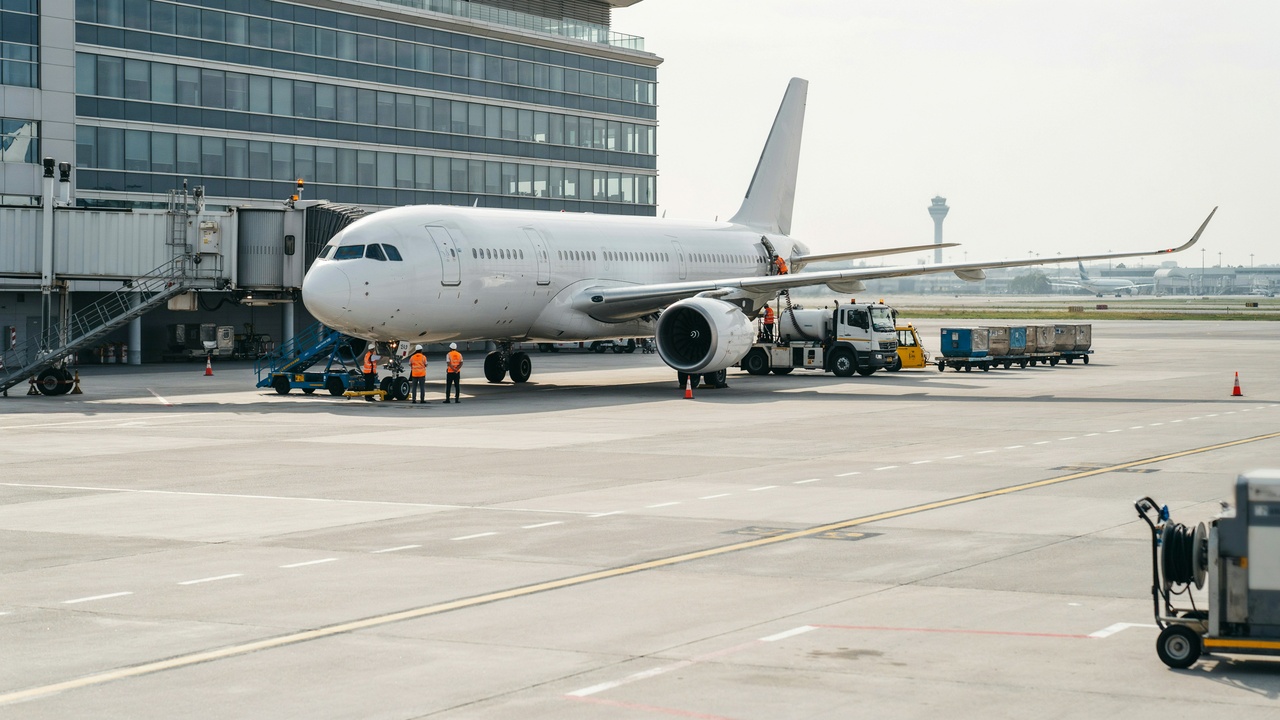
Turkish Airlines is making a move by ordering a lot of new planes. Turkish Airlines will get up to 150 narrowbody aircraft from Boeing. The final deal will close in September 2026. Turkish Airlines will get 100 firm Boeing 737‑8 jets and can also buy 50 737 MAX planes if it wants. Turkish Airlines wants to grow its medium routes from its Istanbul hub so Turkish Airlines needs more flexibility. Turkish Airlines sees a need for fuel‑efficient planes as it modernises its fleet. Turkish Airlines wants connectivity and wants to be ready for more passengers, on regional and international flights.
Turkish Airlines Strengthens Global Aviation Network With Major Boeing 737 MAX Fleet Expansion
The agreement, announced on 23 September 2026 in New York, includes a firm purchase of 100 Boeing 737-8 aircraft and options for an additional 50 Boeing 737 MAX jets. The arrangement also provides substitution rights for the larger Boeing 737-10, giving Turkish Airlines flexibility to adjust aircraft capacity according to future route requirements.
Advertisement
Advertisement
The new aircraft will strengthen Turkish Airlines’ short and medium haul operations, particularly from its major hub at Istanbul Airport. The carrier has developed one of the world’s most connected aviation networks, linking Europe, Asia, Africa, the Middle East and beyond.
The latest agreement builds on the airline’s long relationship with Boeing and forms part of its wider fleet modernisation programme. The order follows previous aircraft investments aimed at increasing capacity and supporting the airline’s international growth ambitions.
Advertisement
Advertisement
Turkish Airlines Boeing 737 MAX Order Supports Future Fleet Strategy
Turkish Airlines has positioned fleet growth as a central element of its aviation strategy. The airline operates a large network serving hundreds of destinations worldwide, requiring a flexible aircraft mix capable of handling different route demands.
The Boeing 737 MAX aircraft family provides airlines with improved efficiency, extended range capabilities and operational flexibility compared with older generation aircraft. For Turkish Airlines, the introduction of additional narrowbody aircraft will help support regional connectivity while allowing the carrier to respond to changing passenger demand.
Advertisement
Advertisement
The agreement allows Turkish Airlines to balance passenger capacity with route economics. The smaller Boeing 737-8 variant offers flexibility for a wide range of routes, while the option to shift towards the larger 737-10 provides additional seating capacity where demand increases.
This flexibility is particularly important for a global carrier operating from Istanbul. The hub connects multiple international markets within relatively short flying distances, creating strong demand for efficient single aisle aircraft.
According to Boeing, the 737 MAX family has been designed to provide improved fuel efficiency compared with previous aircraft generations. Airlines worldwide have increasingly focused on modern aircraft as fuel costs, environmental requirements and operational efficiency become important factors in fleet decisions.
Boeing 737 MAX Deal Becomes Largest Boeing Single Aisle Order For Turkish Airlines
The latest agreement represents Turkish Airlines’ largest Boeing single aisle aircraft order. The deal strengthens cooperation between the airline and the US aircraft manufacturer while supporting future aviation growth.
The order includes 100 firm Boeing 737-8 aircraft, creating a substantial increase in the airline’s future narrowbody fleet capacity. The additional options for 50 aircraft provide further growth potential without requiring immediate commitment for the entire quantity.
The ability to select between different aircraft sizes gives Turkish Airlines additional planning flexibility. Airlines often use this approach to manage uncertainty in passenger demand, route development and market conditions.
Advertisement
Advertisement
The Boeing 737 MAX family has become one of the most widely selected aircraft platforms among global airlines. Carriers have increasingly chosen modern narrowbody aircraft because they can operate efficiently on domestic, regional and international routes.
For Turkish Airlines, the aircraft will complement its existing fleet strategy, which includes both narrowbody and widebody aircraft. The airline uses narrowbody jets for shorter routes while larger aircraft support long haul operations.
The new order also demonstrates the continued importance of single aisle aircraft in global aviation. Despite increasing demand for long distance travel, narrowbody aircraft remain essential because they provide airlines with the ability to connect secondary cities and maintain high frequency services.
Istanbul Hub Growth Drives Demand For New Aircraft Capacity
Istanbul Airport has become the centre of Turkish Airlines’ global connectivity strategy. Located between Europe and Asia, the hub provides access to a wide range of international markets.
The expansion of the Turkish Airlines fleet reflects the airline’s focus on strengthening Istanbul as a major aviation gateway. Additional aircraft capacity allows the carrier to increase frequencies, introduce new routes and improve connections across its network.
Short and medium haul aircraft play an important role in hub operations. They allow airlines to connect smaller markets with larger international routes while maintaining efficient scheduling.
Advertisement
Advertisement
The Boeing 737 MAX order supports this model by providing aircraft suitable for multiple route categories. The aircraft can serve busy regional markets while also supporting longer narrowbody operations where required.
For passengers, increased fleet capacity can create more travel options, improved scheduling and stronger connectivity between destinations.
For airports and tourism markets, airline fleet expansion can also influence visitor flows. More aircraft availability can support tourism growth by improving access between countries and regions.
The agreement therefore has wider implications beyond aircraft procurement. It represents an investment in aviation infrastructure, connectivity and international mobility.
Fleet Modernisation Becomes Key Priority For Global Airlines
Airlines worldwide are accelerating fleet renewal programmes as they seek more efficient aircraft and improved operational performance.
The aviation sector has experienced major changes in recent years, including shifts in passenger demand, fuel cost pressures and increased attention towards sustainability. Modern aircraft have become a major tool for airlines looking to reduce operating costs and improve efficiency.
Advertisement
Advertisement
The Boeing 737 MAX order by Turkish Airlines reflects this broader industry trend. New generation aircraft are increasingly replacing older models because they offer improved performance and greater flexibility.
Fleet modernisation also helps airlines maintain competitiveness. Aircraft availability, passenger experience and operating costs directly influence airline performance.
Turkish Airlines’ investment demonstrates confidence in future aviation demand. The carrier is preparing additional capacity while maintaining flexibility through aircraft options and substitution rights.
The agreement also supports the wider aviation supply chain, including aircraft manufacturing, maintenance services and associated industries.
Aircraft orders of this scale create economic activity across multiple sectors. Manufacturing, engineering, airport operations and aviation services all benefit from continued fleet investment.
Boeing And Turkish Airlines Expand Long Standing Aviation Partnership
The agreement reinforces the long partnership between Boeing and Turkish Airlines. Both companies have worked together across multiple aircraft programmes over several decades.
Advertisement
Advertisement
The latest order strengthens Boeing’s position within Turkish Airlines’ future fleet planning. It also highlights the continued importance of commercial aircraft partnerships in supporting global aviation growth.
Boeing has developed the 737 MAX family as a modern narrowbody aircraft platform serving airlines across international markets. The aircraft family includes several variants designed for different operational requirements.
Turkish Airlines’ selection of the aircraft reflects its requirement for flexibility, efficiency and network expansion capability.
The agreement was finalised during a signing event attended by representatives from both organisations. Turkish Airlines described the agreement as supporting fleet expansion and operational flexibility from its Istanbul hub.
The partnership also contributes to Türkiye’s aviation ecosystem by supporting cooperation between international aircraft manufacturers, airlines and related industries.
Economic Impact Of Large Aircraft Orders Across Aviation Sector
Large aircraft purchases create economic effects beyond airlines and manufacturers. They influence employment, industrial activity and aviation-related services.
Advertisement
Advertisement
The Turkish Airlines Boeing 737 MAX agreement represents a significant investment in future air transport capacity. Aircraft deliveries require extensive support activities, including maintenance, training, airport preparation and operational planning.
For Türkiye, a growing aviation sector supports tourism, trade and international business connections. Strong airline networks can improve accessibility for visitors and strengthen links between markets.
The order also reflects confidence in future passenger demand. Airlines typically make major fleet decisions based on long term network planning and expected operational requirements.
As global aviation continues recovering and expanding, modern aircraft remain central to airline strategies.
Aviation Industry Impact Of Turkish Airlines New Aircraft Investment
The Turkish Airlines Boeing 737 MAX order represents a major development for the global aviation industry because it highlights continued demand for next-generation narrowbody aircraft. As airlines expand networks and replace older fleets, manufacturers are seeing strong interest in aircraft that deliver improved efficiency, flexibility and operational performance.
The aviation sector depends heavily on narrowbody aircraft because they serve a large share of global passenger routes. These aircraft connect major cities, regional airports and emerging markets while supporting frequent schedules.
Advertisement
Advertisement
The new agreement between Boeing and Turkish Airlines strengthens confidence in future aircraft demand. The order provides Boeing with a significant commercial commitment while supporting production activity across its aviation supply chain.
Aircraft manufacturing involves thousands of companies, including component suppliers, engineering firms, technology providers and maintenance organisations. Large aircraft agreements therefore create economic value across multiple industries.
The Boeing 737 MAX fleet expansion also reflects the changing priorities of airlines. Modern carriers increasingly focus on reducing operating costs, improving reliability and maintaining competitive services.
Fuel efficiency remains a major factor in aircraft selection. New aircraft technologies can help airlines manage fuel expenses while supporting broader environmental objectives within the aviation sector.
For airports, additional aircraft capacity can lead to increased passenger movements, stronger airline schedules and greater connectivity opportunities.
Tourism And Business Travel Benefits From Stronger Air Connectivity
Air connectivity plays a crucial role in tourism development and international business growth. The expansion of Turkish Airlines’ fleet could support wider travel opportunities by enabling additional capacity across its network.
Advertisement
Advertisement
Turkish Airlines operates one of the world’s most extensive international networks, connecting Istanbul with destinations across multiple continents. Additional narrowbody aircraft can support regional routes that feed passengers into larger international services.
The Turkish Airlines Boeing 737 MAX aircraft will provide greater flexibility for managing route demand. Airlines can use these aircraft on markets where passenger numbers require efficient capacity rather than larger widebody equipment.
Improved connectivity can benefit tourism destinations by making travel easier for international visitors. More frequent services can encourage leisure travel, business exchanges and cultural connections.
Türkiye’s tourism sector has grown significantly over recent decades, supported by improved aviation infrastructure and international airline access. Istanbul’s role as a global aviation hub has contributed to stronger connections between Europe, Asia, Africa and the Middle East.
For travellers, fleet growth can create potential benefits such as more flight options, improved schedules and enhanced network connections.
For businesses, stronger air links can support trade, investment and international cooperation. Reliable aviation services remain essential for companies operating across global markets.
Advertisement
Advertisement
Boeing 737 MAX Technology Supports Airline Efficiency Goals
The Boeing 737 MAX family has been developed with modern technologies aimed at improving aircraft performance. The aircraft incorporates design features intended to increase efficiency and reduce operating costs compared with previous-generation aircraft.
The 737 MAX 8, which forms the majority of Turkish Airlines’ confirmed order, is designed for single aisle operations with flexibility across different route lengths.
The aircraft family includes advanced engines and aerodynamic improvements that support fuel efficiency. These characteristics have made the aircraft attractive to airlines seeking modern fleet solutions.
Turkish Airlines will also have flexibility through the option to convert additional aircraft commitments into different 737 MAX variants, including the larger 737 MAX 10.
This approach allows airlines to adjust future fleet composition according to passenger demand and network requirements.
Aircraft flexibility has become increasingly important as travel patterns continue changing. Airlines must balance capacity planning with uncertainty around regional growth, seasonal demand and market conditions.
Advertisement
Advertisement
The agreement demonstrates how aircraft manufacturers and airlines are working together to create adaptable fleet strategies.
Turkish Airlines Fleet Growth Supports Global Network Ambitions
Turkish Airlines has built its international presence around Istanbul’s strategic location and extensive route network. The airline connects markets that link Europe, Asia, Africa and other regions.
The addition of up to 150 Boeing 737 MAX jets supports the airline’s long-term fleet planning approach. New aircraft deliveries can help maintain network growth while replacing older aircraft when required.
A modern fleet can improve operational consistency and support passenger expectations. Airlines increasingly compete through schedule convenience, reliability and route availability.
The new aircraft will become part of a broader fleet strategy that includes different aircraft categories for various operational needs.
Narrowbody aircraft remain essential for connecting secondary cities and regional markets. They allow airlines to offer frequent services while maintaining efficient operations.
Advertisement
Advertisement
For Turkish Airlines, the investment strengthens its ability to respond to future travel demand.
The agreement also supports Türkiye’s position within global aviation. The country has developed into an important transit market due to its geographic location and expanding airport infrastructure.
Future Outlook For Turkish Airlines And Global Aviation
The aviation industry is expected to continue focusing on fleet renewal, operational efficiency and improved connectivity. The Turkish Airlines and Boeing agreement reflects these priorities.
The delivery timeline for the aircraft will determine how quickly the new capacity enters service. Turkish Airlines will continue planning aircraft deployment based on network requirements and passenger demand.
The Boeing 737 MAX order demonstrates the importance of flexible fleet decisions in a changing aviation environment.
Airlines must consider multiple factors when expanding fleets, including market growth, operating costs, sustainability requirements and passenger expectations.
Advertisement
Advertisement
Future aviation growth will depend on strong airline networks, modern aircraft technology and efficient airport infrastructure.
The agreement between Boeing and Turkish Airlines highlights how aircraft investments support wider economic activity. Beyond passenger flights, aviation contributes to tourism, trade, employment and international connections.
As Turkish Airlines continues expanding its global presence, the new aircraft will play an important role in supporting future operations.
Conclusion
The Turkish Airlines Boeing 737 MAX order marks a step for Turkish Airlines in expanding its fleet. Turkish Airlines plans to add up to 150 aircraft. These aircraft will help Turkish Airlines connect places and grow operations. The agreement strengthens Turkish Airlines and Boeing ties. It also shows that the world wants efficient narrowbody aircraft more and more. Through fleet investment Turkish Airlines wants to become more flexible. Turkish Airlines also wants to open network opportunities. Turkish Airlines will support travel links, from Istanbul. The development also shows that aviation trends focus on efficiency, sustainability and passenger demand. The new aircraft will help tourism. The new aircraft will help business travel. The new aircraft will help connectivity.
Advertisement
