
Japan Adjoins Italy and Other Countries in Global Tourism Shifts Toward Small Breaks and Alternative Lodgings

Updated
Published
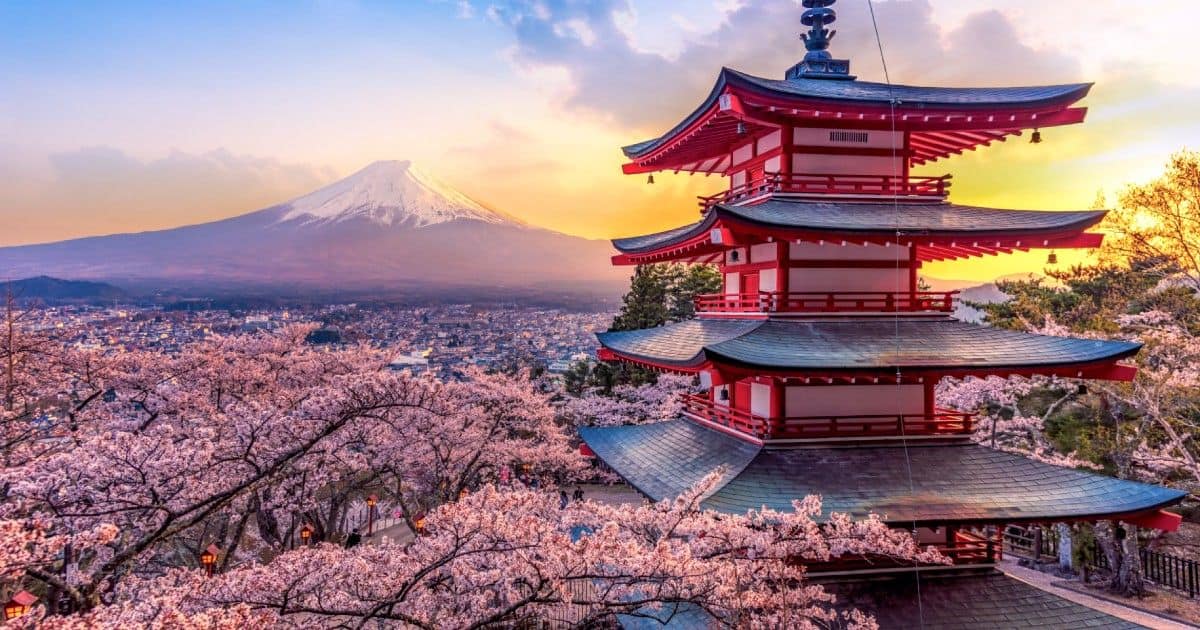
Japan borders Italy and other countries in terms of changing trends in international tourism towards small stays and alternative accommodation. Travelers are increasingly seeking to break with the traditional forms of touring and exploring. As such, modern tourists now call for new behavioral patterns, different from those of their predecessors. Hence, the phenomenon mentioned has led to significant changes in the way people travel today.
Japan borders Italy and other countries in terms of changing trends in international tourism towards small stays and alternative accommodation, which will transform the way people travel forever. Travelers are now seeking to abandon traditional extended stays in favor of short but extravagant stays and alternative accommodation. In addition, popular tourist destinations in Europe and around the world are facing dramatic changes. Local hospitable economies benefit immensely from such changes, making this concept very attractive to modern explorers. Therefore, today many tourists are eager to embrace these new exciting opportunities.
Modern travel trends now feature a new international tourism system in which travelers go on their way, no longer confined to the usual patterns of the tourist industry. A significant number of tourists around the world are now turning away from the traditional system of quality and quantity in favor of shorter but more memorable journeys and unusual accommodation.
What Driving Forces Are Shaping Spain and Greece in This New Era?
Spain and Greece are experiencing robust financial gains through contrasting mechanisms that highlight the adaptability of modern travellers. In Spain, international tourism figures reveal that while overall trip durations have shortened, daily expenditures have climbed significantly, driven by a surging preference for self-catered housing and regional exploration outside major urban hubs. Meanwhile, Greece has successfully increased its total tourism receipts despite experiencing a minor contraction in inbound traveller volume during the peak summer months. This revenue growth stems directly from a sharp rise in average spending per trip, proving that Mediterranean markets are successfully capturing higher-yield tourists. Ultimately, these nations demonstrate that modern tourism success depends on maximizing economic value per day rather than merely accumulating massive visitor numbers.
Advertisement
Advertisement
For official tourism statistics, border data, and arrivals reports, visit the official INE Spain National Statistics Portal.
How Are Malta and Portugal Responding to Shorter Stays and Rising Accommodation Demands?
Malta and Portugal illustrate how regional destinations are absorbing rapid growth while managing evolving visitor preferences. Malta has welcomed substantial increases in total expenditure that outpace its overnight stay growth, indicating shorter average visits from international tourists who spend efficiently during their stay. Concurrently, Portugal has recorded steady accommodation numbers alongside a notable surge in regional local housing nights, particularly in areas like Madeira where alternative stays outpace traditional hotel bookings. These trends highlight a broader regional shift toward agile travel planning, where visitors favor properties that offer independent living arrangements and neighborhood immersion. Consequently, local hospitality sectors are rapidly modernizing their infrastructure to accommodate this preference for flexible, decentralized lodging.
Advertisement
Advertisement
Why Are France, Italy, Croatia, and Slovenia Challenging Continental Travel Norms?
France, Italy, Croatia, and Slovenia provide essential counterweights to the shorter-stay narrative by showcasing diverse consumer behaviors across Europe. Italy has emerged as an important exception where foreign overnight stays actually grew faster than arrivals, resulting in longer average trip lengths during the summer season. France has relied heavily on domestic residents to drive collective accommodation nights while international receipts reached record highs during the first half of the year. In Croatia, arrivals have grown faster than overnight stays, pointing to a distinct compression of travel timelines within coastal regions. Meanwhile, Slovenia has recorded impressive growth in private rented rooms and dwellings, signaling a widespread adoption of alternative accommodations across Central Europe.
“This insightful article brilliantly captures the tectonic shift defining modern travel, moving away from rigid, extended itineraries toward dynamic micro-trips, high-impact spending, and alternative residential stays. By seamlessly weaving together hard data from Mediterranean heavyweights and global destinations like Japan and Mexico, it dismantles outdated travel assumptions. More importantly, it offers readers a practical, transparent roadmap for evaluating total trip costs rather than relying on misleading headline averages. It is a timely, expertly grounded read for any contemporary explorer looking to maximize both cultural immersion and financial value in today’s evolving tourism economy.”
Advertisement
Advertisement
— Anup Kumar Keshan, Founder and Editor-in-Chief, Travel And Tour World
What Practical Steps Must Travellers Take When Navigating These Evolving Tourism Trends?
Navigating this fragmented European tourism landscape requires consumers to look beyond generalized national averages and evaluate comprehensive trip expenses. Because daily costs, transport logistics, and local tourist taxes vary wildly from one destination to another, travellers must carefully calculate total payable prices before locking in their itineraries. Comparing comprehensive accommodation packages against separately booked short-term rentals ensures that hidden fees like cleaning charges or mandatory local levies do not distort the real holiday budget. Ultimately, understanding these complex micro-trends empowers modern explorers to secure genuine financial value by aligning their travel expectations with fully transparent, realistic pricing structures.
Global Shift Matrix
| Country | The Spending Philosophy | The Timeline Shift | The Accommodation Choice |
| Japan | Splurging on craftsmanship, craft dining, & bespoke transit | Frequent, shorter regional hops | Minpaku rentals, traditional machiyas |
| Italy | Premium investment in exclusive culinary & cultural access | Micro-trips and off-peak weekenders | Rustic agriturismo & countryside villas |
| Mexico | High daily spend on design, wellness, & artisanal dining | Flexible short-haul getaways | Design-led rental properties & eco-lodges |
| Spain | High daily spend focused on culture, dining, & taxation compliance | Shorter seasonal city/coastal breaks | Urban apartments & coastal vacation homes |
The main reason why such a significant change in the world’s tourism industry occurs is the increased cost of travels and different priorities. Tourists start to prefer to spend their hard-earned money on shorter trips than before, and they can enjoy more comfort and convenience on regular, less demanding trips.
Advertisement
Advertisement
As a result, the overall quality of the tourist experience is better, and individuals can get the most out of it. Thus, by considering the given trends, it is possible to make the best choices when planning a trip and saving money.
Image Source: World Travel And Tourism Council
Advertisement
