
Samoa Airways Aircraft Recovery Reveals Why Pacific Island Aviation Is Critical for Tourism Survival and Growth

Published
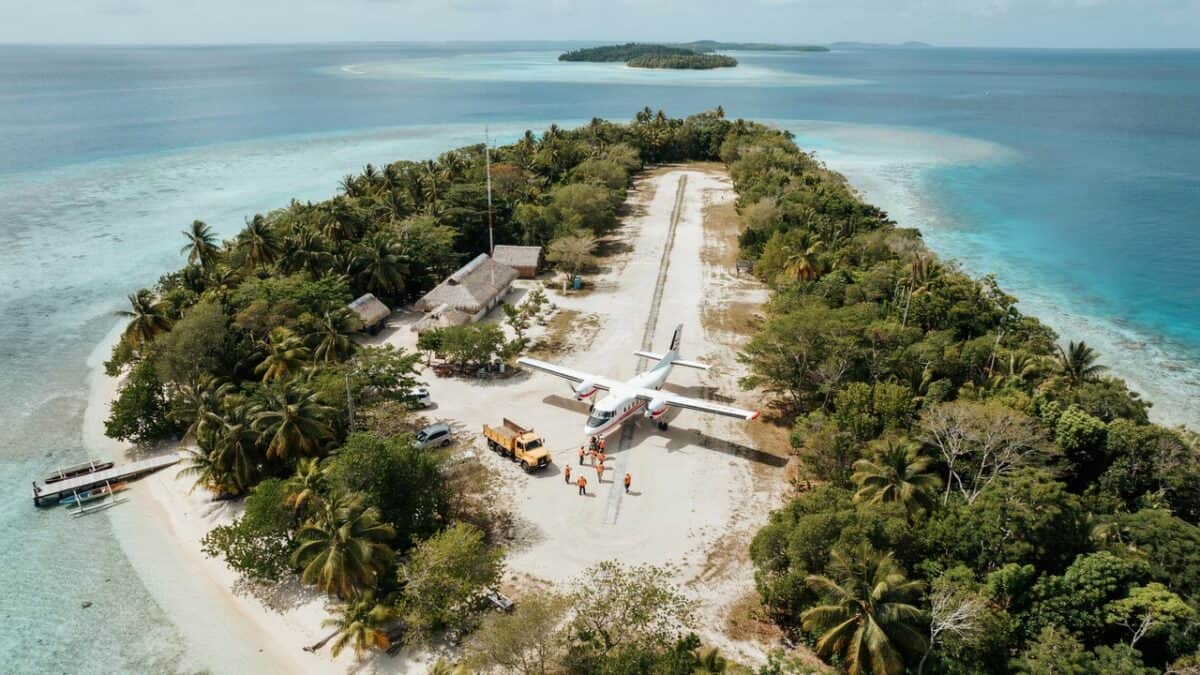
Image generated with Ai
The recovery of Samoa Airways’ damaged DHC-6-300 Twin Otter aircraft is not only an aviation incident. It highlights a bigger tourism issue — how small Pacific island destinations depend on reliable regional air links to bring visitors, support local communities and maintain economic connections.
The aircraft, operated by Samoa Airways, was damaged after a runway excursion at Fitiuta Airport in Manu’a, American Samoa, on 28 July 2026. The recovery required international engineering support, heavy equipment and complex logistics because of the island’s remote location.
Advertisement
Advertisement
A wider tourism story can examine how Samoa’s aviation resilience supports island tourism development, especially as Pacific destinations compete for international travellers seeking authentic culture, nature experiences and remote island holidays.
Samoa Airways Recovery Raises Bigger Question: Can Pacific Island Aviation Keep Tourism Connected?
Samoa’s tourism future depends heavily on connectivity. Unlike large destinations with multiple airports and transport options, Pacific island nations rely on small aircraft networks to connect outer islands, communities and tourism locations.
Advertisement
Advertisement
The Samoa Airways recovery operation shows the fragile nature of island tourism supply chains. A single aircraft disruption can affect access to remote islands where visitors depend on air services.
Advertisement
Advertisement
Samoa Airways operates short-haul Pacific routes using a fleet of DHC-6-300 Twin Otter aircraft, designed for island environments with shorter runways and challenging conditions.
The incident therefore becomes a wider tourism discussion about aviation reliability, infrastructure investment and the future of Pacific travel.
Samoa Tourism Snapshot: Why Air Connectivity Matters
| Tourism Indicator | Samoa Data | Tourism Importance |
|---|---|---|
| Country | Samoa | Independent Pacific Island destination |
| Region | Polynesia, Oceania | Competes with Fiji, Tonga, Cook Islands and other island destinations |
| Capital | Apia | Main tourism and business centre |
| Main International Airport | Faleolo International Airport | Gateway for international visitors |
| National Airline | Samoa Airways | Supports domestic and regional connectivity |
| Aircraft Type Involved | DHC-6-300 Twin Otter | Essential aircraft for island routes |
| Aircraft Recovery Location | Fitiuta Airport, American Samoa | Shows challenges of remote island aviation |
Samoa’s Tourism Economy Depends on Regional Air Links
For island destinations, aviation is not only transportation. It is an economic lifeline.
Visitors travelling to Samoa often combine:
- beach holidays
- cultural experiences
- village tourism
- marine activities
- eco-tourism
- island exploration
Outer islands and remote communities depend on flights because sea transport can be slower and less suitable for international travellers.
Advertisement
Advertisement
The loss of one aircraft can reduce capacity and create challenges for tourism operators, hotels and local businesses.
Samoa Tourism Market Data and Regional Position
| Category | Details |
|---|---|
| Tourism Identity | Culture, beaches, marine tourism and authentic Polynesian experiences |
| Key Visitor Markets | New Zealand, Australia, United States and Pacific neighbours |
| Main Tourism Advantage | Traditional culture combined with natural landscapes |
| Aviation Challenge | Geographic isolation and limited aircraft availability |
| Growth Opportunity | Sustainable island tourism and experience-based travel |
Why the DHC-6-300 Twin Otter Is Important for Island Tourism
The Twin Otter aircraft remains one of the most important aircraft types for remote destinations because it can operate in difficult environments.
For Pacific islands, these aircraft provide:
- access to smaller airports
- links between islands
- support for local tourism businesses
- emergency transportation capability
Samoa Airways invested heavily in aircraft refurbishment. Reports indicate the airline spent around WST22 million (approximately US$8 million) on refurbishing two Twin Otter aircraft, including the aircraft involved in the incident.
Samoa Airways Aviation Profile
| Aviation Feature | Data |
|---|---|
| Airline | Samoa Airways |
| Headquarters | Apia, Samoa |
| Fleet Type | DHC-6-300 Twin Otter |
| Fleet Size | 3 aircraft reported |
| Primary Role | Domestic and regional island connectivity |
| Main Hub | Faleolo International Airport |
| Key Markets | Samoa and American Samoa connections |
Pacific Island Tourism Faces a Unique Connectivity Challenge
Large tourism markets benefit from hundreds of daily flights. Pacific islands operate differently.
Advertisement
Advertisement
Challenges include:
| Challenge | Impact on Tourism |
|---|---|
| Remote geography | Higher operating costs |
| Limited aircraft fleets | Reduced schedule flexibility |
| Weather conditions | Possible flight disruptions |
| Small airports | Limited aircraft capacity |
| Maintenance difficulties | Longer recovery periods |
The Samoa Airways recovery demonstrated this challenge. Specialist teams and equipment had to be brought into the remote location before the aircraft could be removed.
Wider Pacific Tourism Angle: Samoa Joins Island Aviation Resilience Debate
Samoa’s situation reflects a wider Pacific tourism issue.
Destinations including:
- Fiji
- Tonga
- Vanuatu
- Solomon Islands
- Cook Islands
face similar challenges because tourism growth depends on aviation access.
Advertisement
Advertisement
As travellers increasingly search for unique island experiences, Pacific destinations need stronger aviation networks, modern aircraft fleets and resilient airport infrastructure.
Future Tourism Impact: Why Samoa’s Aviation Recovery Matters
The Samoa Airways aircraft recovery represents more than repairing one aircraft.
It highlights the importance of:
- protecting island tourism connectivity
- investing in regional aviation
- improving remote airport infrastructure
- supporting sustainable tourism growth
For global travellers, Samoa remains a destination built around culture, nature and authenticity. But maintaining access will be essential for future tourism expansion.
The bigger story is clear: for Pacific islands, aviation is not simply a transport service — it is the bridge connecting tourism economies with the world.
Advertisement
