

UK Removes Airline Fee Ban Start Date as Families Await New Travel Protections

Updated
Published
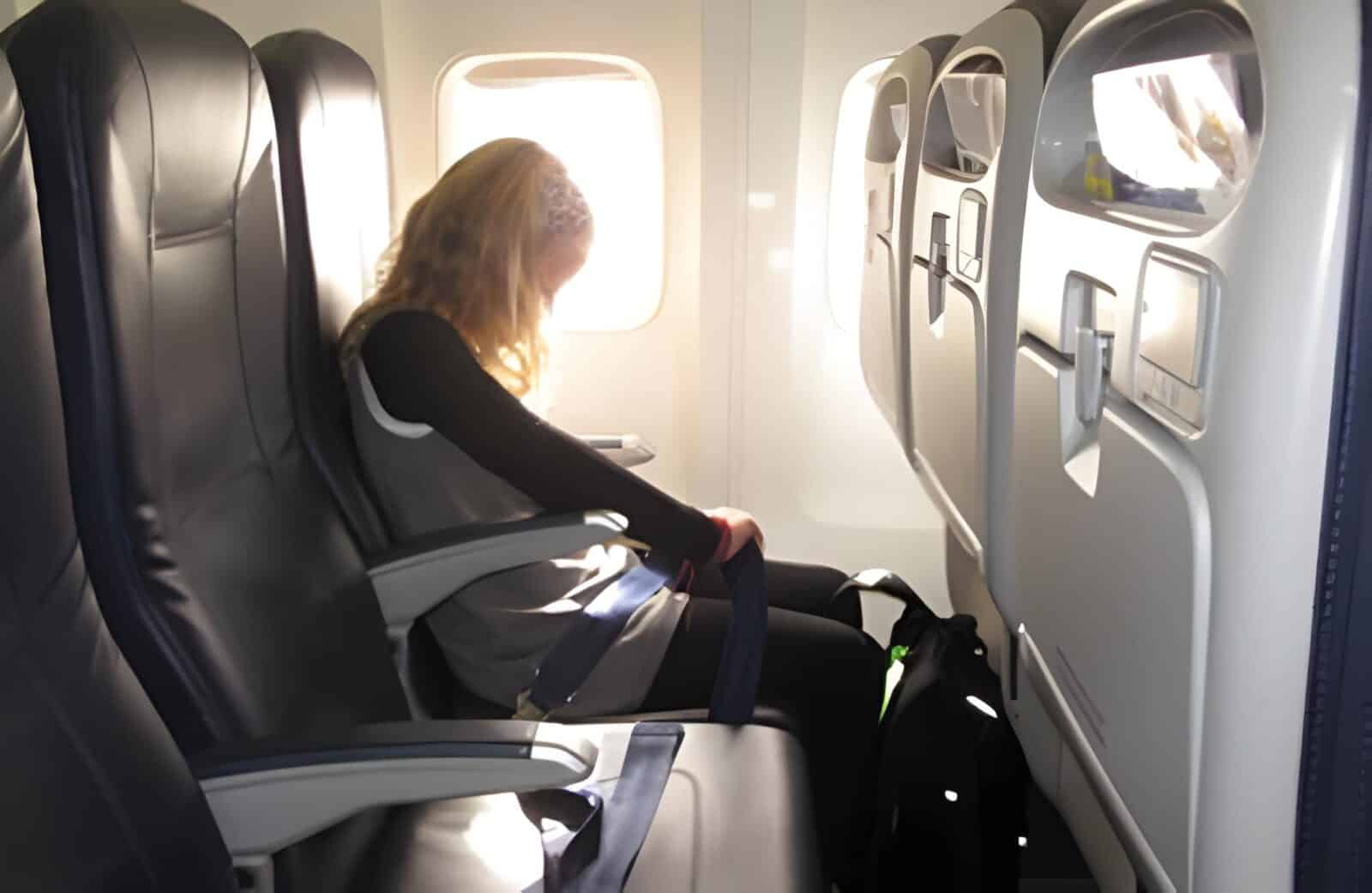
The UK government has taken away a start date from its announcement about banning airline fees. Families are still waiting to know when the new protections will start to work. The Department for Transport made a statement on 2 October 2026. It explained plans for seats next to children under 14 and free fixes for simple booking name mistakes. The delivery of these changes depends on the Civil Aviation Bill getting Royal Assent and then being put into action. Travelers who book flights today should know that the policy promise does not give a right, to savings. Current airline rules still need to be checked before passengers plan how much they will save or choose seats. GOV.UK
What changed in the airline fee ban announcement
The Department for Transport announcement was first published on 1 October. Its update history records a correction the following day, explaining that the application date had been removed because it was wrong.
That changes how passengers should interpret the announcement. It should not be treated as proof that the proposed protections became enforceable on 2 October.
Removing an erroneous date also does not establish that an agreed deadline has been postponed. The distinction matters for families deciding whether to pay for seats today.
Advertisement
Advertisement
The costs behind the proposed protections
The department cites possible charges reaching £104 for a parent and child to sit together on a return journey. It also identifies fees sometimes reaching £40 for minor booking mistakes.
These are examples of potential charges, rather than typical costs or guaranteed savings. A family whose airline already provides the relevant service free would not automatically gain that amount.
Advertisement
Advertisement
| Proposed protection | Government example | Practical interpretation |
|---|---|---|
| Free seating with a parent or accompanying adult for children under 14 | Up to £104 per return journey | Savings depend on existing airline arrangements |
| Free correction of simple name errors | Charges sometimes reaching £40 | The proposal concerns minor errors |
| Implementation after Royal Assent | No replacement commencement date stated | Check current terms before booking |
The figures explain the policy concern without establishing an industry-wide average. GOV.UK
Parliament still has work to complete
The legislative timetable provides a firmer reference point than promotional language about savings. UK Parliament’s published scrutiny notice schedules the Public Bill Committee to begin examining the legislation on 20 October 2026, with reporting expected by 22 October.
Those dates concern parliamentary examination. They are not dates when airlines must change their booking systems.
The notice also invites written evidence and warns that committee consideration can finish earlier than expected. This is a legislative process with several milestones, rather than a single switch passengers can assume has already been turned on. UK Parliament
Royal Assent and passenger rules are separate milestones
The House of Commons Library briefing explains that the Civil Aviation Bill would give the transport secretary powers to make passenger rights regulations through secondary legislation.
The bill would also require consultation on future passenger rights regulations within 12 months of the act coming into force. That consultation requirement should not be interpreted as a confirmed launch date for either fee protection.
Advertisement
Advertisement
For readers, the useful sequence is parliamentary approval, the legal framework and the published arrangements governing implementation. Each answers a different question.
The same briefing describes proposed direct consumer enforcement powers for the Civil Aviation Authority. Those powers matter because protection needs an effective enforcement mechanism alongside a clear promise. House of Commons Library
A spelling correction is different from changing travellers
Passengers should describe a booking problem precisely when contacting an airline. Correcting a mistyped name and transferring a ticket to another person are different requests.
For example, easyJet’s official terms distinguish spelling corrections from passenger changes. They permit online or app corrections of up to three characters without charge, while changing the passenger involves a name change fee.
That example also shows why checking existing rights can help before new legislation arrives. Travellers should look for the correction process, character limit and contact route relevant to their booking.
A free spelling correction does not mean a passenger can also change travel dates, destinations or ticket ownership without cost. easyJet
Advertisement
Advertisement
What families should check before paying
The most useful question is specific: what arrangement does the airline currently provide for this child and accompanying adult?
Ask whether free allocation is available, when seats are assigned and whether the displayed charge buys a preferred location. Keep the answer with the booking confirmation.
Before completing payment:
- Check every passenger name against the travel document.
- Read the airline’s family allocation policy.
- Separate essential arrangements from preferred seats.
- Save the terms and any written clarification.
These steps give passengers a clearer record of what they purchased. They also reduce the risk of treating a future policy as part of today’s contract.
Travel businesses need accurate booking explanations
For airlines and booking agents, the immediate communication challenge is accuracy. Sales pages should make it easy to distinguish current arrangements from announced reforms.
Tour operators should check that staff explain the same distinction when discussing flight-inclusive holidays. A reassuring headline is insufficient if a customer later encounters a different charge at checkout.
Advertisement
Advertisement
The correction alone provides no basis for claiming higher visitor arrivals, hotel revenue, employment or investment. Such outcomes would require separate evidence.
The relevant economic question is narrower: whether eligible customers eventually face lower additional costs and can compare complete journey prices more easily. Measuring that will require confirmed rules and evidence after implementation.
Traveller FAQs
Policy status checked on 3 October 2026.
Can I assume the protections apply to a flight booked today?
No. Read the airline’s current conditions and obtain clarification where necessary before paying.
Should I deduct £104 from my holiday budget?
Advertisement
Advertisement
No. Calculate costs from your actual booking, rather than using the government example as a standard saving.
Can I give my ticket to somebody else through a spelling correction?
Do not assume so. Ask the airline about passenger changes, which are distinct from correcting a typing mistake.
What travellers should watch next
Families planning their flight need a confirmed start date clear rules about who can sign up and a simple way to solve disagreements. Until those details appear, the safest way to budget is to look at the price of a booking and ask the airline what services it already gives for free. Write down the answers compare passenger names to travel papers and tell apart seats that’re necessary from seats that are just nice. The change makes good communication especially crucial for airlines and booking agents. Travelers should judge the rules by the protections they can actually use with clear conditions and strong enforcement not just, by the date that the changes are announced.
Official Sources
- Department for Transport: https://www.gov.uk/government/news/take-off-for-passengers-as-government-scraps-extra-charges-when-flying
- UK Parliament: https://www.parliament.uk/business/news/2026/september-2026/civil-aviation-consumer-protection-and-regulatory-reform-bill-hl-call-for-evidence/
- House of Commons Library: https://commonslibrary.parliament.uk/research-briefings/cbp-12183/
Advertisement
