
United Kingdom’s Travel Sector Trails Europe as Spain, Germany, and Italy Outperform in Tourism Growth : What more you need to know?

Published
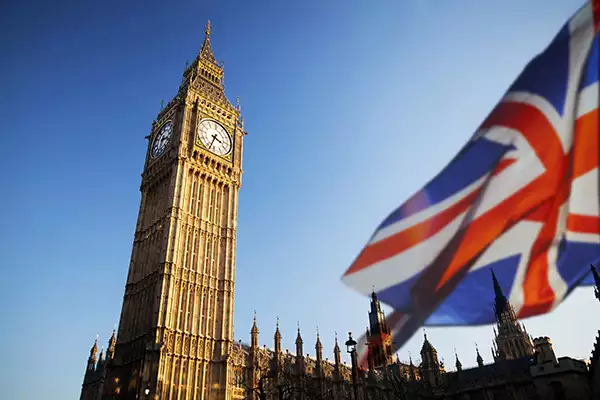
The World Travel & Tourism Council (WTTC) has issued a strong caution to the UK Government, warning of potential stagnation and a long-term downturn in the country’s tourism sector. The announcement came ahead of the inaugural meeting of the Visitor Economy Advisory Council, aimed at addressing challenges in the UK’s travel and tourism landscape. With £60 billion in tourism revenue at risk over the next decade, the WTTC emphasized the urgency of proactive government intervention.
Economic Contribution and Underinvestment
The UK’s travel and tourism industry plays a vital role in the nation’s economy. In 2024, the sector accounted for £280 billion, representing 10.3% of GDP, and directly supported 4.1 million jobs, comparable to the workforce size of the NHS. Additionally, tourism generated approximately £100 billion in annual tax revenues. Despite its significance, the sector has suffered from limited government investment and a lack of comprehensive policies, leaving it lagging behind other European competitors like Spain, Germany, and Italy.
Advertisement
Advertisement
Competitive Challenges and Barriers
While global travel and tourism are projected to grow at an annual rate of 3.7% over the next decade, the UK faces one of the slowest growth rates in international overnight arrivals among major European destinations. High VAT rates, increased Air Passenger Duty (APD), and a planned hike in the Electronic Travel Authorization (ETA) fee from £10 to £16 per visitor have further discouraged international travelers. These financial barriers make destinations like Spain and Germany more attractive due to their affordability and supportive policies.
Key Competitive Barriers:
- High VAT rates impacting affordability.
- Increased Air Passenger Duty (APD).
- Planned rise in ETA fees deterring international visitors.
Calls for Government Action
WTTC President & CEO Julia Simpson highlighted the urgent need for strategic action, describing the tourism sector as a misunderstood yet critical driver of economic growth. Simpson applauded the efforts of the Rt Hon Sir Chris Bryant MP, the new Minister for Media, Tourism, and Creative Industries, for convening stakeholders at the Visitor Economy Advisory Council. This initiative aims to address the structural challenges facing the UK’s tourism sector and explore solutions to maintain its competitiveness.
Advertisement
Advertisement
Simpson also criticized the chronic underinvestment in tourism promotion, warning against the assumption that the UK will always remain a preferred destination. She called for bold measures to enhance the sector’s appeal and align it with global trends.
Global Context and Lessons from Competitors
Globally, travel and tourism have rebounded to pre-pandemic levels, with the United Nations World Tourism Organization (UNWTO) reporting a 99% recovery by 2024. Countries like Spain, Germany, and Italy have integrated tourism into their core government strategies, reaping significant growth and competitiveness benefits. For example, Spain’s targeted tourism campaigns and infrastructure investments have solidified its position as a top destination for international travelers.
Advertisement
Advertisement
Simpson pointed out that Singapore offers a compelling example of how public-private collaboration can transform tourism. The integration of world-class attractions like Jewel Changi Airport, which combines efficient air travel with unique visitor experiences, demonstrates the potential of innovative approaches to tourism development.
Implications for Travelers and the Industry
The challenges facing the UK’s tourism sector have broader implications for travelers. Rising costs, including higher APD and ETA fees, may prompt international visitors to seek more affordable alternatives in Europe or beyond. Additionally, underinvestment in tourism promotion risks diminishing the appeal of iconic UK destinations.
Potential Impacts on Travelers:
- Increased costs could divert travelers to other European destinations.
- Limited investment in new attractions may reduce visitor satisfaction.
- Long-term stagnation could affect the availability and quality of travel experiences in the UK.
A Path Forward for UK Tourism
The WTTC emphasized that the UK has a unique opportunity to revitalize its tourism sector by addressing its structural challenges. Reducing financial barriers, investing in promotional campaigns, and fostering public-private partnerships are key strategies to secure long-term growth.
By implementing these measures, the UK can align itself with global travel trends and ensure that its tourism sector continues to thrive as a major contributor to the economy. Strengthening tourism policies will not only attract international travelers but also generate significant economic and social benefits for local communities.
Global Impacts on Tourism Trends
The WTTC’s warning underscores the interconnected nature of global tourism. As countries compete for a share of the international travel market, supportive policies and innovative approaches will be critical for success. For travelers, this competitive dynamic may result in more diverse and affordable options, encouraging exploration of underutilized destinations. However, the UK’s challenges highlight the importance of long-term planning and collaboration to maintain competitiveness in an evolving global landscape.
In conclusion, the UK’s travel and tourism sector stands at a crossroads. Proactive measures and strategic investments are essential to ensure that it remains a key driver of economic growth and a compelling destination for travelers worldwide.
Advertisement
