
US Federal Workforce Cuts Threaten Tourism in Alaska as Reduced Staffing at National Parks Raises Concerns Over Visitor Services, Emergency Response, and Infrastructure Maintenance

Published
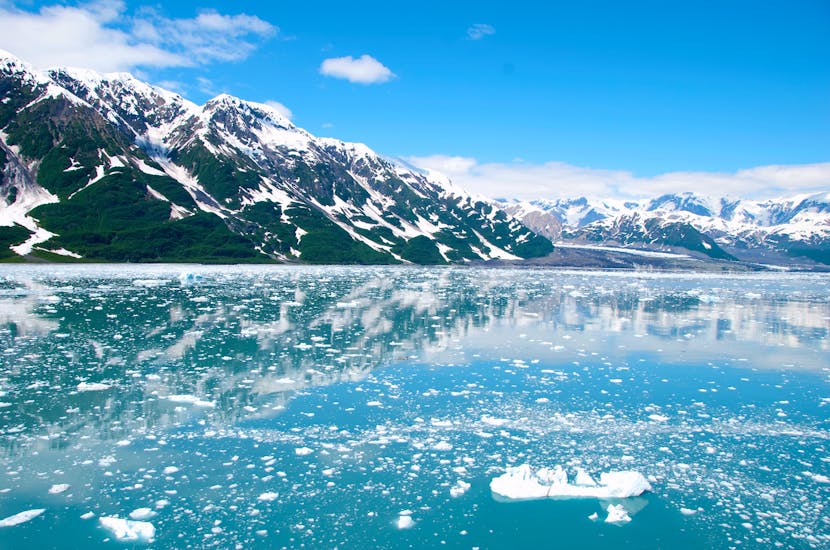 Image generated with Ai
Tourism industry leaders in Alaska are sounding the alarm over federal workforce reductions, warning that staffing cuts at national parks and protected lands could severely impact visitor services, emergency response capabilities, and the overall travel experience. The concern comes as the federal government moves forward with mass firings, a hiring freeze, and restructuring measures affecting thousands of employees.
Alaska’s Tourism Industry Faces Uncertainty Amid National Park Staff Reductions
The impact of these workforce cuts is expected to be significant in Alaska, where federal employees play a crucial role in managing the state’s vast national parks, forests, and public lands. Sites such as Denali National Park and Preserve could see a reduction in emergency response teams, guided tours, educational programs, and essential services like trail maintenance, campsite access, and facility upkeep.
Advertisement
Advertisement
Tourism stakeholders fear that a decline in available services will negatively affect visitor satisfaction, leading to long-term consequences for Alaska’s reputation as a premier travel destination.
“We’re very concerned about what level, if any at all, visitor services are going to be available,” said Jillian Simpson, president of the Alaska Travel Industry Association (ATIA). The organization has urged Alaska’s congressional delegation to address the issue before it leads to irreparable damage to the state’s tourism economy.
Advertisement
Advertisement
Visitor Services at Risk as Hiring Freeze Limits National Park Operations
The Trump administration’s approach to downsizing the federal workforce includes a hiring freeze, deferred resignations, and the termination of probationary employees, many of whom are experienced federal workers transitioning into new roles. These measures have left critical national park operations in limbo, with uncertainty over whether key positions will be filled before the peak summer tourism season.
Among the potential consequences of the staffing cuts:
Advertisement
Advertisement
- Reduced Emergency Response Capabilities: With fewer rangers and emergency personnel available, response times for lost hikers, wildlife incidents, and other crises may be delayed.
- Limited Visitor Center Hours and Educational Programs: Park rangers provide crucial historical and ecological insights to visitors, and reductions in staff could lead to fewer learning opportunities.
- Decline in Infrastructure Maintenance: Reduced staff could mean neglected restrooms, overflowing trash, and damaged trails, leading to a decline in the overall visitor experience.
- Restricted Access to Key Park Areas: If staffing shortages persist, authorities may limit access to certain roads, campsites, and hiking trails.
These potential cutbacks raise concerns among tourism operators who rely on well-maintained parks and safe, accessible attractions to attract visitors.
Economic Ramifications for Alaska’s Tourism Sector
Alaska’s economy is heavily dependent on tourism, which contributes billions of dollars annually and supports thousands of jobs. A weakened national park system could discourage visitors, hurting businesses such as hotels, tour operators, restaurants, and local shops.
Tourism industry leaders argue that while Alaska remains a bucket-list destination, a decline in the quality of services could prompt travelers to seek alternative locations where national parks and attractions are better staffed and maintained.
Federal Cuts Could Have Outsized Impact on Alaska’s Public Lands
With approximately 15,000 federal employees working in Alaska and an outsized proportion of public lands under federal management, the state is particularly vulnerable to workforce reductions. Denali National Park, Glacier Bay National Park, and other popular destinations require skilled personnel for operations, safety, and conservation efforts.
Alaska’s congressional representatives have yet to announce concrete plans to address the staffing concerns, but tourism leaders are pushing for immediate action to prevent long-term damage to the industry.
What’s Next for Alaska’s National Parks and Tourism?
As summer approaches, tourism businesses and visitors alike face growing uncertainty. Without intervention, national park staffing shortages could reduce visitor satisfaction, strain local communities, and weaken Alaska’s position as one of the most sought-after nature destinations in the United States.
Advertisement
Advertisement
Industry advocates continue to call on policymakers to reassess the workforce cuts and prioritize the restoration of key staffing levels at national parks. The outcome will determine whether Alaska’s tourism industry thrives or struggles under the weight of reduced federal support and declining park services.
In case you missed it:
Read Travel Industry News in 104 different regional platforms
Get our daily dose of news, by subscribing to our newsletters. Subscribe here.
Watch Travel And Tour World Interviews here.
Read more Travel News, Daily Travel Alert, and Travel Industry News on Travel And Tour World only.
Advertisement
