
Japan’s Tourism Boom Puts Regional Travel and Heritage Protection in Focus

Published
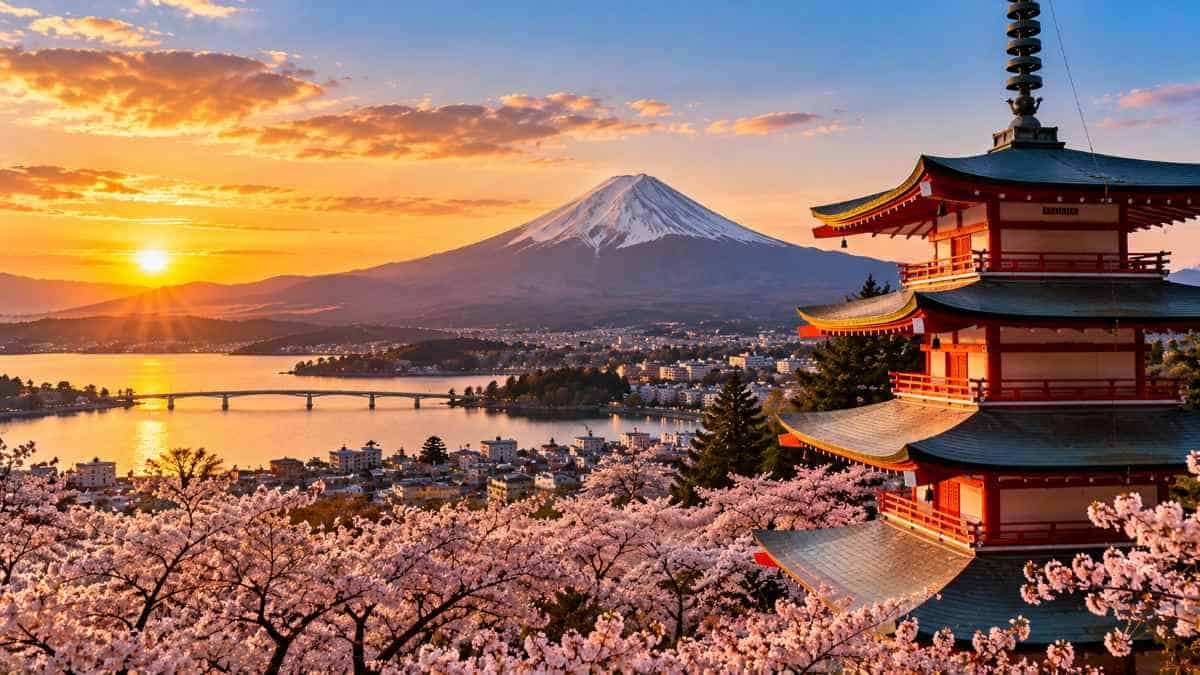
The Japanese tourism industry faces the challenge of how to sustain high international demand while ensuring that tourists visit areas other than its famous cities and conserve the cultural sites that make them attractive. While Tokyo, Kyoto and Osaka continue to attract tourists, there is an increased need for Japan to develop tourism in other parts of the country due to pressure on popular neighbourhoods, transport systems and heritage sites. Japan has been taking steps to promote regional tourism, provide digital visitor services and implement demand management at popular tourist destinations. Such actions are meant to boost tourism’s contribution to the economy as well as ensure that locals gain from international tourism. There are a few claims in the provided brief that require validation. For example, the claim that Japan was ranked number one in the World Economic Forum’s Travel and Tourism Development Index (TTDI) 2026 cannot be validated using an official 2026 ranking. Also, it was not possible to validate an official Japan Tourism Agency program known as “Regional Dispersal Tax Incentive”, a national 25% non-resident admission surcharge, and the annualised inbound spending of ¥7.2 trillion.
Regional Travel Becomes a Tourism Priority
Japan’s regional tourism strategy aims to distribute visitor spending more widely across prefectures, helping local economies benefit from international demand. Beyond the Golden Route of Tokyo, Kyoto and Osaka, destinations offer historic towns, hot-spring resorts, mountain landscapes, traditional crafts and regional food experiences.
Areas such as Tohoku, Shikoku, Hokuriku and parts of Kyushu offer alternatives to the busiest urban destinations. Encouraging longer stays in these regions could direct spending towards smaller hotels, restaurants, transport operators and independent attractions.
Digital booking services can support this effort by making regional accommodation, transport and experiences easier to discover and reserve. However, the proposed “Regional Dispersal Tax Incentive”, described as a corporate tax offset for travel-technology firms, could not be verified as an official Japan Tourism Agency programme. It should not be presented as an enacted tax measure without confirmation from the Japanese government.
Advertisement
Advertisement
Regional tourism also requires more than digital marketing. Transport connections, multilingual visitor information, accommodation capacity and cooperation with local communities are important to making lesser-known destinations practical for international travellers.
Visitor Pricing and Heritage Conservation
Japan is also examining how tourism facilities should set prices as visitor demand increases. Popular heritage sites face costs associated with maintenance, crowd management, cleaning, staffing and the protection of historic structures.
Advertisement
Advertisement
In April 2026, the Japan Tourism Agency established a study group examining pricing at tourism facilities and services. The agency subsequently published findings from interviews with seven examples, including cases involving local governments and tourism facilities. The work reflects growing interest in how pricing can support sustainable tourism management.
Different prices for residents and non-residents have been discussed and used in some individual destinations, but the supplied claim that Japan formally introduced a nationwide 25 per cent admission premium for foreign visitors could not be verified. There is no basis to describe that percentage as a uniform national policy.
Advertisement
Advertisement
Any price differentiation also needs clear communication about who qualifies for each rate, how revenue is used and whether the measure improves visitor management. Where additional income supports conservation, transparent reporting can help visitors understand the purpose of higher charges.
Japan’s cultural heritage includes historic temples, shrines, castles and traditional settlements. The Agency for Cultural Affairs maintains preservation programmes for important cultural properties, while UNESCO-listed sites such as the Historic Monuments of Ancient Kyoto attract international visitors and require long-term protection.
Tourism Spending Requires Verified Figures
The supplied brief cites inbound expenditure of ¥7.2 trillion, equivalent to about US$48 billion, on an annualised basis. However, the period and methodology behind that figure could not be confirmed from the official statistics reviewed. It should not be presented as Japan’s verified 2026 annual tourism spending total.
Japan’s inbound tourism expenditure statistics are published by the Japan Tourism Agency and distinguish spending by international visitors across accommodation, food, shopping, transport and other categories. These measures differ from visitor-arrival totals and from airline revenue, so comparisons need to use consistent reporting periods.
Advertisement
Advertisement
For regional destinations, the distribution of spending matters alongside the national total. Visitors who stay longer, travel between prefectures and purchase locally provided experiences can support a wider range of businesses than those who spend most of their time in a handful of major cities.
Reliable regional data would help authorities determine whether dispersal initiatives are increasing overnight stays, improving local revenue and reducing pressure at crowded attractions. It would also help assess whether pricing changes fund conservation without discouraging visits to smaller cultural sites.
Balancing Visitor Growth With Long-Term Value
Managing success is the problem of tourism in Japan nowadays. It attracts tourists who bring money to businesses and communities, but sometimes too many of them may cause problems related to transportation, public places, and historic neighbourhoods. Booking services in various regions, transportation, and visitor management policies can contribute to solving this problem. Moreover, conservation funds and proper admission policies can contribute to the preservation of Japanese landmarks, which make this country stand out among other countries. The most recent verified developments in the policy relate to the problem of tourism prices and regional sustainability. The claim about the first-place WEF rating in 2026, a tax incentive, and a 25% surcharge for foreign visitors requires more evidence.
Advertisement
