
Uzbekistan Opens New Tourism Frontiers as Mountain Travel and Hospitality Investment Surge

Published
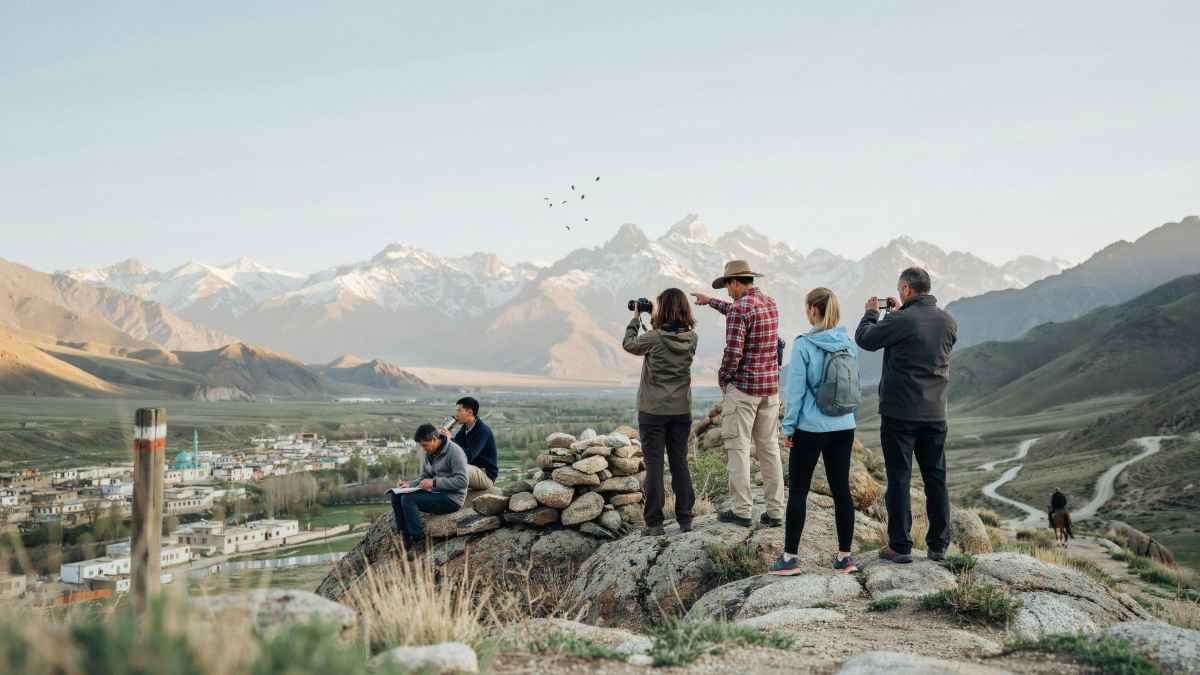
Image generated with Ai
The capital city of Uzbekistan, Tashkent, along with other cities such as Samarkand and Bukhara, and the mountainous parts of Uzbekistan are developing their tourism sector due to the development of new active and ecological tourism policies along with an increase in private hospitality investments. There have been 162 tourism destinations set up in five regions for active, ecological, and mountain tourism, and there have been 97 tourism projects developed by international hospitality companies.
Active Tourism Moves Beyond Uzbekistan’s Historic Cities
Uzbekistan’s tourism development is broadening beyond its established cultural circuit. Tashkent, Samarkand, Bukhara and Khiva remain important destinations for international visitors, but policy measures are creating new opportunities for mountain, ecological and active travel.
The designation of 162 tourism sites across five regions establishes a wider framework for developing nature-based tourism. These locations can support activities including mountain travel, hiking and other outdoor experiences, giving visitors additional reasons to explore areas beyond the country’s principal historic cities.
The framework also addresses several practical requirements for developing adventure tourism. Import duty exemptions for specialised outdoor equipment can reduce costs associated with establishing and operating tourism activities. Streamlined backcountry permitting is intended to make access to designated natural areas more efficient, while standardised mountain guide certification creates a common professional framework for guiding services.
Advertisement
Advertisement
Together, these measures connect destination development with the infrastructure and standards required for outdoor tourism.
Advertisement
Advertisement
Mountain Travel Gains a Formal Framework
The policy focus on mountain and ecological tourism creates opportunities for regions with landscapes that differ significantly from Uzbekistan’s better-known architectural and historical attractions.
For travellers, mountain destinations can provide a different type of itinerary, combining outdoor activity with rural landscapes, local communities and nature-based experiences. Ecological tourism can similarly broaden the range of activities available during a visit and encourage travel into areas that have previously attracted fewer international tourists.
The standardisation of mountain guide certification is particularly relevant to organised adventure travel. Professional guide systems can support structured excursions while helping tourism operators develop consistent services for visitors.
Advertisement
Advertisement
The combination of designated sites, permitting reforms and equipment-related measures provides a framework for tourism businesses to develop new products around Uzbekistan’s natural environments.
Investment Expands Accommodation Capacity
Alongside policy reforms, the country is experiencing a substantial increase in tourism-related investment. International hospitality groups and private developers have launched 97 large-scale tourism projects with a combined value of $200.2 million.
Advertisement
Advertisement
The projects are adding capacity to a market that is experiencing strong peak-season demand. Accommodation investment is particularly important along the Afrosiyob high-speed rail corridor, where passenger flows connect major tourism destinations.
Afrosiyob services provide high-speed links between important cities, including Tashkent, Samarkand and Bukhara. The railway allows travellers to incorporate several destinations into one itinerary without relying exclusively on road transportation.
As passenger demand increases during peak tourism periods, additional hotels and tourism facilities can help absorb visitors travelling along this corridor. New accommodation also gives travellers more choice in terms of location, property type and length of stay.
Rail Connectivity Links the Tourism Circuit
The Afrosiyob corridor has become an important component of Uzbekistan’s tourism infrastructure because it connects several of the country’s principal visitor destinations.
A traveller can use Tashkent as an arrival point before continuing by high-speed rail to Samarkand and Bukhara. These cities offer different historical and cultural experiences, allowing visitors to create multi-destination itineraries within a single trip.
Advertisement
Advertisement
The expansion of hospitality projects along the corridor complements this transport network. Hotels, restaurants and other visitor services can benefit from passenger flows generated by high-speed rail, while travellers gain greater accommodation availability during periods of elevated demand.
The relationship between transport and hospitality investment is also relevant to the development of regional tourism. Better connectivity can make it easier for visitors to include emerging destinations alongside established stops.
Diversification Creates Longer Travel Options
Uzbekistan’s active tourism framework is adding another dimension to the established cultural tourism circuit. Visitors can increasingly combine historical sightseeing in Samarkand, Bukhara and Tashkent with mountain and ecological experiences elsewhere in the country.
This diversification can support longer itineraries because travellers have more tourism products to include within the same journey. Adventure activities, nature-based excursions and cultural visits can be combined rather than treated as separate tourism markets.
For international visitors, the development of certified guiding, easier permitting and improved access to specialised equipment can also make planning outdoor experiences more straightforward.
Advertisement
Advertisement
At the same time, new hospitality investment is providing additional accommodation capacity to support these broader travel patterns.
Uzbekistan Builds a Wider Tourism Network
The interaction between active tourism policy and private sector investment is contributing to a transformation of Uzbekistan’s tourism geography. The identification of 162 sites within five regions serves as a basis for creating a platform for mountain and ecological tourism, and exceptions made for specialised equipment and facilitation of permits deal with practical issues of organising outdoor tourism. In addition, the implementation of 97 large projects with investments totalling $200.2 million is enhancing infrastructure of accommodation and tourist services, especially in the vicinity of the Afrosiyob fast train route. For tourists, this means more varied options in their choice of places in Uzbekistan to visit. Cities of history are still central in an itinerary of international visitors; however, mountainous destinations, ecotourism locations and active tourism may now become a part of the same trip. Fast rail transport and expanded capacity of hotels and other tourist facilities help link these options together, and the introduction of new standards in tourism contributes to organised outdoor activities.
Advertisement
