
Spain Entry Rules Update Is Now a Must See for Better Travel as New EES Checks Arrive and ETIAS Comes Next

Published
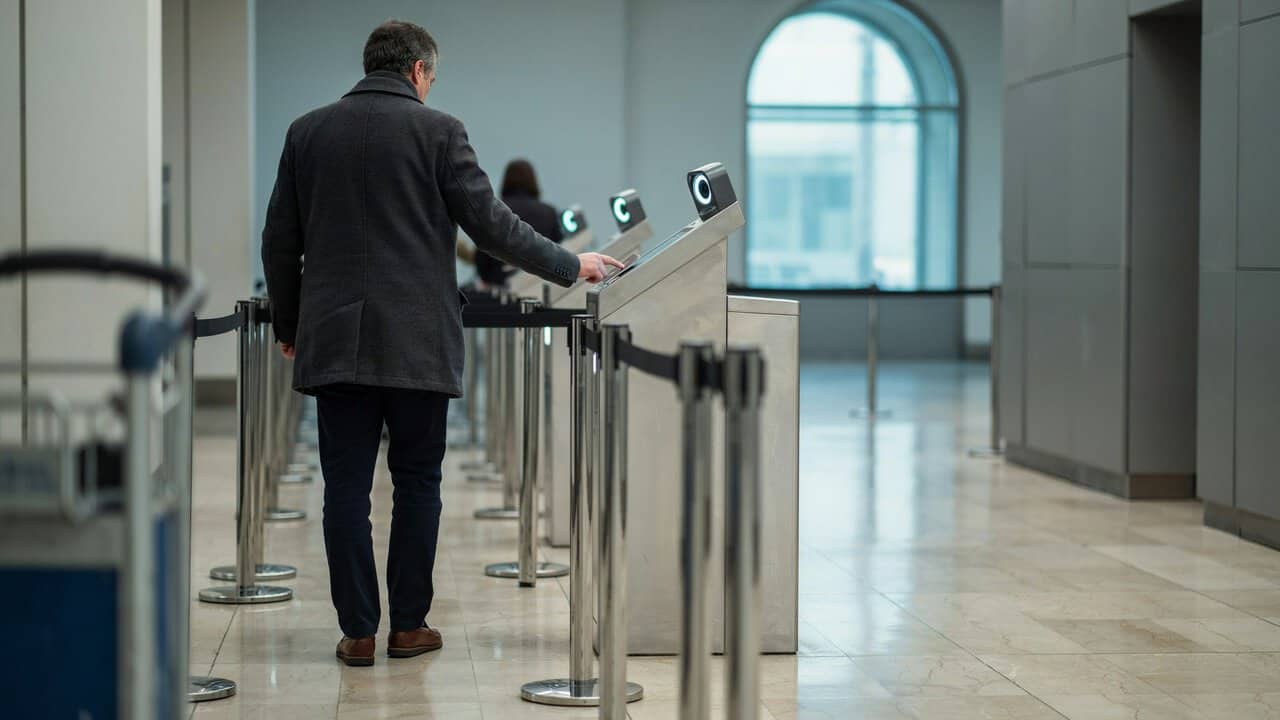
Image generated with Ai
Spain’s Entry Rules have entered a new digital phase after the European Union made the Entry/Exit System fully operational on 10 April 2026. The system affects covered non-EU visitors crossing Spain’s external Schengen borders through airports, seaports and land checkpoints. It records passport information, facial images, fingerprints and border movements electronically. However, ETIAS remains inactive, and no applications are being accepted. Travellers must still meet nationality-based visa rules, passport standards, financial conditions and the Schengen short-stay limit. The changes matter because Spain continues to receive record numbers of international visitors.
Official Evidence Shows Border Processing Is the Main News Focus
The verified story concerns digital border processing and existing admission conditions. It does not involve a newly announced Spanish visa ban or a universal visa exemption. The percentages below represent an editorial assessment of the story’s verified components. They are not government statistics.
| News Component | Share of Story | Officially Verified Finding | Relevance to Travellers | Official Source |
|---|---|---|---|---|
| EES border processing | 35% | EES became fully operational on 10 April 2026 | Covered visitors now undergo electronic border registration | European Commission |
| ETIAS preparations | 25% | ETIAS is inactive and applications remain closed | Travellers should not apply or pay for authorisation yet | European Commission |
| Visa and passport conditions | 20% | Visa need depends on nationality, while passport age and validity rules apply | Incorrect documents can result in denied boarding or entry | European Union and Spanish authorities |
| Financial and supporting evidence | 10% | Visitors may need €121.10 daily, subject to a €1,098.90 minimum | Funds, accommodation and onward travel may be checked | Spanish Interior Ministry |
| Tourism and industry impact | 10% | Spain received more than 58.1 million tourists in January–July 2026 | High passenger volumes increase the importance of efficient processing | Spanish National Statistics Office |
| Total | 100% | Editorial assessment based on verified evidence | The main effect concerns border preparation | Official sources only |
The evidence establishes that EES has changed the way covered visitors cross external borders. It also confirms that existing passport, visa and financial requirements remain enforceable. It does not support claims that Spain has introduced a completely new entry policy. It also does not establish that ETIAS applications have opened. Travellers should treat hotel rankings, destination scores, prices and enforcement claims on commercial websites as editorial material, not official policy.
Current Spain Entry Rules Update Confirms EES Is Active but ETIAS Is Not
EES registers non-EU nationals travelling for short stays whenever they cross a participating external border. The digital record includes their name, travel-document details, facial image, fingerprints where required, and the date and location of entry or departure. It also records refusals. The system has replaced routine passport stamping for people within its scope. Border authorities can use the information to calculate authorised stays, identify overstayers and detect some forms of identity or document fraud.
Advertisement
Advertisement
ETIAS is a separate pre-travel authorisation for eligible visa-exempt visitors. It has not started as of 15 September 2026. The European Union is not accepting applications and has promised to announce the launch date in advance. When operational, ETIAS will apply to qualifying visitors from visa-exempt countries, including the United Kingdom, United States, Canada and Australia. The official fee will be €20, not the earlier proposed €7 amount. Any website claiming to provide a valid authorisation now should not be treated as an official application channel.
Why the Spain Entry Rules Update Matters for Travellers and Tourism
The changes affect travellers because digital registration does not remove the need for correct documents. A visa-exempt passport only removes the requirement to obtain a short-stay visa. It does not provide an automatic right to enter Spain. Border officers can still examine the purpose of a visit, accommodation arrangements, available money and return plans. Travellers must also remain within the 90-day allowance across the entire Schengen Area during any rolling 180-day period.
Advertisement
Advertisement
Accurate Entry Rules also matter to airlines, ferry operators, airports, hotels, travel agencies and tour organisers. A traveller who arrives without the correct documents can face refused boarding or admission. Transport operators may then become responsible for carrying a refused passenger away from Spain. Accommodation businesses can support guests by issuing clear booking confirmations. Travel sellers should check official information before advising customers. They must avoid presenting future ETIAS requirements as active rules or quoting outdated fees.
Chronology of the Spain Entry Rules Update and Digital Border Shift
The European Union adopted the legal framework for EES in 2017 as part of a wider programme to modernise external border management. The system was designed to replace manual passport stamps with electronic records. A progressive rollout began on 12 October 2025, allowing participating countries to introduce registration gradually. The six-month implementation period ended on 10 April 2026, when EES became fully operational across participating external borders.
ETIAS followed a separate legal and technical process. Its framework was adopted in 2018, but the service has not opened to travellers. The planned application charge was later changed from €7 to €20 to reflect inflation, operating costs and additional technical features. No final public launch date had been confirmed by 15 September 2026. Travellers should therefore follow the active EES process while waiting for an official ETIAS announcement. Existing visa, passport and financial conditions continue independently of both digital systems.
How the Spain Entry Rules Update Came Together
The immediate trigger was the completion of the EU-wide EES rollout. This was an operational technology change rather than a new Spanish visa decision. Spain applies it because the country participates in the Schengen border system. EES provides a shared electronic record for covered travellers crossing external borders. It helps authorities calculate stays without relying on physical passport stamps and supports the use of automated border-control equipment.
Existing Schengen Conditions Remain in Force
Third-country travellers generally need a passport issued within the previous 10 years. It must normally remain valid for at least three months after the planned departure from Schengen. Visa requirements depend on nationality. Eligible visa-exempt visitors can usually stay for up to 90 days in any 180-day period. That allowance covers the whole Schengen Area rather than Spain alone. Days spent in France, Germany, Italy or another participating country contribute to the same total.
Spain can also require covered visitors to demonstrate sufficient financial resources. From 1 January 2026, the official amount is €121.10 per person per day, with a minimum requirement of €1,098.90 per person. Border officials may request proof of accommodation and a confirmed return or onward ticket. An official invitation letter may demonstrate that accommodation exists, but it does not replace the other conditions. Insufficient evidence can lead to a shortened authorised stay or refused admission.
Advertisement
Advertisement
Record Visitor Demand Raises the Operational Importance
Spain received nearly 96.8 million international tourists in 2025, setting a new record and representing growth of 3.2%. Arrivals continued rising during 2026. More than 58.1 million tourists visited between January and July, an increase of 4.6% from the same period of 2025. July brought 11.54 million visitors. The United Kingdom remained the largest source market that month, followed by France and Germany.
International tourist spending reached €18.22 billion in July 2026, rising 10.9% year on year. Average expenditure reached €1,579 per tourist, while average daily spending increased to €218. Cumulative spending during January–July reached €82.05 billion, up 7.8%. These figures do not prove that border technology caused tourism growth. They show the scale of travel activity moving through Spain’s airports, ports and other entry points.
What Travellers Should Do Next
Travellers should take several practical steps before departure:
- Check whether their nationality requires a Schengen visa.
- Calculate all days spent within Schengen during the previous 180 days.
- Confirm that the passport was issued within the past 10 years.
- Ensure it remains valid for three months after the planned departure.
- Carry confirmed accommodation information.
- Keep a named return or onward ticket available.
- Prepare acceptable evidence of sufficient financial resources.
- Allow additional time for electronic registration and biometric processing.
- Do not apply for ETIAS while official applications remain closed.
- Recheck government guidance shortly before travelling.
The next confirmed development will be the official announcement of the ETIAS starting date. Eligible travellers will then receive guidance about applications, exemptions and implementation arrangements. Carriers and tourism businesses will need to update their passenger information once the timetable becomes public. Until then, EES remains the main active digital change. Spain’s Entry Rules continue to require valid documents, nationality-based visa compliance, sufficient funds and respect for the Schengen stay limit. Careful preparation can reduce border delays, prevent refused admission and help Spain manage growing international visitor volumes more efficiently.
Advertisement
