
Morocco Outpaces All Africa Tourism Giants As Visitor Numbers Hit New Highs With Easier Visas, Eco Hotels And Stronger Connectivity

Published
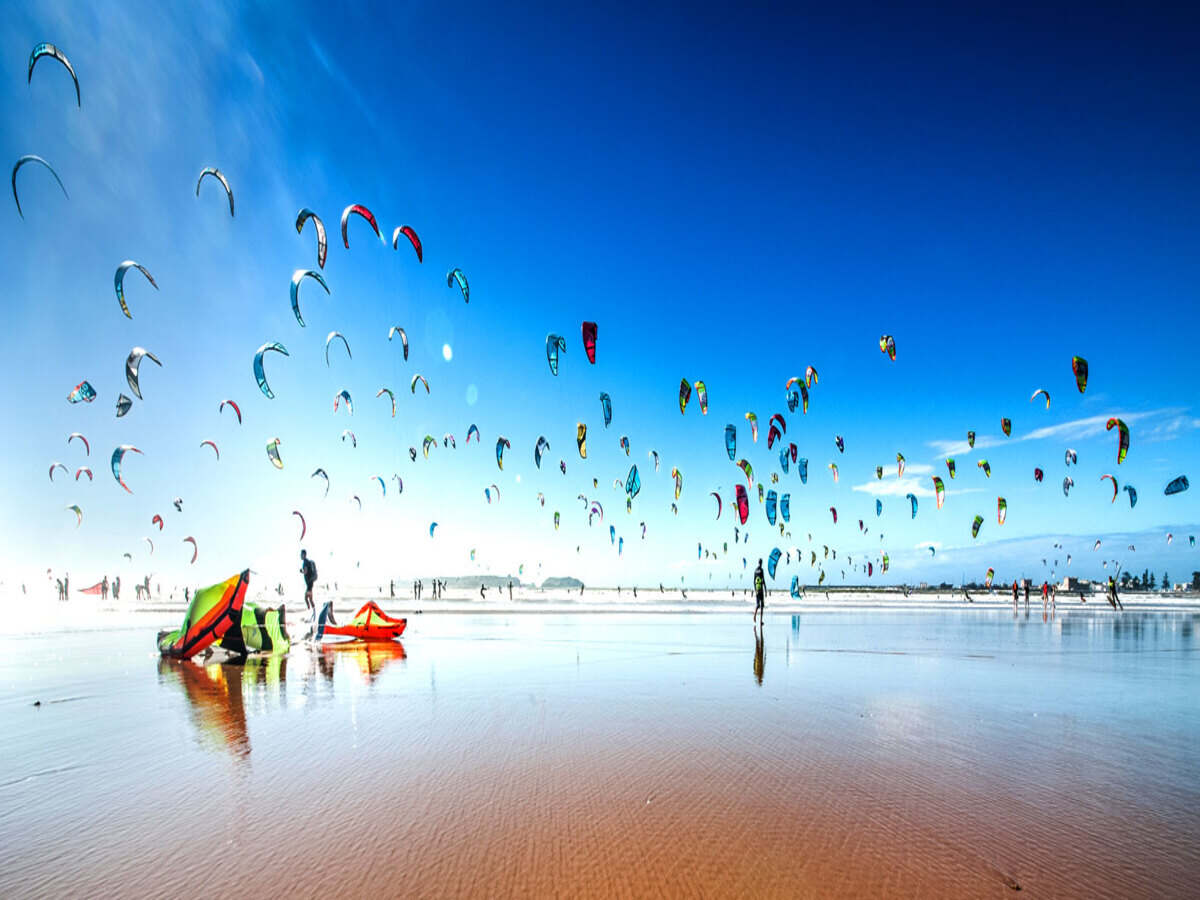
Morocco emerges as the leader of Africa’s tourism revolution with unprecedented visits, enhanced connectivity, green hotels and fresh flights. Morocco emerges as the winner in terms of Africa’s largest tourism markets in 2026 with increasing number of international visitors reaching new heights. It received around 14.1 million tourists from January to August period, making it stand above other competitors like Egypt and South Africa in terms of arrivals. Better air connectivity, better airports, better accessibility, green hotels and destination development help to solidify the leadership of Morocco. Additionally, other countries such as Egypt, South Africa, Kenya, Uganda, Mauritius, Rwanda and Tanzania have helped boost their tourism industry through new connectivity, hotel infrastructure and visas policies.
Morocco Moves To The Front Of Africa’s Tourism Race
Morocco has become the clearest tourism leader in Africa in 2026. Its approximately 14.1 million visitors during the first eight months put it ahead of Egypt, which received around 12.7 million tourists during the same period, and South Africa, which welcomed about 7.58 million international visitors.
Advertisement
Advertisement
Morocco’s growth is not based on one city or attraction. Marrakech, Casablanca and Agadir remain important, but stronger connections are opening Fez, Essaouira, Tetouan, Ouarzazate, Dakhla and Nador to more visitors. This wider tourism map gives travellers more reasons to return while helping spread visitor spending across different regions.
Easier Access Strengthens Morocco’s Tourism Appeal
Accessibility is one of Morocco’s strongest advantages. International visitors increasingly judge destinations by flight availability, journey time, entry requirements and onward transport. Morocco benefits from its location close to Europe, but it has also strengthened that advantage through wider aviation links.
Advertisement
Advertisement
Travellers from France, Spain, the United Kingdom, Germany, Italy, Belgium and the Netherlands can reach Morocco through a dense network of short-haul flights. That makes the country attractive for weekend breaks, longer holidays and repeat travel.
For many Europeans, Morocco can be easier to reach than African destinations requiring several connections. That convenience helps turn travel interest into bookings and gives Morocco a valuable advantage in a highly competitive tourism market.
Advertisement
Advertisement
Aviation Expansion Drives Morocco’s Record Growth
Air connectivity has become one of Morocco’s strongest tourism engines. For the 2026 winter season, Ryanair is expected to operate 156 routes serving Morocco, including 17 new connections. The network links the country with 14 European nations and represents roughly 5.3 million airline seats.
More capacity means more tourists can reach Morocco. Greater airline competition also gives travellers more choices and can support competitive fares. Importantly, stronger aviation is spreading tourism beyond traditional gateways.
Marrakech, Rabat and Agadir remain major centres, while Fez, Essaouira, Tetouan, Ouarzazate, Dakhla and Nador are gaining better access. This wider network is helping Morocco develop a more balanced tourism economy and reduce overdependence on a handful of famous destinations.
Airport Expansion Supports Rising Tourist Numbers
Growing visitor numbers require airports capable of handling heavier traffic. Morocco is responding through airport modernisation, additional passenger capacity and improved digital services.
Moroccan airports handled approximately 22.28 million passengers between January and July 2026, representing annual growth of around 8.77%. International traffic also increased. Europe remains the country’s largest aviation market, but stronger traffic linked with North America, Africa and South America shows that Morocco is broadening its tourism base.
This diversification matters. Tourism markets dependent on one region can become vulnerable when economic conditions change. Morocco’s expanding connections reduce that risk and create new opportunities for long-haul travel.
Advertisement
Advertisement
Improved terminals and passenger processing also strengthen the visitor experience from arrival to departure.
Eco Hotels Give Morocco A Greener Tourism Edge
Sustainability is becoming increasingly important in Morocco’s tourism strategy. Travellers are paying more attention to energy use, water consumption, local sourcing and environmental impact when selecting accommodation.
Eco hotels, sustainable resorts and community-based stays can help Morocco attract visitors seeking responsible travel. Such properties can use energy-saving systems, better water management, local materials and locally sourced food while supporting surrounding communities.
This is especially important in mountain, desert and rural areas where tourism depends heavily on natural landscapes. Protecting those environments while developing accommodation helps preserve the attractions that bring visitors.
Green hospitality also supports Morocco’s effort to increase tourism quality, rather than concentrating only on volume. Higher-value travellers can generate stronger local spending and help spread tourism benefits more widely.
Morocco’s Tourism Roadmap Creates A Coordinated Growth Model
Morocco’s tourism performance is supported by a broader national strategy. Its 2023–2026 roadmap links connectivity, accommodation, destination development, international marketing and employment.
Advertisement
Advertisement
The strength of this model is coordination. New hotels cannot deliver sustainable growth without flights. More flights cannot maximise their value without rooms, transport and attractions. Marketing can create demand, but weak infrastructure can damage the visitor experience.
Morocco is developing these elements together. Airlines bring travellers into the country. Airports handle growing passenger numbers. Hotels provide accommodation. Regional destinations create new experiences. Marketing then converts those assets into international demand.
This integrated structure is one of the strongest reasons Morocco is outperforming competing African destinations.
Egypt Remains Morocco’s Closest Tourism Challenger
Egypt is Morocco’s strongest rival by overall visitor volume. Around 12.7 million tourists visited Egypt between January and August 2026.
The country is increasing arrivals through easier entry, hotel development and wider tourism promotion. A digital visa-on-arrival system introduced at Cairo International Airport is intended to simplify entry for eligible travellers and reduce administrative friction.
Egypt is also expanding accommodation capacity. Thousands of new rooms have entered the market, while many more remain under development across Cairo, the Red Sea and other tourism centres.
Advertisement
Advertisement
The country is widening its tourism identity beyond ancient monuments. Beach holidays, luxury resorts, desert adventures, cultural trips and multi-destination itineraries are becoming more prominent. This diversification can increase visitor spending and encourage longer stays.
Even so, Morocco continues to hold the advantage in comparable 2026 arrival numbers.
South Africa Uses Easier Entry And New Routes
South Africa welcomed approximately 7.58 million international visitors between January and August 2026. Its strategy combines easier entry, stronger aviation, destination marketing and broader tourism products.
Digital travel authorisation is designed to simplify entry for eligible visitors. Easier immigration procedures can reduce one of the major barriers influencing destination choice.
South Africa is also strengthening long-haul connectivity. New links between Madrid and Johannesburg and between São Paulo and Cape Town improve access from Europe and South America.
The country is also trying to spread tourism beyond Cape Town, Johannesburg and Kruger National Park. Rural tourism, gastronomy, cultural experiences, nature travel and meetings tourism are gaining importance.
Advertisement
Advertisement
South Africa’s growth is impressive, but its total visitor numbers remain substantially below Morocco’s.
Kenya Strengthens Safari And Coastal Tourism
Kenya remains one of Africa’s most recognisable tourism brands. Around 1.21 million international tourists arrived during the first half of 2026.
Safari tourism remains the centre of Kenya’s international appeal, particularly around the Maasai Mara and other wildlife destinations. The country is also promoting Indian Ocean beaches, cultural tourism and business travel.
Improved aviation connectivity helps visitors combine safari experiences with coastal holidays and regional itineraries. Better air access also supports higher visitor flows from international markets.
Kenya’s tourist numbers remain below those of Morocco, Egypt and South Africa, but its globally recognised wildlife product gives it enduring strength. Continued investment in aviation, marketing and coastal tourism can support further growth.
Uganda Turns Wildlife Into Greater Visitor Value
Uganda welcomed around 739,815 international visitors during the first half of 2026. Its overall visitor volume remains smaller, but tourism receipts and average stays have strengthened.
Advertisement
Advertisement
Gorilla trekking remains Uganda’s flagship international tourism experience. Wildlife safaris, adventure travel and cultural tourism provide additional reasons to visit.
Longer stays are particularly valuable because every additional night generates spending on accommodation, food, guides, transport and attractions. Uganda is also using tourism trade events to connect domestic operators with overseas buyers and tour companies.
Its strategy shows that tourism success cannot be measured only through arrival numbers. Increasing spending per traveller can create substantial economic benefits even when overall volumes remain lower.
Mauritius Protects Its Premium Island Position
Mauritius recorded around 668,471 tourist arrivals during the first half of 2026. Beaches, premium resorts and luxury hospitality continue to shape the island’s appeal.
Germany, India and South Africa remain important source markets, while stronger sea arrivals provide an additional tourism channel beyond aviation.
Mauritius cannot match Morocco’s scale because of its smaller geography and accommodation capacity. However, it remains one of Africa’s strongest tourism economies relative to its size.
Advertisement
Advertisement
Its focus on premium resort tourism allows Mauritius to generate substantial spending from fewer visitors. This demonstrates how tourism quality and visitor expenditure can be as important as raw arrival numbers.
Rwanda Focuses On High-Value Conservation Tourism
Rwanda entered 2026 after receiving around 1.49 million visitors in 2025. Its tourism strategy differs from Morocco’s higher-volume model.
The country focuses on premium tourism, particularly gorilla trekking, conservation, national parks and international meetings. These experiences attract visitors willing to spend more for distinctive journeys.
Tourism revenue also supports communities around protected areas, linking visitor spending with conservation and local development.
Rwanda therefore does not compete directly for Africa’s largest arrival totals. Its strength comes from exclusivity, conservation and higher visitor value.
Tanzania Combines Safari Power With Zanzibar
Tanzania entered 2026 after welcoming around 2.29 million international visitors in 2025. Its strongest advantage is the combination of famous wildlife destinations and beach tourism.
Advertisement
Advertisement
The Serengeti, Ngorongoro Conservation Area and Mount Kilimanjaro provide globally recognised safari and adventure experiences. Zanzibar adds beaches, resorts and cultural attractions.
This combination allows travellers to build longer itineraries mixing wildlife and coastal relaxation.
Tanzania is also strengthening destination promotion and international connectivity. However, Morocco currently benefits from a denser European aviation network and a much larger short-haul visitor base.
Why Morocco Is Outpacing Africa’s Tourism Giants
Morocco’s tourism lead comes from several growth engines working together. The country is adding airline seats while modernising airports. It is expanding accommodation while supporting greener hospitality. It is improving famous destinations while opening lesser-known regions. It is protecting established European demand while reaching new international markets.
Its strongest advantages include:
- Dense international air connectivity that keeps Morocco easy to reach.
- Expanding airport capacity that supports growing passenger volumes.
- Eco hotels and sustainable stays responding to changing traveller preferences.
- Regional tourism development spreading visitors beyond famous cities.
- Coordinated destination marketing supporting demand across multiple markets.
Egypt remains a formidable rival. South Africa is growing rapidly. Kenya, Uganda, Mauritius, Rwanda and Tanzania all possess distinctive strengths. Yet Morocco currently combines accessibility, scale, infrastructure and tourism diversity more effectively.
Advertisement
Advertisement
Morocco Sets The Pace For Africa’s Tourism Future
Africa’s tourism competition is intensifying in 2026. Egypt is simplifying entry and expanding hotels. South Africa is strengthening digital access and long-haul aviation. Kenya is building on safari and coastal tourism. Uganda is generating greater value from wildlife travel. Mauritius remains a premium island destination. Rwanda is strengthening conservation-led tourism, while Tanzania continues combining world-famous safaris with Zanzibar.
Morocco, however, currently stands above these tourism powers in comparable international arrival figures. Its success comes from a coordinated system in which connectivity, airports, sustainable accommodation, destination development and marketing reinforce one another.
Morocco stands out in Africa’s tourism growth trend, having achieved record number of tourists, improved accessibility, eco-friendly hotels, better airports, and increasing international flights.
This blend of factors is translating the growing interest into increased tourist numbers. Morocco is not only partaking in Africa’s tourism boom but in 2026 it is increasingly leading the continent’s next tourism wave.
Advertisement
