

Montenegro Aligns With New EU Visa Rules as November Deadline Reshapes Tourism Outlook

Published
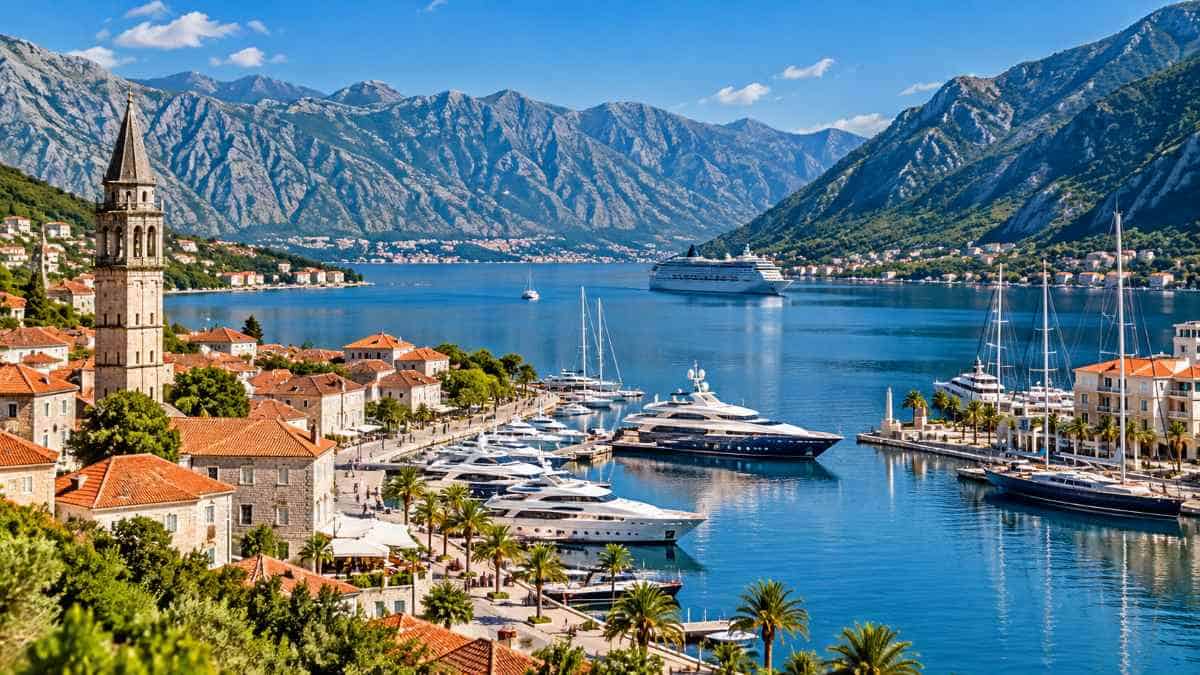
Montenegro is on the brink of implementing a major modification of its international visa policy in order to harmonize it with the European Union criteria. Starting from 1 November 2026, nationals of Russia, Belarus, Türkiye, China and Saudi Arabia will need to acquire a visa in order to visit Montenegro. The decision made by the Government in July represents a crucial step towards satisfying an obligation stipulated by the European Union accession process, especially in relation to Chapter 24 regarding justice, freedom and security. However, from the point of view of Montenegro’s tourism sector, the introduction of a new policy factor becomes a new challenge for a tourism destination used to hosting numerous international guests, especially along the coastline of the Adriatic Sea.
November 1 marks a major visa-policy transition
On 23 July 2026, Montenegro’s government adopted amendments to its visa-regime decree, establishing 1 November as the date when nationals of the five countries would become subject to visa requirements.
Advertisement
Advertisement
The change represents a substantial step towards harmonising Montenegro’s entry rules with the EU’s common visa policy. The European Commission has repeatedly identified visa-policy alignment as an important requirement in the country’s accession negotiations.
For Russian, Belarusian and Turkish travellers, the transition will affect established travel arrangements. Russian citizens, for example, can currently enter Montenegro without a visa for stays of up to 30 days until 31 October. From November, a visa will be required.
Advertisement
Advertisement
The government has also introduced measures intended to make the application process more accessible. Cooperation with VFS Global allows applications to be submitted through visa application centres in several countries, including India, Bangladesh, Türkiye, the United Arab Emirates and Russia. Additional centres are planned in other markets.
This arrangement is important for tourism businesses because the administrative accessibility of visas can influence how easily visitors organise holidays, particularly for families and travellers booking accommodation and transport well in advance.
Advertisement
Advertisement
A changing visitor-market strategy
The visa changes could encourage Montenegro’s tourism industry to strengthen its engagement with other international markets. Western Europe, North America and the Gulf Cooperation Council countries offer opportunities for premium accommodation, marina services, private travel experiences and longer leisure stays.
Tivat is particularly well positioned within this market. Its luxury marina developments, including Porto Montenegro and Portonovi in the wider Herceg Novi area, have helped establish the country as a destination for high-end nautical tourism.
These developments cater to yacht owners, international visitors and travellers seeking waterfront accommodation and premium hospitality. Their presence also supports a wider network of restaurants, charter operators, retail businesses and specialised maritime services.
However, the November visa changes do not establish an official government policy to replace Russian, Turkish or Belarusian visitors with Western European, North American and GCC travellers. Rather, they create a new operating environment in which tourism businesses may seek to diversify their international customer base while adapting to additional entry requirements.
Tivat and Kotor strengthen coastal oversight
Along the Bay of Kotor, tourism management is becoming increasingly important as cruise calls, yacht movements and day excursions place pressure on historic waterfront communities.
Kotor’s UNESCO-listed Old Town is one of Montenegro’s most recognisable attractions. Its narrow streets and historic architecture draw substantial numbers of cruise passengers, particularly during the warmer months. Tivat, meanwhile, has developed a strong position in the luxury marina and nautical tourism market.
Advertisement
Advertisement
In May 2026, Montenegro’s government identified stricter oversight of nautical tourism as a priority during inspections in Kotor and Tivat. In Tivat, the focus included greater control of anchorages and berths, prevention of illegal occupation of maritime property and improved compliance with maritime regulations.
These measures demonstrate a stronger emphasis on managing coastal activity, although they should not be confused with a confirmed new nationwide cruise-passenger quota or expanded dynamic passenger-control system.
The distinction matters because managing cruise traffic involves coordination between port authorities, municipalities, shipping companies and heritage-management bodies. Visitor distribution, arrival scheduling and the regulation of maritime activity all have a role in protecting sensitive coastal areas.
Protecting the Bay of Kotor’s tourism value
The Bay of Kotor’s appeal rests on a combination of historic settlements, mountain scenery, maritime heritage and relatively concentrated coastal infrastructure. Its UNESCO World Heritage status adds international significance to conservation efforts.
Local authorities face the challenge of balancing visitor spending with the everyday needs of residents and the preservation of historic environments. Cruise tourism brings substantial short-term economic activity, but concentrated arrivals can also increase pressure on transport, public spaces and municipal services.
Montenegro’s wider coastal oversight efforts indicate growing recognition that tourism growth requires more effective regulation. Claims of a newly expanded occupancy levy across Bay of Kotor municipalities, however, should be treated separately unless supported by specific municipal decisions.
The next chapter for Montenegro tourism
November’s visa deadline puts Montenegro at an important crossroads between its efforts at European integration and its adjustment to the tourist market. Making visa entry compatible with EU requirements helps the country stick to its commitment of membership, while new procedures are expected to make life easier for those citizens who would be affected by this change. In terms of the development of the tourism economy of the Adriatic region, the task will consist of managing this process in such a way as not to harm existing tourist markets. The tourism economy of Tivat’s marina, the historical heritage of Kotor and other segments of coastal tourism will have to adapt to new conditions of travel.
Advertisement
