
Guyana Focuses More on Eco-Travel in Georgetown and Other Hubs

Published
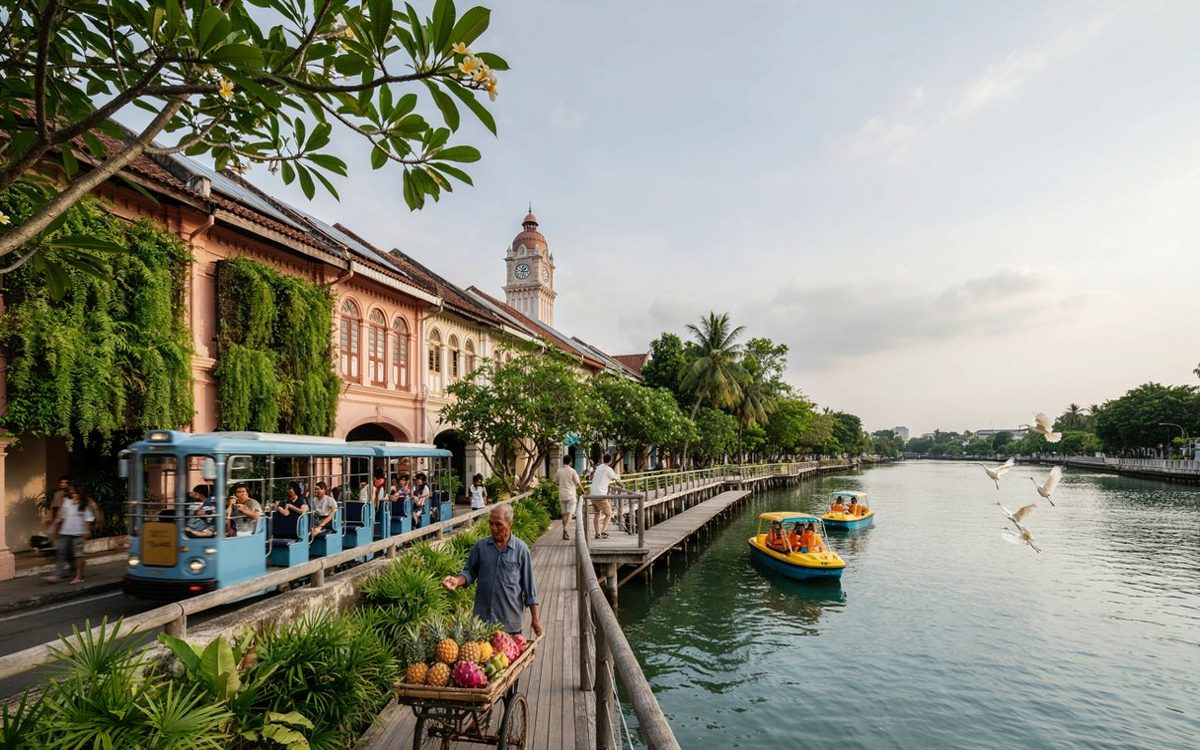
Image generated with Ai
Guyana champions sustainable tourism across key urban and regional hubs including Georgetown, Lethem & The Rupununi Savannahs, and others. The nation is continuing to surge as a premier South American destination in 2026, driven by its reputation as the world’s leading eco-tourism destination and its 60th Independence Diamond Jubilee celebrations. The country’s 2025–2030 tourism agenda heavily prioritizes community-led conservation, Indigenous traditions, and sustainable infrastructure. Urban landscapes are merging with untamed wilderness. Historic streets now meet community conservation projects. High-end travelers are rushing to South America right now. The country is completely shifting its economic focus toward low-impact exploration. Major cities are leading an eco-friendly revolution. Historic capitals are reinventing their identity through community heritage. Local populations are claiming direct ownership over their lands. Guyana is setting a bold global standard. The results are shocking standard travel operators everywhere.
Guyana’s Key Cities and Regions Are Focusing on Eco-Travel and Cultural Heritage Tourism
| City / Region | Primary Tourism Focus | Key 2026 Attractions & Initiatives |
| Georgetown (Capital) | Cultural Heritage, History & Festivals | Serving as the hub for the 2026 Diamond Jubilee celebrations and hosting the CTO State of the Tourism Industry Conference in October. Focuses on heritage walking tours featuring 19th-century colonial architecture (St. George’s Cathedral, City Hall), culinary tours, and the Mashramani Republic Day Festival. |
| Lethem & The Rupununi Savannahs | Indigenous Culture & Savannah Eco-Travel | Lethem acts as the gateway to the Rupununi. The focus here is on vast savannah treks, wildlife spotting (giant anteaters, jaguars), and authentic Indigenous-led community tourism where visitors experience traditional Amerindian life without commercialization. |
| Indigenous Eco-Villages (Surama, Rewa, Yupukari) | Grassroots Eco-Tourism & Conservation | These villages operate as community-owned eco-lodges. The focus is entirely on immersive jungle survival, river trips with trained local naturalists, and sustainable wildlife spotting. All proceeds directly fund local village conservation and education. |
| Iwokrama Rainforest Reserve | Biodiversity & Canopy Eco-Travel | Dedicated to rainforest conservation and research. Tourism focuses on canopy walkways, immersive birdwatching (Guyana boasts over 900 bird species), and tracking elusive big cats like pumas and jaguars in a million-acre protected reserve. |
| Kaieteur National Park | Active Adventure & Untamed Nature | Features Kaieteur Falls—the world’s largest single-drop waterfall by volume. The regional focus is strictly on low-impact, high-adventure travel to preserve the fragile ecosystems and habitats of “Land of the Giants” species like the giant river otter and arapaima. |
| Bartica & The Essequibo Region | River Eco-Tourism & Riverine Culture | Known as the gateway to the interior. Focuses on river excursions along the mighty Essequibo, visiting historic Dutch ruins, and integrating wellness and water-sports tourism into natural park settings. |
What Role Does Georgetown Play in Celebrating Guyana’s Heritage and Hospitality?
As the nation’s coastal capital, Georgetown serves as the primary anchor for cultural heritage, historical preservation, and international gatherings. In 2026, the city is at the center of Guyana’s 60th Independence Diamond Jubilee celebrations. The historic metropolis is hosting major regional events, including the Caribbean Tourism Organization (CTO) State of the Tourism Industry Conference (SOTIC). Urban itineraries focus on heritage walking tours highlighting iconic 19th-century timber architecture, such as St. George’s Cathedral and City Hall, alongside culinary expeditions showcasing multicultural Guyanese cuisine. The capital’s festive atmosphere reaches its peak during the annual Mashramani Republic Day celebrations, where colorful parades, music, and street performances highlight national identity and shared heritage.
How Are Lethem and the Rupununi Savannahs Pioneering Indigenous-Led Eco-Travel?
Positioned along the southwestern border, Lethem functions as the essential gateway to the vast expanse of the Rupununi Savannahs. The region’s tourism model centers on preserving expansive grasslands while promoting authentic, uncommercialized Indigenous culture. Guided multi-day treks allow travelers to spot iconic South American wildlife—including giant anteaters, jaguars, and harpy eagles—in their natural habitats. Beyond biodiversity, the Rupununi prioritizes authentic community interaction. Visitors engage directly with local Amerindian villages, learning traditional land-management practices, artisan crafts, and savannah navigation without disrupting local livelihoods or fragile ecosystems.
Why Are Indigenous Eco-Villages the Core of Grassroots Conservation Tourism?
Community-owned eco-villages such as Surama, Rewa, and Yupukari represent the primary benchmark for grassroots conservation tourism in Guyana. Operating fully managed eco-lodges, these remote settlements offer immersive rainforest experiences led by trained local naturalists. Travelers participate in guided river excursions to view rare wildlife and learn traditional jungle survival techniques passed down through generations. Crucially, the economic model ensures that revenue generated from international visitation directly funds local primary education, healthcare infrastructure, and community conservation initiatives, proving that sustainable travel can actively preserve both biodiversity and heritage.
Advertisement
Advertisement
How Does Iwokrama Rainforest Reserve Advance Biodiversity Research and Eco-Tourism?
Spanning nearly one million acres of primary tropical forest, the Iwokrama Rainforest Reserve is dedicated to scientific research, conservation, and sustainable resource management. The reserve attracts global birdwatchers and naturalists, leveraging Guyana’s population of over 900 avian species. Visitors explore canopy walkways suspended high above the forest floor or participate in night spot-lighting trips to track big cats like pumas and jaguars in protected wilderness corridors. Iwokrama serves as a functional model for how high-value, low-density eco-tourism can finance long-term forest protection while contributing critical data to global climate science.
Advertisement
Advertisement
What Makes Kaieteur National Park a Global Standard for Untamed Nature?
Kaieteur National Park is anchored by Kaieteur Falls, recognized as the world’s largest single-drop waterfall by volume. To protect this pristine environment, regulatory authorities enforce strict low-impact visitor limits, preserving the habitat of rare endemic species such as the golden frog, giant river otter, and arapaima. Adventure-focused itineraries emphasize low-footprint trekking and micro-flights, ensuring travelers experience the dramatic geography of the Potaro Plateau while maintaining absolute protection over one of South America’s most delicate ecosystems.
How Is Bartica Integration Transforming Riverine Eco-Tourism Along the Essequibo?
Situated at the confluence of major inland waterways, Bartica is widely recognized as the gateway to Guyana’s interior. The town and the surrounding Essequibo region have expanded their travel offerings by blending riverine history with outdoor recreation. Excursions along the Essequibo River take visitors to historic Dutch colonial ruins, including Fort Island and Kyk-Over-Al. Simultaneously, local operators are expanding wellness retreats, eco-friendly water sports, and nature park excursions, turning river corridors into accessible hubs for sustainable adventure travel.
Guyana rapidly expanded its industrial economy, threatening pristine wilderness areas and local indigenous communities. The country chose to pioneer a national model balancing urban development, cultural preservation, and grassroots environmental protection. Unchecked industrial expansion causes permanent environmental degradation. Meanwhile, low-impact travel preserves natural ecosystems and historical heritage. Local populations generate sustainable revenue through community-owned lodges and guided expeditions. Investing in sustainable infrastructure protects biodiversity while showcasing South America’s richest cultural traditions to the world.
Advertisement
Advertisement
Advertisement
