
Emirates And Etihad Airways Navigate A Volatile Travel Landscape As Kuwait, Bahrain And Saudi Arabia Face Massive Security Risks, Forcing Airlines Worldwide To Reroute Flights And Reshape Operations

Published
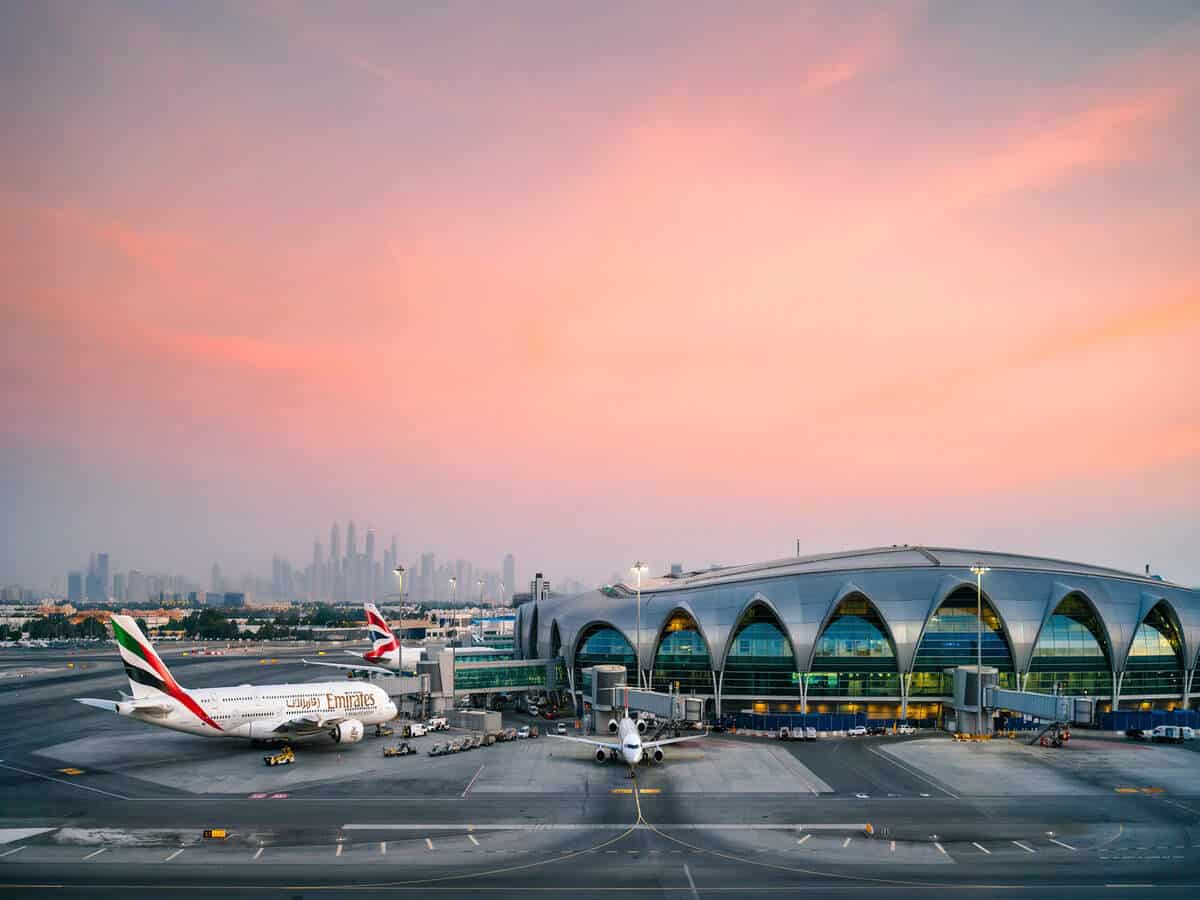
Image generated with Ai
Emirates and Etihad Airways are facing a major Gulf travel disruption as rising security risks across Kuwait, Bahrain and Saudi Arabia force airlines to cancel selected flights, delay operations and adjust regional schedules. The UAE aviation sector remains open, but growing tensions, drone security concerns and changing airspace conditions are creating uncertainty for thousands of passengers travelling through Dubai, Abu Dhabi and other Gulf hubs. As airlines continue monitoring the situation, travellers are experiencing longer journeys, suspended routes and operational changes across one of the world’s most important aviation corridors. The latest developments highlight how quickly regional security challenges can impact global connectivity, tourism movement and international flight networks.
Emirates and Etihad Airways are navigating a challenging Gulf travel environment as rising security concerns around Kuwait, Bahrain and the wider Middle East force airlines to adjust flight operations, suspend selected routes and warn passengers about possible disruptions. While UAE airports remain open and most flights continue normally, growing regional tensions have created a wave of delays, cancellations and schedule changes affecting thousands of travellers.
Advertisement
Advertisement
The latest disruption follows increased security alerts across the Gulf, including Kuwait’s announcement that its air defence systems intercepted hostile drones after what authorities described as an Iranian attack. The development has intensified concerns about regional aviation safety, prompting airlines to review routes, aircraft movements and operational plans.
For passengers travelling through major Gulf hubs such as Dubai International Airport, Abu Dhabi’s Zayed International Airport and Sharjah International Airport, the situation remains dynamic. Airlines are continuing services, but travellers are being advised to check flight updates frequently as schedules can change quickly depending on security assessments.
Advertisement
Advertisement
Emirates And Etihad Airways Face Growing Pressure As Gulf Flight Networks Adjust
The UAE remains one of the world’s most important aviation centres, connecting Europe, Asia, Africa and the Americas. However, the latest regional security situation has created operational pressure for major carriers including Emirates and Etihad Airways.
Advertisement
Advertisement
Both airlines continue to operate extensive international networks, but selected Gulf routes have been affected due to operational requirements and regional uncertainty.
Etihad Airways has extended cancellations affecting flights between Abu Dhabi and Kuwait. Flights EY653 and EY654 between Zayed International Airport and Kuwait International Airport have been cancelled until July 26 due to operational reasons.
The airline has also suspended selected services between Abu Dhabi and Bahrain from July 23 until July 25.
Etihad Airways has apologised to passengers affected by the changes and advised travellers to keep their contact details updated to receive the latest SMS and email notifications.
Etihad Airways Latest Gulf Route Adjustments
| Airline | Route | Latest Status | Reason |
|---|---|---|---|
| Etihad Airways | Abu Dhabi – Kuwait | Flights EY653/EY654 cancelled until July 26 | Operational reasons |
| Etihad Airways | Abu Dhabi – Bahrain | Selected flights cancelled July 23–25 | Operational reasons |
The cancellations highlight how Gulf airlines are balancing passenger connectivity with changing regional security requirements.
Advertisement
Advertisement
Dubai International Airport Remains Open But Experiences Selective Flight Disruptions
Dubai International Airport continues operating as one of the world’s busiest aviation hubs. However, several arrivals and departures have experienced delays, while some regional routes have been cancelled.
The airport has not faced a complete operational shutdown. Instead, airlines are making individual decisions based on destination risks, aircraft availability and airspace conditions.
Dubai International Airport Flight Updates
| Airline | Route | Status |
|---|---|---|
| Emirates | New York – Dubai | Delayed |
| Emirates | Jeddah – Dubai | Delayed |
| Emirates | London Heathrow – Dubai | Delayed |
| Emirates | Manchester – Dubai | Delayed |
| flydubai | Almaty – Dubai | Delayed |
| flydubai | Lucknow – Dubai | Delayed |
| flydubai | Dhaka – Dubai | Delayed |
| flyadeal | Riyadh – Dubai | Cancelled |
| flydubai | Dubai – Bahrain | Delayed |
| flydubai | Dubai – Damascus | Cancelled |
| flydubai | Dubai – Jeddah | Delayed |
| flydubai | Dubai – Erbil | Cancelled |
| SpiceJet | Dubai – Pune | Delayed |
| SpiceJet | Dubai – Kozhikode | Delayed |
| SpiceJet | Dubai – New Delhi | Delayed |
Despite these disruptions, Dubai International Airport remains operational and continues handling large volumes of international travellers.
Sharjah Airport Maintains Stable Operations Despite Regional Tensions
Sharjah International Airport has reported a comparatively stable operational situation. The airport continues normal activities, with only limited delays and no major cancellation wave.
The airport’s steady performance has provided an alternative travel option for some passengers as airlines continue monitoring regional developments.
Advertisement
Advertisement
However, travellers using any UAE airport are advised to confirm flight schedules before leaving for the terminal.
Kuwait Security Alert Raises Fresh Concerns For Gulf Aviation
Kuwait has become a key focus point in the latest regional security developments after the country announced that its air defence systems intercepted hostile drones.
Authorities urged residents to remain calm and follow official security guidance while investigations continued.
The announcement has increased concerns among airlines because Kuwait sits along important Gulf aviation routes connecting Europe, Asia and the Middle East.
Although Kuwait has not reported widespread airport disruption, airlines have responded cautiously by reviewing services and adjusting schedules.
Advertisement
Advertisement
The situation has also increased pressure on neighbouring aviation markets, including the UAE, Bahrain and Saudi Arabia, as airlines evaluate potential risks across the region.
Global Airlines Suspend Or Adjust Middle East Flights As Security Risks Increase
The Gulf disruption has affected several international carriers. Airlines from Europe, Asia and North America have introduced temporary suspensions, reduced schedules or delayed route resumptions.
These decisions are based on safety assessments, airspace availability and operational planning.
International Airline Middle East Flight Suspension Updates
| Airline | Affected Route/Region | Latest Update |
|---|---|---|
| Aegean Airlines | Dubai | Flights cancelled until August 31 |
| Air Astana | Almaty/Astana – Dubai | Suspended until August 31 |
| Air Canada | Toronto – Dubai | Suspended until October 24 |
| Air France | Dubai, Riyadh, Beirut | Dubai expected to resume July 27; Riyadh and Beirut affected |
| airBaltic | Riga – Dubai | Suspended |
| British Airways | Dubai, Bahrain, Amman, Tel Aviv | Suspended until October 31; other Middle East schedules reduced |
| Cathay Pacific | Dubai, Riyadh | Dubai suspended until October 24; Riyadh until October 25 |
| Finnair | Dubai | Suspended until October 24 |
| ITA Airways | Dubai | Suspended until October 24 |
| KLM | Dubai, Riyadh, Dammam | Suspended until August 23 |
| Lufthansa Group | Dubai and regional routes | Suspended/adjusted until September–October |
| Philippine Airlines | Manila–Doha | Resumed; Dubai remains suspended until October 2 |
| Scoot | Singapore–Jeddah | Suspended until August 8 |
| Singapore Airlines | Dubai, Riyadh | Dubai suspended; Riyadh launch delayed until December 1 |
| Turkish Airlines | Gulf routes | Dubai, Abu Dhabi and several routes resumed; Iran services suspended |
| Wizz Air | Dubai, Abu Dhabi, Amman | Suspended with planned September restart |
The changes demonstrate how quickly geopolitical developments can affect international aviation networks.
Emirates Continues Monitoring Operations As Global Connectivity Faces Pressure
Emirates remains one of the largest international airlines operating through the Gulf. The carrier continues flying from Dubai, but some flights have experienced delays due to wider regional operational challenges.
Advertisement
Advertisement
As a global connector airline, Emirates depends on smooth Gulf airspace access to maintain connections between continents.
Passengers travelling on Emirates flights are encouraged to monitor:
- Flight status notifications
- Airport departure boards
- Emirates mobile applications
- Official airline communication channels
The airline industry has experienced similar disruptions in previous regional crises, where longer routes and alternative air corridors increased operating complexity.
Etihad Airways Focuses On Passenger Support During Route Changes
Etihad Airways has focused on helping affected passengers manage travel changes.
Travellers impacted by cancellations have been advised to contact the airline regarding:
Advertisement
Advertisement
- Rebooking options
- Alternative routes
- Refund procedures
- Updated travel arrangements
The airline has also highlighted the importance of accurate passenger contact information so customers receive immediate updates.
Emirates And Etihad Airways Passenger Impact Overview
| Airline | Main Impact | Passenger Advice |
|---|---|---|
| Emirates | Selected delays and operational adjustments | Check flight status before travelling |
| Etihad Airways | Kuwait and Bahrain cancellations | Contact airline for rebooking options |
| Both Airlines | Possible route changes due to regional conditions | Monitor official updates |
Why Gulf Flight Routes Are Taking Longer And Facing More Cancellations
The Gulf region is a critical aviation corridor. Any security restrictions can create a chain reaction across global travel.
Airlines affected by changing conditions may experience:
Longer Flight Times
Aircraft may take alternative routes to avoid restricted airspace. These detours can add one to three hours to some journeys.
Flight Cancellations
Airlines may cancel services when operating conditions do not meet safety requirements.
Advertisement
Advertisement
Longer Connection Periods
Passengers connecting through Gulf hubs may face longer waiting times due to schedule adjustments.
Baggage Delays
Changes in aircraft routing can affect baggage transfers, especially for passengers travelling across multiple destinations.
US Issues Worldwide Travel Caution Over Middle East Security Situation
The US State Department has issued a worldwide caution advising travellers that the Middle East security environment can change without warning.
The advisory highlighted possible risks including:
- Flight cancellations
- Airspace closures
- Travel delays
- Sudden route changes
Passengers travelling through Gulf airports have been advised to check directly with airlines before departure.
Advertisement
Advertisement
What Travellers Should Do Before Flying From The UAE
Travellers departing from UAE airports should take several precautions during this period of uncertainty.
Passengers should:
- Check flight status before travelling to the airport.
- Monitor airline websites and mobile applications.
- Review airport departure information.
- Keep contact details updated with airlines.
- Contact carriers directly for cancellations, refunds or alternative travel options.
The UAE aviation sector remains operational, but the continuing security situation across the Gulf means passengers should expect possible changes until regional conditions stabilise.
Emirates and Etihad Airways are facing major Gulf travel disruptions as rising security risks in Kuwait, Bahrain and Saudi Arabia force flight cancellations, delays and operational changes across the region. The escalating situation is creating uncertainty for passengers as airlines adjust routes, monitor airspace conditions and protect global aviation connectivity.
For Emirates, Etihad Airways and thousands of international travellers, the priority remains maintaining safe connectivity while navigating one of the most challenging periods for Gulf aviation in recent years.
Advertisement
