
United Airlines Leads US Aviation Revolution with Fuel Innovation, Open Skies and Regional Connectivity

Published
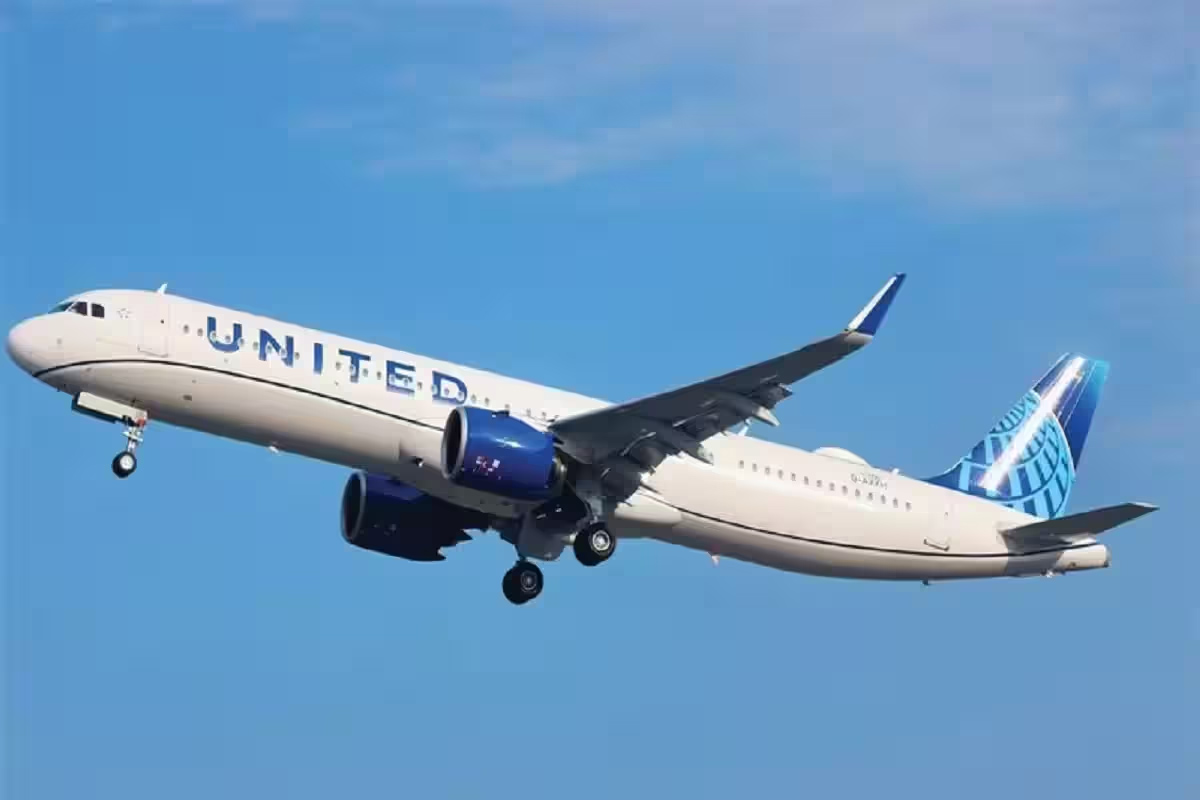
The United Airlines US Aviation Revolution is reshaping global air travel through groundbreaking decarbonisation, aggressive international expansion, and robust regional connectivity. As the commercial aviation sector faces unprecedented environmental and operational demands, United Airlines has positioned itself at the forefront of policy implementation and technological innovation. Supported by federal initiatives, including the Federal Aviation Administration’s FAST grant scheme and Open Skies framework agreements, the carrier is bridging localised regional economies with major international hubs. Understanding this multi-pronged transformation is critical for industry leaders, passengers, and policymakers navigating the evolving economic landscape of sustainable global mobility and vital commercial infrastructure.
Main Article
Background: The Structural Transformation of American Civil Aviation
The commercial aviation landscape in the United States is undergoing its most profound structural realignment since the Airline Deregulation Act of 1978. Driven by federal climate mandates, shifting international trade corridors, and volatile global fuel markets, major network carriers are forced to re-evaluate core operational models. At the epicentre of this sector-wide transition is United Airlines, whose long-term strategic agenda reflects a broader national movement toward sustainable fuel integration, expanded bilateral market access, and modernized regional air feeder networks.
                     +-------------------------------------------------------+
                     |        UNITED AIRLINES US AVIATION REVOLUTION         |
                     +---------------------------+---------------------------+
                                                 |
         +---------------------------------------+---------------------------------------+
         |                                       |                                       |
         v                                       v                                       v
+-----------------+                     +-----------------+                     +-----------------+
|   FUEL & SAF    |                     |   OPEN SKIES    |                     |    REGIONAL     |
|   INNOVATION    |                     |   EXPANSION     |                     | CONNECTIVITY    |
+--------+--------+                     +--------+--------+                     +--------+--------+
         |                                       |                                       |
         |---> 27.7M Gal SAF (2025)             |---> Transatlantic & Transpacific      |---> United Express Networks
         |---> UAV Sustainable Flight Fund       |---> Star Alliance Synergies           |---> Essential Air Service (EAS)
         |---> FAA FAST Grant Allocations        |---> Bilateral Air Treaties            |---> ATC & Infrastructure Growth
Historical Trajectory and the Shift Toward Decarbonised Air Transport
For decades, civil aviation growth was evaluated primarily through enplanement volumes, available seat miles (ASMs), and revenue passenger miles (RPMs). However, public policy frameworks established by the US Department of Transportation (DOT), the Federal Aviation Administration (FAA), and the US Department of Energy (DOE) have added decarbonisation metrics to primary industry evaluation standards. The imperative to achieve net-zero greenhouse gas emissions by 2050—a goal formalised across international bodies including the International Civil Aviation Organization (ICAO) and the International Air Transport Association (IATA)—has transformed environmental compliance from a secondary corporate responsibility into an indispensable operational imperative.
Commercial carriers historically relied on incremental fleet fuel efficiency improvements, which averaged roughly 1.5% annually through traditional turbofan engine refinements. Realising that aerodynamic modifications and light-weight composite materials alone cannot satisfy statutory emissions targets, United Airlines initiated a multi-billion-dollar fleet and fuel restructuring programme. This approach addresses the root cause of aviation emissions: dependence on unrefined, fossil-derived conventional Jet A fuel.
Advertisement
Advertisement
Regulatory Frameworks: FAA Reauthorization Act of 2024 and Federal Directives
The statutory foundation supporting this sectoral pivot rests upon federal legislation passed by the US Congress. The Federal Aviation Administration (FAA) Reauthorization Act of 2024 allocated over $105 billion in multi-year funding to modernise national airspace infrastructure, expand controller workforce pipelines, and institutionalise research into alternative jet fuels. Coupled with tax provisions under the Inflation Reduction Act—specifically Section 40B and Section 45Z credit mechanisms—federal policy has established direct financial incentives for domestic Sustainable Aviation Fuel (SAF) production.
+-----------------------------------------------------------------------------------+
|                        KEY LEGISLATIVE AND REGULATORY DRIVERS                     |
+------------------------------------+----------------------------------------------+
| Policy / Statute                   | Primary Operational Impact                   |
+------------------------------------+----------------------------------------------+
| FAA Reauthorization Act of 2024    | $105B+ total funding; ATC modernisation,    |
|                                    | controller training, and regional safety     |
+------------------------------------+----------------------------------------------+
| Inflation Reduction Act (40B/45Z)  | Blended tax credits for domestic SAF;        |
|                                    | targets 50%+ lifecycle GHG reductions        |
+------------------------------------+----------------------------------------------+
| FAA FAST Grant Programme           | Direct federal awards supporting SAF        |
|                                    | infrastructure and supply chain buildout     |
+------------------------------------+----------------------------------------------+
| US DOT Open Skies Treaties         | Bilateral deregulation enabling direct route |
|                                    | rights and expanded global alliance hubs     |
+------------------------------------+----------------------------------------------+
These legislative instruments have altered airline capital expenditure strategies. Federal directives now explicitly require airport sponsors and major network airlines to coordinate infrastructure development with clean energy supply chains. As a result, carriers operating out of primary US hub airports—such as Chicago O’Hare (ORD), Newark Liberty (EWR), Houston George Bush Intercontinental (IAH), and Washington Dulles (IAD)—are upgrading fuel hydrant systems to accept certified drop-in bio-jet blends without compromising operational safety.
Advertisement
Advertisement
Macroeconomic Drivers Shaping Hub Dynamics and Fleet Modernisation
Macroeconomic pressures have further accelerated this transition. Volatile Brent crude oil pricing, fluctuating refining margins, and rising regional air traffic congestion have altered carrier cost structures. To maintain operating margins, United Airlines embarked on its “United Next” plan, ordering hundreds of narrowbody and widebody aircraft, including Boeing 737 MAX, Boeing 787 Dreamliner, and Airbus A321neo aircraft equipped with modern engine architecture.
However, fleet renewal represents only one pillar of modern airline resilience. The integration of high-density hub scheduling, expanded long-haul international corridors, and vital regional feeder connections forms the operational foundation of the carrier’s network strategy. By aligning widebody international routing with regional feeds, the airline ensures high passenger load factors across both primary transcontinental routes and underserved secondary municipal airports.
Sustainable Aviation Fuel (SAF) Innovation and Clean Energy Leadership
The cornerstone of the United Airlines US Aviation Revolution is its comprehensive, multi-tiered approach to Sustainable Aviation Fuel procurement. While pure electric and hydrogen-propulsion systems remain decades away from powering long-haul transoceanic widebody flights, drop-in SAF offers an immediate, operationally proven alternative compatible with existing turbofan engine architectures and airport fuel distribution networks.
+-----------------------------------------------------------------------------------+
|               UNITED AIRLINES ANNUAL SAF PROCUREMENT TRAJECTORY (GALLONS)          |
+-----------------------------------------------------------------------------------+
| Year | SAF Volume Purchased | Key Operational Milestone                           |
+------+----------------------+-----------------------------------------------------+
| 2019 | 1,153,652 gal        | Early operational testing & commercial trials       |
| 2021 |   600,625 gal        | Launch of United Airlines Ventures & Eco-Skies      |
| 2022 | 2,869,636 gal        | International hub expansion (Amsterdam Schiphol)    |
| 2023 | 7,274,180 gal        | Launch of UAV Sustainable Flight Fund               |
| 2024 | 13,615,089 gal       | SAF integration at Chicago O'Hare (ORD) hub         |
| 2025 | 27,740,939 gal       | Deployment across 6 of 7 domestic hub airports      |
+-----------------------------------------------------------------------------------+
Scaling SAF Procurement: From Pilot Programmes to Multi-Hub Integration
According to official corporate impact reports, United Airlines has scaled its operational SAF consumption at a rate unmatched across the domestic aviation market. In 2019, the carrier utilised approximately 1.15 million gallons of SAF. By 2023, that figure rose to 7.27 million gallons, reaching 13.61 million gallons in 2024. Official data confirms that in 2025, United doubled its SAF usage year-over-year, procuring 27,740,939 gallons of certified sustainable fuel.
This escalation marked a transition from isolated, single-airport demonstration projects to systematic, multi-hub supply chain integration. SAF blends are now routinely delivered into fueling infrastructure across six of United’s seven primary domestic hubs, including:
- Chicago O’Hare International Airport (ORD)
- Newark Liberty International Airport (EWR)
- Washington Dulles International Airport (IAD)
- Houston George Bush Intercontinental Airport (IAH)
- San Francisco International Airport (SFO)
- Los Angeles International Airport (LAX)
By introducing SAF directly into shared airport fuel hydrants, United avoids the logistical inefficiencies of dedicated trucking, demonstrating that drop-in renewables can seamlessly integrate into high-volume airport distribution systems.
Advertisement
Advertisement
The UAV Sustainable Flight Fund and Venture Capital Mobilisation
Recognising that global SAF supply remains severely constrained—representing less than 1% of total global jet fuel consumption—the airline created a corporate venture capital vehicle: the United Airlines Ventures Sustainable Flight Fund. Designed to leverage private investment alongside corporate partners across the travel and financial sectors, the fund has amassed over $200 million in capital commitments to support early-stage clean technology startups.
The investment strategy of the fund targets key technological pathways:
- First-Generation Feedstocks (HEFA): Hydroprocessed Esters and Fatty Acids derived from waste cooking oils, animal fats, and grease. While HEFA SAF provides immediate lifecycle reductions of up to 80%, global feedstock availability is naturally capped.
- Second-Generation Feedstocks (Alcohol-to-Jet & Biomass): Processes converting agricultural residues, forestry waste, and industrial bio-ethanol into drop-in synthetic kerosene.
- Third-Generation Feedstocks (Power-to-Liquid / e-Fuels): Synthetic fuels derived from direct air capture (DAC) of carbon dioxide combined with green hydrogen produced via renewable electrolysis.
Through these equity investments, United seeks to de-risk capital-intensive commercialisation phases for fuel technology developers, ensuring long-term off-take agreements that secure future fuel supplies at predictable costs.
Federal Policy Alignment: SAF Grand Challenge and FAST Grant Allocations
The rapid scaling of United’s bio-fuel strategy aligns with the federal Sustainable Aviation Fuel Grand Challenge—a joint initiative managed by the US Department of Energy (DOE), US Department of Agriculture (USDA), and the US Department of Transportation (DOT). The Grand Challenge establishes national production targets of 3 billion gallons of domestic SAF per year by 2030, scaling to 35 billion gallons annually by 2050 to meet 100% of national jet fuel demand.
+-----------------------------------------------------------------------------------+
|               U.S. SAF GRAND CHALLENGE PROGRESS AND NATIONAL TARGETS              |
+-----------------------------------------------------------------------------------+
| Benchmark Period | Domestic SAF Production Target | GHG Reduction Requirement     |
+------------------+--------------------------------+-------------------------------+
| 2021 Baseline    | ~5 Million Gallons/Year        | Minimum 50% lifecycle reduction|
| 2024 Actuals     | ~93 Million Gallons/Year       | 50% to 80% lifecycle reduction|
| 2030 Target      | 3.0 Billion Gallons/Year       | Minimum 50% lifecycle reduction|
| 2050 Target      | 35.0 Billion Gallons/Year      | Net-Zero carbon baseline      |
+-----------------------------------------------------------------------------------+
To accelerate this ramp-up, the FAA established the Fueling Aviation’s Sustainable Transition (Federal Aviation Administration FAST grants) programme. Financed through federal allocations, the FAST program has awarded over $249 million to advanced SAF infrastructure, supply chain logistics, and fuel clearinghouse technical testing. These public grants leverage private investments, providing capital for regional refining facilities, dedicated pipeline interconnections, and quality assurance testing protocols managed through the ASTM International clearinghouse.
Lifecycle Greenhouse Gas Accounting and Feedstock Diversification Strategies
Ensuring environmental integrity requires rigid lifecycle greenhouse gas (GHG) accounting. Under standards established by the International Sustainability and Carbon Certification (ISCC) and CORSIA frameworks, SAF must demonstrate a minimum 50% lifecycle reduction in carbon emissions compared to conventional Jet A to qualify for federal tax credits and corporate carbon accounting credits.
Advertisement
Advertisement
Lifecycle Emissions (gCO2e/MJ):
Conventional Jet A:  ==========================================> 89.0 gCO2e/MJ
HEFA (Soy Oil):      =========================> 40.0 gCO2e/MJ (-55%)
HEFA (Used Oil):     ==========> 17.8 gCO2e/MJ (-80%)
PtL (e-Fuel / DAC):  ===> 8.9 gCO2e/MJ (-90%)
Furthermore, pure SAF offers structural non-CO2 climate benefits. Because fully synthetic and waste-derived jet fuels contain near-zero aromatic hydrocarbons and sulfur impurities, their combustion drastically reduces particulate soot emissions. Independent FAA and NASA atmospheric research indicates that burning low-aromatic SAF blends reduces persistent contrail formation, mitigating high-altitude radiative forcing and secondary warming effects.
Open Skies Treaties and Strategic International Expansion
While clean fuel drives operational decarbonisation, the economic growth engine of United Airlines relies on its expansive international route network. This network is enabled by the US Department of Transportation Open Skies policy, a regulatory framework that eliminates government intervention in airline route selection, capacity decisions, and pricing models.
                             +-----------------------------------+
                             |   U.S. DOT OPEN SKIES FRAMEWORK   |
                             +-----------------+-----------------+
                                               |
                     +-------------------------+-------------------------+
                     |                                                   |
                     v                                                   v
      +-----------------------------+                     +-----------------------------+
      |    TRANSATLANTIC EXPANSION  |                     |    TRANSPACIFIC EXPANSION    |
      +--------------+--------------+                     +--------------+--------------+
                     |                                                   |
                     |---> Point-to-Point Long-Haul                      |---> Tokyo Haneda & Narita Hubs
                     |---> EWR Nonstops (Nuuk, Faro, etc.)               |---> Direct Mainland China Corridors
                     |---> European Gateway Connectivity                 |---> Secondary Asia-Pacific Connections
Bilateral Air Transport Agreements and Transatlantic Commercial Corridors
Since the establishment of the first modern Open Skies agreement in the early 1990s, the United States has signed bilateral air transport agreements with over 130 international jurisdictions. These treaties allow US carriers to operate unrestricted flights between any point in the United States and any point in a partner nation, with full intermediate and beyond-route flexibility.
United Airlines has utilized these legal frameworks to build an expansive transatlantic operation out of its Newark Liberty (EWR) and Washington Dulles (IAD) hubs. By deploying fuel-efficient Boeing 787 Dreamliners and Boeing 757-200s, the carrier introduced nonstop point-to-point routes connecting secondary European and North Atlantic destinations directly to the United States. Recent route additions include direct seasonal and year-round nonstops to unique international markets such as Nuuk (Greenland), Faro (Portugal), Palermo (Italy), and Bilbao (Spain)—destinations previously unserved by direct transatlantic carrier service.
Transpacific Expansion and Unlocking Niche International Destinations
In the transpacific theater, United’s hub at San Francisco International Airport (SFO) functions as the primary US gateway to Asia, Australasia, and the Pacific Rim. Benefiting from revised Open Skies protocols and bilateral air service agreements across East Asia, United operates comprehensive long-haul networks linking North America with key commercial and tech corridors, including Tokyo (Haneda and Narita), Seoul Incheon, Taipei, Shanghai, and Sydney.
+-----------------------------------------------------------------------------------+
|               SELECTED UNIQUE INTERNATIONAL ROUTE EXPANSION MARKETS               |
+----------------------+--------------------------+---------------------------------+
| Destination Gateway  | Primary US Hub Origin    | Operational & Aircraft Strategy |
+----------------------+--------------------------+---------------------------------+
| Nuuk, Greenland      | Newark Liberty (EWR)     | Specialized Boeing 737 MAX 8    |
| Faro, Portugal       | Newark Liberty (EWR)     | Transatlantic Boeing 757-200    |
| Tokyo Haneda, Japan  | San Francisco (SFO)      | High-Density Boeing 777-300ER   |
| Cebu, Philippines    | Tokyo Narita / SFO Hub   | Intra-Asia Boeing 737 Gateway   |
| Marrakesh, Morocco   | Newark Liberty (EWR)     | Long-Range Boeing 767-300ER     |
+-----------------------------------------------------------------------------------+
Furthermore, United has developed an intra-Asia fifth-freedom routing hub at Tokyo Narita, enabling seamless connections to high-growth secondary economies throughout Southeast Asia, such as Cebu in the Philippines. This long-haul structural strategy relies on advanced fleet dispatch performance, high-margin premium cabin seating configurations, and belly-hold air cargo freight capacity that maximizes yield per flight hour.
Advertisement
Advertisement
Economic and Trade Spillover Effects Across Global Gateways
The expansion of international air connectivity yields significant macroeconomic benefits extending beyond direct passenger ticket sales. According to economic impact methodologies published by the US Bureau of Economic Analysis (BEA) and UN Tourism, a direct transatlantic widebody connection generates hundreds of millions of dollars in regional economic activity annually.
Direct Long-Haul Flight Economic Ripple Effect:
+-----------------------------------------------------------------------------------+
| Direct Impact: Airline Operations, Gate Fees, Fuel Procurement, Crew Lodging       |
+-----------------------------------------------------------------------------------+
                                         |
                                         v
+-----------------------------------------------------------------------------------+
| Indirect Impact: Airport Supply Chains, Catering Services, Aircraft Maintenance  |
+-----------------------------------------------------------------------------------+
                                         |
                                         v
+-----------------------------------------------------------------------------------+
| Induced Impact: Corporate Investment, International Tourism, Cargo Trade Flow     |
+-----------------------------------------------------------------------------------+
Direct global flights support foreign direct investment (FDI), facilitate high-value corporate travel, and accelerate air cargo logistics for high-margin, time-sensitive industries like pharmaceuticals, semiconductors, and fresh agricultural commodities. By establishing primary entry gateways at EWR, SFO, IAH, and IAD, United channels international business travel and freight cargo directly into the broader US domestic supply chain.
Alliance Synergies: Leveraging Star Alliance and Joint Venture Partners
International route viability is further strengthened by commercial cooperation within global airline alliances. As a founding member of Star Alliance, United coordinate schedules, check-in operations, lounge access, and loyalty redemption with global partner airlines, including Lufthansa Group, Air Canada, All Nippon Airways (ANA), and Air New Zealand.
Under immunised metal-neutral Joint Venture (JV) agreements approved by the US Department of Transportation, United shares revenues and coordinates pricing and schedules on transatlantic and transpacific corridors with its JV partners. This corporate integration allows the combined alliance entities to offer joint corporate flight contracts, optimize hub connections, and maintain high passenger load factors across global markets, insulating partner carriers from localized economic downturns.
Regional Connectivity and Essential Public Air Service Networks
While long-haul international corridors capture headlines, domestic regional aviation connectivity represents the circulatory system of the national transportation framework. Small and medium-sized regional communities rely on feeder flights to access metropolitan economic centers, specialized healthcare facilities, higher education institutions, and global travel networks.
+-----------------------------------------------------------------------------------+
|                   UNITED EXPRESS REGIONAL HUB FEEDER SYSTEM                        |
+-----------------------------------------------------------------------------------+
| Underserved Regional Community (EAS / Non-EAS)                                    |
| (e.g., Presque Isle, ME / Scottsbluff, NE / Duluth, MN)                            |
+-----------------------------------------+-----------------------------------------+
                                          |
                                          | Regional Feeder Jet (E175 / CRJ-550)
                                          v
+-----------------------------------------------------------------------------------+
| Primary United Hub Gateway                                                        |
| (Chicago O'Hare ORD / Denver DEN / Houston IAH / Washington IAD)                  |
+-----------------------------------------+-----------------------------------------+
                                          |
                                          | Mainline Dual-Class / Widebody Aircraft
                                          v
+-----------------------------------------------------------------------------------+
| Global Destination / Major Commercial Center                                      |
| (London LHR / Tokyo HND / Frankfurt FRA / New York EWR)                           |
+-----------------------------------------------------------------------------------+
Modernising United Express and Small-Community Fleet Dynamics
United executes its domestic regional operations through its United Express flight network, utilizing contract regional carriers including SkyWest Airlines, Republic Airways, and Mesa Airlines. In recent years, United systematically restructured its regional fleet profile, replacing single-class 50-seat regional jets (such as older CRJ-200 and ERJ-145 aircraft) with dual-class, modern regional platforms like the Embraer E175 and the customized Bombardier CRJ-550.
Advertisement
Advertisement
+-----------------------------------------------------------------------------------+
|                 REGIONAL FLEET PLATFORM EVOLUTION COMPARISON                      |
+----------------------+---------------------------+--------------------------------+
| Metric / Feature     | Legacy 50-Seat Jet        | Modern Dual-Class (CRJ-550/E175)|
+----------------------+---------------------------+--------------------------------+
| Cabin Configuration  | Single-Class Economy      | First Class, Economy Plus, Main|
| On-Board Amenities   | No Wi-Fi, No Power Ports  | High-Speed Satellite Wi-Fi     |
| Overhead Storage     | Gate-check required       | Standard Roller-Bag Capacity   |
| Fuel Efficiency      | High per-seat burn rate   | Advanced Turbofan Efficiency   |
| Premium Customer Fit | Low continuity            | Seamless Mainline Transition   |
+-----------------------------------------------------------------------------------+
The introduction of dual-class regional aircraft resolved a longstanding customer experience divide between mainline and regional operations. By providing First Class seating, Economy Plus legroom, overhead bin storage for standard roller bags, and inflight Wi-Fi connectivity on regional feeds, United ensured that business and leisure passengers receive consistent product quality regardless of route segment size.
The Essential Air Service (EAS) Program and US Department of Transportation Policies
A critical component of domestic aviation policy managed by the US DOT is the Essential Air Service programme. Established following airline deregulation to guarantee that smaller communities retained access to the national air transportation system, the EAS program provides federal subsidies to air carriers operating scheduled flights to qualified small municipalities that would otherwise be commercially unviable.
United, through its regional express operators, maintains a strong commitment to EAS routes across the Midwest, Rocky Mountain, and rural regions. Connecting small communities directly into major hub hubs—such as Chicago O’Hare (ORD) and Denver International Airport (DEN)—the carrier ensures that non-urban regions stay integrated into national trade and transportation networks.
+-----------------------------------------------------------------------------------+
|                  PUBLIC BENEFITS OF SUBSIDISED REGIONAL AVIATION                  |
+-----------------------------------------------------------------------------------+
| Economic Inclusion | Connects isolated regional business sectors to global capital |
| Medical Access     | Provides rapid access to tertiary regional trauma centers     |
| Workforce Mobility | Facilitates corporate travel for regional industrial sites    |
| Tourism Inflow     | Enables national outdoor and cultural tourism access           |
+-----------------------------------------------------------------------------------+
Intermodal Integration, Regional Hubs, and Air Traffic Control Workforce Realities
Maintaining high-reliability regional air connectivity faces systemic operational challenges. Principal among these is the ongoing domestic shortage of certified air traffic controllers and commercial pilots, alongside airspace congestion around primary northeastern and midwestern metros.
To address these challenges, United collaborated with regional rail operators to launch integrated intermodal connections, allowing passengers to book combined air-and-rail itineraries on a single ticket. Concurrently, United supports FAA workforce development programs, including partnerships with private aviation universities and expanding the capacity of the FAA Air Traffic Controller Academy in Oklahoma City. Investing in controller and pilot training pipelines helps secure the operational reliability of secondary and regional flight schedules.
Operational Analytics, Passenger Metrics, and Industry Benchmarks
Evaluating the full scope of the United Airlines US Aviation Revolution requires analyzing empirical aviation performance data from official government databases, including the US Department of Transportation’s Bureau of Transportation Statistics (BTS) and federal regulatory filings.
Advertisement
Advertisement
+-----------------------------------------------------------------------------------+
|               U.S. COMMERCIAL AVIATION SECTOR-WIDE PERFORMANCE METRICS            |
+------------------------------------+------------------+---------------------------+
| Operational Metric                 | National Average | United Airlines Benchmark |
+------------------------------------+------------------+---------------------------+
| Passenger Load Factor (2024)       | 81.3%            | 82.8%                     |
| Passenger Load Factor (2025)       | 79.4%            | 81.2%                     |
| Annual SAF Procurement Growth      | Sector Avg +45%  | United YoY +103.7%        |
| On-Board Wi-Fi Upgrade Rate        | Sector Avg 40%   | Fleetwide Starlink Rollout|
+------------------------------------+------------------+---------------------------+
Bureau of Transportation Statistics (BTS) Performance Metrics and Load Factors
According to official reports published by the Bureau of Transportation Statistics (BTS), national domestic passenger enplanements and international inbound traffic experienced slight post-pandemic realignments. Sector-wide passenger load factors averaged 81.3% in 2024, adjusting to 79.4% in 2025.
U.S. Passenger Load Factor Trend:
2024: [====================================================> 81.3%]
2025: [===================================================> 79.4%]
United Airlines Average (2025): [=========================================> 81.2%]
In this environment, Bureau of Transportation Statistics enplanements data shows United maintained robust operational metrics. The airline recorded passenger load factors above national averages, driven by hub scheduling adjustments, route optimization, and strong demand across international premium cabins.
Fleet Efficiency Metrics, AvGas Replacement, and Starlink Connectivity Infrastructure
Beyond passenger transport metrics, fleet operational performance is closely tracked through fuel efficiency indices. United’s multi-year fleet renewal programme has progressively reduced average fuel burn per seat-mile across both short-haul and transoceanic networks.
+-----------------------------------------------------------------------------------+
|              UNITED AIRLINES FLEET & CONNECTIVITY INNOVATION ROADMAP              |
+----------------------+------------------------------------------------------------+
| Initiative           | Operational Description & Strategic Value                  |
+----------------------+------------------------------------------------------------+
| Fleet Renewal        | Replacement of legacy jets with A321neo and B737 MAX       |
|                      | Delivering 15-20% fuel efficiency gains per seat-mile      |
+----------------------+------------------------------------------------------------+
| Inflight Connectivity| Fleetwide installation of SpaceX Starlink satellite Wi-Fi  |
|                      | Free gate-to-gate high-speed internet for all passengers   |
+----------------------+------------------------------------------------------------+
| Ground Operations    | Complete electrification of airport Ground Support         |
| Modernisation        | Equipment (GSE) at primary hub airport gates               |
+----------------------+------------------------------------------------------------+
In inflight technology, United established a new industry standard through its agreement with SpaceX to install Starlink satellite connectivity across its entire mainline and regional fleet. Operating via a low-Earth-orbit (LEO) satellite constellation, Starlink provides high-speed, low-latency broadband Wi-Fi inflight. This fleetwide connectivity deployment enhances the customer experience for business and leisure travelers alike.
Financial Capital Allocation and Fuel Price Hedging Mechanics
Operating a major global network carrier requires disciplined capital deployment and fuel risk management. Jet fuel accounts for roughly 25% to 35% of an airline’s total operating expenses. Consequently, fluctuations in global refining crack spreads can impact operating margins.
Operating Expense Breakdown (Major Network Carrier):
Jet Fuel Procurement:   [========================> 28%]
Labor & Crew Payroll:    [===========================> 32%]
Aircraft Ownership/Lease:[===============> 16%]
Airport Maintenance/Fees:[===========> 12%]
Other Operations:        [=========> 12%]
To manage this exposure, United uses structured purchasing agreements and strategic supply chain partnerships. In procuring SAF, the airline uses corporate co-investment frameworks—such as the Eco-Skies Alliance—where corporate accounts share the SAF “green premium” (the price difference between conventional jet fuel and sustainable alternatives). This cost-sharing model helps bridge price differentials while building predictable, long-term commercial demand for renewable fuels.
Advertisement
Advertisement
Public Policy, Infrastructure Challenges, and Regulatory Implications
Realising long-term structural aviation goals requires extensive alignment across airlines, airports, and public authorities. As the air transport network scales, systemic infrastructure constraints present operational hurdles that require public policy solutions.
+-----------------------------------------------------------------------------------+
|                      SYSTEMIC AVIATION INFRASTRUCTURE CHALLENGES                  |
+------------------------------------+----------------------------------------------+
| Operational Bottleneck             | Public & Private Mitigation Strategy         |
+------------------------------------+----------------------------------------------+
| Air Traffic Control Staffing       | Multi-year $12.5B ATC funding; expanding     |
| Shortages & Tech Obsolescence      | controller academy training pipelines        |
+------------------------------------+----------------------------------------------+
| Airport Terminal & Runway          | Public-Private Partnerships (P3); terminal   |
| Capacity Constraints               | redevelopment projects (e.g., EWR, ORD, IAH) |
+------------------------------------+----------------------------------------------+
| SAF Supply Chain & Pipeline        | Federal FAST grants; local port and hydrant  |
| Infrastructure Gaps                | interconnections for direct fuel blending    |
+------------------------------------+----------------------------------------------+
Air Traffic Control Modernisation: Funding Allocations and System Capacity
A major structural challenge facing US commercial aviation is the ongoing need for commercial air traffic control modernisation. Chronic air traffic controller staffing shortages, combined with legacy radar-based tracking architecture, contribute to delays across high-density air traffic corridors—particularly in the New York metropolitan airspace (EWR, JFK, LGA).
+-----------------------------------------------------------------------------------+
|                    FAA AIR TRAFFIC CONTROL FUNDING AND WORKFORCE                  |
+-----------------------------------------------------------------------------------+
| Congressional Allocation (2025/2026): | $12.5 Billion Dedicated ATC Modernisation   |
| Primary Objectives:                   | NextGen Satellite Tracking Implementation   |
|                                       | Tower Digitalisation & Radar Replacement    |
| Workforce Strategy:                   | Controller Academy Training Expansion       |
|                                       | University Partnership Collegiate Programs  |
+-----------------------------------------------------------------------------------+
In response, United has engaged with Congress, the DOT, and the FAA to advocate for predictable, multi-year ATC funding allocations. In 2025, Congress provided $12.5 billion specifically dedicated to ATC infrastructure upgrades. These funds support the deployment of satellite-based NextGen tracking systems, digital tower technology, and modernized radar networks, helping expand airspace capacity and reduce flight delays.
Airport Public-Private Partnerships (P3) and Terminal Infrastructure Upgrades
Aviation infrastructure modernization extends directly to airport terminals and ground facilities. While European and Asia-Pacific airports have historically led in private-sector airport participation, North American airport infrastructure is increasingly utilizing Public-Private Partnerships (P3) to finance complex capital improvement projects.
Global Private Airport Investment Participation Share:
Europe:                [=========================================> 80.6%]
Latin America:         [==========================================> 81.3%]
Asia-Pacific / ME:     [=========================> 47.0%]
North America:         [=====> 7.3%]
World Average:         [============================> 49.0%]
United has invested billions of dollars in public-private terminal redevelopments across its hub network. Projects like Terminal A at Newark Liberty (EWR), terminal expansions at Denver (DEN), and modernized terminal facilities at Houston (IAH) demonstrate how airline capital paired with public airport authority bonding can deliver modern, energy-efficient airport infrastructure. These upgraded terminals feature high-efficiency baggage systems, expanded gate capacity, and integrated SAF hydrants.
Global Standards Harmonisation: ICAO CORSIA and EU ETS Compliance
As a major international carrier, United operates under a complex global regulatory framework. International flights entering European Union airspace must comply with the EU Emissions Trading System (EU ETS), which places a cap-and-trade price on carbon emissions generated during flight.
Advertisement
Advertisement
+-----------------------------------------------------------------------------------+
|                 GLOBAL AVIATION EMISSIONS COMPLIANCE FRAMEWORKS                   |
+--------------------+--------------------------------------------------------------+
| Regulatory System  | Operational Scope and Compliance Mechanism                   |
+--------------------+--------------------------------------------------------------+
| ICAO CORSIA        | Global baseline offsetting and reduction system for          |
|                    | international aviation emissions above 2019 levels           |
+--------------------+--------------------------------------------------------------+
| EU ETS             | Cap-and-trade system requiring surrender of carbon allowances|
|                    | for intra-EU and select international arrival flights        |
+--------------------+--------------------------------------------------------------+
| US IRA (40B/45Z)   | Performance-based tax credits for domestic SAF production    |
|                    | delivering >50% verified GHG lifecycle reductions            |
+--------------------+--------------------------------------------------------------+
On a global scale, the International Civil Aviation Organization’s (ICAO) Carbon Offsetting and Reduction Scheme for International Aviation (CORSIA) establishes a baseline for international flight emissions. To satisfy CORSIA requirements without relying on carbon offsets, United prioritizes certified SAF procurement that delivers lifecycle greenhouse gas reduction metrics verified by international auditing bodies.
Economic Impact Assessment and Multi-Sectoral Value Creation
The systemic evolution of United Airlines generates measurable economic impacts that extend across local, national, and international supply chains.
+-----------------------------------------------------------------------------------+
|                   MULTI-SECTORAL ECONOMIC IMPACT DOMAINS                          |
+-----------------------------------------------------------------------------------+
| Direct Impact      | 100,000+ direct airline employees; pilots, technicians, gate |
|                    | staff, corporate administration, and flight crews             |
+--------------------+--------------------------------------------------------------+
| Indirect Impact    | Aerospace manufacturing (Boeing, Airbus, GE, Pratt & Whitney)|
|                    | regional airport suppliers, and clean energy refiners        |
+--------------------+--------------------------------------------------------------+
| Induced Impact     | Hospitality, local business commerce, international trade,  |
|                    | and regional tourism spending generated by air connections    |
+-----------------------------------------------------------------------------------+
Direct, Indirect, and Induced Economic Contributions to US GDP
According to transportation satellite accounts maintained by the US Department of Commerce, civil aviation contributes over 5% to total US Gross Domestic Product (GDP), supporting millions of direct and indirect jobs. As one of the world’s largest commercial airlines, United employs over 100,000 aviation professionals—including pilots, flight attendants, maintenance technicians, customer service agents, and dispatchers.
The indirect economic contributions generated through supply chain procurement are equally substantial. By placing multi-billion-dollar orders for US-manufactured commercial aircraft, advanced turbofan engines, avionics systems, and SAF, United supports manufacturing supply chains across dozens of states.
Tourism Development, Local Business Multipliers, and Cargo Logistics
Air travel infrastructure functions as an economic catalyst for regional development. When United establishes a new route connection, the influx of international business travelers and tourists supports local hotels, restaurants, convention centers, and cultural institutions.
Direct Air Connectivity -> Increased Business & Leisure Inflow -> Multiplier Effect on Local GDP
For small and medium-sized cities served through the United Express network, reliable hub connectivity allows local businesses to establish headquarters outside major urban centers, confident that employees can reach global commercial markets within a single travel day.
Advertisement
Advertisement
Job Creation Across Green Energy Supply Chains and Maintenance Overhaul Hubs
The expansion of sustainable aviation fuels is creating new high-skilled clean energy and industrial manufacturing jobs. Building advanced SAF biorefineries requires chemical engineers, construction specialists, agricultural logistics workers, and plant operators across heartland states.
+-----------------------------------------------------------------------------------+
|               CLEAN ENERGY & AVIATION JOB CREATION PIPELINE                       |
+----------------------+------------------------------------------------------------+
| Sector / Domain      | High-Skilled Job Creation Opportunities                    |
+----------------------+------------------------------------------------------------+
| SAF Biorefining      | Chemical engineering, plant operations, feedstock logistics|
| Aircraft Maintenance | Advanced avionics technicians, composite repair specialists|
| Clean Tech R&D       | Synthetic fuel synthesis, electrochemistry, DAC engineering|
+-----------------------------------------------------------------------------------+
Simultaneously, United continues expanding its heavy maintenance overhaul facilities—including major maintenance bases in San Francisco and Orlando. These facilities employ thousands of licensed airframe and powerplant (A&P) mechanics, providing technical training and long-term career paths in advanced aerospace engineering.
Future Outlook: The Roadmap to Net-Zero 2050 and Next-Generation Aviation
As the aviation industry approaches its mid-century decarbonisation milestones, the strategic path mapped out by United Airlines illustrates how commercial carriers can balance immediate operational demands with long-term technological transformations.
                                +-----------------------------------+
                                |    ROADMAP TO NET-ZERO AVIATION   |
                                +-----------------+-----------------+
                                                  |
         +----------------------------------------+----------------------------------------+
         |                                        |                                        |
         v                                        v                                        v
+------------------+                     +------------------+                     +------------------+
|   NEAR-TERM      |                     |   MID-TERM       |                     |    LONG-TERM     |
|   (2025 - 2030)  |                     |   (2030 - 2040)  |                     |   (2040 - 2050)  |
+--------+---------+                     +--------+---------+                     +--------+---------+
         |                                        |                                        |
         |---> HEFA SAF Expansion                 |---> Alcohol-to-Jet Commercialisation   |---> PtL e-Fuels & Direct Air Capture
         |---> Fleet Efficiency Upgrades          |---> 50% GHG Intensity Reduction        |---> Hydrogen & Hybrid Air Mobility
         |---> Starlink Infrastructure            |---> Advanced Regional Connectivity     |---> Fully Net-Zero Operations
Commercial Availability Horizons for Advanced Biofuels and Synthetic e-Fuels
According to IATA projections and DOE energy modeling, SAF will deliver approximately 65% of the total carbon emissions reductions required for global aviation to reach net-zero by 2050. Achieving this objective requires transitioning through three distinct SAF development phases:
+-----------------------------------------------------------------------------------+
|                 COMMERCIAL SAF DEVELOPMENT AND DEPLOYMENT HORIZONS                |
+--------------------+--------------------------------+-----------------------------+
| Era / Phase        | Primary Technological Pathway  | Feedstock Source            |
+--------------------+--------------------------------+-----------------------------+
| Near-Term (Present)| HEFA Commercial Scale          | Waste fats, oils & greases  |
| Mid-Term (~2030)   | Second-Gen Alcohol-to-Jet      | Forestry residue & biomass  |
| Long-Term (~2040+) | Third-Gen PtL e-Fuels / DAC    | Green Hydrogen & Captured CO2|
+-----------------------------------------------------------------------------------+
- Near-Term (Present–2030): HEFA scaling using waste fats, oils, and agricultural byproducts.
- Mid-Term (2030–2040): Scaling second-generation pathways, including Alcohol-to-Jet and gasification of municipal solid waste, to expand raw feedstock availability beyond waste oils.
- Long-Term (2040–2050): Commercializing synthetic Power-to-Liquid (PtL) e-fuels derived from direct air carbon capture and renewable hydrogen. PtL e-fuels offer near-unlimited theoretical scalability, constrained only by clean electricity capacity and industrial electrolysis infrastructure.
Electric Air Mobility, Supersonic Flight, and Hydrogen Propulsion Exploration
Looking beyond jet-fuelled architectures, United Airlines Ventures continues evaluating next-generation propulsion technologies. Equity investments in electric vertical takeoff and landing (eVTOL) aircraft developers—such as Archer Aviation and Eve Air Mobility—aim to transform urban passenger feeder connections, transporting travelers from city centers directly to hub airports while bypassing highway congestion.
Next-Gen Technology Horizons:
eVTOL Air Mobility:   [===============> 2026-2030 Commercial Intro]
Hydrogen Regional:    [===========================> 2035+ Target Horizon]
Supersonic Transport: [================================> 2030s Flight Testing]
For short-haul regional markets, the airline supports research into zero-emission hydrogen-electric fuel cell powertrains. While hydrogen storage challenges limit near-term application on transoceanic routes, small hydrogen-powered regional aircraft could eventually transform feeder service across short regional routes.
Advertisement
Advertisement
Strategic Trajectory for United Airlines in the Global Aviation Landscape
The United Airlines US Aviation Revolution provides a comprehensive strategy for modern civil aviation. By combining scalable Sustainable Aviation Fuel procurement, long-haul market expansion under the US Department of Transportation Open Skies policy, and upgraded regional aviation connectivity, United has built an operational framework designed for long-term sustainability and economic growth.
+-----------------------------------------------------------------------------------+
|               SUMMARY OF STRATEGIC AVIATION REVOLUTION PILLARS                    |
+--------------------+--------------------------------------------------------------+
| Core Pillar        | Primary Strategic Objective                                  |
+--------------------+--------------------------------------------------------------+
| Fuel Leadership    | Scaling SAF usage to 27.7M+ gallons; funding clean tech innovation |
| Open Skies Growth  | Opening new long-haul international corridors and hub feeds  |
| Regional Support   | Modernising regional jets and preserving essential routes   |
| Policy Alignment   | Partnering with FAA and DOT on ATC modernisation and grants |
+-----------------------------------------------------------------------------------+
As public policies align around net-zero mandates and global trade demands reliable connectivity, airlines that proactively invest in sustainable technologies, modern fleets, and expanded route networks will lead the industry forward. Through these initiatives, United Airlines is shaping the future of global air mobility, demonstrating that environmental sustainability and commercial growth can advance together.
Advertisement
