
Machu Picchu Essential Rules, How Are Stunning Modern Protocols Altering Sacred Inca Trail Travel Experiences?

Published
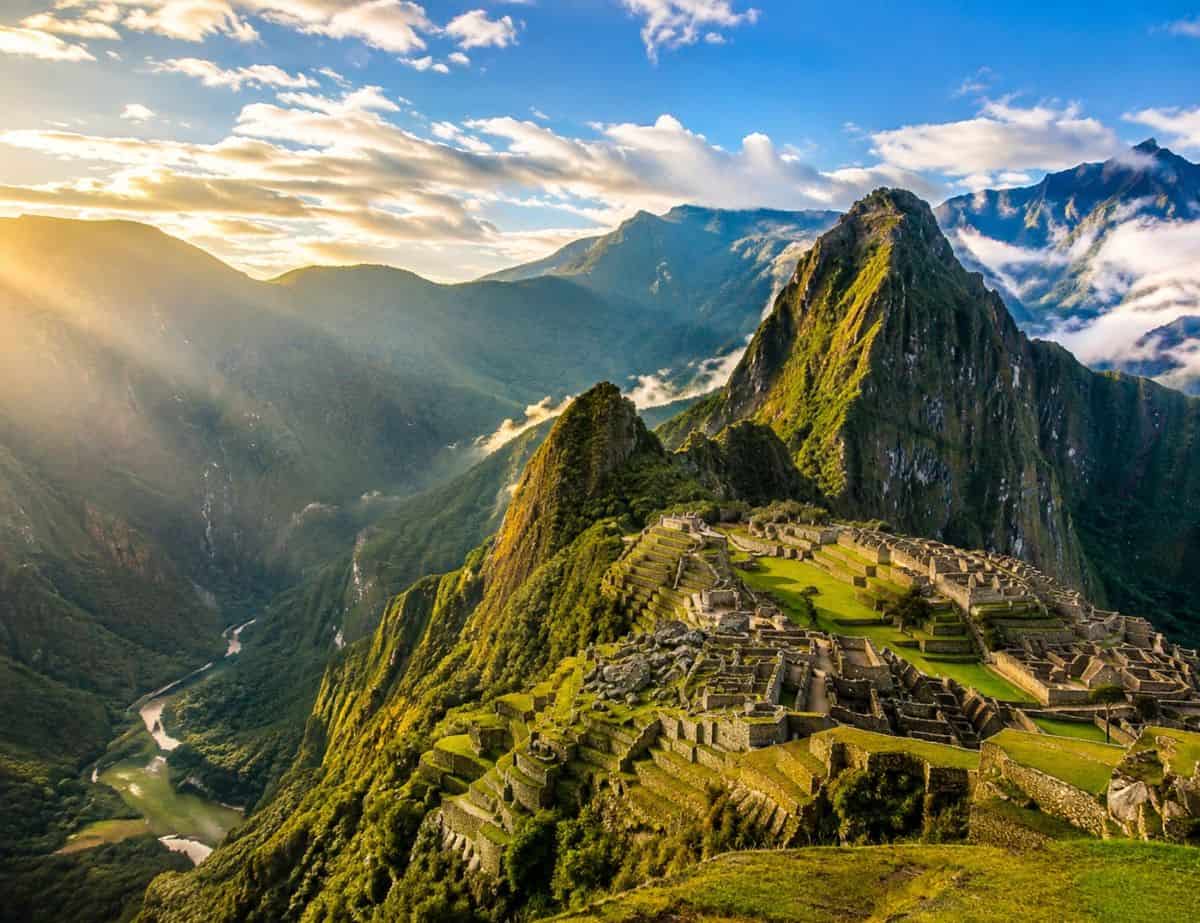
Watching the Sun set from the Sun Gate overlooking the mist covered, mossy stones of Machu Picchu is a majestic experience. There is almost a spiritual connection to be made with the history on the clouds. What do you do to hold on to that? It is easy to give a compliment and say, “Aren’t they beautiful?”, but not as easy to say “I need to protect them.” The Peruvian government realizes that if they want to save these Andean ruins from the impact of the Influence of the whole world, they must try new laws for tourism. It will be a difficult new reality for travel on the path to Machu Picchu, to learn to live within the new rules if you want to pay respect to the history that has a quiet spirit. If you have ever wanted to stand at the base of the awesome Andean mountains and feel the pulse of history in the ground, it is your chance to begin a long journey.
Transformative Operational Frameworks and Essential Management Guidelines for Visiting the Ancient Citadel
Management authorities have instituted updated operational protocols designed to balance ancient site preservation with global tourism demand across Peru. The modern framework establishes precise seasonal schedules, strict daily visitor caps, and rigid timed entry slots. During the high season which spans from June 1 through November 2 and includes December 30 and December 31 the sanctuary permits a maximum daily limit of 5,600 visitors. Conversely, throughout the low season, which covers the remainder of the calendar year, entry capacity decreases to a cap of 4,500 visitors per day.
To facilitate organized crowd distribution, the site opens daily at 6:00 AM and closes at 5:30 PM, releasing staggered hourly entry slots until the final permitted admission at 3:00 PM. Authorities grant a strict 30-minute entry tolerance past reserved booking times; moreover, standard site visits are strictly capped at 2.5 hours. All entry passes are non-refundable, non-transferable, and limited to a single entry without re-entry privileges. Travelers must present a printed or verified digital ticket alongside an original passport matching all registration details.
Advertisement
Advertisement
Critical Personal Data Requirements and Stringent Site Compliance Regulations for Global Travelers
Securing authorization to enter the historical complex requires complete, verified personal documentation submitted during the initial reservation process. Every applicant must provide their full legal name, gender, passport number, nationality, and exact date of birth, alongside valid student identification cards if seeking discounted entry rates. These stringent administrative conditions prevent last-minute itinerary changes, compelling international trip coordinators to implement strict data validation checks prior to departure.
Advertisement
Advertisement
Once inside the historical area, visitors must adhere strictly to environmental and structural preservation mandates. Luggage is restricted to one small personal backpack per person, while large suitcases, single-use plastic bottles, and outside food items are totally prohibited. Additionally, trekking poles are banned for general visitors and are allowed only for elderly or mobility-impaired individuals, provided they are fitted with soft rubber tips. Restroom facilities exist exclusively outside the main entrance gate, as no sanitary facilities operate within the core ruins.
Comprehensive Breakdown of Multi-Tiered Citadel Walking Circuits and Visitor Directions
To control foot traffic and prevent bottlenecking at key historical structures, officials have established three distinct, single-direction walking circuits. Circuit 1, known as the “Panoramic” route, directs tourists through the upper agricultural sector and iconic photographic overlooks, including the area surrounding the famous Guardian’s House, while intentionally bypassing the lower urban sectors. This circuit offers panoramic vistas of the surrounding mountain scenery while protecting delicate inner masonry.
Circuit 2, recognized as the “Classic” route, provides the most extensive historical overview by guiding guests through both upper and lower agricultural zones alongside central monuments such as the Sun Temple, the Sacred Stone, and the Temple of the Condor. Meanwhile, Circuit 3, referred to as the “Royal” route, focuses on lower urban structures including the Water Mirrors, Pisonay Square, and the Temple of the Condor. Circuit 3 also serves as the mandatory exit path for travelers finishing the multi-day Inca Trail.
Regional Transportation Protocols and Essential Transit Logistics Across Key Hubs
Reaching the sanctuary demands seamless coordination across several primary transport hubs throughout Cusco, Ollantaytambo, and Aguas Calientes, which is also referred to as Machu Picchu Pueblo. Train operators connecting Cusco or Ollantaytambo to Aguas Calientes enforce a strict personal baggage limit of one piece of hand luggage per passenger, weighing no more than 5 kg (11 lbs). This rule requires long-haul international visitors to organize secure baggage storage at their hotels in Cusco or Ollantaytambo prior to embarking on the rail journey.
Advertisement
Advertisement
Upon reaching Aguas Calientes, visitors board shuttle buses for the scenic 30-minute climb up to the main citadel entrance. Uphill bus departures run continuously from 5:30 AM to 3:30 PM, whereas downhill return transport operates from 6:00 AM until 6:00 PM. Officials strongly advise passengers to board their uphill shuttle bus at least 30 minutes prior to their designated entry window to ensure timely arrival at the gate.
Strategic Mountain Hikes and Exclusive High-Altitude Summit Trails
Beyond the main stone structures, secondary mountain trails offer elevated viewpoints but operate under tight, separate daily tickets to prevent severe trail erosion. High-altitude adventurers seeking to climb Wayna Picchu via Route 3-A face a steep, expert-level 45 to 60-minute ascent; however, access is capped at 350 tickets per day, divided between departure slots at 7:00 AM and 9:00 AM.
- Wayna Picchu (Route 3-A): Limited to 350 tickets daily across 7:00 AM and 9:00 AM entry slots for an expert-level, 45 to 60-minute steep climb.
- Machu Picchu Mountain (Route 1-A): Limited to 300 tickets daily across 6:00 AM and 8:00 AM entry slots for a moderate-to-challenging 90-minute summit hike.
- Huchuy Picchu (Route 3-D): Limited to 50 tickets daily during the High Season only for a beginner-level, 15-minute trail walk.
Alternative trails provide different levels of physical challenge for international hikers exploring the region. The moderate-to-challenging Machu Picchu Mountain trail, designated as Route 1-A, permits 300 visitors daily with start times scheduled at 6:00 AM and 8:00 AM for the 90-minute climb. Beginner hikers visiting during peak months can select Huchuy Picchu along Route 3-D, which features a brief 15-minute walk capped at 50 visitors daily during the high season.
Global Industry Implications and the Broader Future of Heritage Site Travel
These operational standards signal a major shift for the global travel sector, forcing international flight networks, tour managers, and hospitality vendors to adapt quickly. Because entrance tickets and secondary trail passes sell out months in advance, global travel planners must require clients to finalize travel arrangements earlier than ever before. Furthermore, strict visit durations and set walking paths mean that multi-day regional travel itineraries must be built with absolute precision.
Advertisement
Advertisement
Ultimately, these strict management practices serve as a model for sustainable heritage conservation worldwide. By controlling daily visitor density and banning single-use plastics inside the site, officials protect the structural integrity of Machu Picchu while encouraging eco-conscious travel habits. Furthermore, limiting daily capacity encourages long-haul international visitors to explore other rich historical destinations throughout Peru, spreading regional economic benefits across the broader tourism landscape.
Comprehensive Modernization of Centralized Digital Ticketing Infrastructures and Verification Protocols
State management authorities have transitioned the booking framework exclusively to centralized online portals to eliminate physical ticket counters and unverified resale operations across Peru. The mandatory system requires travelers to secure entry passes through official government portals well ahead of their planned visit date. By integrating direct passport validation software, every ticket issuance is tied directly to verified traveler identity records, effectively curtailing unauthorized third-party scalping and ticket inflation. This digital transition ensures transparent quota management while giving regulatory bodies complete real-time tracking over daily visitor volume across Cusco and Aguas Calientes.
This digital shift fundamentally alters how international vacation planners, travel agencies, and long-haul tourists structure their travel itineraries to Peru. Because high-demand peak season entry slots sell out three to six months in advance, spontaneous trips to the sanctuary are no longer viable. Travelers must commit to fixed arrival dates and exact passport detail submission early in their planning process. The centralized digital database guarantees that total daily capacity caps are strictly respected, protecting the historic site from unscheduled visitor overloads while streamlining validation checks at entrance gates.
Five-Year Environmental Protection Master Framework for UNESCO Heritage Preservation
The comprehensive Master Plan governing the Historic Sanctuary of Machu Picchu establishes strict conservation goals to safeguard 32,592 hectares of protected Andean cloud forests and ancient stonework. Jointly enforced by SERNANP and the Ministry of Culture, the strategy addresses environmental risks including masonry wear, surface soil erosion along footpaths, and forest fire threats across buffer zones. Over the past decade, severe wildfires burned more than 1,855.57 hectares of surrounding natural vegetation, prompting aggressive habitat restoration programs and stricter land management protocols.
Advertisement
Advertisement
In addition to landscape protection, environmental guidelines enforce a total ban on single-use plastic containers throughout the archaeological sanctuary. Visitors entering from Aguas Calientes or arriving via mountain trekking routes must carry non-disposable hydration canteens. By enforcing a zero-single-use-plastic mandate, state authorities prevent litter accumulation and minimize environmental impacts within delicate cloud forest ecosystems. These conservation policies ensure that the world heritage site remains preserved for future generations while setting higher ecological standards across South American travel destinations.
- Sanctuary Total Protected Area: 32,592 hectares of UNESCO World Heritage land under active protection.
- Historical Forest Fire Impact: Over 1,855.57 hectares affected by wildfires in surrounding buffer zones over the past decade.
- Zero-Single-Use Plastic Mandate: 100% prohibition of disposable plastic containers inside the sanctuary to eliminate waste.
Regional Financial Diversification and High-Yield Sustainable Eco-Tourism Contributions
Controlled entry caps have reshaped the regional travel economy across Cusco, Ollantaytambo, and Aguas Calientes. By limiting daily foot traffic, regional tourism models have successfully shifted from high-volume short excursions to higher-yield, sustainable eco-tourism stays. International visitors are spending more time exploring the surrounding Sacred Valley, causing average hotel stays in Aguas Calientes to rise to 1.5 to 2 nights per trip. This extension spreads visitor spending more evenly across local hospitality providers, traditional artisan markets, and regional dining establishments.
Furthermore, built-in conservation surcharges within ticket pricing directly fund native tree reforestation, trail stabilization, and cloud forest bioengineering projects. Restricted daily access at the primary citadel also encourages 30% to 40% of international sightseers to include alternative historical ruins in their regional itineraries, such as Choquequirao, Ollantaytambo, and Pisac. This geographic redistribution reduces pressure on the primary archaeological core while boosting local economies across smaller Andean communities throughout Peru.
- Daily Visitor Spending Footprint: Re-allocation of tourist spend across hotel nights in Aguas Calientes (average stay increased to 1.5–2 nights).
- Conservation Fee Integration: Direct conservation surcharges built into base ticket pricing fund native reforestation and bioengineering.
- Regional Diversification Impact: Encourages 30% to 40% of visitors to explore alternative regional ruins like Choquequirao, Ollantaytambo, and Pisac.
Inca Trail Operational Limits and Strict Pass-Trekker Logistics Standards
For adventurers hiking the classic 4-Day Inca Trail, strict management limits govern access at key trail checkpoints including Km 82 and Km 104. Daily permits along the historic trail network are capped at exactly 500 individuals, a figure that includes approximately 180 tourists alongside 320 licensed local guides, cooks, and porters. These strict volume limits prevent trail erosion along sensitive high-altitude mountain passes while ensuring high safety standards for all trekking groups.
Advertisement
Advertisement
Labor protections for support personnel are strictly enforced, with porter carrying weights capped at 20 kg (44 lbs) to guarantee fair working conditions. Additionally, authorities enforce a mandatory annual closure of all Inca Trail routes during the entire month of February. This complete month-long pause allows environmental recovery, native plant regeneration, and structural trail maintenance. Travelers planning outdoor expeditions during February must adjust their itineraries toward alternative trekking routes throughout Cusco and the Sacred Valley.
- Daily Inca Trail Cap: Capped strictly at 500 permits per day (~180 tourists alongside ~320 licensed support staff).
- Annual Maintenance Closure: Complete shutdown of all Inca Trail routes every year during the entire month of February for environmental recovery.
- Maximum Support Load: Support staff carrying weights are capped at 20 kg (44 lbs) per porter to enforce fair labor conditions.
Micro-Locational Pedestrian Traffic Management and Hourly Site Density Constraints
To avoid bottlenecking around sensitive stone monuments like the Sun Temple, Intihuatana, and Temple of the Condor, site administrators enforce precise hourly arrival quotas. Operating hours span from 6:00 AM to 5:30 PM daily, divided into ten hourly entry windows that distribute pedestrian flow evenly across the site. The highest transit density occurs between 10:00 AM and 1:00 PM due to arriving train and shuttle connections, while early morning (6:00 AM–8:00 AM) and late afternoon (1:00 PM–3:00 PM) entry windows remain significantly quieter.
Hourly entry throughput is capped at approximately 450 to 560 visitors per hour depending on whether the site is operating under high-season or low-season limits. Once inside, visitors follow strictly directed, single-direction walking paths that prevent backtrack movement and maintain continuous flow. By managing hourly crowd density, preservation teams prevent localized physical congestion around ancient stone walls while delivering a higher-quality experience for international visitors.
- Operating Hours Window: 6:00 AM to 5:30 PM daily, divided into 10 hourly entry windows.
- Peak Congestion Period: 10:00 AM to 1:00 PM receives the highest concentration of transit transfers; morning and late afternoon remain low-density.
- Maximum Hourly Entry Throughput: Capped at approximately 450 to 560 visitors per hour depending on the active season.
Rail and Shuttle Bus Transit Logistics Capacity Metrics Across Regional Networks
Navigating transit routes between Cusco, Ollantaytambo, and Aguas Calientes requires strict compliance with transport baggage caps. Rail lines connecting Ollantaytambo to Aguas Calientes enforce a strict personal luggage weight limit of 1 hand bag per passenger weighing no more than 5 kg (11 lbs). Long-haul travelers must store their primary luggage pieces at hotels in Cusco or Ollantaytambo before boarding the train toward the sanctuary.
Advertisement
Advertisement
From Aguas Calientes, visitors board shuttle buses for the 30-minute ride along the winding Hiram Bingham Highway up to the entrance gates. Shuttle buses run continuously every 5 to 10 minutes during peak morning windows (5:30 AM to 9:00 AM) to handle arriving train passengers smoothly. Passengers are strongly urged to line up for shuttle buses at least 30 minutes prior to their ticketed entry time to ensure punctual arrival at the main gates.
- Luggage Weight Restriction: Fixed limit of 1 hand bag per passenger (max 5 kg / 11 lbs) on train services to optimize space.
- Shuttle Bus Transit Duration: 30 minutes along the zig-zagging Hiram Bingham Highway.
- Shuttle Bus Frequency: Buses depart every 5 to 10 minutes during peak morning entry windows (5:30 AM to 9:00 AM).
Infrastructural Compliance Mandates, Hydration Protocols, and On-Site Visitor Rules
To protect the historic integrity of ancient masonry, physical infrastructure within the ruins is kept to an absolute minimum. Travelers must note that zero restroom facilities exist inside the core citadel; all sanitary facilities are positioned exclusively outside the main entrance gates. Visitors must utilize these facilities prior to scanning their entry tickets, as re-entry privileges are not permitted once a visitor exits the turnstiles.
Hydration guidelines strictly ban single-use plastic bottles, which are confiscated at entrance security checkpoints. Travelers must bring reusable metal or hard BPA-free plastic canteens to carry water inside the ruins. Additionally, tour groups must maintain a maximum ratio of 1 licensed guide per 10 to 15 visitors to ensure groups move efficiently along established circuit trails without blocking narrow passageways.
Global Sustainable Heritage Benchmarks and International Conservation Frameworks
The visitor management model applied in Peru serves as a leading global benchmark for sustainable heritage management at UNESCO World Heritage sites facing overtourism pressure. International conservation organizations analyze these timed circuits and strict daily visitor caps to develop similar management strategies for vulnerable monuments worldwide. Similar preservation principles are being shared and adapted across global heritage locations, including Tikal in Guatemala, Cristo Redentor in Brazil, and the Galápagos Islands in Ecuador.
Advertisement
Advertisement
Key sustainability goals include native species reforestation initiatives designed to increase carbon capture across protected mountain valleys. Timed walking circuits keep average static dwell times around individual monuments to under 15 minutes, preventing localized crowding while maintaining steady tourist movement. Through international technical exchanges, Peru contributes directly to establishing global best practices for balancing heritage preservation with international travel demand.
The Final Verdict
At Machu Picchu, there’s magic in that last sliver of the sun. In order to work that magic, you have to let go of the idea that getting there and taking pictures will capture that magic for you. That magic happens when you visit this place and let it welcome you with balance and harmony. It also means that you comply with the new rules and pathways. It also helps to create the respect you hold for this land. While you travel to the special places in Cusco, and Aguas Calientes, you watch the sites and don’t just let yourself be a passive observer. You will take that cool, clean breeze with you, and feelings of harmony, knowing that others will get to experience these sites like you. Of course, you will have peace knowing others will get to experience these sacred lands like you.
Advertisement
