
New Zealand Pioneers in Having the Unmatched Road Trip Routes, Followed by Australia and Island Nations Offering Unique Journeys

Published
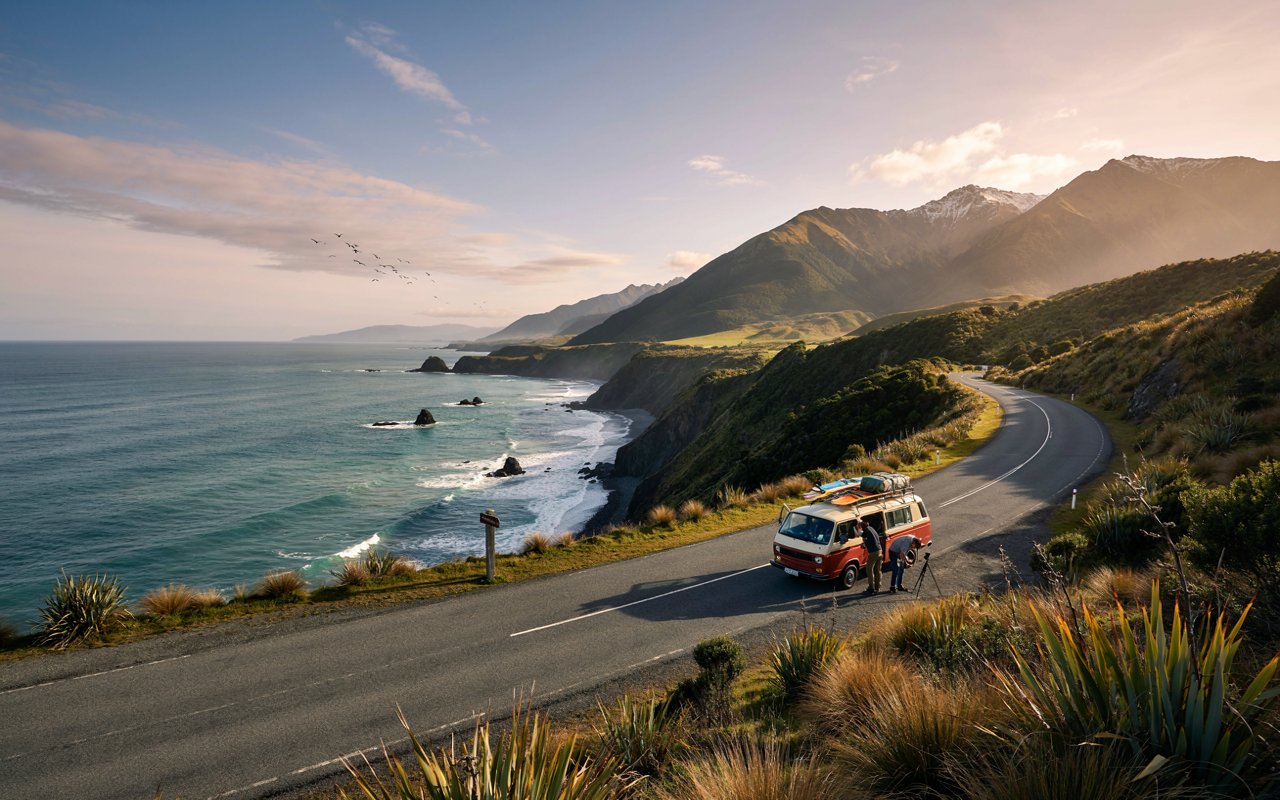
Image generated with Ai
Oceania remains one of the world’s strongest regions for nature-focused road trip adventures in 2026, with vast wilderness, dramatic coastlines, mountain highways, tropical landscapes and remote cultural experiences attracting adventure travellers. Australia and New Zealand dominate the region’s road trip appeal, while Pacific island nations offer emerging routes built around volcanic scenery, lagoons and untouched ecosystems.
From New Zealand’s snow-covered mountains and fjords to Australia’s vast outback highways and tropical coastlines, the region offers some of the most diverse driving experiences on the planet. Smaller Pacific nations, including Fiji, Vanuatu and Samoa, are also attracting adventure travellers with scenic island routes, rainforests and marine ecosystems. The growth of nature tourism, demand for slower travel and interest in remote destinations are helping Oceania strengthen its position as a leading road trip destination.
Top Nature Road Trip Adventure Destinations in Oceania 2026: Country Ranking and Travel Guide
| Country | Why It Ranks Highly for Nature Road Trips in 2026 | Best Road Trip Routes | Key Natural Attractions | Adventure Experiences | Road Trip Style | Best Travel Season |
| New Zealand | A global leader for scenic self-drive adventures with mountains, fjords, glaciers, volcanoes and protected wilderness areas packed into compact distances | South Island Alpine Route, Queenstown–Milford Sound, Southern Scenic Route, Auckland–Rotorua–Taupō | Milford Sound, Fiordland National Park, Aoraki/Mount Cook, Lake Tekapo, Tongariro National Park | Hiking, glacier flights, kayaking, bungee jumping, wildlife tours, stargazing | Mountain, fjord and adventure road trips | November–April |
| Australia | Offers the greatest landscape diversity in Oceania, from tropical rainforests and coral reefs to deserts and remote outback highways | Great Ocean Road, Savannah Way, Nullarbor Plain, Tasmania Loop, Red Centre Way | Great Barrier Reef, Uluru, Kakadu, Tasmania wilderness, Margaret River | Wildlife encounters, camping, 4WD exploration, Indigenous cultural experiences | Long-distance wilderness journeys | March–October |
| Papua New Guinea | One of Oceania’s most untouched adventure destinations, offering rugged landscapes, rainforest roads and rare cultural experiences | Highlands Highway, Kokoda region routes | Highlands mountains, tropical forests, volcanoes, Sepik River | Trekking, cultural tourism, rainforest exploration | Remote expedition-style road trips | May–October |
| Fiji | Rising as a nature adventure destination with island drives, rainforest landscapes and coastal exploration | Viti Levu Coral Coast Route, Suva–Nadi scenic drives | Coral Coast, waterfalls, volcanic landscapes, beaches | Diving, hiking, village visits, waterfall adventures | Coastal island road trips | May–October |
| New Caledonia | Combines French-Pacific culture with UNESCO-listed lagoons, forests and emerging eco-tourism experiences | Grande Terre island circuit | Blue Lagoon landscapes, mountains, tropical forests, reefs | Hiking, lagoon exploration, eco-tours | Island nature circuits | May–October |
| Tasmania (Australia) | A premium wilderness road trip region with dramatic coastlines, national parks and wildlife-rich landscapes | Tasmanian Wilderness Loop, East Coast Drive | Cradle Mountain, Freycinet Peninsula, Bay of Fires | Hiking, wildlife spotting, scenic drives, camping | Slow nature-focused road trips | October–April |
| Vanuatu | Offers volcanic landscapes and authentic island adventure experiences away from mass tourism | Efate Island Loop, Espiritu Santo routes | Mount Yasur volcano, blue holes, beaches, rainforests | Volcano visits, diving, jungle exploration | Tropical adventure routes | April–October |
| Samoa | Strong appeal for travellers seeking tropical scenery, waterfalls and cultural immersion | Upolu Island Circle Route, Savai’i coastal roads | Rainforests, waterfalls, volcanic landscapes, beaches | Swimming, hiking, village experiences | Relaxed island drives | May–October |
| Solomon Islands | Emerging adventure destination with marine ecosystems, forests and historic landscapes | Guadalcanal exploration routes | Rainforests, coral reefs, islands | Diving, hiking, cultural discovery | Remote exploration journeys | April–November |
| Cook Islands | Ideal for compact scenic drives combining beaches, mountains and Polynesian culture | Rarotonga Island Ring Road | Lagoons, volcanic hills, tropical forests | Cycling, hiking, snorkelling | Short island road trips | May–October |
Why Are New Zealand and Australia Dominating Oceania’s Nature Road Trip Market in 2026?
New Zealand and Australia remain the most recognised destinations for nature-focused road trips in Oceania because they combine excellent infrastructure with extraordinary landscapes. Both countries provide travellers with reliable road networks, diverse environments and a wide range of outdoor experiences.
New Zealand’s appeal comes from its compact geography and dramatic scenery. Travellers can move from alpine regions to coastal landscapes within a single journey. The South Island continues to attract visitors with iconic routes connecting Queenstown, Fiordland, Aoraki/Mount Cook and Christchurch.
Advertisement
Advertisement
The country’s famous Milford Road remains one of the most spectacular driving experiences in the world. The route passes through mountains, valleys, waterfalls and rainforest before reaching Milford Sound, a UNESCO World Heritage area known for its dramatic fjord scenery.
Australia offers a completely different style of adventure. Its enormous size allows travellers to experience tropical forests, coral reefs, deserts and coastal wilderness during extended road journeys.
Advertisement
Advertisement
Routes such as the Great Ocean Road in Victoria, Tasmania’s wilderness circuits and the Red Centre journey to Uluru highlight Australia’s ability to deliver diverse nature experiences. Wildlife encounters, Indigenous cultural tourism and remote landscapes continue to strengthen its road trip appeal.
In 2026, travellers are increasingly searching for destinations where the journey itself becomes the main attraction. Both countries meet this demand by offering scenic highways, protected national parks and opportunities for outdoor exploration.
What Makes New Zealand a Leading Adventure Road Trip Destination?
New Zealand’s position as a top nature road trip destination comes from its combination of accessibility, dramatic scenery and adventure tourism opportunities. The country offers travellers the chance to experience mountains, glaciers, volcanoes, lakes and forests within relatively short distances.
The South Island remains the centre of New Zealand’s road trip appeal. The Southern Scenic Route connects some of the country’s most impressive landscapes, including Fiordland National Park, coastal regions and wildlife areas.
Travellers exploring this region can combine driving with hiking, kayaking, boat tours and stargazing experiences. Aoraki/Mount Cook National Park attracts visitors with its mountain scenery and glacier landscapes, while Lake Tekapo is recognised for its clear skies and astronomy experiences.
The North Island also provides unique road trip opportunities. Routes connecting Auckland, Rotorua and Taupō allow visitors to explore geothermal areas, volcanic landscapes and Māori cultural experiences.
Advertisement
Advertisement
Adventure activities remain a major attraction. Queenstown continues to be associated with adrenaline experiences, including bungee jumping, mountain activities and outdoor adventures.
Beyond adventure sports, New Zealand’s growing focus on conservation and responsible tourism is influencing traveller choices. Many visitors are seeking destinations where natural environments are protected and local communities are involved in tourism development.
This combination of scenery, adventure and sustainability makes New Zealand one of Oceania’s strongest nature road trip destinations in 2026.
How Is Australia Expanding Its Nature Road Trip Experiences?
Australia’s strength as a road trip destination comes from the sheer variety of landscapes available across the country. Unlike many destinations where road trips focus on one type of scenery, Australia offers multiple environments ranging from rainforest and coastline to desert and wilderness.
The Great Ocean Road remains one of Australia’s most famous scenic drives. Located along Victoria’s coastline, the route combines ocean views, beaches, forests and geological landmarks.
The Northern Territory offers a completely different experience through the Red Centre. The journey towards Uluru introduces travellers to Australia’s desert landscapes, Indigenous heritage and ancient natural formations.
Advertisement
Advertisement
Western Australia is also attracting adventure travellers with long-distance coastal routes, remote beaches and national parks. Tasmania has become particularly popular among visitors looking for wilderness experiences, with routes featuring mountains, forests and wildlife-rich areas.
Australia’s road trip popularity is also supported by its wildlife diversity. Travellers can experience encounters with kangaroos, koalas, marine animals and rare bird species across different regions.
In 2026, sustainable tourism is becoming increasingly important in Australian travel planning. Many visitors are choosing experiences that support conservation, national parks and Indigenous-led tourism initiatives.
The country’s combination of large open spaces, modern travel facilities and natural attractions ensures that Australia remains one of Oceania’s most important destinations for nature road trips.
Which Pacific Island Countries Are Becoming Popular for Nature Road Trip Adventures?
While Australia and New Zealand dominate large-scale road trips, Pacific island countries are creating new opportunities for travellers seeking smaller and more immersive journeys.
Fiji is gaining attention with scenic drives across Viti Levu, where travellers can explore coastal landscapes, waterfalls, villages and tropical forests. The Coral Coast route remains one of the island nation’s most popular driving experiences.
Advertisement
Advertisement
Vanuatu offers a more rugged adventure style. Visitors can explore volcanic landscapes, including Mount Yasur on Tanna Island, while combining road journeys with rainforest exploration and marine activities.
Samoa provides a slower travel experience focused on natural beauty and cultural connection. Circular routes around Upolu and Savai’i allow travellers to discover waterfalls, beaches, volcanic landscapes and traditional villages.
New Caledonia stands out for its combination of Pacific nature and French influence. The main island of Grande Terre offers mountain roads, tropical forests and access to one of the world’s largest lagoon ecosystems.
These Pacific destinations appeal to travellers who want more than sightseeing. They offer opportunities to interact with local communities, explore untouched environments and experience island lifestyles.
Although their road networks are smaller compared with Australia and New Zealand, these countries are expanding their appeal by promoting sustainable tourism and nature-based adventures.
Why Are Remote Wilderness Experiences Becoming More Important for Travellers?
The growing popularity of nature road trips in Oceania reflects a wider global shift towards outdoor and experience-based tourism. Many travellers are now prioritising open spaces, natural landscapes and meaningful journeys.
Advertisement
Advertisement
Remote destinations provide an alternative to crowded urban tourism. Road trips allow visitors to explore areas at their own pace while discovering lesser-known attractions.
Papua New Guinea represents one of the region’s most adventurous destinations. Its Highlands Highway provides access to mountain landscapes, traditional communities and rainforest environments. The country attracts travellers looking for expedition-style experiences rather than conventional holidays.
Similarly, the Solomon Islands and other Pacific destinations are gaining recognition for their marine ecosystems, forests and cultural heritage.
Technology is also supporting this travel trend. Improved navigation tools, digital travel planning and better access to destination information are making remote road trips easier to organise.
At the same time, travellers are becoming more interested in conservation. Many visitors want their journeys to contribute positively to local environments and communities.
Oceania’s combination of wilderness, biodiversity and cultural experiences positions the region strongly within the global adventure tourism market in 2026.
Advertisement
Advertisement
What Are the Key Trends Shaping Oceania’s Nature Road Trips in 2026?
Several major trends are influencing how travellers explore Oceania’s landscapes in 2026.
Sustainable travel is one of the strongest developments. Visitors are increasingly selecting destinations that protect natural environments and promote responsible tourism practices.
Wildlife tourism is another important factor. Australia and New Zealand benefit from unique ecosystems, while Pacific nations attract visitors through marine biodiversity and tropical environments.
Indigenous tourism is also becoming a central part of nature travel. Many travellers are looking for experiences that connect landscapes with local histories, traditions and cultural knowledge.
Flexible travel is further increasing demand for road trips. Self-drive journeys allow visitors to avoid fixed schedules and explore destinations beyond major tourist centres.
Adventure activities continue to support growth. Hiking, kayaking, diving, camping and wildlife viewing are becoming essential parts of modern road trip experiences.
Advertisement
Advertisement
As travellers seek more authentic and environmentally conscious holidays, Oceania’s nature road trip destinations are expected to remain highly attractive throughout 2026.
Why Does Oceania Remain a Global Nature Road Trip Leader in 2026?
Oceania’s nature road trip appeal comes from its extraordinary combination of landscapes, adventure opportunities and cultural experiences. New Zealand leads with its mountains, fjords and outdoor activities, while Australia offers unmatched geographical diversity.
Pacific island nations are adding new dimensions through tropical landscapes, volcanic adventures and sustainable tourism models. Together, these destinations create a region where every journey offers a different connection with nature.
In 2026, travellers are not only searching for destinations. They are seeking memorable journeys filled with discovery, exploration and meaningful experiences. Oceania’s vast wilderness and scenic routes continue to provide exactly that, making the region one of the world’s strongest choices for nature-based road trip adventures.
Rising demand for immersive journeys has transformed Oceania into a leading adventure region because travellers seek meaningful connections with landscapes and communities. The answer lies in the combination of accessible routes, unique environments and responsible tourism initiatives that encourage exploration while protecting natural areas. New Zealand and Australia remain major attractions due to their diversity and infrastructure, while Pacific destinations provide authentic experiences through culture and wilderness. This growth continues because modern travellers value freedom, sustainability and unforgettable memories created through self-guided adventures across remarkable locations throughout the region. The future of nature-based travel in Oceania appears increasingly strong worldwide.
Advertisement
