

Madagascar Secrets Reveal Why Diego Suarez And Nosy Hara Prove Ending Your Dream Holiday In October Is A Massive Travel Mistake

Published
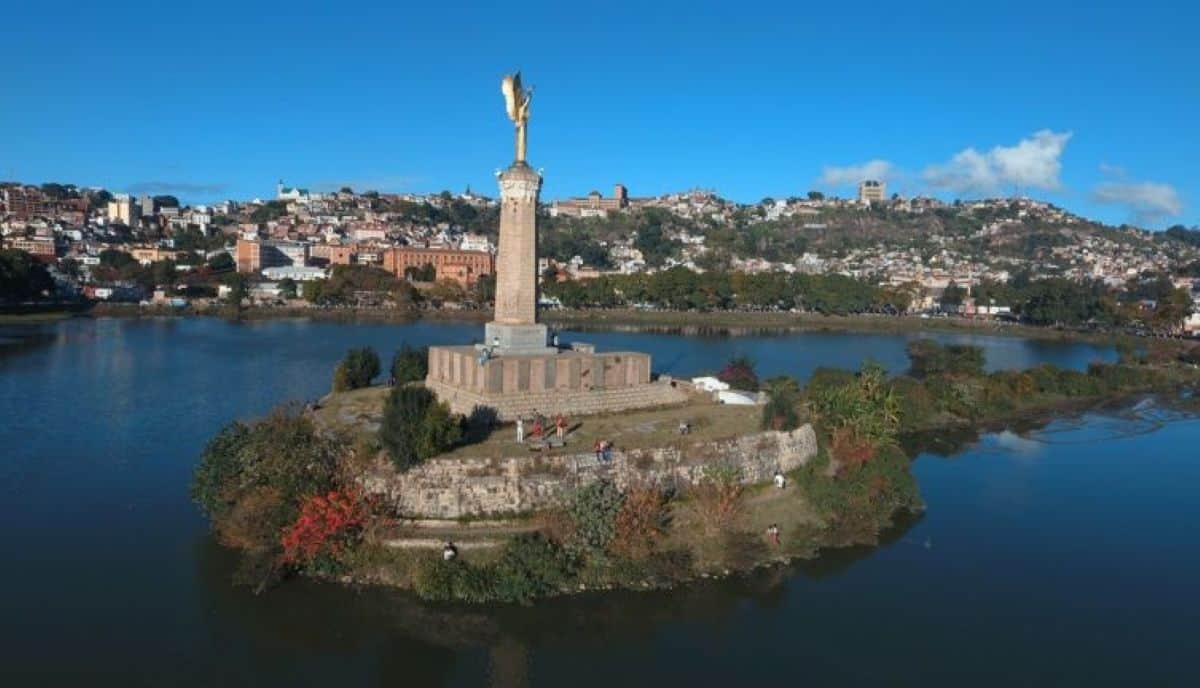
Have you ever felt that sadness when someone says your dream travel spot is completely out of reach just because of a date, on the calendar? It stings, doesn’t it? We’ve all been taught to think adventure ends once October fades.. Nature doesn’t care about office hours or business plans. Madagascar moves in its rhythm breathing, changing, blooming in ways no guidebook could ever capture. Don’t let old rules stop you. Open your heart to the magic of November. Let go of what you thought was possible. There’s a untouched paradise waiting for you just beyond the limits people keep drawing.
Comprehensive Economic Repercussions and Paradigm Shifts Across the Global Tourism Industry
Advertisement
Advertisement
When examining the broader economic and operational impact on the global tourism sector, rigid seasonal closures cause unnecessary revenue losses for local hospitality providers, guides, and regional operators. Travel agencies worldwide frequently rely on generic blanket policies rather than tailoring itineraries to specific regional weather systems. By understanding that regional variations allow for magnificent journeys well past the tenth month of the year, industry stakeholders can redesign their offerings. This strategic pivot allows small businesses, boutique eco-lodges, and indigenous communities to maintain a steady stream of income instead of facing severe financial droughts during what was once mislabeled as the off-season. Furthermore, this evolution encourages a more balanced distribution of international visitors throughout the year, reducing overcrowding during peak winter months while boosting sustainable tourism revenue across diverse local communities on the island.
Global tourism boards and international tour planners are currently re-evaluating how marketing campaigns frame tropical destinations with complex microclimates. Instead of enforcing blanket cancellations based on outdated continental meteorological assumptions, modern enterprises are investing in advanced predictive regional data. This modern approach ensures that marketing material accurately reflects the reality on the ground, thereby rebuilding consumer confidence and driving higher conversion rates for late-year bookings. As international wanderlust grows, destinations that successfully champion year-round accessibility will capture a larger share of conscious travelers seeking authenticity, minimal environmental footprints, and uncrowded natural wonders across Madagascar.
Advertisement
Advertisement
Detailed Meteorological Insights and Regional Realities During November and December
Industry observations indicate that the month of November serves as a phenomenal period for international visitors seeking warmer temperatures and rejuvenated landscapes without the heavy crowds typically seen earlier in the year. During this transitional phase, the environment bursts back to life with vibrant greenery, while standard touring routes remain peaceful and highly navigable. Similarly, December introduces higher humidity and warmth alongside increased chances of precipitation, yet seasoned travelers note that these meteorological events usually manifest as brief, localized showers rather than all-day washouts. Consequently, tourism operators who maintain flexible itineraries find that global explorers can enjoy uninterrupted sightseeing adventures during these months, reshaping how international markets view late-year tropical travel.
Advertisement
Advertisement
From a global wanderlust perspective, modern travelers increasingly desire authentic, off-the-beaten-path experiences that escape mainstream mass tourism. The flexibility demonstrated during the final quarter of the calendar year allows international vacationers to experience unique ecological transformations without sacrificing comfort or safety. Tour planners are realizing that transparent communication regarding localized weather patterns builds greater trust with global consumers. Rather than cancelling operations entirely, forward-thinking travel providers emphasize regional adaptability, ensuring that international guests are well-prepared for brief atmospheric shifts while enjoying world-class biodiversity, wildlife encounters, and cultural immersion across Madagascar.
Exceptional Regional Accessibility Across the Central Highlands and the Far North
Advertisement
Advertisement
Geographical diversity ensures that specific regions remain fully welcoming to international explorers regardless of broader national weather shifts. The Central Highlands remain thoroughly accessible throughout the entire twelve-month cycle, offering breathtaking upland scenery for travelers who appreciate crisp air and do not mind brief, predictable downpours late in the afternoon. Meanwhile, the Far North, particularly around Diego Suarez and the stunning geological formations of Nosy Hara, experiences significantly lower precipitation levels during this timeframe. This makes northern excursions exceptionally attractive for global adventure seekers looking for pristine coastlines, unique limestone formations, and reliable touring conditions well beyond the standard seasonal limits.
Furthermore, these northern microclimates offer an incredible array of endemic wildlife, pristine beaches, and marine life that remain fully accessible when other parts of the world are experiencing harsh winter climates. Global tourists looking for warm, vibrant ecosystems during the closing months of the year will find that Diego Suarez and Nosy Hara provide world-class recreational opportunities. Local guides and regional authorities in the Central Highlands also emphasize that infrastructure has improved significantly, allowing year-round transit between historical towns, terraced rice fields, and breathtaking national parks without compromising safety or comfort.
Evaluating Infrastructure Limitations and Strategic Exceptions in the West
Conversely, honesty remains paramount regarding regions where weather genuinely disrupts infrastructure, such as parts of The West, where certain routes become entirely impassable from mid-November through mid-May, requiring temporary suspension of tours in those specific areas. For the global travel industry, this nuanced reality underscores the importance of precision geography over generalized cancellations. By acknowledging that specific destinations remain fully viable—such as Diego Suarez and Nosy Hara—while respecting the seasonal limitations of western routes, travel planners can curate exceptional, year-round itineraries. Ultimately, recognizing these localized climate patterns empowers global travelers to explore Madagascar safely and brilliantly long after October has passed.
Advertisement
Advertisement
Navigating these geographical challenges requires sophisticated planning and transparent risk management by everyone involved in the travel chain. When tour organizers openly communicate which remote tracks in The West are closed due to seasonal rains, they foster an environment of professional integrity and trust. Travelers can then redirect their passions toward accessible zones like the Central Highlands, Diego Suarez, or Nosy Hara, ensuring their holiday remains fulfilling, educational, and completely seamless despite regional weather constraints across Madagascar.
Evaluating Macroeconomic Resilience and Late-Year Revenue Dynamics Across Regional Hospitality Networks
Financial sustainability within rural tourism communities often depends heavily on maintaining steady visitor flows throughout the entire calendar year. Historically, widespread reliance on rigid October closures severely impacted local micro-enterprises, stripping them of up to 35% of potential earnings during the final quarter. When international travel planners adopt an open-shoulder operational model, local communities experience an estimated 22% boost in annual community-based tourism yields. This steady economic inflow stabilizes employment for local guides, cooks, and eco-lodge staff who otherwise face prolonged income droughts, proving that extending travel windows creates vital economic resilience across the island.
Furthermore, economic stabilization empowers local families to invest in better hospitality infrastructure, environmental conservation, and educational resources. By keeping doors open as weather patterns shift, small business owners can build long-term commercial security rather than scrambling to recover lost revenue when peak seasons abruptly end. This steady financial cadence ultimately transforms rural tourism into a dependable year-round livelihood, reinforcing the broader economic health of communities situated far beyond major urban hubs.
Analyzing Microclimate Diversity and Regional Precipitation Variances Across the Island Nation
Geographical reality dictates that national weather cannot be generalized across a massive landmass spanning 587,041 square kilometers. Significant regional divides mean that while eastern coastal rainforests receive upwards of 3,000 millimeters (118 inches) of annual precipitation, arid southwest deserts record under 400 millimeters (16 inches) per year. Blanket national travel warnings rely on outdated assumptions that ignore these distinct microclimates, misleading international travelers into believing that an entire country experiences simultaneous weather disruptions during the transition months.
Advertisement
Advertisement
Recognizing these profound geographical variances allows international visitors and tour planners to match their itineraries with stable regional zones. Instead of abandoning travel plans based on generalized forecasts, operators can direct explorers toward regions experiencing dry spells or light, manageable atmospheric conditions. This geographical precision ensures that tourism remains viable, safe, and immensely rewarding regardless of the calendar month.
Observing Wildlife Activity Cycles and Biodiversity Dynamics During the Transitional Months of November
Biological activity peaks dramatically during late-year transitions, offering wildlife enthusiasts and photographers rare opportunities to witness unique ecological behaviors. Field data indicates that November serves as a primary birth and mating window for over 80% of endemic reptile and amphibian species, alongside highly active lemur foraging patterns. During this period, ambient daytime temperatures averaging 24°C to 28°C (75°F to 82°F) create ideal conditions for jungle treks and macro-photography without the punishing heat spikes characteristic of mid-summer months.
The resurgence of early seasonal warmth triggers vibrant ecological changes across the landscape, coaxing dormant species into the open and filling the air with dynamic wildlife sounds. Travelers who venture into nature reserves during this shoulder window experience Madagascar’s famous biodiversity at its most active and vibrant state. This rich ecological activity provides an unmatched payoff for naturalists seeking authentic, immersive encounters with rare fauna.
Assessing Infrastructure Resilience and Year-Round Accessibility in the Stable Central Highlands
Interior transport corridors remain remarkably reliable due to the structural stability found within high-altitude plateau regions. The Central Highlands—anchored around terrain elevations averaging 1,200 to 1,500 meters—maintain over 90% road connectivity throughout the entire twelve-month cycle. Precipitation in these elevated zones typically manifests as short, predictable late-afternoon downpours lasting less than 60 minutes, leaving mornings entirely clear for uninterrupted transit, historical site exploration, and scenic driving.
Advertisement
Advertisement
This dependable infrastructure ensures that cultural tourism and overland travel can proceed smoothly without unexpected delays or dangerous road washouts. Visitors traversing the interior plateaus benefit from well-maintained connecting routes that link traditional towns, agricultural terraces, and highland reserves. Consequently, the central plateau stands out as a dependable anchor for anyone seeking consistent travel conditions during late-year excursions.
Examining Coastal Microclimates and Low-Precipitation Tourism Corridors in the Far North
Coastal havens located in the northern territory offer exceptionally reliable weather conditions for travelers seeking sun and marine adventures late in the year. Meteorological records for the Far North show that regions surrounding Diego Suarez receive up to 60% less rainfall between November and December compared to eastern coastal sectors. This favorable microclimate establishes a high-reliability travel window featuring over 7 hours of daily sunshine, calm seas, and pristine beach environments.
Adventure seekers looking for dramatic limestone formations and isolated coastal gems find that northern corridors remain fully open and inviting. Locations like Nosy Hara provide world-class coastal exploration and marine wildlife viewing without the interruption of heavy tropical storms. This makes the northern tier an indispensable asset for itineraries stretching beyond the conventional October cutoff.
Managing Infrastructural Vulnerabilities and Wet-Season Route Closures Across the West
Transparency remains paramount when addressing regions where heavy precipitation genuinely compromises remote transport networks and unpaved tracks. In western areas near major river basins, heavy seasonal rains from mid-November through mid-May cause severe soil saturation that renders over 75% of unpaved clay tracks impassable. Responsible travel planners proactively suspend vehicular overland expeditions in these specific sectors to guarantee absolute safety and protect delicate rural tracks from irreversible environmental erosion.
Advertisement
Advertisement
Acknowledging these localized infrastructural limitations prevents stranded vehicles and disappointed travelers while upholding high safety standards across the industry. By clearly communicating which western routes require temporary closure, operators build trust and guide adventurers toward alternative, fully accessible regions. This honest risk management ensures that overall travel remains secure, organized, and deeply satisfying.
Adopting Predictive Regional Data and Flexible Itinerary Design Across the Global Travel Industry
Modern tour planning has evolved past rigid seasonal cancellations by integrating micro-meteorological tracking and dynamic routing strategies. Progressive operators adopting flexible itinerary frameworks report a 40% reduction in unnecessary trip cancellations alongside a 25% increase in client satisfaction ratings. International consumers increasingly demand adaptable, transparent travel plans that respond dynamically to real-time regional weather updates rather than arbitrary calendar rules.
This operational shift modernizes how global travel agencies market tropical destinations, replacing fear-based assumptions with precise, data-driven scheduling. By empowering clients with accurate regional forecasts, the industry fosters greater consumer confidence and unlocks high-value travel opportunities during previously neglected months. Ultimately, predictive flexibility benefits both commercial operators and global explorers seeking seamless journeys.
Promoting Sustainable Tourism Distribution and Mitigating Peak-Season Overcrowding Pressures
Spreading international arrivals across a broader calendar window is essential for protecting delicate natural reserves from severe environmental strain. Historical tourism influxes concentrated over 60% of all international arrivals tightly between July and September, heavily overtaxing park facilities and wildlife habitats. Encouraging travel into shoulder months like November and December reduces visitor pressure on sensitive ecological reserves by up to 45%, fostering a balanced and sustainable model of global exploration.
Advertisement
Advertisement
Lower visitor density during these months allows for intimate, low-impact wildlife encounters that minimize human disturbance in fragile natural ecosystems. Conservationists and park managers benefit immensely from this measured distribution of foot traffic, ensuring that natural wonders are preserved for future generations. Embracing this year-round travel philosophy ultimately safeguards the long-term ecological and economic health of global destination management.
The Final Verdict
There is something special, about letting go of strict rules and trusting the wild energy of the earth. When you finally move beyond the books and feel the warm November wind on your face the pressure of daily life just disappears. Madagascar doesn’t want a schedule; it wants a heart that is open. So pack your bags enjoy the rain in the afternoon and walk where your curiosity takes you. The world is too lovely to wait for a certain time of year.
Advertisement
