
Africa Air Travel Growth Could Unlock More Tourism as Demand is Forecast at 1,640 New Aircraft by 2045

Updated
Published
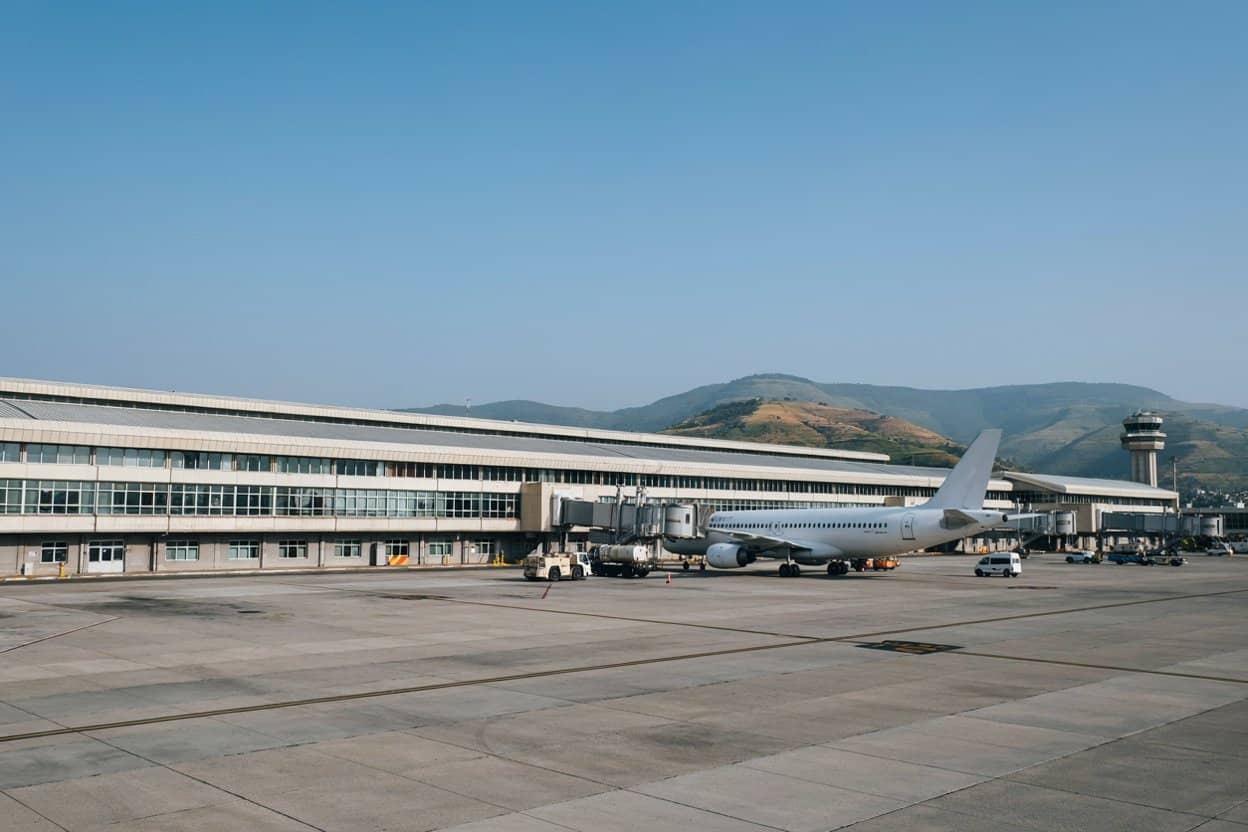
Ethiopia’s Air Travel outlook has drawn attention after official reporting on 13 October 2026 detailed forecast demand for 1,640 new passenger aircraft across Africa by 2045. The manufacturer’s assessment covers replacement and expansion, rather than confirmed orders. Separate government reporting describes airport construction intended to support Ethiopia’s longer-term transport needs. For travellers, neither development announces immediate route changes or new entry rights. For tourism businesses, the central question is whether future capacity will translate into accessible destinations and additional visitor spending.
Africa Air Travel Growth: Evidence and Limits
The strongest evidence concerns projected transport demand and the resources needed to serve it. Tourism benefits remain possible consequences, rather than measured results of the forecast. The table assigns editorial percentages to the main subjects, based on their importance within this report. These shares total 100% and are not official statistics, market shares or forecasts of economic impact. The figures describe projected requirements across Africa, without assigning aircraft to individual countries or committing operators to specific routes, schedules or fares.
| News Component | Share of Story | Officially Verified Finding | Relevance to Travellers | Official Source |
| Aircraft demand | 45% | Forecast requirement: 1,310 single-aisle and 330 widebody aircraft by 2045 | Potential future capacity; no route commitments | Same report |
| Demand assumptions | 20% | Annual real economic growth of 4%; trade growth of 3.9%, 2025–2045 | Conditions supporting projected demand | Same report |
| Fleet modernisation | 20% | Latest-generation share projected from 30% in 2025 to 65% by 2035 | Replacement needs alongside expansion | Same report |
| Workforce | 15% | Projected need for 20,000 pilots, 30,000 mechanics and 21,000 cabin crew | Training and maintenance requirements | Official forecast report |
The aircraft figures imply a mix of approximately 79.9% single-aisle and 20.1% widebody, or roughly four to one. These are calculations from the published totals. Similarly, the newer-generation fleet share increases by 35 percentage points, rather than showing a 35% increase in aircraft numbers. Replacement deliveries take over from retiring equipment, so total demand cannot equal net fleet expansion. The report also provides no numerical estimate of additional tourists, hotel bookings or destination revenue attributable to these projected requirements.
From Regional Reforms to Airport Construction
The policy background began before the latest outlook. A continental aviation market initiative launched in January 2018 sought to improve cross-border operating rights, frequencies and capacity. Ethiopia subsequently launched construction of Bishoftu International Airport on 10 January 2026. Government reporting outlined first-phase capacity for 60 million passengers annually, rising to 110 million under the complete master plan. These are planned handling limits. They do not describe present passenger volumes, confirmed demand or capacity already available to travellers. The site lies approximately 40 kilometres southeast of Addis Ababa. Its location makes the planned road and railway connections a significant part of passenger accessibility.
Advertisement
Advertisement
Official reporting in June 2026 reiterated a 2030 first-phase target. The continental forecast followed in October, while a separate Ethiopia outlook published on 19 October 2026 projected roughly sixfold passenger growth over two decades. Infrastructure will shape Africa Air Travel Growth, but these announcements concern different measures and timelines. Existing main-airport capacity is reported at 25 million annually, making Bishoftu’s planned stages approximately 2.4 and 4.4 times that level. Construction milestones and traffic forecasts should therefore be assessed separately.
Population and Skills Behind Africa Air Travel Growth
The forecast incorporates an additional 720 million residents, 180 million middle-class consumers and 450 million urban residents by 2045. It anticipates a continental population above two billion. These demographic assumptions help explain potential demand for family visits, business journeys and holidays. They do not establish how many residents will travel or how much they will spend. The outlook projects annual traffic growth of 4.9%, second behind Asia, against a backdrop of African route capacity more than doubling between 2005 and 2025. Real economic growth adjusts for inflation, while trade growth describes commercial activity. Neither measure directly predicts household holiday budgets or spending at individual destinations.
Advertisement
Advertisement
Compounding 4.9% over 20 years produces approximately 2.6 times the starting traffic level, explaining the description of demand approaching three times its current scale. Supporting that expansion would require skills as well as infrastructure. The projected workforce requirement totals 71,000, with mechanics accounting for approximately 42.3%. These calculations describe the scale and composition of the outlook, not vacancies available today. Training provision, qualifications and maintenance facilities will influence whether transport operators can accommodate demand safely and reliably. For Africa Air Travel Growth to support tourism, training investment must accompany physical expansion. The staffing forecast does not identify funded courses, recruitment dates or country allocations.
Turning Africa Air Travel Growth Into Tourism Visits
Ethiopia’s passenger outlook needs careful interpretation because connecting travellers account for nearly two-thirds of its national carrier’s traffic, according to October reporting. A passenger changing flights may never enter the country or purchase accommodation. Consequently, sixfold passenger growth cannot be presented as sixfold growth in tourist arrivals. The potential commercial opportunity differs between airport services and destinations beyond the terminal. Hotels, guides and attractions would benefit only when additional connectivity generates actual visits and spending. For business travellers, dependable connections could make meetings easier to arrange. That remains a potential benefit; the forecast announces no additional conference bookings or commercial visits.
Ground access also matters. Government plans include a highway and a 38-kilometre railway connecting Bishoftu with Addis Ababa. These remain planned links, rather than services travellers can already use. The analytical implication is that terminal expansion and onward transport must work together. Easier journeys could support regional itineraries and business visits, but the available evidence does not quantify those gains. Destination investment decisions still need local data on overnight stays, seasonal demand and spending instead of relying solely on passenger forecasts.
What Travellers Should Check and Watch Next
No immediate booking change follows from the forecast itself. Travellers should distinguish operating services from proposed capacity and check requirements for their particular journey. The outlook introduces no visa exemption, passport entitlement or continent-wide entry arrangement. Aviation market access concerns permission for operators to provide services; immigration rules determine whether passengers may enter. The practical checks below address that difference without implying that this announcement requires cancellations, additional documents or changes to an existing itinerary.
- Confirm the operating airport and connection arrangements on actual bookings.
- Check official entry and transit requirements for your nationality and itinerary.
- Treat Bishoftu’s 2030 target as provisional until operational arrangements are confirmed.
- Monitor published service notices before relying on planned transport links.
Costs remain a constraint: an April 2026 industry assessment placed Africa’s aviation tax and charge burden around 15% above the global average. A June assessment highlighted fragmented airspace, weak infrastructure and restricted access to capital. These conditions help explain why higher demand cannot guarantee lower fares. Beyond the airport target, the 2035 modernisation projection and 2045 demand horizon are planning benchmarks. They establish neither a timetable for every destination nor a confirmed sequence of new passenger services.
The Outlook for Tourism and Connectivity
Ethiopia’s Air Travel outlook highlights an investment opportunity whose tourism value will depend on delivery. The evidence establishes a continental demand forecast, a major airport project and substantial workforce requirements. It does not establish cheaper fares, new entry rights or guaranteed increases in tourist arrivals. Travellers should continue using confirmed schedules and current border guidance. Tourism businesses need evidence of visits and spending before treating passenger projections as commercial returns. Planned airport capacity and transport links could improve access over time. Following official project and service updates will show when those plans become practical options for journeys across African markets.
Advertisement
