 Somudranil Sarkar Somudranil Sarkar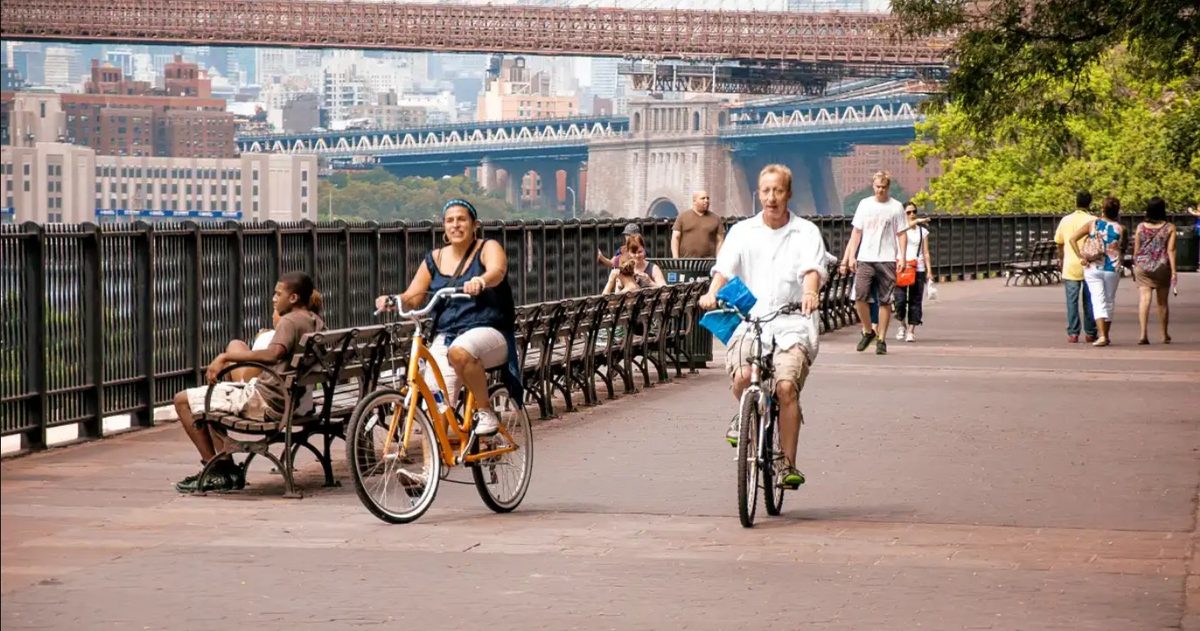
Image generated with Ai
The urban and rural landscape of American recreation is undergoing a remarkable shift as midnight cycling tourism experiences an unprecedented surge. From the brightly illuminated greenways of Brooklyn and Queens to the sprawling multiuse paths of Indiana and the historic trails of Louisiana, nocturnal cycling has transformed into a vital pillar of the night time economy. Driven by municipal investments in illuminated infrastructure, micromobility network expansions, and cooler night time temperatures, thousands of cyclists are exploring routes after dark. This emerging phenomenon is reshaping regional tourism, boosting local hospitality sectors, and establishing safe, sustainable nocturnal transit corridors for residents and visitors everywhere.
Over the past decade, active outdoor recreation across North America has experienced a profound shift in participant habits, spatial utilization, and operational hours. Traditionally, cycling tourism flourished as a daylight-bound endeavor, constrained by natural illumination and conventional operating hours for municipal parks, commercial tour operators, and hospitality services. However, a convergence of environmental, technological, and socio-economic factors has fundamentally altered this paradigm, driving the rise of midnight cycling tourism across both high-density urban centers and expansive rural trail systems.
Advertisement
Primary among these catalyst factors is the changing climatic environment. Higher daytime temperatures during summer months have increasingly prompted outdoor enthusiasts, casual commuters, and visiting tourists to seek cooler hours for exercise and exploration. Concurrently, rapid advancements in LED lighting technology—both in personal bicycle equipment and municipal infrastructure—have dramatically lowered the barriers to entry for safe night riding. High-lumen, energy-efficient headlamps, rechargeable battery power, reflective apparel, and solar-powered path illumination have rendered nocturnal cycling accessible to a far broader demographic than ever before.
In parallel, local governments and state agencies have recognised the untapped potential of the night-time economy. Historically centered around indoor dining, performing arts, and entertainment venues, the night-time economy is now expanding into active outdoor recreation. City planners and tourism authorities increasingly view nocturnal greenway networks not merely as leisure amenities, but as essential multi-modal transit corridors that alleviate daytime congestion, reduce carbon emissions, and distribute tourist expenditure into off-peak hours.
Advertisement
Advertisement
This systemic evolution is particularly visible in four distinct geographical epicentres across the United States: the dense borough pathways of Brooklyn and Queens in New York, the inter-county trail networks of Indiana, and the cultural-environmental corridors of Louisiana. While each region possesses unique geographic characteristics, all four share a concerted commitment to expanding protected infrastructure, fostering public-private partnerships, and capitalizing on the burgeoning market for nocturnal active tourism.
+-----------------------------------------------------------------------------------+
|                        DRIVERS OF MIDNIGHT CYCLING TOURISM                        |
+-----------------------------------------------------------------------------------+
|  CLIMATIC ADAPTATION        |  Avoidance of peak daytime heatwaves and sun exposure |
|  INFRASTRUCTURE INVESTMENT  |  Solar-powered lighting, protected greenways, signage |
|  ECONOMIC EXPANSION         |  24-hour hospitality, late-night dining and equipment |
|  TECHNOLOGICAL ADVANCE      |  High-capacity battery LED systems and e-bike tech    |
+-----------------------------------------------------------------------------------+
In New York City, the boroughs of Brooklyn and Queens are serving as national models for urban midnight cycling tourism, sustained by sweeping infrastructure upgrades under the oversight of the New York City Department of Transportation (NYC DOT) and NYC Parks. Municipal statistics reveal that the five boroughs encompass more than 594 lane miles of greenway infrastructure, with Brooklyn and Queens containing some of the most heavily trafficked segments in the entire national network.
+-----------------------------------------------------------------------------------+
|                NYC GREENWAY SYSTEM MILEAGE (NYC DOT & PARKS DATA)                 |
+-----------------------------------------------------------------------------------+
|  Brooklyn Waterfront Greenway Corridor              |  62 lane miles              |
|  Jamaica Bay Greenway System (Brooklyn/Queens)      |  85 lane miles combined     |
|  Central and Eastern Queens Greenway Systems        |  59 lane miles combined     |
|  Queens Waterfront Greenway System                  |  31 lane miles              |
|  Historic Brooklyn Greenway System                  |  31 lane miles              |
+-----------------------------------------------------------------------------------+
In Brooklyn, recent municipal focus has centered on the Historic Brooklyn Greenway, a landmark project connecting Coney Island at the southern tip of the borough to Newtown Creek on its northern border. This comprehensive corridor links cyclists directly to Ocean Parkway—the nation’s oldest dedicated bicycle path, originally designed by Frederick Law Olmsted and Calvert Vaux—and Eastern Parkway.
NYC DOT implementation plans have prioritized lighting upgrades, continuous signalized crossings, and high-visibility green pavement treatments along these corridors. As a result, midnight transit counts along Ocean Parkway and the Brooklyn Waterfront Greenway (which spans 62 lane miles) have registered substantial year-on-year increases during late-night hours between 10:00 PM and 4:00 AM. Cyclists riding late at night enjoy unobstructed views of the Manhattan skyline across the East River, unhindered by daytime vehicular traffic.
Advertisement
Advertisement
Simultaneously, Queens is advancing its ambitious Queens Waterfront Greenway project. This community-driven planning effort creates a continuous 16-mile protected corridor connecting Gantry Plaza State Park in Long Island City to Astoria Park along the East River, extending eastward to Fort Totten along Long Island Sound.
Official progress reports indicate that the integration of continuous LED trail lighting and automated micromobility counters along the waterfront has transformed the route into a premier destination for nocturnal recreationalists. Visiting tourists and resident cyclists frequently navigate from Williamsburg and Greenpoint across the borough line into Long Island City and Astoria, patronising late-night dining establishments, waterfront park amenities, and cultural sites that line the East River.
While New York City demonstrates the power of urban greenway density, Indiana illustrates how suburban and rural trail networks can drive a statewide boom in midnight cycling tourism. Under the administration of the Indiana Department of Natural Resources (DNR) and in partnership with the Indiana Department of Transportation (INDOT), the state has executed the largest single infusion of trail funding in its history through the Next Level Trails (NLT) programme.
+-----------------------------------------------------------------------------------+
|                   INDIANA NEXT LEVEL TRAILS (NLT) PROGRAMME DATA                  |
+-----------------------------------------------------------------------------------+
|  Total State Investment Capital  |  $180 Million total state infusion             |
|  Programmatic Administration     |  Indiana DNR Division of Outdoor Recreation    |
|  Inter-agency Partner            |  Indiana Department of Transportation (INDOT)  |
|  Funding Scope                   |  Regionally and locally significant trails     |
|  Targeted Network Connections    |  Fort Wayne to Shipshewana, Monon, Cardinal   |
+-----------------------------------------------------------------------------------+
The Next Level Trails scheme has committed over $180 million to accelerate the development of regionally and locally significant multi-use paths across Indiana. By prioritizing projects that connect multiple municipalities, school districts, commercial centers, and state parks, the Indiana DNR has created vast continuous non-motorized arterial routes.
A primary highlight of this visionary system is the regional corridor connecting Fort Wayne to Shipshewana. Recent grant allocations, such as the completion of key segments along the Rome City Trail in Noble County, have successfully bridged critical network gaps. These paved, multi-use paths traverse scenic agricultural landscapes, quiet lake districts, and historic downtown districts, offering an exceptional setting for late-night long-distance cycling.
                  [Fort Wayne]
                       |
                       v
              [Rome City Trail]  <--- ($880,800 NLT Grant)
                       |
                       v
                 [Sylvan Lake]
                       |
                       v
                [Shipshewana]
In central and eastern Indiana, routes such as the Monon Trail—stretching from downtown Indianapolis north through Carmel, Westfield, and Sheridan—and the 62-mile Cardinal Greenway have experienced an impressive rise in evening and midnight usage. Municipalities along the Monon Trail have installed smart ambient lighting, emergency communication nodes, and dark-sky compliant fixtures that illuminate the path surface without generating excess light pollution.
Tourists traveling to Indiana specifically for long-distance trail riding increasingly take advantage of these illuminated corridors during the summer night hours. The smooth asphalt surfaces, flat terrain, and grade-separated street crossings make paths like the Cardinal Greenway highly attractive for midnight endurance rides, astronomical observation rides, and inter-city night travel.
In the American South, the state of Louisiana has leveraged its distinct natural geography and rich cultural heritage to build a booming market for midnight cycling tourism. Formally launched by Lieutenant Governor Billy Nungesser and the Louisiana Office of Tourism, the state’s “Year of Outdoors” campaign has placed outdoor recreation at the center of its economic development and tourist promotion strategies.
+-----------------------------------------------------------------------------------+
|               LOUISIANA OUTDOOR RECREATION & TOURISM INFRASTRUCTURE               |
+-----------------------------------------------------------------------------------+
|  Total Coastline                 |  More than 7,000 miles of coastal waterways    |
|  State Parks System              |  21 State Parks and historic sites             |
|  Major Wildlife Preservation     |  600,000+ acres in Kisatchie National Forest   |
|  Key Eco-Tourism Corridors       |  Atchafalaya Basin, Tammany Trace, Lafitte     |
+-----------------------------------------------------------------------------------+
The “Year of Outdoors” initiative emphasizes that Louisiana’s natural environment is an active experience to be felt round the clock. Recognizing that high daytime temperatures and humidity can deter daytime physical activity during peak summer months, the Louisiana Office of Tourism has actively promoted twilight and night time trail experiences across state parks, historic preservation corridors, and urban greenways.
                      [Louisiana Office of Tourism]
                                   |
                     "Year of Outdoors" Initiative
                                   |
        +--------------------------+--------------------------+
        |                                                     |
        v                                                     v
[Urban Nocturnal Trails]                           [State Park Corridors]
 - Lafitte Greenway (New Orleans)                   - Tammany Trace (St. Tammany)
 - Mississippi River Trail                          - Fontainebleau State Park
 - Northshore Night Rides                           - Poverty Point World Heritage
The sustained boom in midnight cycling tourism across New York, Indiana, and Louisiana is not an accidental occurrence; it is the direct result of deliberate policy frameworks, target capital investments, and strict safety guidelines established by state and municipal authorities.
+-----------------------------------------------------------------------------------+
|                     GOVERNMENT POLICY AND FUNDING FRAMEWORK                       |
+-----------------------------------------------------------------------------------+
|  FEDERAL LEVEL   |  FHWA Infrastructure Investment and Jobs Act (IIJA) Grants     |
|                  |  Carbon Reduction Program & Recreational Trails Program (RTP)   |
+------------------+----------------------------------------------------------------+
|  STATE LEVEL     |  Indiana Next Level Trails ($180M state fund infusion)          |
|                  |  Louisiana "Year of Outdoors" Campaign (Office of Tourism)      |
|                  |  NYC DOT Master Greenway Expansion (594 total lane miles)       |
+------------------+----------------------------------------------------------------+
|  LOCAL LEVEL     |  Smart LED installation, dark-sky compliant light fixtures      |
|                  |  Automated traffic sensors and dedicated police night patrols   |
+-----------------------------------------------------------------------------------+
Major funding streams supporting night-ride infrastructure include:
To ensure public safety during late-night hours, departments of transportation and park management authorities have implemented comprehensive safety protocols:
The growth of midnight cycling tourism generates substantial positive externalities across economic, social, and public health dimensions. By extending outdoor activity into the late night, communities unlock new economic potential while improving urban liveability.
+-----------------------------------------------------------------------------------+
|                        BENEFITS OF MIDNIGHT CYCLING TOURISM                       |
+-----------------------------------------------------------------------------------+
|  ECONOMIC VITALITY    |  Higher off-peak hospitality spend, bike shop rentals,    |
|                       |  night-tour operator revenue, 24-hour service growth      |
+-----------------------+-----------------------------------------------------------+
|  ENVIRONMENTAL        |  Zero-emission night transport, reduced peak daytime      |
|  SUSTAINABILITY       |  transit congestion, lower regional carbon footprint      |
+-----------------------+-----------------------------------------------------------+
|  PUBLIC HEALTH &      |  Cooler exercise environments, equitable access to        |
|  COMMUNITY EQUITY     |  recreation for night-shift workers, social cohesion      |
+-----------------------------------------------------------------------------------+
Traditional tourism infrastructure often experiences a sharp drop-off in activity after 8:00 PM. However, night-time cycling tourists generate continuous economic demand throughout late hours:
From a public health perspective, night cycling offers a compelling solution for individuals seeking vigorous aerobic exercise without the risks associated with heat exhaustion during extreme daytime heatwaves. Moreover, establishing protected, illuminated greenways provides equitable recreational opportunities for night-shift workers, service industry staff, and non-traditional commuters who require safe transit options during off-peak hours.
Environmentally, promoting micro-mobility during nighttime hours reduces reliance on private motor vehicles for short-distance night excursions, contributing to lower greenhouse gas emissions and quieter, less congested urban environments.
To understand how midnight cycling tourism manifests across different geographic contexts, a comparison of the three primary regions highlights distinct operational models, target audiences, and infrastructure characteristics:Regional Corridor Primary Managing Authorities Key Trail Corridors Primary Target Audience Core Infrastructure Innovations Brooklyn & Queens (New York) NYC DOT, NYC Parks, NYS Parks Historic Brooklyn Greenway, Queens Waterfront Greenway, Ocean Parkway Urban commuters, domestic/international tourists, local cycling clubs Continuous protected lanes, high-visibility green paint, automated trail counters, LED streetscape lighting Indiana (Statewide) Indiana DNR (Division of Outdoor Recreation), INDOT Monon Trail, Rome City Trail, Cardinal Greenway, Fort Wayne to Shipshewana Corridor Regional endurance riders, eco-tourists, suburban families, night-sky enthusiasts Next Level Trails capital grants, dark-sky compliant fixtures, grade-separated highway crossings, asphalt multi-use paths Louisiana (Statewide) Louisiana Office of Tourism, Louisiana State Parks Lafitte Greenway, Tammany Trace, Mississippi River Levee Trail Eco-tourists, cultural visitors, local group rides, leisure recreationalists “Year of Outdoors” campaign integration, trailhead lighting, historic site connectivity, bayou boardwalk paths
Key government officials and transportation leaders have emphasized the strategic importance of expanding multi-modal trail networks to support round-the-clock tourism and active transportation.
Speaking at the launch of Louisiana’s outdoor campaign, Lieutenant Governor Billy Nungesser highlighted the state’s natural advantage:
“Louisiana has earned the title ‘Sportsman’s Paradise’ because nowhere else offers our unmatched variety of outdoor experiences. From more than 7,000 miles of coastline to 21 state parks and countless waterways, forests, and wildlife habitats, our outdoors are as diverse as they are unforgettable. ‘Sportsman’s Paradise’ isn’t just a slogan — it’s a promise we deliver on every day.”
Assistant Secretary of Tourism Doug Bourgeois added:
“Louisiana’s natural beauty is ready to welcome visitors. Whether it’s beautiful waterfront dining or ziplining over our swamps, this campaign provides an excellent opportunity for every region of our state to share what makes it uniquely beautiful.”
In New York City, NYC DOT officials have reiterated their commitment to completing key greenway connectors, stating in official planning documentation that:
“The City is developing a community-driven plan for closing the gaps in current bike and pedestrian infrastructure to make it easier for residents to access parkland and waterways. When complete, this new portion of the Queens Waterfront Greenway will constitute a continuous 16-mile corridor connecting Gantry Plaza State Park to Astoria Park along the East River and to Fort Totten following the Long Island Sound.”
Official statistics from state and municipal departments illustrate the massive scale of investment and usage across these key trail networks:
+-----------------------------------------------------------------------------------+
|                        OFFICIAL TOURISM & TRAIL STATISTICS                        |
+-----------------------------------------------------------------------------------+
|  NYC Greenway System Total Size   |  594 total lane miles across 5 boroughs        |
|  Brooklyn Waterfront Greenway     |  62 continuous lane miles along East River    |
|  Indiana Next Level Trails Fund   |  $180 million total state funding allocated   |
|  Noble County Rome City Grant     |  $880,800 awarded for 1.46-mile trail link    |
|  Louisiana Outdoor Campaign Scope |  21 State Parks & 7,000+ miles of coastline   |
|  Tammany Trace Length             |  31 paved miles traversing 5 municipalities   |
+-----------------------------------------------------------------------------------+
As midnight cycling tourism continues to capture national interest, state transportation departments, tourism boards, and municipal planners are preparing long-term expansion plans to sustain growth through 2030 and beyond.
+-----------------------------------------------------------------------------------+
|                     FUTURE STRATEGIC ROADMAP (2026-2030)                          |
+-----------------------------------------------------------------------------------+
|  SMART GRID INTEGRATION     |  Sensory-driven adaptive lighting that adjusts      |
|                             |  brightness based on real-time cyclist density      |
+-----------------------------+-----------------------------------------------------+
|  NATIONAL CORRIDOR LINKAGE  |  Connecting state networks into multi-state paths   |
|                             |  such as the Great American Rail-Trail system       |
+-----------------------------+-----------------------------------------------------+
|  ZERO-EMISSION MICROMOBILITY|  Universal e-bike fast-charging hubs installed      |
|  INFRASTRUCTURE             |  at trailheads, parks, and midnight rest stops      |
+-----------------------------+-----------------------------------------------------+
|  DARK-SKY PRESERVATION      |  Expanding low-glare, environmentally compliant     |
|                             |  illumination standards to protect nocturnal flora  |
+-----------------------------------------------------------------------------------+
The next phase of nocturnal infrastructure development will center on smart grid technology. Municipalities in New York and Indiana are testing motion-activated LED lighting systems along secluded trail segments. These adaptive systems maintain a low ambient glow to protect local wildlife and preserve dark skies, automatically increasing brightness when oncoming cyclists or pedestrians are detected by thermal sensors.
Efforts are underway to connect regional networks into continuous multi-state non-motorized trunk lines. In Indiana, the expansion of the Next Level Trails system directly supports the completion of the Great American Rail-Trail, a vision for a continuous 3,700-mile multi-use trail spanning coast to coast across the United States. As missing gaps are paved and illuminated, long-distance midnight endurance rides will become an increasingly routine feature of cross-country tourism.
With electric bicycle adoption accelerating rapidly across North America, state tourism boards are incentivising the installation of solar-powered e-bike charging stations at official trailheads, state park rest stops, and late-night commercial hubs. This infrastructure will enable tourists to embark on longer nocturnal journeys across regional corridors without experiencing range anxiety.
By aligning public health policy, sustainable transport initiatives, and night-time economic development, Brooklyn, Queens, Indiana, and Louisiana have successfully pioneered a dynamic model for active tourism. The booming popularity of midnight cycling stands as a testament to the transformative power of well-funded, protected, and thoughtfully illuminated public infrastructure.
Advertisement
Tags: Brooklyn greenways, Indiana Next Level Trails, Louisiana Year of Outdoors, midnight cycling tourism, night economy
Advertisement
Advertisement













Thursday, September 3, 2026

Thursday, September 3, 2026
Thursday, September 3, 2026

Thursday, September 3, 2026

Thursday, September 3, 2026

Wednesday, September 2, 2026

Thursday, September 3, 2026
Thursday, September 3, 2026


