
Israel Tourism India Surges at BLTM 2026 as New Delhi Meetings Open Fresh B2B Travel Opportunities

Published
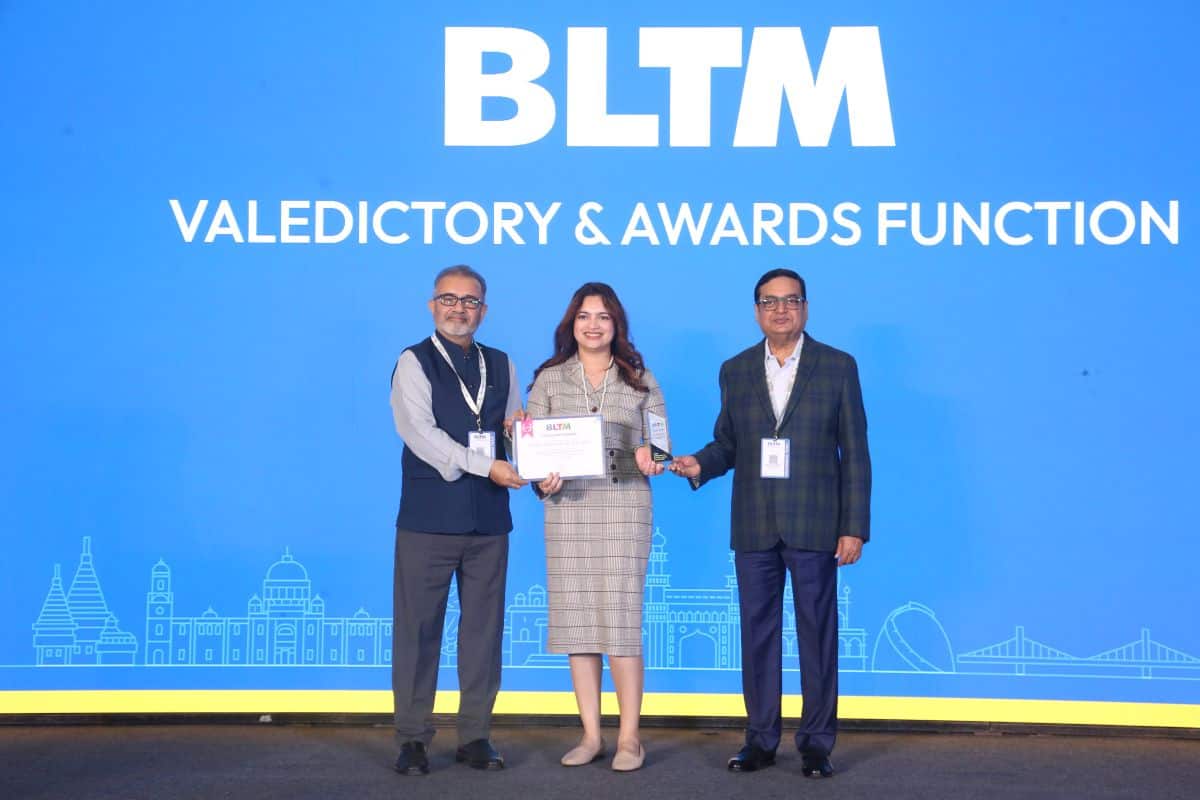
Israel tourism India gained fresh momentum at BLTM 2026, as the Israel Ministry of Tourism recorded more than 200 B2B meetings in New Delhi. The three-day event brought together travel agents, tour operators, MICE planners and buyers from across the Indian market. IMOT also secured the Excellence in International Destination Promotion Award for its destination marketing efforts. Meanwhile, discussions with major Indian tourism bodies pointed towards deeper institutional cooperation. Proposed MOUs with TAAI and OTOAI could strengthen training, marketing and trade engagement. IMOT will now take this momentum beyond Delhi through roadshows, industry roundtables and a nationwide webinar.
Trade Interest Signals A Stronger Market Push
BLTM 2026 has given Israel a sizeable platform to reconnect with India’s travel trade. The event ran from 2 to 4 September at Yashobhoomi, New Delhi.
Advertisement
Advertisement
More than 200 meetings took place at the Israel pavilion during the show. The discussions covered several high-value travel segments, including luxury, leisure, culture, gastronomy, wellness and MICE.
That breadth matters for Indian travel sellers. It indicates that destination promotion is moving beyond conventional sightseeing packages.
Advertisement
Advertisement
Instead, IMOT is presenting Israel as a multi-segment destination. The strategy could help Indian agents develop more specialised itineraries for affluent and experience-led travellers.
Advertisement
Advertisement
The award received at BLTM further strengthens that positioning. IMOT won the Excellence in International Destination Promotion Award, recognising its efforts in the Indian market.
The recognition also gives the ministry an additional platform to reinforce its trade credentials. More importantly, the meetings created opportunities that could extend beyond the trade show floor.
Proposed MOUs Could Reshape Trade Cooperation
IMOT is now pursuing formal cooperation with two prominent Indian travel associations. The ministry held discussions with Sunil Kumar R., President of TAAI, and Vineet Gopal, Executive Committee Member and Head Chapters at OTOAI.
The proposed MOUs could establish a more structured framework for collaboration. They are expected to focus on B2B engagement, destination marketing, training and market awareness.
For travel professionals, such agreements can have practical significance. Regular training can improve destination knowledge among agents and product managers.
Advertisement
Advertisement
At the same time, stronger association partnerships can widen access to travel sellers beyond major metropolitan markets.
This approach also reflects a broader shift in destination marketing. Tourism boards increasingly depend on trade networks to convert awareness into bookable products.
For Israel, the Indian market therefore represents more than passenger volume. It offers opportunities across premium holidays, special-interest travel and business events.
Delhi and Goa Explore Wider Tourism Links
The Israel pavilion also attracted senior government tourism representatives. Suneel Anchipaka, IAS, Managing Director and CEO of DTTDC, visited the pavilion during BLTM.
Discussions explored stronger cooperation between Delhi Tourism and IMOT. The engagement could create opportunities for institutional knowledge-sharing and joint tourism initiatives.
Advertisement
Advertisement
IMOT also met Kedar A Naik, Director, Department of Tourism, Government of Goa. Their discussions examined possible areas of cooperation between the two tourism bodies.
Goa’s involvement is particularly relevant to India’s tourism ecosystem. The state serves as a major leisure destination and an important international travel hub.
Such government-level discussions could eventually support destination awareness and cross-market tourism initiatives. However, no specific joint programme has yet been announced.
The development nevertheless broadens the scope of IMOT’s Indian engagement. It places destination promotion within a wider network of tourism institutions.
Israeli DMC Adds More Product Depth
BLTM 2026 also marked the first participation of Tabar Tours, an Israeli destination management company, alongside IMOT.
Advertisement
Advertisement
Its presence added a commercial layer to the ministry’s destination promotion strategy. Indian travel professionals could engage directly with an Israeli DMC while examining itineraries and experiences.
That interaction can be particularly valuable for agents selling customised holidays. DMC access allows sellers to explore ground arrangements and product options more directly.
It can also help bridge the gap between destination marketing and actual itinerary development.
For Indian buyers, the combination of a tourism board and an on-ground DMC provides a stronger trade proposition. It allows destination inspiration to move closer to operational planning.
This is increasingly important in premium travel. Customers expect flexible itineraries, distinctive experiences and seamless local arrangements.
Advertisement
Advertisement
Roadshows Will Take Israel Beyond Delhi
IMOT’s BLTM participation forms part of a wider trade programme planned for the coming months.
In October, the ministry will stage a three-city roadshow covering New Delhi, Bengaluru and Mumbai. The programme will feature B2B meetings between Israeli tourism stakeholders and Indian travel professionals.
The ministry also plans to expand its trade engagement into additional Indian cities. Hyderabad, Goa and Kochi are among the markets identified for focused B2B sessions and industry roundtables.
A pan-India webinar is scheduled for December. It will focus on destination knowledge, new tourism products and experiences.
The wider programme could prove significant for second-tier and emerging source markets. It gives travel professionals outside the traditional metropolitan circuit greater access to destination training.
Advertisement
Advertisement
The strategy also creates repeated touchpoints instead of relying solely on annual trade exhibitions.
What This Means For Indian Travellers
For travellers, the immediate impact will not necessarily appear as a new policy or travel rule. Instead, the potential impact lies in better-informed travel sellers and broader itinerary choices.
More trained agents could make it easier for customers to compare Israeli experiences across travel categories. These may include cultural journeys, culinary travel, wellness breaks, luxury holidays and MICE programmes.
The development could also benefit travellers seeking tailor-made experiences. Direct interaction between Indian sellers and Israeli suppliers may improve access to specialised local products.
However, travellers should distinguish between tourism promotion and confirmed travel facilitation changes. The announcement does not introduce a new visa regime or a new air-connectivity policy.
Advertisement
Advertisement
For current travel requirements, visitors should rely on official government information before booking.
Why the Indian Market Matters
India has become an increasingly important source market for international destinations. Its expanding premium travel segment has encouraged tourism boards to invest more heavily in trade education and B2B partnerships.
Israel’s latest programme fits that wider industry trend. Rather than depending only on consumer advertising, IMOT is strengthening relationships with the professionals who sell international holidays.
The approach also recognises India’s geographic diversity. A Delhi-based trade strategy alone cannot fully reach India’s expanding outbound market.
Consequently, planned engagement in Bengaluru, Mumbai, Hyderabad, Goa and Kochi could help broaden the destination’s trade footprint.
Advertisement
Advertisement
The focus on MICE is equally notable. Corporate travel and incentive groups can generate higher-value business while extending destination demand beyond traditional leisure seasons.
IMOT Signals Confidence in Indian Trade
Galit Hoffman, Consul-Tourism Affairs for India at the Israel Ministry of Tourism, described the BLTM meetings as highly encouraging.
Speaking after the event in September 2026, Hoffman said, “The quality of the meetings and conversations was exceptional, and we leave the show with new connections, concrete opportunities for collaboration and great momentum.”
She also highlighted India’s importance as a high-potential tourism market. Her comments underline the ministry’s intention to convert trade engagement into sustained partnerships.
The emphasis on concrete collaboration is significant. Tourism boards can generate awareness quickly, but sustained trade relationships often determine whether that awareness translates into bookings.
Advertisement
Advertisement
IMOT’s planned roadshows and training initiatives therefore provide the next test of the strategy.
What the New Programme Could Deliver
| Area | Latest Development | Potential Travel Impact |
|---|---|---|
| Trade engagement | 200+ BLTM meetings | Wider agent and buyer awareness |
| Industry partnerships | Proposed TAAI and OTOAI MOUs | More structured B2B cooperation |
| Destination promotion | International destination award | Stronger market positioning |
| Product development | Tabar Tours joins BLTM | Greater access to Israeli DMC expertise |
| Regional outreach | Delhi, Bengaluru and Mumbai roadshows | Wider trade participation |
| Emerging markets | Hyderabad, Goa and Kochi sessions | Broader national distribution |
| Training | Pan-India webinar planned for December | Better destination knowledge |
What Travellers Should Watch Next
The next phase will show whether Israel tourism India can convert trade momentum into stronger distribution and new travel products.
The October roadshows will provide the first major test. They could reveal which segments generate the strongest interest among Indian travel sellers.
The December webinar should then broaden destination training across the country. Meanwhile, proposed association partnerships could create a more permanent trade framework.
For travellers, the most relevant outcome will be product availability. More trained agents and stronger supplier links could eventually produce richer itineraries.
Advertisement
Advertisement
Nevertheless, travellers should continue checking official government travel guidance before making plans. Conditions, entry requirements and operational arrangements can change independently of tourism promotion campaigns.
Overall, BLTM 2026 signals a determined push by IMOT to deepen India’s role in its international tourism strategy.
Israel tourism India now has a broader trade programme ahead, with partnerships, roadshows and training forming its next stage.
Practical Context For Travel Sellers
| Development | What Travel Professionals Should Consider |
|---|---|
| B2B expansion | Monitor upcoming roadshows and training opportunities |
| Luxury focus | Explore premium and experiential itineraries |
| MICE growth | Assess Israel for incentive and corporate programmes |
| DMC participation | Seek locally operated itinerary solutions |
| Regional outreach | Watch opportunities in emerging Indian source markets |
| Destination training | Use webinars and trade sessions to strengthen product knowledge |
Advertisement
