
United States Alaska Cruise Boom Expands as Seattle Builds the Future of Sustainable Cruise Travel

Published
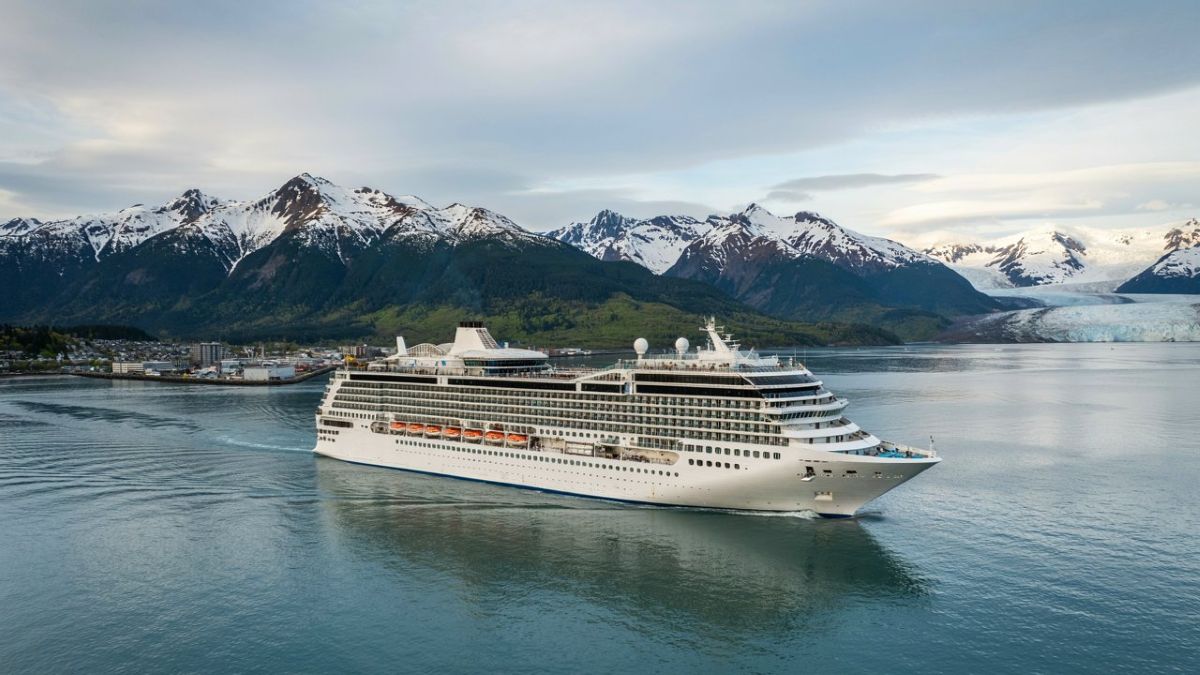
Image generated with Ai
Alaska Cruise Boom in the United States will soon be entering an amazing era as the city of Seattle is building the future of sustainable cruising through smart planning, technology, and better experiences for visitors. With rising demand for cruises around Alaska, the United States is making cruise tourism a reality in its country without compromising on the environment that makes it beautiful. The Alaska Cruise Boom represents the capacity of current ports to expand sustainably. Seattle’s future vision of cruise tourism, on the other hand, represents the innovations and care for the environment in the coming generation of cruises.
Seattle Cruise Expansion Brings More Ships More Travellers and New Tourism Opportunities
Seattle is strengthening its position as North America’s leading gateway for Alaska cruises in 2026. The Port of Seattle expects a major increase in cruise activity, with approximately 330 vessel calls and around 2.1 million revenue passengers during the season.
Advertisement
Advertisement
The 2026 cruise season includes several cruise lines and ships operating from Seattle terminals. The season also introduces new cruise options, expanding the range of experiences available to international travellers.
For travellers, Seattle offers more than just a departure point. Many visitors arrive early or stay after their cruise. This creates opportunities for hotels, restaurants, attractions and local businesses.
Advertisement
Advertisement
A large percentage of cruise passengers arrive by air, while many extend their journey with overnight stays before or after their cruise. This creates a wider tourism impact beyond the cruise terminal.
Cruise tourism supports airports, hotels, restaurants, transport providers and local attractions. The journey does not begin when passengers board the ship. It begins when they arrive at the destination.
Advertisement
Advertisement
Seattle’s cruise expansion also reflects a wider trend in global tourism. Modern travellers are looking for complete experiences. They want to combine city visits with nature, culture and adventure.
The Alaska cruise market offers exactly this combination.
Advertisement
Advertisement
From Seattle, passengers travel towards destinations known for glaciers, forests, wildlife and coastal communities. The route connects urban tourism with wilderness experiences.
However, growth also creates new challenges.
More visitors require better infrastructure. More ships require stronger port facilities. More tourism pressure requires careful planning.
The future success of Alaska cruising will depend not only on passenger numbers but also on how destinations manage this growth.
Advertisement
Advertisement
Juneau Introduces New Cruise Capacity Rules as Alaska Balances Tourism Growth and Local Needs
While Seattle is expanding cruise opportunities, Juneau is focusing on managing visitor pressure. The Alaskan capital has introduced a new approach to cruise capacity planning through an agreement with cruise operators.
The agreement creates limits on scheduled cruise ship capacity. It allows up to 16,000 available lower berths from Sunday to Friday and 12,000 available lower berths on Saturdays during the cruise season.
The purpose is to create a more balanced tourism environment. Juneau wants visitors to enjoy the destination while also supporting residents and local businesses.
This approach represents a major change in cruise tourism thinking.
For many years, destinations focused mainly on attracting more ships and more passengers. Now, some destinations are asking a different question.
How much tourism can a place manage while protecting the quality of life for residents?
Advertisement
Advertisement
Juneau’s decision reflects a growing global discussion about visitor management. Popular destinations worldwide are examining ways to reduce congestion and improve travel experiences.
The city’s tourism research also highlighted concerns about visitor impacts. Some residents reported challenges linked to downtown crowding and traffic congestion. However, opinions were mixed, with many people also recognising the economic benefits connected with tourism.
This shows the complexity of cruise tourism.
Cruise visitors bring spending, employment and business opportunities. At the same time, busy periods can create pressure on transport systems, public spaces and local services.
Juneau’s model provides an important lesson for other cruise destinations. Tourism growth requires planning. More visitors do not automatically mean better tourism.
Successful destinations need balance.
Advertisement
Advertisement
Shore Power Becomes the Next Big Battle as Cruise Ports Move Towards Cleaner Operations
Environmental responsibility has become one of the biggest themes shaping cruise tourism in 2026.
Seattle is investing heavily in shore power technology. This allows cruise ships to connect to electricity while docked instead of running onboard engines.
The change is important because cruise ships require large amounts of energy even when they are not moving. They need electricity for lighting, food services, passenger facilities and climate control.
Shore power allows ports to reduce local emissions and improve air quality around waterfront areas.
The investment also supports a larger maritime sustainability movement.
Cruise destinations are increasingly expected to provide cleaner infrastructure. Travellers are becoming more interested in responsible travel choices. Ports that invest in sustainability may become more attractive partners for future cruise operations.
Advertisement
Advertisement
However, cleaner technology also creates financial challenges.
Building shore power systems requires major investment. Ports need new electrical connections, upgraded facilities and cooperation between governments, utilities and cruise companies.
The transition will not happen overnight.
But 2026 represents an important turning point. Cruise tourism is no longer measured only by the number of ships arriving. It is also measured by how responsibly those ships operate.
Canada Adds Wildlife Protection Measures as Cruise Tourism Protects the Natural Attractions That Drive Demand
The Alaska cruise experience depends heavily on nature. Glaciers, forests and marine wildlife attract millions of travellers.
Because of this, Canada is strengthening measures to protect sensitive marine ecosystems.
Advertisement
Advertisement
British Columbia has introduced measures connected with the protection of Southern Resident killer whales. These initiatives encourage vessels, including cruise ships, to reduce speeds in specific areas during certain periods.
The goal is to reduce underwater noise and support whale conservation.
For cruise tourism, this creates an important connection between visitor demand and environmental protection.
The natural environment is the main reason many travellers choose Alaska and the Pacific Northwest. Protecting these areas is essential for long-term tourism success.
This also shows how modern cruise tourism is changing.
Cruise operators and destinations are no longer looking only at passenger numbers. They are considering biodiversity, climate impact and community relationships.
Advertisement
Advertisement
The future of cruise travel will depend on maintaining the destinations that passengers want to explore.
Victoria Shows the Difficult Reality Behind Building Cleaner Cruise Infrastructure
While Seattle continues expanding shore power, other ports face financial and technical challenges.
Victoria in British Columbia highlights the complexity of creating cleaner cruise facilities.
Developing shore power infrastructure requires significant investment and technical planning. The project involves major electricity upgrades and complex connections between the port and wider energy systems.
This demonstrates that sustainability is not only a technology challenge. It is also a funding challenge.
Every port has different conditions. Some have existing infrastructure. Others require major upgrades.
Advertisement
Advertisement
The cruise industry’s environmental transition will depend on cooperation between ports, governments, energy providers and cruise companies.
The experience of Victoria shows that cleaner tourism requires long-term planning.
Alaska Cruise Tourism’s Next Chapter Will Depend on Balance Between Growth Experience and Sustainability
The 2026 cruise season in Alaska is driving a change in the USA Alaska Cruise Boom with destinations taking steps towards creating a more intelligent future for the travel industry. Seattle is increasing its options for cruises by working towards the creation of a sustainable future for cruise travel through innovations in technology and good planning. At the same time, Alaska is safeguarding its natural beauty, while communities are striking a balance between growing their economies and meeting their needs. Thus, the United States has demonstrated that the Alaska Cruise Boom can create economic opportunities without harming the environment. Hence, the future of cruise tourism will be defined by sustainable journeys.
Advertisement
