
Yucatán and Quintana Roo Put Maya Communities at the Heart of Sustainable Tourism

Published
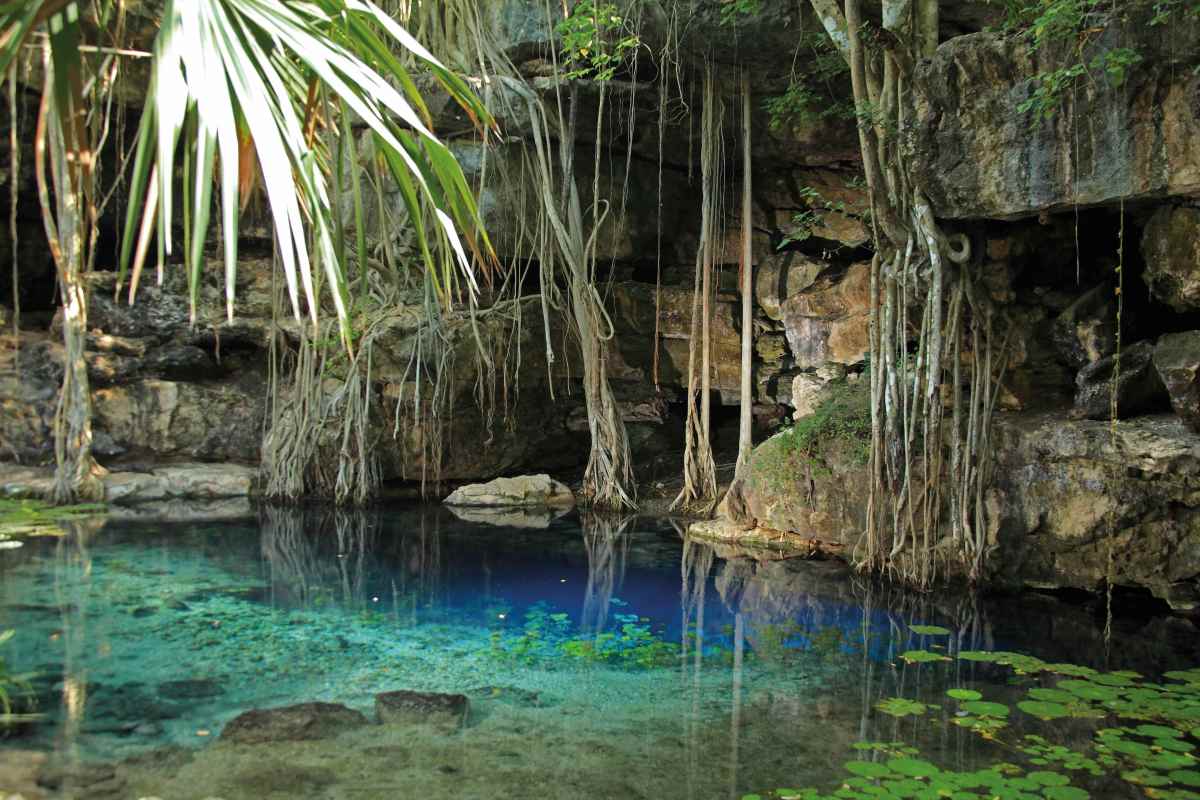
The communities of Maya people are becoming central to a community-based tourism program in Yucatán and Quintana Roo, in an attempt to develop means of protecting forests, cenotes, and cultural heritage, as well as making sure that the revenue from tourism goes to the local population. There is no information, however, of a new agreement with binding terms on the transfer of over 40 cenotes and sacred jungle reserves under the administration of the Maya cooperatives, as well as the imposition of a single regional agreement on the limits of daily visitation of cenotes, a total ban on chemical sunscreens and 100% retention of fees by locals. It is known for certain. In 2026, Mexico officially recognised community tourism as a matter of public interest, whereas Yucatán and Quintana Roo were developing their own tourism programs.
Maya Ka’an Becomes Mexico’s First Community Tourism Destination
In March 2026, Mexico’s federal tourism authorities announced Maya Ka’an in Quintana Roo as the country’s first designated Destino de Turismo Comunitario under a new national strategy.
Advertisement
Advertisement
The programme gives formal recognition to tourism destinations where most tourism goods and services are provided by cooperatives or community-based businesses. The federal government also announced plans for annual investment in infrastructure and equipment for these destinations.
Maya Ka’an covers an important part of southern Quintana Roo and is already associated with community-based experiences involving the region’s forests, wetlands, wildlife and coastal ecosystems.
Advertisement
Advertisement
The initiative is particularly relevant to travellers seeking experiences beyond the heavily developed resort areas around Cancún and the Riviera Maya.
Advertisement
Advertisement
Yucatán Builds the Camino del Mayab
Yucatán has developed its own community tourism destination through Camino del Mayab.
In April 2026, the state government and Fonatur signed an agreement to consolidate the route, with plans covering tourism planning, infrastructure, equipment, maintenance and promotion. The route connects communities including Mérida, Tecoh, Abalá, Sacalum and Umán.
The programme is intended to increase the role of communities in tourism decisions while ensuring that more of the economic benefits generated by visitors reach local residents.
Advertisement
Advertisement
For travellers, Camino del Mayab offers a different way to explore Yucatán, combining cultural heritage with community experiences rather than concentrating tourism exclusively around major archaeological sites and established resort centres.
Community Tourism Is Expanding Across Yucatán
The scale of Yucatán’s community tourism network is becoming clearer.
Advertisement
Advertisement
In August 2026, the state’s tourism authority reported that 128 groups were developing community tourism experiences across the state. These include cooperatives, ejidos and other community organisations offering activities connected with local identity and cultural heritage.
The experiences range from cenote and cave visits to hiking, traditional cuisine, handicrafts, melipona-bee activities, traditional medicine and Maya agricultural practices.
The state had also processed 61 federal Community Tourism Distinctions, with another 30 applications under review, according to the August announcement.
That creates a much broader tourism ecosystem than a single destination or reserve.
Cenotes Remain a Conservation Priority
Cenotes are among Yucatán’s most distinctive natural attractions, but they are also environmentally sensitive.
Advertisement
Advertisement
The Yucatán government has previously operated a comprehensive cenote sanitation and management programme focused on protecting water quality and biodiversity. The initiative identified pollution from human settlements and productive activities as a threat to cenote ecosystems and explored payment mechanisms for environmental services.
The importance of these underground and surface-connected water systems extends beyond tourism.
Cenotes form part of the peninsula’s freshwater environment and support endemic flora and fauna. Their protection therefore has implications for both visitors and communities that depend on the region’s natural resources.
Quintana Roo Links Tourism With Forest Protection
Quintana Roo is pursuing a parallel approach.
In March 2026, the state government signed a cooperation agreement with federal agricultural and environmental authorities aimed at protecting the Maya forest and strengthening action against illegal clearing and vegetation removal.
Advertisement
Advertisement
The agreement specifically highlighted the importance of protecting agrarian communities and their territories, which account for 84.3% of the state’s surface area according to the state government.
This relationship between agrarian communities and environmental protection is important for understanding the region’s tourism model.
Many community-based tourism projects operate within landscapes where forests, agricultural land, wildlife habitats and tourism attractions overlap.
Sustainable Tourism Moves Beyond the Resort Coast
Quintana Roo remains one of Mexico’s most internationally recognised tourism destinations, with Cancún, Playa del Carmen, Tulum and other Caribbean locations attracting millions of visitors.
But the state’s sustainable tourism agenda is increasingly looking beyond the conventional coastal resort economy.
Advertisement
Advertisement
In June 2026, federal and state environmental authorities established participatory working groups in Mahahual to develop a sustainable tourism vision involving government, local residents and other sectors. The initiative was designed to address development pressures while protecting environmental resources and generating benefits for the local population.
The approach illustrates how local participation is becoming part of tourism planning in areas facing rapid development.
The Maya Forest Is Also Receiving Greater Protection
Yucatán’s conservation strategy extends well beyond tourism attractions.
In September 2026, the state proposed incorporating the Reserva Estatal Biocultural del Puuc into the Gran Selva Maya Biocultural Corridor. The proposal would strengthen protection across more than 135,000 hectares considered important for water security, biodiversity and cultural heritage.
The move connects environmental conservation with the Maya cultural landscape rather than treating natural and cultural heritage as separate categories.
Advertisement
Advertisement
For tourism, this creates opportunities for carefully managed hiking, cultural routes, nature experiences and community-led activities while maintaining the ecological value of the landscape.
A More Local Tourism Economy
One of the most important elements of Mexico’s new community tourism strategy is economic participation.
The federal government says its community tourism destinations are designed around cooperatives and community-based enterprises, while Yucatán’s Camino del Mayab agreement specifically aims to ensure that tourism benefits reach local communities.
This does not mean every tourism fee automatically remains with an ejido or cooperative. Revenue arrangements vary between individual destinations and projects.
Instead, the emerging model seeks to give communities greater control, participation and access to the economic opportunities created by visitors.
What Travellers Can Expect
From the perspective of tourists, this implies that there will be more chances to get acquainted with Yucatán and Quintana Roo on the basis of local tourism packages. For example, tourists who stay in Mérida can take advantage of the community routes and cenotes outside of the historical centre of this town. Visitors staying around the Riviera Maya can pay attention to the southern part of Quintana Roo and Maya Ka’an, where forest experiences and connection with local communities can be expected. However, tourists need to take into account the restrictions of each tourist attraction because they differ in terms of access, conservation needs, fees, and other issues. Despite the fact that the mentioned “Maya Biosphere Management Compact” cannot be verified at the moment, the policy direction is evident: Mexico is paying more attention to community tourism in general, while Yucatán and Quintana Roo are linking their tourism development with the environment and local economy.
Advertisement
