
Zambia Positions Itself as a Key Logistics Hub in Southern Africa with Transport Upgrades Driving Tourism Growth

Published
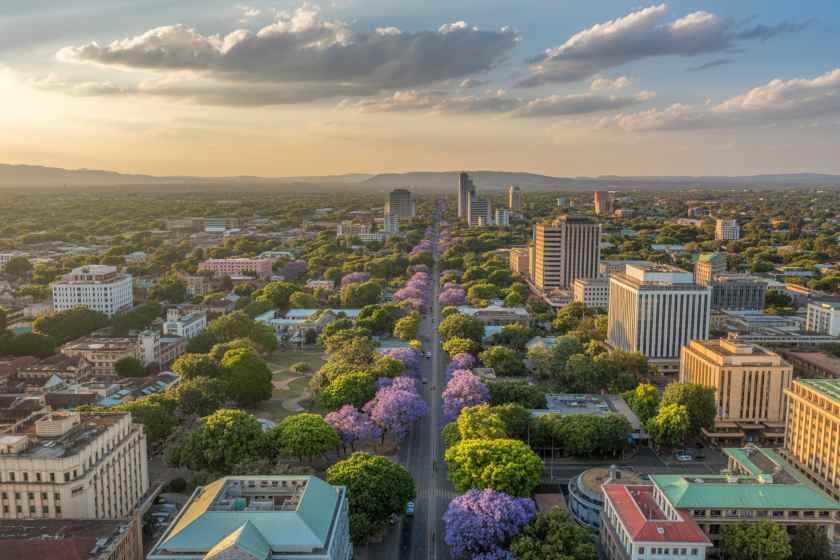 Image generated with Ai
Zambia’s growing investment in transport infrastructure is positioning the landlocked country as a central hub for both trade and tourism in Southern Africa. With key developments in road and rail systems, Zambia is enhancing its connectivity not only within the region but also to international destinations, making it an increasingly accessible and attractive location for tourists and business travelers.
The country’s strategic location, linking major trade routes that connect to ports in Mozambique, Tanzania, Namibia, and Angola, has long made it a critical transit point for goods moving between central Africa and the rest of the world. Now, with several ongoing and planned infrastructure projects, Zambia is also poised to become a key player in regional tourism. These upgrades aim to boost both the logistics sector and the tourist experience, benefiting visitors and tourism professionals alike.
Advertisement
Advertisement
Major Infrastructure Projects and Their Impact on Travel
One of the most significant improvements to Zambia’s transport network is the rehabilitation of the Chinsali to Nakonde road, a major corridor that stretches about 210 kilometers along the Great North Road. This road connects Zambia to Tanzania, facilitating easier access to East African markets and improving the overland travel experience for tourists heading to and from Tanzania or Kenya. The upgrades to this busy regional route will result in shorter transit times, enhancing efficiency for logistics operators and making it a more attractive option for tourists looking to travel between Zambia and other East African destinations.
Advertisement
Advertisement
For tourism, better road infrastructure means safer, faster, and more comfortable overland journeys through Zambia, benefiting visitors exploring destinations like South Luangwa National Park, Lower Zambezi National Park, and Victoria Falls. These improvements will reduce vehicle operating costs and accident risks, helping local businesses and tourists alike by offering a more seamless travel experience across the country.
Another critical development is the revitalisation of Zambia Railways, with a $20 million partnership aimed at rehabilitating six locomotives. This investment addresses capacity constraints on the rail network, particularly for the transportation of bulk cargo, and strengthens Zambia’s position as a logistical corridor for the broader Southern African region. Improved rail services could help reduce road congestion and wear and tear on highways, which in turn helps lower logistics costs, benefiting both businesses and tourists.
Advertisement
Advertisement
Benefits for Zambia’s Tourism Sector
The improvements to Zambia’s transport infrastructure come at an important time for the tourism industry. Zambia is known for its wildlife tourism, including safaris in South Luangwa and Lower Zambezi National Parks, which are considered some of the best wildlife experiences in Africa. The easier access provided by improved roads and rail links means that more tourists can visit these famous parks, as well as other attractions like the Livingstone Museum and Victoria Falls, which is shared with Zimbabwe.
The new and improved transport options also offer opportunities for multi-destination itineraries. As Zambia becomes better connected with neighbouring countries, tourists traveling to Southern Africa can plan itineraries that include not only Zambia but also Tanzania, Botswana, and South Africa. These developments increase Zambia’s role as a gateway to the wider region, benefiting tourism operators who can offer cross-border travel packages.
A Growing Regional Hub for Business and Leisure Travelers
Zambia’s enhanced logistics infrastructure not only improves tourism but also supports business travel within the region. Improved transport routes mean that business professionals can travel more easily between Zambia and its neighbouring countries, boosting the country’s role as a regional business hub. This is particularly important as Zambia seeks to diversify its economy beyond its mining industry and attract investment in other sectors, including agriculture, manufacturing, and tourism.
The Role of Regional Cooperation in Strengthening Connectivity
Advertisement
Advertisement
As Zambia’s infrastructure improves, it also plays a crucial role in regional integration. The country is increasingly seen as a link between central and southern Africa, facilitating the movement of goods and people. By investing in cross-border transport connectivity, Zambia is contributing to the broader goal of enhancing intra-African travel and trade, aligning with continental initiatives like the African Continental Free Trade Area (AfCFTA).
The country’s improving infrastructure is also supporting regional tourism growth, making it easier for tourists to travel between Zambia, South Africa, Tanzania, and Kenya. These enhanced transport networks are expected to increase tourism arrivals in Zambia, especially from neighboring countries, which are key source markets for Zambia’s tourism sector.
Looking Ahead: Continued Investment in Tourism and Infrastructure
The improvements in Zambia’s transportation infrastructure are part of a larger effort to develop a more resilient tourism economy. The country’s growing popularity as a tourism destination can be attributed not only to its natural beauty and wildlife but also to its increasing accessibility. As the country continues to develop its tourism infrastructure, including airports, railways, and roads, it is positioning itself as a must-visit destination in Southern Africa.
Conclusion: A New Era for Tourism and Travel in Zambia
The ongoing upgrades to Zambia’s transport infrastructure mark a turning point for the country’s tourism sector. With improved road and rail networks, Zambia is now more accessible than ever, offering seamless travel for tourists seeking to explore its breathtaking national parks and cultural attractions. These developments are expected to drive both tourism and business growth, further establishing Zambia as a critical hub in Southern Africa.
As regional travel continues to grow, the country is well-positioned to capitalize on its strategic location and improving infrastructure, making it an exciting destination for tourists from across the globe.
Advertisement
