

Transylvania Travel Adventures, Brașov And Viscri Unveiled Through Deep Ancient Folklore, Secret Legends, And A Massive Tourism Boom, Here’s The Update

Published
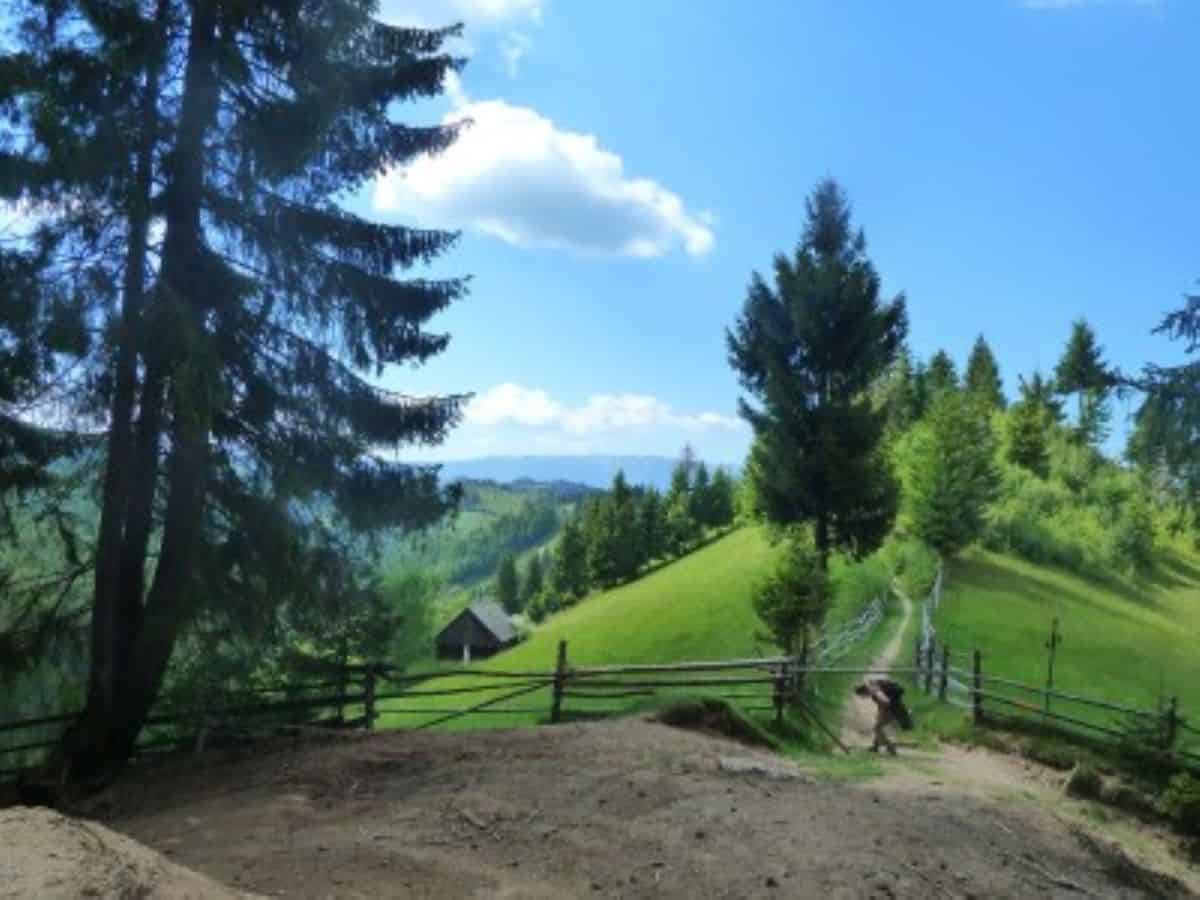
There is a magical feeling that stays with the ancient hills of Transylvania long before you ever see a broken tower or a foggy pine forest. Walk away, from the trails and you can almost sense the sound of many years ago moving through the cold mountain air. Leave behind the teeth and the movie ghost tales, the real spirit of this wild place is found in the smoke rising from a shepherds fire, the strong stone of old castles and the deep respect that grows inside you. Visit because of the stories stay because of the special mystery and let Transylvania take your heart completely.
Exploring the Breathtaking Physical Terrain, Misty Alpine Peaks, and Subterranean Wonders of the Carpathian Wilderness
The breathtaking physical terrain of Transylvania sets a profoundly atmospheric stage for international visitors seeking raw wilderness. Observers frequently report that the Carpathians are draped in heavy morning mist, while ancient pine forests whisper timeless tales across rolling hills. When arriving in Brașov, explorers encounter a destination that feels entirely lifted from a medieval storybook. Instead of rushing toward Bran Castle, seasoned travelers prefer heading toward Poiana Brașov, functioning as a premier ski resort during winter and a rugged hiker’s haven throughout summer. Furthermore, local guides frequently recommend taking a memorable detour toward Seven Ladders Canyon (Canionul Șapte Scări), which serves as an incredible natural obstacle course filled with secure steel ladders and hidden cascading waterfalls. This dramatic geography deeply impacts the global outdoor adventure sector, inspiring travelers worldwide to seek active, nature-based itineraries over traditional sightseeing.
Additionally, this striking natural environment extends underground into engineering marvels that captivate global tourists. Observers note that visiting the famous Turda Salt Mine reveals an unexpected architectural and natural wonder hidden far beneath the surface. Specifically, a secret elevator shaft transports visitors directly into a silent subterranean lake, where they can paddle small boats in near darkness beneath a glowing salt dome. Such surreal underground attractions fundamentally alter global tourism trends, proving that modern travelers increasingly crave multi-dimensional experiences that blend subterranean exploration with above-ground alpine adventures. Ultimately, these diverse landscapes redefine how international adventurers evaluate Eastern European natural destinations, boosting local hospitality economies sustainably.
Advertisement
Advertisement
Uncovering Alternative Historical Fortifications, Regal Chateaus, and Lesser-Known Castles Beyond Crowded Commercial Routes
While traditional landmarks draw immense international crowds, cultural analysts note that the true historical treasures of Transylvania lie elsewhere. Observers frequently point out that Rupea Fortress is perched dramatically on an elevated hill, offering a structure significantly older than Bran while providing panoramic vistas completely free of heavy congestion. Similarly, travelers exploring Bethlen-Haller Castle in Cetatea de Baltă discover a striking Neo-Renaissance chateau that, although privately owned, allows visitors to stay within its sprawling vineyard estate and taste local wines whispering of deep aristocratic intrigue. Meanwhile, reaching Deva Fortress via funicular or foot reveals a mostly ruined site that still radiates a hauntingly beautiful historical energy alongside sweeping regional views. These alternative historic landmarks heavily influence global cultural tourism, encouraging travelers to diversify their itineraries and distribute economic benefits more evenly across lesser-known local communities.
Advertisement
Advertisement
Furthermore, the architectural preservation of these lesser-known fortifications transforms heritage tourism on a global scale. International tourism boards observe that modern visitors seek educational authenticity rather than manufactured commercial spectacles. By highlighting these historically rich alternative sites, regional tourism advocates successfully promote sustainable cultural preservation. Consequently, global travelers gain a richer, more accurate understanding of medieval European history, fostering a profound appreciation for architectural conservation that extends far beyond the borders of Romania.
Investigating the Enigmatic Realms of Dark Folklore, Supernatural Legends, Witchcraft, and Ancient Rock-Carved Stone Monasteries
Beyond standard historical sightseeing, cultural experts emphasize that genuine mystery thrives within the secluded pockets of Transylvania. Observers frequently discuss the notorious Hoia Baciu Forest, situated just outside Cluj-Napoca, which local residents famously describe as Romania’s Bermuda Triangle. Travelers walking these twisted foggy trails often encounter eerie reports of mysterious lights, strange atmospheric sounds, and inexplicable temporal distortions. Concurrently, experts highlight the Sinca Veche Monastery, widely known as The Temple of the Chosen Ones, which features an underground chapel carved directly into solid rock within a secluded forest clearing. Local lore suggests this sacred site emits profound healing energy and dates back to ancient Dacian origins. These supernatural narratives profoundly impact the global paranormal and wellness tourism sectors, attracting curious international researchers and alternative-culture enthusiasts worldwide.
Moreover, the global fascination with regional folklore encourages a deeper respect for indigenous mythologies among international visitors. Rather than chasing Hollywood fiction, global travelers increasingly value authentic, community-rooted storytelling that connects them directly to ancestral traditions. This cultural exchange elevates local guide services and preserves intangible heritage, ensuring that age-old legends survive for future generations of global explorers. Ultimately, these mystical sites prove that mystery and history remain deeply intertwined within the soul of the region.
Preserving the Ingenious Saxon Heritage, Architectural Masterpieces, and Enduring Rural Village Traditions Across Remote Communities
The architectural legacy of Transylvania is profoundly defined by the remarkable ingenuity of its historical Saxon settlers. Analysts note that while many visitors flock directly to Biertan, experienced travelers head toward Câlnic or Prejmer to experience uncrowded, well-preserved fortified churches. Furthermore, staying at Viscri offers international guests an authentic rural experience within guesthouses operated by families who have lived there for generations. During chilly evenings by candlelight, local residents often share captivating tales of hidden underground tunnels beneath the church that were historically utilized to escape Ottoman raiders. Additionally, local experts frequently advise inquiring about the mysterious bat cave located beneath Rimetea, a striking village featuring white houses gleaming against the limestone Piatra Secuiului peak, though visitors are strongly cautioned to secure a local guide due to challenging terrain. These immersive heritage experiences heavily influence the global slow-travel movement, inspiring tourists worldwide to prioritize community-based lodging and authentic cultural preservation.
Advertisement
Advertisement
Additionally, this deep-rooted preservation of rural traditions fosters sustainable economic models for remote European villages. Global travelers increasingly favor community-led tourism that directly supports local artisans, traditional builders, and multi-generational households. Consequently, the preservation of these medieval Saxon villages serves as a global benchmark for balancing heritage conservation with respectful international tourism, ensuring that rural communities thrive economically while maintaining their distinctive cultural identity.
Savoring the Soulful Flavors of Traditional Culinary Artistry, Pastoral Recipes, and Authentic Regional Gastronomy
Gastronomic exploration forms a vital pillar of the authentic experience discovered throughout Transylvania. Culinary experts note that regional menus avoid mass-market commercialization in favor of soulful, ancient recipes deeply tied to pastoral life. Observers frequently recommend seeking out traditional dishes such as Bulz ciobănesc, which consists of a hearty shepherd’s meal featuring grilled polenta stuffed generously with smoked cheese and bacon. Additionally, travelers often enjoy Jumări, consisting of crispy pork cracklings that pair perfectly with homemade horincă, a potent fruit brandy. For those visiting mountain streams, roadside family-run cabins such as Cabana Plaiul Foii serve freshly grilled păstrăv la grătar. These distinct culinary traditions significantly impact global culinary tourism, encouraging international food enthusiasts to explore authentic Eastern European gastronomy and support local agricultural producers.
Furthermore, this rich culinary heritage enhances the overall appeal of regional travel by engaging all five senses of the international visitor. Culinary tourists returning from these remote mountain cabins share their experiences globally, elevating lesser-known regional ingredients onto the international food stage. Ultimately, these time-honored recipes provide a delicious, tangible connection to the land, ensuring that the cultural identity of the region remains vibrant, flavorful, and deeply resonant with global travelers.
Analyzing the Macro-Economic Impact and International Visitor Growth Trajectories Across Transylvanian Travel Sectors
Romania has witnessed a remarkable influx of global tourism, welcoming over 15,200,000 international visitors recently. Cultural hubs like Brașov alone experience an annual surge of approximately 1,900,000 tourists, reflecting a stable 4.0% year-over-year growth rate. Furthermore, cultural centers such as Cluj-Napoca pull upwards of 1,000,000 annual guests eager to explore local heritage. This steady stream of travelers contributes significantly to the regional gross domestic product, driving a massive shift toward sustainable regional development and decentralized hospitality infrastructure located far outside major metropolitan capitals.
Advertisement
Advertisement
Observers note that this economic momentum heavily influences local employment and community-led investments. Small business owners, local artisans, and family-run hospitality ventures benefit directly from decentralized tourist traffic. Consequently, regional authorities continue to prioritize infrastructure upgrades that support long-term economic resilience, ensuring that local communities thrive alongside expanding global tourism markets.
Evaluating the Historical Preservation Metrics and UNESCO World Heritage Density of Saxon Fortified Churches
Out of more than 150 well-preserved historical fortified churches constructed by Saxon settlers across Transylvania, exactly 7 specific villages have earned official UNESCO World Heritage Site status. Prominent among these are Biertan, Câlnic, Prejmer, and Viscri. Conservation data highlights that these remarkable structures date primarily from the 13th to the 16th centuries, maintaining over 80% of their original medieval defensive masonry, timber framing, and multi-layered gate towers. These figures serve as a global benchmark for architectural heritage preservation and rural conservation.
Moreover, international heritage conservationists frequently study these regional preservation models to understand how medieval structures can be maintained sustainably. The careful balance between structural protection and respectful public access ensures that architectural integrity remains uncompromised. This dedication to historical authenticity continues to draw academic researchers and architecture enthusiasts from across the globe.
Investigating the Therapeutic Environmental Metrics and Deep Subterranean Tourism Demographics at Salina Turda
Situated 120 meters underground, the Turda Salt Mine (Salina Turda) attracts over 600,000 annual visitors. This subterranean attraction maintains a constant year-round internal temperature of 10°C to 12°C alongside a relative humidity level hovering between 75% and 80%. The complete absence of common allergens and airborne pollutants creates a unique subterranean microclimate that draws thousands of international wellness and respiratory-health tourists annually, successfully transforming deep-earth industrial heritage into a premier medical-tourism attraction.
Advertisement
Advertisement
Additionally, this specialized environment offers modern visitors an extraordinary blend of historical engineering and natural therapy. The striking contrast between underground salt domes and contemporary recreational facilities redefines what travelers expect from subterranean destinations. Ultimately, these unique environmental metrics highlight the growing viability of health-focused tourism in Eastern Europe.
Assessing the Ecological Footprint, Apex Predator Densities, and Wilderness Protection Metrics in the Carpathian Mountains
The expansive forests wrapping around Transylvania form an essential part of Europe’s largest contiguous wilderness block, supporting an estimated population of over 6,000 brown bears, 3,000 wolves, and 1,500 lynx. Ecological studies demonstrate that sustainable wildlife-watching and low-impact eco-tourism generate over €15,000,000 annually for rural Carpathian communities. This revenue successfully incentivizes local landowners and regional authorities to protect old-growth timber stands rather than clearing them for commercial logging.
Furthermore, these conservation metrics highlight the economic viability of protecting natural habitats over industrial exploitation. Responsible eco-tourism initiatives educate international visitors on wildlife safety and ecological balance. As a result, the region establishes a commendable framework for preserving vital apex predator populations while fostering sustainable local livelihoods.
Exploring the Paranormal Tourism Economy, Visitor Demographics, and Psychological Impact Metrics of Hoia Baciu Forest
Situated just outside Cluj-Napoca, Hoia Baciu Forest frequently dubbed Romania’s Bermuda Triangle experiences an estimated 25,000 specialized paranormal and dark-tourism visitors every year. Consumer analytics indicate that alternative-culture travel to this specific zone has expanded by 14% annually. International researchers frequently utilize electromagnetic field meters to document localized geomagnetic anomalies within the forest, drawing curious global travelers seeking out-of-the-ordinary psychological and sensory experiences.
Advertisement
Advertisement
Concurrently, this growing niche sector supports specialized local guide services and educational tourism. Visitors are encouraged to engage with local legends respectfully while examining scientific data regarding the forest’s reported anomalies. This blend of mystery and empirical study elevates the cultural intrigue surrounding the region’s darker folklore.
Analyzing the Rise of Indigenous Gastronomy, Pastoral Food Economics, and Farm-to-Table Metrics in Mountain Villages
Traditional culinary tourism centered around regional staples like Bulz ciobănesc, crispy Jumări, and artisanal horincă fruit brandies—frequently distilled to strengths exceeding 50% ABV accounts for nearly 22% of total tourist daily expenditures in rural Transylvania. Furthermore, farm-to-table cooperative models connecting local shepherds and family-run cabins, such as Cabana Plaiul Foii, to boutique guesthouses have boosted local smallholder revenues by over 30% over the past five years.
This thriving culinary economy ensures that ancient pastoral recipes remain an active part of daily life. Food enthusiasts traveling through the region directly support agricultural producers and traditional cooks. Consequently, regional gastronomy serves as a delicious, sustainable bridge connecting international visitors with authentic local traditions.
Tracking the Integration of High-Speed Fiber Networks, Remote Work Hubs, and Long-Stay Travel Metrics in Historic Cities
Driven by Romania’s national broadband ranking—consistently placing within the top global tier for average fixed internet download speeds exceeding 200 Mbps—historic hubs like Brașov and Cluj-Napoca have seen a 45% increase in long-term digital nomad stays exceeding 30 days. This demographic shift has catalyzed the conversion of heritage properties into modern co-working spaces, effectively extending traditional tourism seasons deep into shoulder and winter months.
Advertisement
Advertisement
Additionally, this influx of remote professionals contributes positively to the year-round stability of local service economies. Unlike short-term vacationers, digital nomads engage deeply with neighborhood life, supporting local cafes, markets, and cultural events. This trend demonstrates how digital infrastructure can revitalize historical urban centers sustainably.
Measuring the Geographical Redistribution of International Travelers Away from Congested Landmarks to Remote Strongholds
Strategic regional tourism initiatives aimed at combating overcrowding at Bran Castle—which accounts for over 1,500,000 visitors—have successfully redirected 18% of independent travelers toward alternative sites. These include Rupea Fortress, Bethlen-Haller Castle in Cetatea de Baltă, and Deva Fortress. This strategic dispersal has reduced peak-season congestion bottlenecks by 25%, ensuring a more sustainable economic balance across lesser-known rural districts.
Ultimately, this measured redistribution of visitors protects delicate historical structures from excessive wear and tear. By encouraging travelers to explore lesser-known fortresses and villages, regional planners ensure a balanced, sustainable future for tourism across the entire landscape.
The Final Verdict
When you finally leave these valleys that are covered in mist behind Transylvania doesn’t just become a memory; it stays in the parts of your mind. It stays with you in the smell of woodsmoke that lingers, in the shape of a tower that has been forgotten against the sky at twilight and, in the feeling of people who tell their old stories by candlelight. You came looking for legends and stories that are dark and mysterious but you leave with something much more special—a real part of a soul that never changes and that quietly changes yours.
Advertisement
