

Malaysia Steps Up Its Tourism Campaign as Indian Holidaymakers Await a Key Visa Decision

Updated
Published
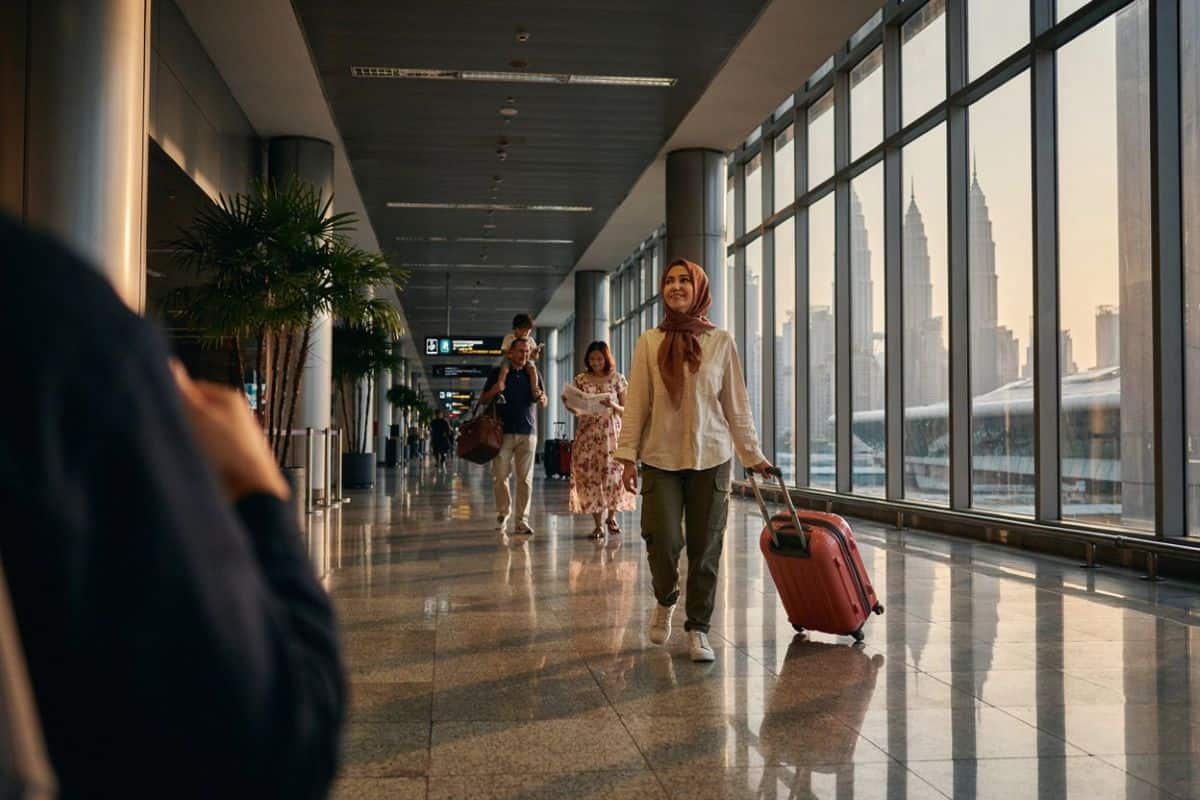
The visa waiver policy in Malaysia poses an important question as the tourism drive approaches 2027 – will Indians be able to enter Malaysia without visas at that time? The policy waiver expires on 31 December 2026 but Malaysia will keep campaigning for their places even after the expiration of the waiver period. It is important to note that travelers book their vacations far in advance and make plans according to that. Nonetheless, plans of the campaign drive do not necessarily result in any changes in the immigration policies of the country.
Malaysia’s Tourism Campaign and Visa Policy Follow Different Timelines
Malaysia is looking beyond a single tourism year. Tourism Malaysia says its campaign runs through 2027, giving the country more time to promote its cities, islands, food and cultural attractions. The campaign aims to reach travellers through events, travel trade partnerships and airline links.
Advertisement
Advertisement
But the current published visa-exemption date for Indian citizens is 31 December 2026. The extension of a tourism campaign does not automatically extend an immigration policy. These are separate decisions made for different purposes.
This difference creates a timely question. Travellers often plan holidays months ahead. Airlines, tour operators and hotels also need time to build packages and set schedules. If Malaysia wants Indian visitors to book trips for 2027, clear information about future entry rules could help them plan with greater confidence.
Advertisement
Advertisement
The evidence does not show that Malaysia has decided to end the waiver. It shows that the current published exemption has a deadline, while tourism promotion continues beyond it. That is the key point: Malaysia’s tourism plans stretch further than the visa date currently published for Indian travellers.
Indian Visitors Can Stay Visa-Free for Up to 30 Days
Indian passport holders can currently visit Malaysia without a visa for stays of up to 30 days. The published exemption covers tourism, business, social visits and transit. Its current end date is 31 December 2026. Travellers still need to meet entry requirements and pass immigration checks.
Advertisement
Advertisement
Visa-free travel does not mean that visitors can ignore their documents. Indian travellers should carry a passport valid for at least six months, confirmed return flight tickets and confirmed hotel bookings. They must also submit the Malaysia Digital Arrival Card, or MDAC, before arrival.
The online card asks for personal details and travel information, including the visitor’s accommodation in Malaysia. The official form says the trip must fall within three days of submission, including the day the traveller submits it. Visitors should use the official Immigration Department form and check the latest instructions before travelling.
For holidaymakers, these details matter. Visa-free entry removes the need to apply for a short-stay visa, but it does not guarantee admission at the border. Immigration officers can still check a traveller’s documents and purpose of visit. Clear advice helps visitors prepare and lowers the risk of confusion before departure.
China’s Visa-Free Agreement Has Different Rules
Malaysia’s arrangement with China follows a different path. A mutual visa-exemption agreement between the two countries took effect on 17 July 2025. Eligible Chinese citizens can visit Malaysia without a visa for up to 30 days per visit. Their total stay cannot exceed 90 days within any 180-day period.
The agreement covers tourism, family visits, business, cultural exchange, personal matters, medical treatment and international transit. It has an initial five-year term. It will renew automatically for another five years unless either country decides otherwise through diplomatic channels. Visitors who want to work, study or stay longer need the proper visa or approval.
This policy differs from the current Indian exemption. The China arrangement is a bilateral agreement with a stated initial term and an automatic-renewal clause. The Indian waiver, according to the official guidance reviewed, has a specific published end date in 2026.
Advertisement
Advertisement
The distinction matters because “visa-free” does not describe one single type of policy. Different visitors may face different stay limits, permitted activities and renewal rules. A clear article should explain each arrangement separately instead of suggesting that every visa-free traveller receives identical treatment.
India and China Remain Important Visitor Markets
Malaysia welcomed 738,709 visitors from India between January and June 2026. Indian travellers could reach Malaysia through 176 weekly direct flights from more than ten Indian cities, with 33,412 seats each week in July.
China was another major market. Malaysia recorded about 2.6 million arrivals from China in the first half of 2026, up 17.6 per cent from the same period in 2025. The country also had about 771 weekly flights from China to Malaysia, according to a tourism update in August.
These figures show why both markets deserve attention. They also show why dates matter. The Indian and Chinese totals cover the first six months of 2026. The Indian flight figure describes July capacity. These measures cannot be combined into a single full-year result.
Malaysia recorded 21.2 million international visitor arrivals in the first half of 2026. That represented growth of 2.5 per cent against the same period in 2025. This provides useful national context, but it does not show how many additional trips resulted directly from a particular visa policy.
Arrival Totals Do Not Tell the Whole Tourism Story
A large visitor total can sound impressive. But it does not always mean that every visitor stayed overnight. Malaysia’s 2025 tourism figures separate overnight tourists from same-day visitors. The country recorded 42.2 million international visitors that year, including about 26.6 million overnight tourists and 15.6 million same-day visitors.
Advertisement
Advertisement
This distinction matters because the two groups can have different effects on hotels, restaurants and attractions. An overnight visitor may pay for accommodation and spend several days in one or more destinations. A same-day visitor may cross a land border, shop or visit an attraction before leaving the country.
The figures also show how much regional movement shapes Malaysia’s visitor count. Visitors from Singapore accounted for about half of international arrivals in 2025. Many were same-day visitors. China, Indonesia and Thailand were also among the largest source markets.
This makes overnight stays a useful measure for an article about tourism growth. It can show whether easier access supports longer holidays, rather than simply more border crossings. However, the figures do not prove that a visa exemption causes longer stays. The article should present that as a question for further reporting, not as a settled result.
Spending Gives a Clearer Picture of Tourism’s Value
Malaysia’s tourism economy offers another way to judge growth. Inbound tourism expenditure reached RM124.8 billion in 2025. Overnight tourists generated 95.6 per cent of that spending, while same-day visitors accounted for 4.4 per cent.
The figures show why Malaysia may want to attract visitors who stay longer. An overnight holiday can bring spending to hotels, food businesses, transport providers, shops and local attractions. A visitor who travels beyond one city may also spread that spending across more places.
The tourism industry generated RM323 billion in value added in 2025, equal to 15.9 per cent of Malaysia’s gross domestic product. These figures underline the sector’s importance to the national economy. They do not show how much of that value came from Indian or Chinese visitors, or from visa-free travel specifically.
Advertisement
Advertisement
A balanced report should connect spending data to the policy question without claiming direct cause. Malaysia’s challenge is not only to attract more visitors. It must also encourage longer stays and wider travel, while measuring how tourism benefits different businesses and regions.
Malaysia Wants Visitors to Explore Beyond Kuala Lumpur
Malaysia’s tourism promotion in India points towards a wider destination strategy. Tourism Malaysia has named Sarawak, Langkawi, Penang, Johor and Sabah as places with potential for Indian visitors. It wants travellers to explore beyond familiar Kuala Lumpur and Genting Highlands itineraries.
Each destination offers a different reason to stay. Langkawi has islands and beach resorts. Penang is known for food and heritage. Sabah and Sarawak offer nature experiences in Malaysian Borneo. Johor can add family attractions and access to southern Malaysia.
Tourism Malaysia says wider promotion could support longer stays, higher spending and repeat visits. These are official ambitions, rather than proven outcomes. The announcements do not provide separate arrival or spending figures for each destination among Indian visitors.
Still, the regional angle gives the story a strong travel focus. It asks whether travellers who enter Malaysia with fewer visa steps will add a second destination to their plans. More nights outside the main gateways could help local businesses share in tourism growth.
Direct Flights Make Easier Entry More Practical
Visa rules are only one part of a traveller’s journey. Visitors also need routes that fit their plans. The India–Malaysia network offered 176 direct flights each week from more than ten Indian cities. It recorded 33,412 seats per week in July, serving gateways that included Kuala Lumpur and Penang.
Advertisement
Advertisement
The connection between flights and tourism is practical. More direct routes can reduce travel time and make short holidays easier to arrange. They can also help tour companies design trips that start in one city and continue elsewhere.
An earlier tourism announcement described more than 190 weekly flights and over 37,000 seats. That release appeared before a later publication with July capacity figures. The two sets may reflect different snapshots or coverage. They should not be combined to claim that capacity rose or fell without further confirmation.
For China, Malaysia reported around 771 weekly flights. It also highlighted about 69 weekly flights linking Chinese cities with Penang. Together, the Indian and Chinese examples show how airlines and destination marketing support the same tourism push.
Corporate Events Bring Thousands of Visitors Across Several Places
Leisure trips are only part of Malaysia’s tourism strategy. The country also wants business events and incentive groups. One recent example was the Sun Pharma Star Club Awards programme, which brought approximately 6,200 Indian participants to Malaysia from 31 August to 9 September 2026.
The programme included experiences in Kuala Lumpur, Port Dickson, Genting Highlands and Putrajaya. That itinerary shows how a large organised group can visit several places within one trip. Hotels, transport companies, food providers, attractions and event venues can all serve such visitors.
Tourism Malaysia says the programme supported the country’s meetings, incentives, conferences and exhibitions sector. It helps explain why visa-free travel matters to more than holidaymakers. Easier short-term entry may also help organisers plan business events and incentive travel.
Advertisement
Advertisement
The available information does not prove that the visa waiver caused the group to choose Malaysia. It also does not provide the event’s total spending. The programme is a concrete example of Malaysia’s tourism mix, while those limits should remain clear.
Food and Culture Could Give Regional Trips a Stronger Pull
Malaysia is also promoting food and culture to nearby markets. In August, Tourism Malaysia and Shangri-La Qiantan held a “Taste of Malaysia – Flavours of Penang” festival in Shanghai. The programme featured Penang food and a batik activity, linking the destination’s culture with its culinary appeal.
Food can help travellers choose where to go and what to do. A visitor may arrive in Kuala Lumpur, then travel to Penang for its heritage streets and local dishes. Regional festivals and food events can help build that interest before a trip begins.
The same tourism campaign reported about 69 weekly flights between Chinese cities and Penang. This gives the story a clear link between promotion and access: a destination has a reason to visit, and travellers have routes to reach it.
But a promotional event is not the same as a measured increase in bookings. The article should describe the festival as part of Malaysia’s marketing effort, then ask whether it leads to more overnight visits and spending in Penang.
Visitors Should Check the Rules Before Booking
Travellers from India should check their passport validity, accommodation and return-flight documents before departure. They should also complete the Malaysia Digital Arrival Card within the permitted time window.
Advertisement
Advertisement
The current waiver permits a stay of up to 30 days for eligible short visits. Travellers should check the latest official information before booking. The published exemption date ends on 31 December 2026. Anyone planning a trip after that date should confirm whether Malaysia has announced a policy change.
Chinese visitors should check their own rules. Their agreement allows up to 30 days per visit, with a maximum of 90 days within 180 days. It also requires visitors to complete the arrival card and does not cover work or study without the proper permission.
These differences make clear travel advice essential. A general claim that Malaysia is “visa-free” can hide important details. Visitors need to know which passport the rule covers, how long they can stay and what documents they must carry.
The 2027 Question Is About Certainty as Well as Visitor Numbers
The campaign of the tourism drive by Malaysia runs all the way up to 2027; and poses an important question whether Indian tourists will be able to visit Malaysia on visa-free status after the expiry of the current waiver which is set to end in the year 2026. The campaign extends all the way up to 31 December 2026 and beyond, though Malaysia has not announced any further extension yet, in the data that is available. Thus, travelers and tourism companies require clear guidelines before making any holiday plans for the future. But the fact remains that Malaysia now has new opportunities to draw visitors through strong tourist markets, flights and cultural visits.
Advertisement
