
Mexico City Turns December Into a Spectacular Food Market Festival

Published
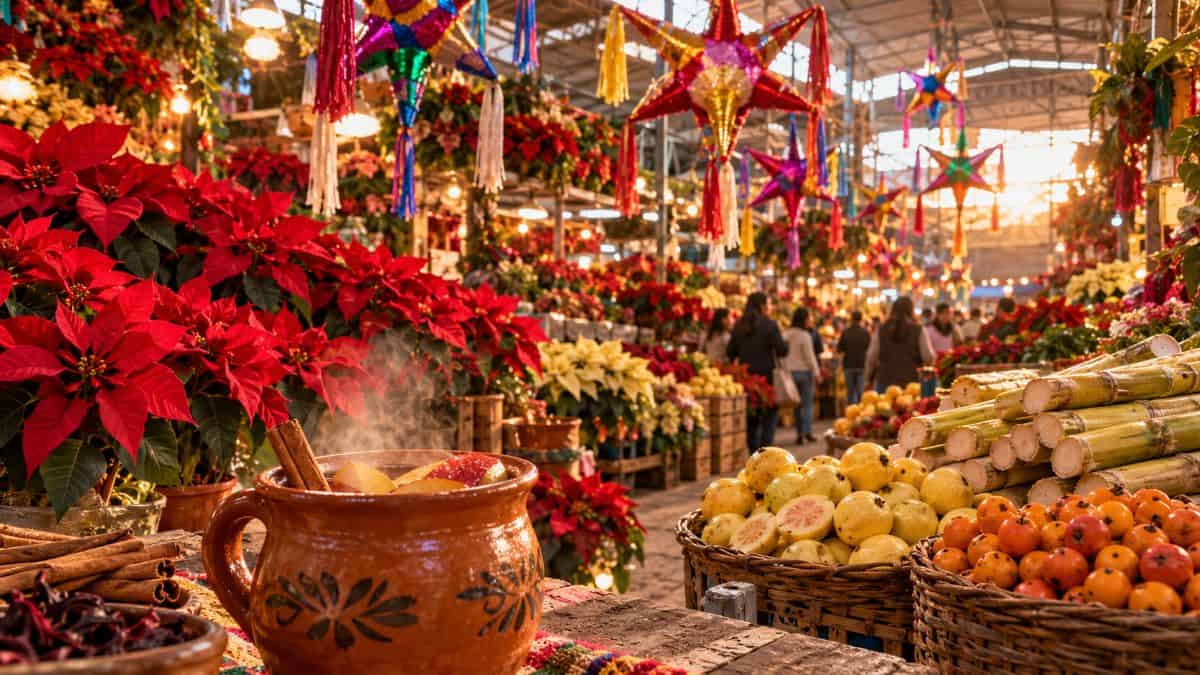
Mexico City becomes a food lover’s wonderland in December. Its busy public markets turn bright with red poinsettias, colourful piñatas, steaming drinks and rich Christmas dishes. The city does not celebrate the season with one single market. Instead, many neighbourhood markets create a huge food trail. Travellers can taste warm ponche, crisp buñuelos, soft tamales and festive dishes made for family tables. From flower-filled Jamaica to historic Coyoacán, every market tells a different part of Mexico City’s Christmas story.
December turns markets into festive food spaces
December is a special month in Mexico City. The city celebrates the Feast of Our Lady of Guadalupe, Las Posadas, Christmas Eve, Christmas Day and the approach of Three Kings’ Day. Food sits at the centre of each celebration.
Advertisement
Advertisement
Las Posadas take place from 16 to 24 December. These are community celebrations that remember Mary and Joseph’s search for shelter. Families and neighbours gather, sing, break piñatas and share warm food. Markets prepare for these nights by selling fruits, sweets, decorations and ingredients for punch.
The star drink is ponche navideño. This warm fruit punch often includes guava, tejocote, sugar cane, cinnamon, raisins and piloncillo, a dark Mexican sugar. It is sweet, hot and comforting on cool nights. Many people also enjoy it with buñuelos. These are thin fried pastries covered in sweet piloncillo syrup.
Advertisement
Advertisement
For travellers, December markets offer more than food. They show how Mexico City prepares for its biggest family celebrations.
Mercado de Jamaica brings colour and Christmas flavour
Mercado de Jamaica is one of the most exciting December stops in Mexico City. It is best known as the city’s major flower market. During the festive period, its walkways fill with red nochebuenas, also known as poinsettias. These flowers appear across homes, hotels, streets and public spaces during Christmas.
Advertisement
Advertisement
The market also sells Christmas trees, nativity decorations, lights and handmade piñatas. Large star-shaped piñatas hang above shoppers. They come in bright colours and are ready to be filled with fruit, sweets and small toys for posadas.
Food is an important part of the experience. Mercado de Jamaica has a dedicated food section where visitors can enjoy cooked meals after walking through the flower stalls. It is also a good place to find fruit for homemade ponche. Travellers should look for guava, sugar cane and tejocote. These simple ingredients create one of Mexico’s most familiar December flavours.
Advertisement
Advertisement
The market is easy to reach by Metro, which makes it a strong starting point for a festive food day in the capital.
Mercado Lázaro Cárdenas offers a local Christmas experience
Mercado Lázaro Cárdenas, also called Del Valle Market, gives visitors a more local view of the season. It holds a Christmas bazaar every December. Shoppers can find piñatas, Christmas trees, hay for nativity scenes and fruit for ponche.
This market feels less like a tourist attraction and more like a working part of the neighbourhood. Families shop here for meals, decorations and festive supplies. That makes it a good place to see how residents prepare for Christmas at home.
The market also has fondas, small food places that serve fresh daily meals. A visitor can order a comida corrida, which is a simple set lunch. It often includes soup, a main dish, rice or beans, tortillas and a drink. This is one of the easiest ways to enjoy a filling Mexican market meal.
Advertisement
Advertisement
Going before lunch is wise. Produce looks freshest and popular food counters begin to fill with local customers.
Coyoacán serves tostadas and old Mexico City charm
Mercado de Coyoacán is ideal for travellers who want food, culture and a relaxed day out. It sits close to the historic centre of Coyoacán, where cobbled streets, plazas, museums and cafés create a warm atmosphere.
The market is famous for tostadas. These crisp fried tortillas are covered with fillings such as chicken tinga, seafood, mushrooms, vegetables or pata. Tinga is shredded chicken cooked in a smoky tomato and chilli sauce. A tostada is easy to share, but it can also become a full meal.
Nearby, the Mercado de Antojitos focuses on Mexican snack foods. Visitors can find quesadillas, sopes, pozole and flautas. These dishes are full of flavour but simple to understand. Quesadillas are folded tortillas with fillings. Sopes are thick corn bases topped with beans, cheese, meat or vegetables. Pozole is a hearty corn soup. Flautas are rolled tortillas that are fried until crisp.
December weekends can be busy in Coyoacán. Travellers should arrive early, eat lunch at the market and then explore the district before evening festivities begin.
Mercado Medellín expands the city’s festive food story
Mercado Medellín in Roma Sur shows a different side of Mexico City. It is known for food and ingredients from across Latin America. Cuban, Colombian, Peruvian and Venezuelan vendors have made the market an important multicultural food destination.
Advertisement
Advertisement
Visitors can try arepas, yuca, coffee, Caribbean drinks and regional snacks. Arepas are round corn cakes that may be filled with cheese, meat, beans or vegetables. They make an easy breakfast or quick lunch.
The market does not focus only on traditional Mexican Christmas food. Instead, it shows how the capital brings together many Latin American flavours. This makes it a useful stop for visitors who want to understand Mexico City as a global food city.
It is also close to Roma and Condesa, two popular areas for travellers. A morning visit can easily fit into a wider day of eating, walking and exploring.
Mercado de San Juan offers special festive ingredients
Mercado de San Juan is the place for travellers looking for premium foods. It is known for imported goods, cheeses, preserved foods, deli meats and speciality ingredients. Many chefs and restaurant owners shop here.
December is a good time to visit because festive family meals often include products from different food traditions. Mexican Christmas tables may feature local dishes beside European-style cheeses, cured meats and sweet treats.
The market is not the first stop for someone searching for ponche or piñatas. It is better for people who want to create a picnic, buy food gifts or see the wider range of ingredients used in Mexico City kitchens.
Advertisement
Advertisement
Christmas dishes explain the city’s family traditions
December food in Mexico City is about sharing. Tamales and atole offer warmth at breakfast or late at night. Tamales are filled corn dough parcels wrapped in husks or leaves. Atole is a warm, thick drink made with maize.
Christmas Eve brings richer food. Many families serve bacalao a la vizcaína, a salt cod dish with tomato, olives and capers. Romeritos also appear on festive tables. They are cooked with mole and dried-shrimp patties. Ensalada de Nochebuena may include beetroot, apple, pineapple and walnuts.
As December ends, bakeries and market counters begin preparing Rosca de Reyes. This sweet ring-shaped bread becomes central before Three Kings’ Day in January. A small figurine is hidden inside. The person who finds it usually provides tamales for the next celebration in February.
Mexico City’s December markets are not just places to shop. They are living kitchens of memory, family and celebration. Every cup of ponche, every piñata and every warm tamal gives travellers a closer taste of the city’s festive heart.
Advertisement
